


 წინასწარი ნახვა
 გაგზავნა
 გაზიარება
 დეტალები
 გზამკვლევი

 ჩამოტვირთვა
 მსგავსები
 რენტგენოგრაფიული კვლევა
 სლაიდშოუ
 სტატისტიკა
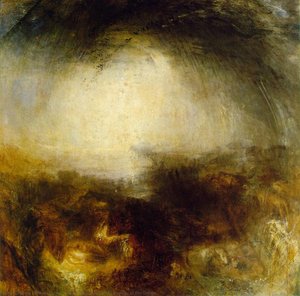
War, the Exile and the Rock Limpet
 ზეთი ტილოზე
- კედლის დეკორი
- Romanticism
 1842
1842 79.0 x 79.0 cm
 Tate Gallery
Experience 'War, the Exile and the Rock Limpet' by J.M.W. Turner – a haunting depiction of Napoleon’s isolation on Saint Helena, rendered with dramatic light and evocative atmosphere.
 გადასართად დაწვრილებით ნახეთ
გამოხდა ტურნერის შედევრი „წვიმა, ორთქლი და სიჩქარე“ – ეპოქალური სურათი, რომელიც ასახავს ინდუსტრიული პერიოდის დინამიკას და შეადგენს ბრიტანელი მხატვლის ყველაზე მნიშვნელოვანს მლაშე წყალში და წვერის მიხედვით გადის. ტურნერის სტილია რომანტიკური და მისი ნაწილი მფლობლობს სიჩქარე და სხედამს მგვრებს და შეადგენს ბრიტანელი მხატვლის ყველაზე მნიშვნელოვანს და შეადგენს ბრიტანელი მხატვლის ყველაზე მნიშვნელოვანს და
ხელით ნაკვეთი ზეთის ტილოს რეპროდუქცია
ტილოზე შესრულებული ფერწერიანი ზეთប្រდათი, თქვენთვის სასურველი ზომისა და ჩარჩოსთვის, ჩვენი ხელოვანების მიერ შეკვეთის საფუძველზე დამზადებული. ( გადართვა ბეჭდზე გადასვლა ციფრულ გამოსახულებაზე)




P118B $10

P118H $10

P118W $10

P438Z $10

P508JH $12

P508YH $12

P805H $10

P805Z $10

P919BZ $10

P919G $10

P919XJ $10

P959ZH $10

P968JZ $12

W106C $8

W218G $10

W218JH $8

W218Y $10

W307PJ $10

W316G $10

W316PJ $8

W316Y $10

W398PJ $8

W4111J $10

W500HY $15

W500JH $15

W692G $12

W849H $8

W940BG $15

W953PJ $8




სტანდარტული
სასურველი ზომის
CM
INCH
აირჩიეთ ჩვენს მიერ წინასწარ განსაზღვრული ზომებიდან, რომლებიც ნაწარმოების ორიგინალურ პროპორციებს შეესაბამება.
Loading sizes...

სიგანე
სიმაღლე
თქვენ შეგიძლიათ მიუთითოთ თქვენთვის სასურველი ზომები კონკრეტული ჩარჩოს ან სივრცის შესაბამისად. თუ თქვენ მიერ არჩეული ზომა არ შეესაბამება ორიგინალი გამოსახულების პროპორციებს, ჩვენ ან შევაჭრებთ ნაწარმოებს, ან ტილოზე დავამატებთ ხელით მოხატულ ელემენტებს. წარმოების დაწყებამდე, დამტკიცებისთვის გამოგეგზავნებათ ციფრული მაკეტი.
გთხოვთ, გაითვალისწინოთ, რომ ეკრანზე ნაჩვენები წინასწარი შეხედულება არ ასახავს რეალურ შეჭრას ან გაფართოებას. საბოლოო კომპოზიციას ზუსტად მხოლოდ მაკეტი წარმოაჩენს.
მიუხედავად იმისა, რომ შესაძლებელია ინდივიდუალური ზომების შერჩევა, ორიგინალური პროპორციების შენარჩუნებისათვის გირჩევთ, გამოიყენოთ წინასწარ განსაზღვრული სიის ზომები.
რა შეიძლება შეიცვალოს: სახის ჩანაცვლება მომხმარებლის ფოტოთი; შინაური ცხოველის დამატება (მაგ., კატის ჩანაცვლება ძაღლით); ფონზე ფარული შეტყობინების დამატება; ფონის პეიზაჟის ან ელემენტების შეცვლა.
შეკვეთის შემდეგ, TopImpressionists.com გუნდი დაგიკავშირდებათ ელექტრონული ფოსტით ინსტრუქციებისთვის და გამოგიგზავნით წინასწარ ნახაზს (mockup).
შეკვეთის შემდეგ, TopImpressionists.com გუნდი დაგიკავშირდებათ ელექტრონული ფოსტით ინსტრუქციებისთვის და გამოგიგზავნით წინასწარ ნახაზს (mockup).
მიწოდება მსოფლიო მასშტაბით -ში 3/4 კვირაში, სტანდარტული 5 კვირის ნაცვლად. (23 სექტემბერი). ხარისხზე კომპრომისის გაკეთება არ მოხდება.

უფასო ექსპრეს მიწოდება მთელ მსოფლიოში

საბამად მაღალი ხარისხის ტილო

სრული ტრანსპორტირების დაზღვევა

საბაჟო გადასახადების დაბრუნების გარანტია

ფერების სრული შესაბამისობის გარანტია

დაბრუნების 100-დღიანი პოლიტიკა (მხოლოდ დეფექტის შემთხვევაში)

100% თანხის დაბრუნების გარანტია

ფასდაკლება დიდი რაოდენობით შეკვეთისას
 მინის ჩარჩოს არჩევანი ხელმისაწვდომია მხოლოდ 110 სმ-ზე ნაკლები ზომისთვის

War, the Exile and the Rock Limpet
რეკლამაციის ტექნიკა
რეკლამაციის ზომა
-


საბოლოო ფასი
$ 269
A Moment of Despair: Turner’s ‘War, The Exile and the Rock Limpet’
Joseph Mallord William Turner's “War, The Exile and the Rock Limpet,” painted in 1842, is far more than a simple depiction of a desolate landscape. It’s a profoundly melancholic meditation on power, isolation, and the crushing weight of history—a cornerstone of the Romantic movement that continues to resonate with viewers today. This large oil painting, measuring 79 x 79 cm, transports us to the stark, windswept shores of Saint Helena, the remote island prison where Napoleon Bonaparte spent his final years, a poignant symbol of defeat and fading glory.
Turner’s genius lies in his ability to capture not just what he saw, but also the *feeling* of a scene. The composition is dominated by a vast, turbulent sky—a swirling vortex of bruised purples, fiery oranges, and deep blues – that seems to press down upon the solitary figure of Napoleon. He stands before a body of water, rendered in muted greys and browns, reflecting the bleakness of his surroundings. The horizon line is low, emphasizing the immensity of the landscape and the insignificance of the human presence within it. The painting’s palette is deliberately restrained, dominated by somber tones that heighten the sense of despair and confinement.
The Narrative of Exile
The painting's genesis lies in a specific historical event: Napoleon Bonaparte’s exile to Saint Helena following his defeat at Waterloo in 1815. Turner, deeply affected by news of the former Emperor’s plight, created “War” as a companion piece to "Peace – Burial at Sea," which depicted the return of Napoleon's remains to France. While ‘Peace’ celebrated a triumphant homecoming, 'War' offers a starkly different perspective—a glimpse into the final, desolate years of a man stripped of his power and surrounded by nothing but isolation. The painting isn’t a glorification of war; rather, it is an exploration of its devastating consequences for both the victor and the vanquished.
Turner masterfully uses symbolism to convey this sense of loss. Napoleon, depicted in a state of quiet contemplation, bows slightly as he examines a single rock limpet clinging to a stone. This seemingly insignificant detail—a humble creature from the sea—represents the ultimate insignificance of even the most powerful man when confronted with the relentless passage of time and the inevitability of mortality. The limpet’s presence serves as a visual metaphor for Napoleon's diminished state, reduced to observing a small, vulnerable life in his final hours.
Turner’s Revolutionary Technique
“War, The Exile and the Rock Limpet” is a testament to Turner’s innovative approach to landscape painting. He moved beyond traditional academic techniques, prioritizing atmosphere and emotional impact over precise representation. His brushstrokes are loose and expressive, creating a sense of movement and dynamism within the scene. Turner employed a technique known as ‘atmospheric perspective,’ where distant objects appear paler and less detailed, contributing to the illusion of depth and vastness. The use of color is particularly striking—not used to mimic reality but to evoke mood and emotion. Notice how the warm hues of the sunset contrast sharply with the cool, somber tones of the water and landscape.
Turner’s layering of glazes – applying thin washes of paint over dried layers – created a luminous quality that seemed to capture the very essence of light and shadow. This technique allowed him to achieve an unparalleled sense of depth and atmosphere, anticipating the techniques of Impressionist painters who would follow in his wake. The painting's almost abstract qualities—the blurred forms, the emphasis on color and light—demonstrate Turner’s willingness to break with convention and forge a new path for landscape art.
A Timeless Reflection
“War, The Exile and the Rock Limpet” is more than just a historical painting; it's a profound meditation on human nature, power, and mortality. It speaks to our own experiences of isolation, loss, and the enduring consequences of conflict. Reproductions of this iconic work offer a remarkable opportunity to bring Turner’s evocative vision into your home or office—a powerful reminder of the beauty and melancholy that can be found in even the darkest corners of history. Its dramatic composition and emotional depth make it a captivating addition to any art collection, inviting contemplation and sparking dialogue about the complexities of human experience.
დაკავშირებული ნამუშევრები


მხატვრის ბიოგრაფია
The Luminary of Light: A Journey Through the Life and Art of J.M.W. Turner
Joseph Mallord William Turner, a name synonymous with the sublime power of landscape and the evocative dance of light, remains one of Britain’s most celebrated and influential artists. Born in Covent Garden, London, in 1775, Turner's journey from a barber’s son to a master painter was fueled by an innate talent, relentless dedication, and a visionary spirit that would forever alter the course of art history. From his earliest days sketching architectural details to his later, almost abstract explorations of atmosphere and color, Turner consistently pushed the boundaries of artistic expression. His formal training began at the Royal Academy Schools in 1789, where he quickly distinguished himself as a promising student. However, Turner was not content with merely replicating established styles; he sought to capture the very essence of nature – its raw power, its fleeting beauty, and its inherent drama. Early works reveal a meticulous attention to topographical detail, reflecting the prevailing artistic tastes of the time. Yet, even in these early pieces, hints of his future direction are visible—a sensitivity to light and shadow, a willingness to experiment with color, and an emerging fascination with the sublime. He was particularly drawn to the Romantic movement’s emphasis on emotion and imagination, rejecting the rationalism of Neoclassicism in favor of subjective experience.The Evolution of a Visionary: From Topography to Transcendence
Turner's artistic development was marked by constant experimentation and a growing desire to move beyond mere representation. Influenced by masters like Claude Lorrain and J.M.W. Cozens, he began to infuse his landscapes with a romantic sensibility, emphasizing emotional response over precise depiction. His travels throughout Europe, beginning in 1802, proved pivotal, exposing him to diverse landscapes and inspiring new approaches to composition and color. He wasn’t simply recording what he saw; he was interpreting it through the lens of his own unique vision. These expeditions broadened his artistic horizons considerably, introducing him to Italian Baroque grandeur alongside the rugged beauty of Alpine vistas—influences that would shape his distinctive style for decades to come. The early 19th century witnessed a shift in Turner's style towards greater expressiveness. His seascapes, in particular, became increasingly dramatic, capturing the fury and majesty of the ocean with unprecedented intensity. Paintings like “The Fighting Temeraire Tugged to Her Last Berth to Be Broken Up” (1839) are not merely depictions of a ship being towed to its final resting place; they are poignant meditations on mortality, loss, and the relentless march of progress. The use of light in this work is particularly striking—a golden sunset casting a melancholic glow over the scene, symbolizing the passing of an era. Turner skillfully employed chiaroscuro – dramatic contrasts between light and dark – to heighten emotional impact and convey a sense of grandeur.A Master of Atmosphere: Light, Color, and the Sublime
Turner’s later works are characterized by an almost radical departure from traditional artistic conventions. He increasingly prioritized atmosphere and color over form and detail, creating paintings that seem to dissolve into pure light and energy. Works like “Rain, Steam and Speed – The Great Western Railway” (1844) exemplify this approach—a swirling vortex of color and motion that captures the dynamism of the industrial age. Critics were often baffled by these later works, but their influence on subsequent generations of artists would prove profound. He was a pioneer in exploring the effects of light and atmosphere, anticipating the Impressionists’ focus on capturing fleeting moments and subjective perceptions. His use of color was equally innovative—bold, vibrant hues applied with loose brushstrokes to create a sense of movement and energy. Turner wasn't simply painting landscapes; he was attempting to convey the very *feeling* of being in nature – the awe, the wonder, the terror.Legacy and Influence: The Painter Who Changed Painting
J.M.W. Turner’s legacy extends far beyond his prolific output—over 550 oil paintings, 2,000 watercolors, and 30,000 works on paper. He left an indelible mark on the history of art, influencing countless artists who followed in his footsteps. The Impressionists, particularly Claude Monet, were deeply inspired by Turner’s exploration of light and color, while abstract expressionists like Mark Rothko acknowledged their debt to his atmospheric compositions.
Turner's willingness to challenge conventions, his relentless experimentation, and his unwavering commitment to artistic vision continue to resonate with artists and art lovers today. He remains a pivotal figure in the development of modern art, a true visionary who transformed the way we see and experience the world around us. His works are housed in major museums worldwide, including the Tate Britain in London, where visitors can immerse themselves in the luminous beauty and profound emotional depth of his extraordinary paintings.
Explore more of Turner’s works at https://TopImpressionists.com/@/williamturner and discover his world through the Tate Collection: /ka/art/show/art-d3c5y9-ka/
ჯორჯ მალອດ უილიამ ტურნერი
1775 - 1851 , ინგლისი
მოკლე ინფორმაცია
- Artistic Movement Or Style: რომანტიზმი
- Artists Who Influenced This Artist:
- კლოდ ლორრაინი
- ჯ მ ვ კოზენსი
- Date Of Birth: 23 აპრილს 1775 წელი
- Date Of Death: 19 დეკემბერს 1851 წელი
- Full Name: იოზეფ მალორდ უილიამ ტურნერი
- Nationality: დიდი ბრიტანეთი
- Notable Artworks:
- მზის ჩ მორნინგ აფ terr დელუგე
- ჩიქსტერი კანიალი
- რუინსი ოფ ტინტერნ აბ ბი
- თე ფაითிங் ტემერეირი ტგიட் თ ჰ ლას ბერტი ტ ბ ბროკენ აಪ್ პორტი
- Place Of Birth: ლონდონი, დიდი ბრიტანეთი
დაკავშირებული სტატიები

Capturing the Soul: The Emotional Magic and Sublime Grandeur of Romantic Landscape Painting
Explore the profound emotional depth of Romantic landscape painting. Discover how masters like Friedrich and Turner captured the sublime through light, shadow, and nature's power in this expert art history retrospective for discerning collectors.
აღმოაჩინეთ ხელოვნების ნაწარმოებები თემების, სტილისა და მახასიათებლების მიხედვით დაჯგუფებული.


