


 ნახვა ინტერьерში
 გაგზავნა
 გაზიარება
 დეტალები
 გზამკვლევი

 ჩამოტვირთვა
 მსგავსები
 რენტგენოგრაფიული კვლევა
 სლაიდშოუ
 სტატისტიკა
Truth


Delve into Jules Joseph Lefebvre’s ‘Truth,’ an Academic masterpiece capturing ethereal beauty through masterful glazing and dramatic chiaroscuro lighting—a poignant exploration of femininity illuminated against a serene landscape.
 სრული ტექსტის ნახვა
აღმოაჩინეთ ჟულ ჟოსეფ ლეფევრეს (1836-1911) მომხიბვლელი ფიგურული ფერწერები, ცნობილი ფრანგი აკადემიკოსი და პედაგოგი. იგი ცნობილია ლამაზი ქალების პორტრეტებითა და გავლენიან სწავლებებით, მათ შორის ტარბელი და ხნოფის მოსწავლეები.
გიკლე / ხელოვნების პრინტი
მუზეუმის დონის ჟიკლე ან ტილოზე ბეჭდვა სწრაფი წარმოებისა და დასრულების მოქნილი ვარიანტებით. ( შეიძინეთ ხელით შესრულებული ნახატი გადასვლა ციფრულ გამოსახულებაზე)




P118B $10

P118H $10

P118W $10

P438Z $10

P508JH $12

P508YH $12

P805H $10

P805Z $10

P919BZ $10

P919G $10

P919XJ $10

P959ZH $10

P968JZ $12

W106C $8

W218G $10

W218JH $8

W218Y $10

W307PJ $10

W316G $10

W316PJ $8

W316Y $10

W398PJ $8

W4111J $10

W500HY $15

W500JH $15

W692G $12

W849H $8

W940BG $15

W953PJ $8




სტანდარტული ზომა
ინდივიდუალური ზომა
CM
INCH
აირჩიეთ ჩვენს მიერ წინასწარ განსაზღვრული ზომებიდან, რომლებიც ნაწარმოების ორიგინალურ პროპორციებს შეესაბამება.
Loading sizes...

სიგანე
სიმაღლე
თქვენ შეგიძლიათ მიუთითოთ საკუთარი ზომები კონკრეტული ჩარჩოსთვის ან სივრცისთვის მოსარგებლებლად. თუ თქვენ მიერ არჩეული ზომა არ შეესაბამება ორიგინალი გამოსახულების პროპორციებს, ჩვენ ან დავჭრით ნამუშევარს, ან გავაფართოვებთ გამოსახულებას სარკული ან ერთფეროვანი კიდეებით. წარმოების დაწყებამდე თქვენს დასამტკიცებლად გამოგეგზავნებათ ციფრული მაკეტი.
გთხოვთ, გაითვალისწინოთ, რომ ეკრანზე ნაჩვენები წინასწარი ნახვა არ ასახავს რეალურ ჭრას ან გაფართოებას. მხოლოდ მაკეტზე იქნება ზუსტად წარმოდგენილი საბოლოო კომპოზიცია.
მიუხედავად იმისა, რომ ინდივიდუალური ზომები ხელმისაწვდომია, ორიგინალური პროპორციების შესანარჩუნებლად გირჩევთ, აირჩიოთ ზომა წინასწარ განსაზღვრული სიისგან.
მიწოდება მთელ მსოფლიოში () 2 კვირაში, სტანდარტული 4/5 კვირის ნაცვლად. (26 სექტემბერი)

უფასო ექსპრეს მიწოდება მთელ მსოფლიოში

მაღალი ხარისხის ტილო

ტრანსპორტირების სრული დაზღვევა

საბაჟო გადასახადების დაბრუნების გარანტია

ფერების სრული შესაბამისობის გარანტია

დაბრუნების 100-დღიანი პერიოდი (მხოლოდ წარმოების დეფექტის შემთხვევაში)

100% თანხის სრული დაბრუნების გარანტია

ფასდაკლება დიდი რაოდენობით შეკვეთისას
 მინის ჩარჩოს არჩევანი ხელმისაწვდომია მხოლოდ 110 სმ-მდე ზომისთვის

Truth
გიკლე / ხელოვნების პრინტი
რეპროდუქციის ზომა
-


ჯამური ღირებულება
$ 69
The Radiance of Virtue: Unveiling Lefebvre’s "Truth"
In the hallowed halls of the Musée d’Orsay, there exists a masterpiece that transcends mere paint and canvas to touch the very essence of human morality. Jules Joseph Lefebvre’s 1870 triumph, Truth, is not simply a portrait but an allegorical encounter. At first glance, the viewer is met with the breathtaking sight of a nude female figure, her pale skin luminous against a somber, primordial landscape. Yet, as one lingers, the painting reveals its profound depth. This is a work born from the height of the Academic movement, a period where artists sought to marry the rigorous precision of classical anatomy with the soaring ideals of virtue and purity. The subject, poised with a delicate balance of vulnerability and strength, serves as a vessel for a much larger philosophical inquiry, inviting us to contemplate the clarity that comes with honest self-reflection.A Masterclass in Academic Technique
Lefebvre’s technical prowess is nothing short of extraordinary, showcasing the disciplined mastery he acquired at the École des Beaux-Arts. To behold Truth is to witness the magic of the glazing technique, where the artist meticulously layered thin, translucent washes of color over a robust underpainting. This method creates a sense of internal light, making the figure appear as though she is glowing from within, a stark contrast to the dark, rocky textures of the background. The use of chiaroscuro—the dramatic interplay between deep shadow and brilliant light—directs the eye with surgical precision. As the light spills from the golden mirror or lamp held above her, it illuminates the soft contours of her form, highlighting the subtle tonal variations that lend the skin a palpable, lifelike warmth. This careful manipulation of light does more than create realism; it builds an atmosphere of sacred intimacy.Symbolism and the Mirror of the Soul
Beyond its aesthetic splendor, the painting is rich with symbolic resonance that continues to captivate collectors and historians alike. The placement of the golden mirror above the figure’s head is a masterful stroke of visual metaphor. In the lexicon of 19th-century allegory, the mirror represents introspection and the unvarnished revelation of reality. By positioning this object so prominently, Lefebvre suggests that truth cannot be found in the external world alone, but through the courageous act of looking inward. The natural setting—the stylized trees and the dark, mysterious environment—acts as a stage for this psychological drama, representing the untamed complexities of existence from which the light of truth must emerge. For the discerning decorator or art enthusiast, this piece offers more than just a focal point for a room; it provides a profound conversation piece that speaks to the enduring human quest for integrity and self-awareness.An Eternal Legacy for the Modern Collector
For those looking to bring a sense of timeless elegance into a contemporary space, Truth offers an unparalleled opportunity. Whether placed in a grand salon or a quiet study, the painting’s commanding presence and sophisticated palette of gold, flesh tones, and deep earth shadows complement a wide array of interior styles, from classical traditionalism to modern minimalist luxury. Owning a high-quality reproduction of this work means more than possessing a beautiful image; it is about preserving a fragment of art history. Lefebvre’s ability to capture both the physical perfection of the human form and an ethereal, emotional depth ensures that Truth remains as relevant today as it was in 1870, serving as a constant, luminous reminder of the beauty found in clarity and grace.მხატვრის ბიოგრაფია
აკადემიური ელეგანტურობის ოსტატი
ჟიულ ჟოსეფ ლეფებვრს მე-19 საუკუნის ფრანგული ხელოვნების ისტორიაში ბრწყინვალე ფიგურად მივიჩნევთ; იგი იყო მხატვარი, რომლის ფუნჯსაც rare უნარი გააჩნდა, ერთდროულად დაე captures ადამიანური ფორმის ფიზიკური სრულყოფილება და ეთერული სილამაზის ღრმა შეგრძნება. 1834 წელს ტურნში დაბადებული ლეფებვრის შემოქმედებითი გზა დისციპლინირებულ ოსტატობასა და ხელოვნებისადმი უსაზღვრო ერთგულებას წარმოადგენდა. თোলხმანი, თোলხმანი, თოთხმეტი წლის ასაკში პარიზში გადასვლით, იგი École nationale supérieure des Beaux-Arts-ის მკაცრ და სავსე ცოდნით გარემოში ჩაიძირა. პატივსაცემი ლეონ კონიესის მეთვალყურეობის ქვეშ, ლეფებვრემ არა მხოლოდ ტექნიკა შეისწავლა, არამედ მემკვიდრეობით მიიღო კლასიკური სრულყოფილების ტრადიცია, რომელმაც მთელი მისი შემოქმედება განსაზღვრა. მისი ადრეული წარმატებები, განსაკუთრებით კი 1861 წელს პრერი რომის (Prix de Rome) პრესტიჟული ჯილდოს მოპოვებამ, ნიშნავდა იმ ხელოვანის აღზევებას, რომელიც აკადემიური მოძრაობის ქვაკუთხედად უნდა ქცეულიყო.
ლეფებვრეს შემოქმედების არსი სწორედ ისში მდგომარეობს, რასაც კრიტიკოსები ხშირად „აკადემიურ ელეგანტურობას“ უწოდებენ. მას ჰქონდა შეუდარებელი უნარი ქალის ფიგურის გამოსახვისა, სადაც კანს ისეთი ნათელი თვისება სძენდა, თითქოს შიგნიდან ანათებდეს. მისი კომპოზიციები იშვიათად იყო მხოლოდ პროვოკაციისთვის განკუთვნილი; პირიქით, იგი ცდილობდა სუბიექტის ამაღლებას რბილი სინათლისა და დელიკატური, ჰარმონიული ფერల პალიტრის მეშვეობით. ისეთ შედევრებში, როგორიცაა ქლოე, შეგვიძლია დავინახოთ, როგორ აერთიანებს იგი კლასიკურ სიმშვიდეს ბუნებასთან ატმოსფერულ კავშირში, რაც ქმნის მარადიულობის განცდას, რომელიც სცდება იმ ეპოქას, რომელშიც ნამუშევარი შეიქმნა. მიუხედავად იმისა, ასახავს იგი მითოლოგიურ ფიგურებს თუ თანამედროვე პორტრეტებს, მისი შემოქმედება ინარჩუნებს სილამაზისადმი ერთგულებას და მეტსახოვან ყურადღებას ქსოვილისა და სხეულის ნატიფი ტექსტურებისადმი.
გავლენისა და სწავლების მემკვიდრეობა
მისი ინდივიდუალური ტილოების მიღმა, ლეფებვრეს ისტორიული მნიშვნელობა ღრმად არის ფესვგადგმული, როგორც განმანათლებლისა და მენტორის როლში. მისი სტუდია მომავალი დიდოსტატების კერად იქცა, რამაც ხიდი დაუშვა ტრადიციულ ფრანგულ აკადემიზმსა და მე-19 საუკუნის ბოლოს წარმოშობილ ახალ მოძრაობებს შორის. მისი გავლენა საზღვრებს სცდებოდა და აყალიბებდა იმ სტუდენტთა ხელებსა და თვალს, რომლებმაც შემდგომში განსაზღვრეს ამერიკული იმპრესიონიზმი და ევროპული მოდერნიზმი. მის ყველაზე ცნობილ მოსწავლეთა შორის იყვნენ:
- ფერნანდ ხნოფფი, რომლის სიმბოლისტური ძიებები ლეფებვრეს ატმოსფერული სენსიტიურობის ექოებს ატარებს;
- ედმუნდ ტარბელი, ბოსტონის სკოლის საკვანძო ფიგურა;
- ფელიქს ვალოტონი, რომელმაც მოგვიანებით შეცვალა გრაფიკული ხელოვნებისა და კომპოზიციის საზღვრები;
- კენიონ ქოქსი, რომელმაც კლასიკური ფიგურული სრულყოფილების ნაპერწკალი შემოიტანა შეერთებულ შტატებში.
ამ პედაგოგიურმა მემკვიდრეობამ უზრუნველყო, რომ მიუხედავად იმისა, რომ სტილები იმპრესიონიზმისკენ და მის მიღმაც იცვლებოდა, დრამატურგიის, ხაზოვანობისა და სინათლის ფუნდამენტური პრინციპები — რაც თავად ლეფებვრეს პრაქტიკის საყრდენები იყო — სიცოცხლეს შეუნარჩუნებდა. მისი მრავალფეროვანი წარმომადგენლობა პარიზის სალონზე, სადაც 1855-დან 1898 წლამდე სამოცდათორმეტი ნამუშევარი გამოფენდა, განამტკიცა მისი სტატუსი, როგორც ხელოვნების ესელმენტების სვეტის. ისეთი შემოქმედებებით, როგამც ლედი გოდივამ და დიგნიფიკური ჯეიმს ა. კამპბელის პორტრეტი, ლეფებვრემ დაიჭირა ეპოქის სული და დატოვა შემოქმედება, რომელიც დღემდე აღფრთოვანებას იწვევს რეალიზმის, რომანტიზმისა და შეუდარებელი ტექნიკური ვირტუოზულობის დახვეწილი შერწყმით.

ჟიულ ჟოსეფ ლეფებვრი
1834 - 1912 , საფრანგეთი
მოკლე ფაქტები
- Artistic Movement Or Style: აკადემიური ხელოვნება
- Artists Or Movements Influenced By This Artist: ['რომანტიზმი']
- Artists Who Influenced This Artist: ['ლეონ კონიე']
- Date Of Birth: 14 მარტი, 1836
- Date Of Death: 24 თებერვალი, 1911
- Full Name: ჟულ ჟოზეფ ლეფებვრი
- Nationality: ფრანგი
- Notable Artworks:
- ლედი გოდივა
- ჯეიმს ა. კემპბელის პორტრეტი
- ლა სიგალი
- Place Of Birth: ტურნე, საფრანგეთი
მსგავსი სტატიები
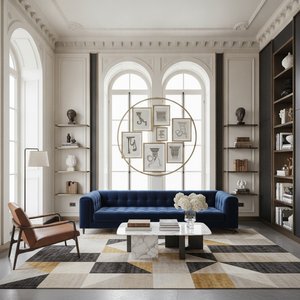
Beyond the Basics: The Power of Academic Classicism Reimagined for Modern Interiors
Discover the enduring power of Academic Classicism reimagined. Explore how technical mastery, light, and form from historical masterpieces can elevate modern interiors through premium, hand-painted oil reproductions and expert art consultation.

The Enduring Legacy of Oil on Canvas: Technique, History & Aesthetic Impact
Explore the rich history & techniques of oil painting – from Renaissance masters to Impressionism. Discover pigments, layering methods, and why this timeless medium endures. Expert insights for artists & art enthusiasts.

The Enduring Allure of the Nude: A Historical & Artistic Exploration of the Human Form
Explore the captivating history of nude art! Discover iconic paintings & artists from classical to modern eras. Uncover symbolism, techniques & find museum-quality reproductions at TopImpressionists.

Mastering Perfection: A Definitive Guide to the Elegance and Precision of Academic Classicism
Discover the profound beauty of Academic Classicism. Explore the principles of order, anatomical precision, and the enduring legacy of Neoclassical masters through this expert guide to timeless elegance and technical perfection in fine art.

Charles Le Brun: Master of French Baroque Classicism & His Enduring Legacy
Explore the life & art of Charles Le Brun, master of French Baroque Classicism. Discover his royal commissions, influence on Versailles, and enduring legacy through detailed analysis & stunning artworks.