


 ნახვა ინტერьерში
 გაგზავნა
 გაზიარება
 დეტალები
 გზამკვლევი

 ჩამოტვირთვა
 მსგავსები
 რენტგენოგრაფიული კვლევა
 სლაიდშოუ
 სტატისტიკა
Fruit
 Oil On Canvas
- WallArt
- Impressionism
 1888
1888- 19th Century
 54.0 x 44.0 cm
 Metropolitan Museum of Art
Admire Julian Alden Weir’s ‘Fruit’ (1888), a vibrant Impressionist still life featuring apples, oranges & grapes. Hand-painted reproduction – perfect for art lovers.
 სრული ტექსტის ნახვა
Julian Alden Weir (1852-1919) იყო ამერიკული იმპრესიონიზმის ერთ-ერთი ლიდერი და „ათეულის“ დამფუძნებელი. მისი სცენური пейзаჟები, ფერმების ხედები და ტონალური живописьი გამოირჩევა ნატიფი განწყობითა და ამერიკული ხელოვნების ისტორიაში მნიშვნელოვანი ადგილი აქვს.
გიკლე / ხელოვნების პრინტი
მუზეუმის დონის ჟიკლე ან ტილოზე ბეჭდვა სწრაფი წარმოებისა და დასრულების მოქნილი ვარიანტებით. ( შეიძინეთ ხელით შესრულებული ნახატი გადასვლა ციფრულ გამოსახულებაზე)




P118B ₾10

P118H ₾10

P118W ₾10

P438Z ₾10

P508JH ₾12

P508YH ₾12

P805H ₾10

P805Z ₾10

P919BZ ₾10

P919G ₾10

P919XJ ₾10

P959ZH ₾10

P968JZ ₾12

W106C ₾8

W218G ₾10

W218JH ₾8

W218Y ₾10

W307PJ ₾10

W316G ₾10

W316PJ ₾8

W316Y ₾10

W398PJ ₾8

W4111J ₾10

W500HY ₾15

W500JH ₾15

W692G ₾12

W849H ₾8

W940BG ₾15

W953PJ ₾8




სტანდარტული ზომა
ინდივიდუალური ზომა
CM
INCH
აირჩიეთ ჩვენს მიერ წინასწარ განსაზღვრული ზომებიდან, რომლებიც ნაწარმოების ორიგინალურ პროპორციებს შეესაბამება.
Loading sizes...

სიგანე
სიმაღლე
შეიყვანეთ თქვენთვის საჭირო სიგანე და სიმაღლე, რათა იგი მოერგოს თქვენს ჩარჩოს ან კედელს. ბეჭდვისას შესაძლებელია მხოლოდ მისი შემცირება და არა გაზრდა, ამიტომ სხვა ფორმის ზომის შემთხვევაში გამოსახულება ნაწილობრივ იკარგება. სანამ რაიმეს დაბეჭდავთ, ჩვენ გამოგიგზავნით ციფრულ მაკეტს დასდასტურებლად. ამ გვერდზე ნაჩვენები სურათი არ ასახავს რეალურ ჭრას — ამას მხოლოდ მაკეტი გვიჩვენებს.
მიწოდება მთელ მსოფლიოში () 2 კვირაში, სტანდარტული 4/5 კვირის ნაცვლად. (21 ოქტომბერი)

უფასო ექსპრეს მიწოდება მთელ მსოფლიოში

მაღალი ხარისხის ტილო

ტრანსპორტირების სრული დაზღვევა

საბაჟო გადასახადების დაბრუნების გარანტია

ფერების სრული შესაბამისობის გარანტია

დაბრუნების 100-დღიანი პერიოდი (მხოლოდ წარმოების დეფექტის შემთხვევაში)

100% თანხის სრული დაბრუნების გარანტია

ფასდაკლება დიდი რაოდენობით შეკვეთისას
 მინის ჩარჩოს არჩევანი ხელმისაწვდომია მხოლოდ 110 სმ-მდე ზომისთვის

Fruit
გიკლე / ხელოვნების პრინტი
რეპროდუქციის ზომა
-


ჯამური ღირებულება
₾ 180
Julian Alden Weir’s “Fruit”: A Still Life of Transient Beauty
Julian Alden Weir's 1888 painting, "Fruit," offers a captivating glimpse into the burgeoning world of American Impressionism. More than just a depiction of apples, oranges, and grapes arranged on a table, it’s a meditation on beauty, decay, and the fleeting nature of existence – a core tenet of the *vanitas* tradition prevalent in European art at the time. Weir, born in West Point, New York, inherited an artistic lineage deeply rooted in formal training, beginning with his father's instruction at the United States Military Academy, yet it was his immersion in Parisian ateliers and encounters with artists like Jean-Léon Gérôme that truly ignited his distinctive style. This painting represents a pivotal moment in Weir’s artistic journey – a deliberate shift away from the rigid academicism of his early years towards a more subjective and emotionally resonant approach to capturing the world around him.
The composition itself is deceptively simple, yet meticulously crafted. The arrangement of the fruit—the vibrant red of the apples, the sunny yellow of the oranges, and the deep purple of the grapes – draws the eye immediately. Notice how Weir doesn’t strive for photographic realism; instead, he employs loose brushstrokes and a muted palette, prioritizing atmosphere and light over precise detail. The table, rendered with subtle tonal variations, provides a grounding element, anchoring the vibrant fruits within a sense of quiet contemplation. This deliberate choice reflects the influence of artists like Edouard Manet, whom Weir admired and whose work encouraged him to explore more intimate still lifes that evoked the *vanitas* tradition – a reminder of mortality and the transience of earthly pleasures.
The Influence of *Vanitas* and the Symbolism of Decay
“Fruit” is deeply informed by the *vanitas* genre, a popular theme in Northern European art during the 16th and 17th centuries. *Vanitas* paintings typically featured symbolic objects – skulls, decaying fruit, extinguished candles – to remind viewers of the inevitability of death and the futility of worldly pursuits. While Weir’s work isn't overtly morbid, the inclusion of ripe fruit on the verge of decay subtly conveys this underlying theme. The slightly bruised apple, for instance, hints at the passage of time and the ephemeral nature of beauty. The grapes, plump and luscious, represent abundance and pleasure, but their proximity to the decaying elements suggests that even these joys are ultimately transient.
Beyond *vanitas*, individual fruits carry specific symbolic weight. Apples have long been associated with knowledge, temptation, and immortality in Western art. Oranges, introduced to Europe from the East, represented wealth and luxury. Grapes symbolize abundance, fertility, and joy. Weir’s careful selection of these elements creates a layered visual narrative, inviting viewers to contemplate not just the beauty of the fruit itself, but also its deeper meaning.
Technique and Artistic Style
Weir's masterful technique is evident in his skillful use of light and shadow. He employs broken color—applying small dabs of paint rather than blending them smoothly—to create a sense of luminosity and atmospheric depth. The brushstrokes are loose and expressive, capturing the texture of the fruit’s skin and the sheen of its surfaces. This approach aligns with the Impressionist movement's emphasis on capturing fleeting moments and subjective perceptions. The painting is executed in oil on canvas, a medium that allowed Weir to achieve rich colors and subtle tonal variations.
Interestingly, this period of Weir’s work – the 1880s – saw him moving away from his earlier academic style and embracing a more intimate and emotionally driven approach. His connection with artists like Edouard Manet during his time in Paris undoubtedly played a role in this transformation. The painting's quiet elegance and contemplative mood reflect Weir’s growing confidence as an artist, signaling a shift towards a distinctly American brand of Impressionism.
A Reproduction for Art Lovers
TopImpressionists is proud to offer a meticulously hand-painted reproduction of Julian Alden Weir’s “Fruit.” This isn't merely a print; it’s a faithful recreation of the original, capturing the artist’s delicate brushwork and evocative atmosphere. The 54 x 44 cm size makes this piece ideal for adding a touch of timeless beauty to any room – from a cozy study to a sophisticated dining area. The subtle color palette and nuanced details will bring a sense of serenity and contemplation to your space, reminding you of the fleeting nature of beauty and the importance of appreciating the present moment. Explore our collection today and bring home a piece of art history.
კითხვები და პასუხები
არსებობს თუ არა გაიდი ჯულიან ალდენ უეირი-ის „Fruit“-ისთვის?
გზამკვლევი „Fruit“-ისთვის არის ნამუშევრის გზამკვლევი გვერდი - დასაბეჭდი ფაქტების ფურცელი, რომელიც წარმოაჩენს ნამუშევარს თავისი აღწერილობით, ავტორობის მითითებითა და იდენტიფიკაციის ცხრილით (ავტორი, თარიღები, ტექნიკა, ორიგინალის ზომა, კოლექცია).
რა პროპორციები აქვს ჯულიან ალდენ უეირი-ის „Fruit“-ს და რა ზომის არის იგი?
სურათის "Fruit" ფორმატი არის Portrait, ხოლო ორიგინალის ზომა შეადგენს 54 x 44 cm-ს. ორივე მათგანი სასარგებლოა რეპროდუქციის დაგეგმვისას.
რამდენად ინტენსიურია ჯულიან ალდენ უეირი-ის „Fruit“-ის ფერები?
ჯულიან ალდენ უეირი-ის „Fruit“-ში შეფარებული ფერების ინტენსივობა არის Monochromatic.
მსგავსი ნამუშევრები


მხატვრის ბიოგრაფია
ადრეული ცხოვრება და სამხატვრო ფუნდამენტი
ჯულიან ალდენ უეირი, დაიბადა 30 აგვისტოს, 1852 წელს, ვესტ-პოინტში, ნიუ-იორკში. მას მემკვიდრეობით მიიღო სამხატვრო ტრადიცია, რომელმაც მნიშვნელოვნად ჩამოაყალიბა მისი გზა. მისი მამა, რობერტ უოლტერ უეირი, სახელოვანი მხატვარი და ხატვის პროფესორი იყო აშშ-ს სამხედრო აკადემიაში, რის შედეგადაც ჯულიანმა ადრეულ ასაკში სიყვარული გაუჩნდა ხელოვნების მიმართ. სახლი თავადვე ცოცხალი სტუდია იყო, რომელიც სავსე იყო შემოქმედებითი ცხოვრების ინსტრუმენტებითა და შთაგონებით. ეს ხელსაყრელი გარემო გავრცელდა მის უფროს ძმაზეც, ჯონ ფერგუსონ უეირზე, რომელმაც ასევე სახელოვანი ლანდშაფტის მხატვარი გახდა. ჯულიანის პირველი ფორმალური მომზადება 1870 წელს დაიწყო ნაციონალურ აკადემიაში, ნიუ-იორკში, რამაც მას ტრადიციული ტექნიკის მყარად ბაზა მისცა. თუმცა, მოგზაურობამ პარიზში 1873 წელს ნამდვილად გააღვიძა მისი სამხატვრო განვითარება. სწავლა ჟან-ლეონ ჟერომთან École des Beaux-Arts-ში აკადემიური კఠორედობისა და ზუსტი დეტალების შესწავლის შესაძლებლობას მიაწოდა, ხოლო მეგობრობამ მხატვრებთან, როგორიცაა ჟიულ ბასტიენ-ლეპაჟი, გაუჩინა უფრო ფართო პერსპექტივა ხატვის შესაძლებლობებზე. თავდაპირველად, უეირს ძლიერი მოწინააღმდეგობა ჰქონდა ახალი იმპრესიონიზმის მიმართ, რომელიც ფორმისა და სტრუქტურის არარსებობის გამო “შინსაყვარულად” მიაჩნდა. ეს ადრეული წინააღმდეგობა გადამწყვეტი აღმოჩნდა, რადგან მისი საბოლოო მიღება იმპრესიონიზმის მიმართ მომხდარი არ იყო უშუალო, არამედ თანდათანობითი ევოლუციის შედეგი.კონექტიკუტის წლები და სამხატვრო გარდაქმნა
ჯულიან ალდენ უეირის ცხოვრებაში მნიშვნელოვანი მომენტი იყო მისი ქორწინება ანა დუაიტ ბეიკერთან 1883 წელს და შემდგომი გადასვლა ბრანჩვილში, კონექტიკუტში. მან იქ მეურნეობა შეიძინა, რაც ნიუ-იორკის ხმაურისგან თავშესაფარი იყო. ეს სოფლის გარემო მხოლოდ დასვენების ადგილი არ გახდა; ის შთაგონების წყაროდ გადაქცევა. მშვიდი ლანდშაფტები, მეურნეობის რიტმები და ბუნებასთან ახლო კავშირი თანდათანობით ცვლიდნენ მის სამხატვრო მიმართულებას. თავიდანაც აგრძელებდა პორტრეტებისა და ნატიურმორტის ხატვას ტრადიციულ სტილში, მაგრამ აღმოაჩინა, რომ მას უფრო მეტად იზიდავს სინათლისა და ატმოსფეროს გარდამავალი ეფექტების ასახვა. 1891 წლისთვის ეს მიდრეკილება სრულყოფილად ჩამოყალიბდა იმპრესიონიზმის მიღებაში. ჯონ ტვაქტმანისა და თეოდორ რობინსონის გავლენით, მან დაიწყო ფუნჯების გაწყვეტის ექსპერიმენტები, ნათელი ფერების პალიტრა და სუბიექტური აღქმის ხაზგავა. ეს არ იყო მისი წინა ვარჯიშის მთლიანი უარყოფა; უფრო სწორედ, ეს იყო აკადემიური უნარის სინთეზი ახალი მოძრაობის ინოვაციურ სულისკვეთილთან. მისმა სტილმა ხშირად იმპრესიონიზმის გამომხატველობასა და უფრო თავშეკავებულ ტონალისტულ მხატვრობას შორის ბალანსი შეინარჩუნა, რაც უნიკალურ ვიზუალურ ენას ქმნოდა, რომელიც მას თანამედროვეებისგან განასხვავებდა. მან ასევე მნიშვნელოვანი ნიჭი გამოავლინა გრავირებაში, განსაკუთრებით აკვატინტის ტექნიკის გამოყენებით.ამერიკული ხელოვნების წამყვანი ხმა
XIX საუკუნის ბოლოსთვის ჯულიან ალდენ უეირი დამყარდა ამერიკული სამხატვრო სცენაზე მნიშვნელოვან ფიგურად. მან მნიშვნელოვანი როლი ითამაშა “ათეულის” ჩამოყალიბებაში, ათი დამოუკიდებელი მხატვრის ჯგუფში, რომლებმაც მათი ნამუშევრების გამოფენა გადაწყვიტეს ტრადიციული ინსტიტუტების გარეთ, როგორიცაა ეროვნული დიზაინის აკადემია. ამ კოლექტივმა—რომელშიც შედიოდა მხატვრები, როგორებიც იყვნენ ჩილდ ჰასამი, უილარდ ლეროი მეტკალფი და ედმუნდ ტარბელი—მნიშვნელოვანი ნაბიჯი იყო სამხატვრო ავტონომიისკენ და ხელოვნების მიმართულების ფორმირებაში. 1912 წელს უეირი აშშ-ს მხატვართა და ქანდაჩეთთა ასოციაციის პირველ პრეზიდენტად იქნა არჩეული, რაც კიდევ უფრო გაამყარა მისი ლიდერობის როლი სამხატვრო საზოგადოებაში. მოგვიანებით მან ეროვნული დიზაინის აკადემიის პრეზიდენტის თანამდებობა დაიკავა, რამაც აჩვენა ხელოვნების როგორც პროგრესული, ასევე კონსერვატიული ფრაქციებისგან მიღებული პატივისცემა. ამ პერიოდის მისი ძირითადი ნამუშევრები—როგორიცაა *On the Shore* (1892), ცოცხალი სანაპირო ხედი; *New England Barnyard* (1904), მომხიბლავი სოფლის ცხოვრების აღწერა; და *Upland Pasture* (1905)—უეირის იმპრესიონიზმის ტექნიკის მფლობელობასა და ამერიკული ლანდშაფტის არსის ასახვის უნარს ადასტურებს.მემკვიდრეობა და გაგრძელებული გავლენა
ჯულიან ალდენ უეირის წვლილი მის ინდივიდუალურ ნახატებთან ერთად, ბევრად უფრო მნიშვნელოვანია. მან გადამწყვეტი როლი ითამაშა ტრადიციული აკადემიური ხატვისა და იმპრესიონიზმის ინოვაციური სულისკვეთილის შორის ხიდის მშენებლობაში, მომავალი თაობების მხატვრებისთვის გზა გააღო. “ათეულში” მისი მონაწილეობით სამხატვრო დამოუკიდებლობის ხელშეწყობა ჩამოყალიბებულ ნორმებს გამოწვევას უყენებდა და უფრო ცოცხარე და მრავალფეროვან სამხატვრო ლანდშაფტს ეხმარობოდა. დღეს, Weir Farm National Historic Site კონექტიკუტის შტატ ბრანჩვილში, მისი ცხოვრებისა და ნამუშევრების მოწმობაა. მეურნეობის შენარჩუნება ისევე, როგორც მისი დროის განმავლობაში იყო, ვიზიტორებს საშუალებას აძლევს იხილონ სამ
ჯულიან ალდენ უეირი
1852 - 1919 , აშშ
მოკლე ფაქტები
- Artistic Movement Or Style: იმპრესიონიზმი, ტონალიზმი
- Artists Or Movements Influenced By This Artist: ['The Ten American Painters']
- Artists Who Influenced This Artist: ['Jean-Léon Gérôme']
- Date Of Birth: 30 აგვისტო 1852
- Date Of Death: 8 დეკემბერი 1919
- Full Name: Julian Alden Weir
- Nationality: ამერიკელი
- Notable Artworks (List Of Titles):
- On the Shore
- New England Barnyard
- Place Of Birth (City And Country): West Point, USA
მსგავსი სტატიები

The Timeless Charm of Oil on Board: Reimagining Texture and Light through the Impressionist Lens
Discover the profound intimacy of oil on panel. Explore how Impressionist masters used rigid supports to capture light, texture, and impasto depth through exquisite, handmade oil reproductions for discerning collectors.

The Soul of Impressionism: Why Oil on Canvas Captures Eternal Light and Timeless Emotion
Discover the enchanting alchemy of Impressionism. Explore how the mastery of oil on canvas, through glazing and impasto, captures eternal light and emotion. Perfect for lovers of Monet and Van Gogh seeking the profound depth of hand-painted fine art.

Enchanting Strokes: Unveiling the Luminous Magic and Timeless Soul of Impressionist Masterpieces
Immerse yourself in the luminous beauty of Impressionism. TopImpressionists.com offers exquisite, hand-painted oil reproductions of masters like Monet and Van Gogh. From museum-quality landscapes to bespoke portraits from photos, we bring timeless artistry and soul to your collection.
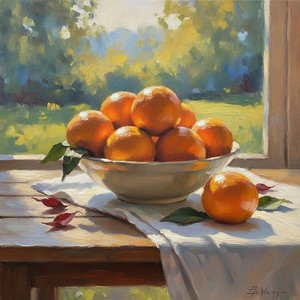
Sun-Drenched Citrus: The Vibrant Beauty of Oranges in Impressionist Masterpieces
Embark on a sensory journey through Impressionist masterpieces. Discover how Renoir and Cézanne captured the vibrant light and luscious textures of sun-drenched oranges in exquisite still life paintings designed to inspire and transform your home.

Moonlight Magic: Capturing the Luminous Glow of Impressionist Nightscapes
Discover the ethereal beauty of Impressionist nightscapes. Explore how masters like Monet and Van Gogh captured moonlight through luminous oil textures. Expert insights for collectors seeking museum-quality, handmade reproductions to transform their homes with timeless nocturnal magic.