

 ნახვა ინტერьерში
 გაგზავნა
 გაზიარება
 დეტალები
 გზამკვლევი

 ჩამოტვირთვა
 მსგავსები
 რენტგენოგრაფიული კვლევა
 სლაიდშოუ
 სტატისტიკა
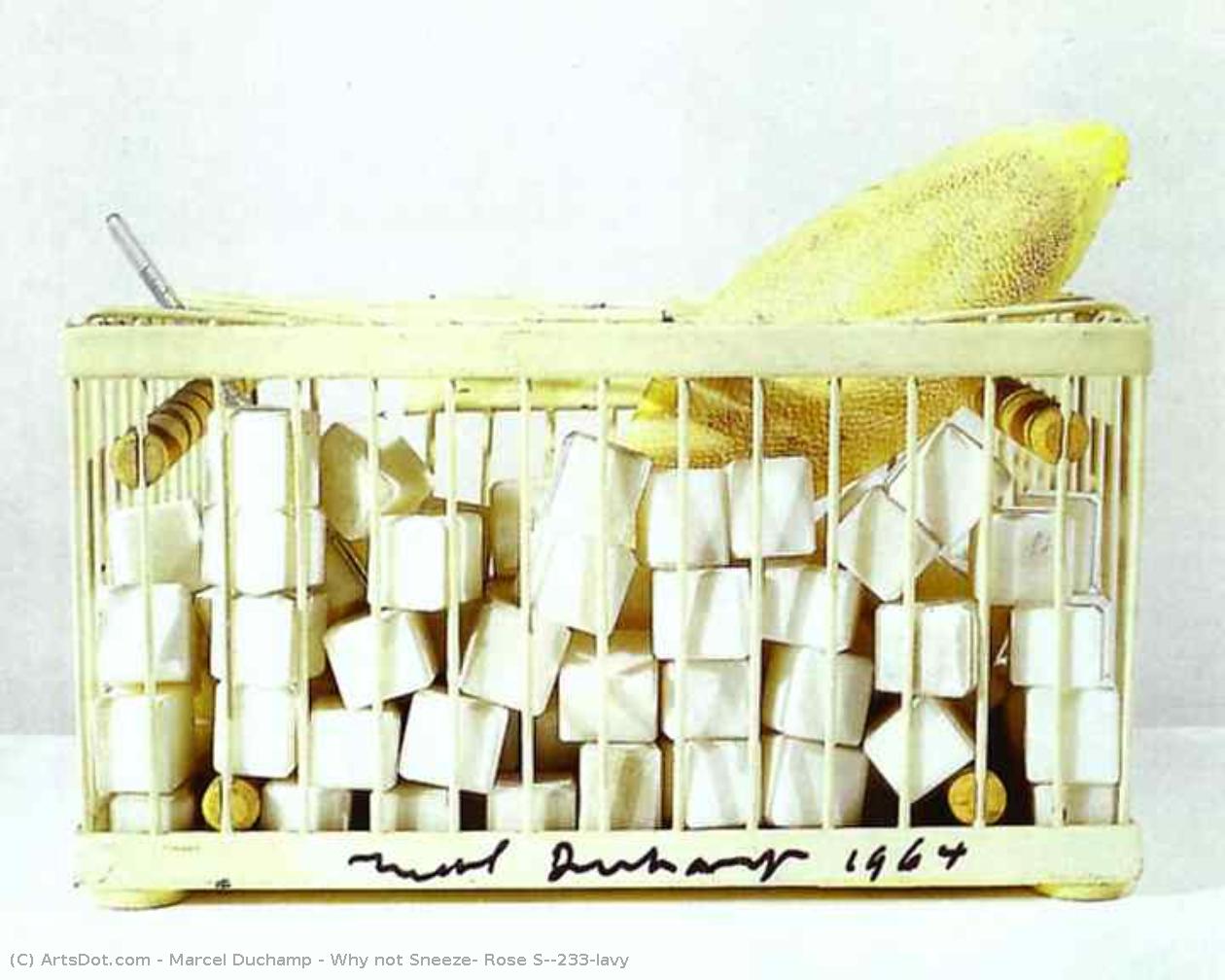
Why not Sneeze, Rose Sélavy
 Acrylic On Canvas
- WallArt
- Dada Gesamtkunstwerk
 1921
1921 12.0 x 22.0 cm
 Тate Модерн
 სრული ტექსტის ნახვა
მარსელ დიუშამპის რევოლუციური ხელოვნება: დადაიზმის ფუძემდებელი და "ფონტანის" ავტორი. მისი კონცეპტუალური ნამუშევრები ხელოვნების განწყობას უთარგმნიდა.
ამ გვერდზე წარმოდგენილი ნამუშევარი დაცულია საავტორო უფლების შესახებ კანონმდებლობით, რაც იმას ნიშნავს, რომ ჩვენ არ გვაქვს მისი იდენტური რეპროდუქციის შექმნის ან გაყიდვის სამართლებრივი უფლება. აღნიშნული დაცვა უზრუნველყოფილია ისეთი საერთაშორისო შეთანხმებებით, როგორიცაა ბერნის კონვენცია და ეროვნული კანონმდებლობით, მათ შორის იმ კანონებით, რომლებიც დეტალურად არის გაწერილი აშშ-ის საავტორო უფლების შესახებ კანონი - თავი 17.
ეს მეთოდი სრულად შეესაბამება საავტორო უფლებების რეგულაციებს, რადგან ის არ გულისხმობს დაცული ნამუშევრის კოპირებას ან დუბლირებას. ამგვარად, ეს წარმოადგენს შემოქმედებით რეინტერპრეტაციას — ახალ ნახატს, რომელიც შთაგონებითაა განპირობებული ორიგინალით, თუმცა არ არის მის იდენტურ ასლს.
გიკლე / ხელოვნების პრინტი
მუზეუმის დონის ჟიკლე ან ტილოზე ბეჭდვა სწრაფი წარმოებისა და დასრულების მოქნილი ვარიანტებით. ( შეიძინეთ ხელით შესრულებული ნახატი გადასვლა ციფრულ გამოსახულებაზე)




P118B ₾10

P118H ₾10

P118W ₾10

P438Z ₾10

P508JH ₾12

P508YH ₾12

P805H ₾10

P805Z ₾10

P919BZ ₾10

P919G ₾10

P919XJ ₾10

P959ZH ₾10

P968JZ ₾12

W106C ₾8

W218G ₾10

W218JH ₾8

W218Y ₾10

W307PJ ₾10

W316G ₾10

W316PJ ₾8

W316Y ₾10

W398PJ ₾8

W4111J ₾10

W500HY ₾15

W500JH ₾15

W692G ₾12

W849H ₾8

W940BG ₾15

W953PJ ₾8




სტანდარტული ზომა
ინდივიდუალური ზომა
CM
INCH
აირჩიეთ ჩვენს მიერ წინასწარ განსაზღვრული ზომებიდან, რომლებიც ნაწარმოების ორიგინალურ პროპორციებს შეესაბამება.
Loading sizes...

სიგანე
სიმაღლე
შეიყვანეთ თქვენთვის საჭირო სიგანე და სიმაღლე, რათა იგი მოერგოს თქვენს ჩარჩოს ან კედელს. ბეჭდვისას შესაძლებელია მხოლოდ მისი შემცირება და არა გაზრდა, ამიტომ სხვა ფორმის ზომის შემთხვევაში გამოსახულება ნაწილობრივ იკარგება. სანამ რაიმეს დაბეჭდავთ, ჩვენ გამოგიგზავნით ციფრულ მაკეტს დასდასტურებლად. ამ გვერდზე ნაჩვენები სურათი არ ასახავს რეალურ ჭრას — ამას მხოლოდ მაკეტი გვიჩვენებს.
მიწოდება მთელ მსოფლიოში () 2 კვირაში, სტანდარტული 4/5 კვირის ნაცვლად. (22 ოქტომბერი)

უფასო ექსპრეს მიწოდება მთელ მსოფლიოში

მაღალი ხარისხის ტილო

ტრანსპორტირების სრული დაზღვევა

საბაჟო გადასახადების დაბრუნების გარანტია

ფერების სრული შესაბამისობის გარანტია

დაბრუნების 100-დღიანი პერიოდი (მხოლოდ წარმოების დეფექტის შემთხვევაში)

100% თანხის სრული დაბრუნების გარანტია

ფასდაკლება დიდი რაოდენობით შეკვეთისას
 მინის ჩარჩოს არჩევანი ხელმისაწვდომია მხოლოდ 110 სმ-მდე ზომისთვის

Why not Sneeze, Rose Sélavy
გიკლე / ხელოვნების პრინტი
რეპროდუქციის ზომა
-


ჯამური ღირებულება
₾ 180
A Provocative Pause: Unpacking “Why Not Sneeze, Rose Sélavy”
Marcel Duchamp’s "Why Not Sneeze, Rose Sélavy," painted in 1921, isn't merely a still life; it’s an audacious declaration. This deceptively simple image – a white box containing a yellow banana alongside several cups and spoons – immediately throws the viewer off balance, demanding they reconsider their assumptions about art itself. Duchamp, a pivotal figure in the Dada movement, wasn’t interested in replicating reality or expressing personal emotion through traditional means. Instead, he sought to dismantle established artistic conventions, forcing us to confront the very definition of what constitutes “art” and its role within society.
The painting's genesis lies within Duchamp’s exploration of chance and readymades – everyday objects presented as art without alteration. "Why Not Sneeze" exemplifies this approach perfectly. The choice of a banana, an utterly mundane item, elevates it to the status of subject matter through its placement within the box, transforming it into something worthy of contemplation. The inclusion of the cups and spoons further complicates the scene, suggesting a potential for consumption or ritual – elements deliberately devoid of inherent meaning, yet imbued with a subtle tension.
Dadaist Disruptions: Style and Technique
“Why Not Sneeze” is firmly rooted in the principles of Dadaism, a movement born from the disillusionment following World War I. Rejecting logic and reason, Dada artists embraced absurdity, chance, and anti-art sentiments. Duchamp’s technique reflects this ethos; he employed a precise, almost clinical approach to rendering the objects, using oil paint on canvas with a smooth, matte finish. There's no attempt at illusionistic depth or vibrant color – instead, the focus is entirely on the arrangement of the elements and their juxtaposition. The stark white box acts as a frame, isolating the objects and intensifying their impact.
Interestingly, Duchamp’s process involved a degree of chance. He reportedly placed the banana in the box after it had been emptied, allowing the positioning to be determined by accident. This element of randomness underscores the movement's core belief that art should not be dictated by conscious intention but rather emerge from unexpected encounters and unforeseen circumstances.
Symbolic Whispers: Interpretation and Context
The symbolism within “Why Not Sneeze” is deliberately ambiguous, inviting multiple interpretations. The banana itself has been suggested to represent fertility, sexuality, or even a subtle critique of consumer culture – a small, yellow object placed in an enclosed space, hinting at both abundance and confinement. The cups and spoons could symbolize hospitality, offering, or perhaps the act of consuming – again, devoid of any specific narrative but laden with potential meanings.
Furthermore, the title itself, “Why Not Sneeze?”, is a direct challenge to conventional artistic expectations. Duchamp’s question implies that there are no rules governing art, no prescribed methods for creating it. It's an invitation to embrace spontaneity and reject rigid constraints. The painting can be viewed as a meditation on the absurdity of artistic norms and a playful provocation against established aesthetic values.
A Timeless Dialogue: Emotional Impact and Legacy
Despite its seemingly simple composition, “Why Not Sneeze, Rose Sélavy” possesses a profound emotional impact. It’s unsettling, humorous, and thought-provoking – qualities that have cemented its place as one of the most significant works in modern art history. Duchamp's work continues to resonate today, prompting us to question our own perceptions of beauty, value, and the very nature of artistic expression. A reproduction of this iconic piece offers a unique opportunity to engage with a pivotal moment in art history and contemplate the enduring legacy of Marcel Duchamp’s revolutionary spirit.
კითხვები და პასუხები
შეიძლება თუ არა "Why not Sneeze, Rose Sélavy" შეძენა როგორც მხატვრული პრინტი?
მარსელ დიუშამპ-ის „Why not Sneeze, Rose Sélavy“-ის პრინტის მისაღებად, უბრალოდ შეუკვეთეთ მისი ხელოვნების მაღალი ხარისხის ბეჭედი გვერდიდან: ხელოვნების მაღალი ხარისხის ბეჭდური ბამბის ტილოს ან საარქივო ტილოს ქაღალდის ბაზაზე.
რა განწყობა და ემოცია ერთიანდება ნამუშევარში "Why not Sneeze, Rose Sélavy"?
წარმოწერილში "Why not Sneeze, Rose Sélavy", Playful განწყობას Playful ემოცია ახლავს.
მარსელ დიუშამპ-ის შემოქმედების რომელი პერიოდის ნაწილია "Why not Sneeze, Rose Sélavy"?
"Why not Sneeze, Rose Sélavy" ეკუთვნის მარსელ დიუშამპ-ის შემოქმედებითი კარიერის Dada Phase პერიოდს. ეს კლასიფიკაცია ნამუშევარს ხელოვანის შემოქმედებითი განვითარების ეტაპთან აკავშირებს.
მხატვრის ბიოგრაფია
მარსელ დიუშამპ: ხელოვნების რევოლუციური სული
მარსელ დიუშამპი, დაბადებული ენრი-რობერ-მარსელ დიუშამპად 1887 წლის 28 ივლისს ბლანვილ-სურ-მერს, ნორმანდიაში, საფრანგეთში, იყო მეტად ხელოვანი, ჭადრაკის მოთამაშე და გამოგონებელი, რომელმაც გადამწყვეტი როლი ითამაშა თანამედროვე ხელოვნების განვითარებაში შეერთებულ შტატებში და ნიუ-იორკში, სადაც ცხოვრების ბოლო 25 წელი გაატარა. დიუშამპი იყო ხელოვნების ერთ-ერთი პირველი წარმომადგენელი, რომელმაც ტუალეტიც კი ხელოვნების ფორმად აქცია. მეფრთხილებაBroken Arm-ის წინ (1915) და სხვა მორგებული საგნები ხელოვნების სტატუსამდე აწია. ის ხშირად მოიხსენიებენ როგორც პაბლო פיקאסოსა და ჟორჟ ბრაკის თან시대ელი, რომლებიც ხელოვნებაში ინდუსტრიული თვალყურისძიებას უწყობდნენ ხელს. დიუშამპს კონცეპტუალური ხელოვნების მამადაც აღიარებენ.ადრეული წლები და განათლება
დიუშამპი დაიბადა ევგენისა და ლუსი დიუშამპების ოჯახში, რომელთაც შვიდი ბავშვი ჰყავდათ. მისი ძმები, ჟაკ ვილონი (1875–1963), მხატვერი და რაიმონდ დიუშამპ-ვილიონი (1876–1918), ქანდაკებაც იყვნენ ხელოვანები. დიუშამპი ახალგაზრდობაში სწავლობდა რუანის ლიცეუმში, სადაც მისი თანაკლასელები იყვნენ მომავლის გამოჩენილი მხატვრები. ის ერთი წელი სწავლობდა პარიზის ბიელი-სრულების აკადემიაში, თუმცა ვერაფორმით გააგრძელა სწავლა. დიუშამპმა ადრეულ ასაკში გამოიკვეთა მხატვრული ნიჭი და მალევე დაიწყო კლასიკური ტექნიკის შესწავლა, თუმცა მალე უარზე갔ი და საკუთარი, რევოლუციური ხედვა განავითარა.კუბიზმიდან დადამდე: კონვენციების უარყოფა
დიუშამპის ხელოვნებაული მოგზაურობა მუდმივად ვითარდებოდა, რაც ძველი წესების მიღმა იყო. მისი ადრეული ნაშრომები, როგორიცაა *შესრიალებული ჩოგბურთი* (1911), კუბიზმის გავლენას უჩვენებს დაახლოებითი ფორმებისა და მრავალი ხედვის გამოყენებით. თუმცა, ის მალევე გადახდა მხოლოდ ესთეტიკური საკითხების მიღმა და აღიარა, რომ ელემენტების 단순 재배열 არ იყო საკმარისი იმისთვის, რომ მისაღწევად უფრო ღრმავდება კითხვები. პირველი მსოფლიო ომის ტრაგიკული შედეგები განაპირობა მისი უკმაყოფილება და დიუშამპი დაეხმარა დადაიზმის მოძრაობას, რომელიც დაიფარგალა იმედგაცრუებასთან და ტრადიციულ ხელოვნების ღირებულებებთან. სწორედ დადაისტურ ფასადში დიუშამპმა დაიწყო კონვენციული ხელოვნების გაფანტვა. ის არ ცდილობდა ლამაზი ობიექტების შექმნას, მას სურდა აეღოთ ხელი საზრუნავს, გამოეცადათ მოსწრებეები და გამოეხެއްხვათ ესთეტიკური განაჩენის თვითნაბადობა.რეადი-მეიდები და ხელოვნების დესტრუქცია
დიუშამპის ყველაზე მნიშვნელოვანი წვლილი მეოცე საუკუნის ხელოვნებაში რეადი-მეიდების შემოქმედება იყო - ყოველდღიური, წარმოებული ობიექტები, რომლებიც არჩეულია და წარმოდგენილია ხელოვნებად. ეს არ იყო უბრალოდ ნაპოვნები; ეს იყო ხელოვნების დესტრუქციის განზრახული აქტი. საგნების, როგორიცაა ტუალეტი (*ფონტანი*, 1917), ჩვეულებრივი საგნების ხელოვნების სტატუსამდე აწევა, გამოწვեց კითხვები იმის შესახებ, თუ რა არის ხელოვნება და ვინ არის მისი ავტორი. დიუშამპმა თქვა, რომ ხელოვნება უნდა იყოს გონებაში, არა მხოლოდ თვალში. *L.H.O.O.Q.* (1919), მონა ლიზეს პოსტკარდის გამეორება, რომელსაც დამატებულია მუსტაცია და ღუნღნა, იყო ხელოვნების ისტორიისა და კულტურული კანონიკის თამაში.მემკვიდრეობა და გრძელვადიანი გავლენა
მარსელ დიუშამპის გავლენა მომავალ თაობათა მხატვრებზე შეუდარებელია. მან საფუძველი ჩაუყარა კონცეპტუალურ ხელოვნებას, მინიმალიზმს, პოპ არტს და სხვა მოძრაობებს. მისი აქცენტი იდეაზე, ნაწარმის უკან მდგომარეობს, დღესაც აფრთხილებს მხატვრებს.- კუბიზმი: ფორმების და სივრცის წარმოსადგენლად ადრეული გამოკვლევა.
- დადაიზმი: გონებასთან და ტრადიციულ ხელოვნების ღირებულებებთან უარის თქმა პირველ მსოფლიო ომის შედეგად.
- კონცეპტუალური ხელოვნება: ნაწარმის იდეაზე აქცენტი, მისი ესთეტიკური თვისებების გარეშე.

მარსელ დიუშამპ
1887 - 1968 , საფრანგო
მოკლე ფაქტები
- Artistic Movement Or Style:
- კუბიზმი
- დადაიზმი
- კონცეპტუალური ხელოვნება
- Artists Or Movements Influenced By This Artist:
- კონცეპტუალური ხელოვნება
- პოპ არტისტი
- მინიმალისტური
- Date Of Birth: 1887 წლის 28 ივლისი
- Date Of Death: 1968 წლის 2 ოქტომბერი
- Full Name: მარსელ დუშამპი
- Nationality: ფრანცოზელი-ამერიკელი
- Notable Artworks:
- Fountain
- L.H.O.O.Q.
- The Large Glass
- Boîte-en-valise
- Place Of Birth: Blainville-sur-Mer, საფრანგო
მსგავსი სტატიები

Dadaism Unveiled: The Beautiful Chaos of Art's Most Rebellious Movement
Explore the profound rebellion of Dadaism. Discover how this avant-garde movement emerged from the chaos of WWI to redefine art through absurdity, anti-logic, and a legacy that shaped Surrealism and Pop Art. A deep dive into the beautiful chaos of art history for the true enthusiast.

Pop Surrealism Unveiled: The Sophisticated Intersection of Vibrant Pop Art and Dreamlike Subconscious Landscapes
Explore the captivating world of Pop Surrealism. Discover how vibrant Pop Art meets dreamlike subconscious imagery through the works of masters like Jeff Soto and Ryan Heshka. An expert guide for discerning collectors seeking to understand this profound contemporary art movement.
აღმოაჩინეთ ხელოვნების ნაწარმოებები თემების, სტილისა და მახასიათებლების მიხედვით დაჯგუფებული.


