ნახვა ინტერьерში
 გაგზავნა
 გაზიარება
 დეტალები
 გზამკვლევი

 ჩამოტვირთვა
 მსგავსები
 რენტგენოგრაფიული კვლევა
 სლაიდშოუ
 სტატისტიკა
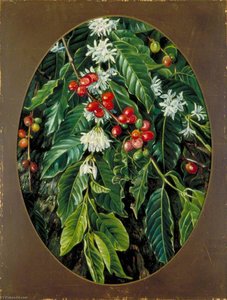
India Rubber Trees at Buitenzorg, Java
 Oil On Board
- WallArt
- Victorian Botanical Painting
 1876
1876- 19th Century
 29.0 x 50.0 cm
 Marianne North Gallery
Marianne North Gallery. Richmond. Title. India-Rubber Trees at Buitenzorg, Java. Date. c.1876. Medium. oil on board. Measurements. H 29.1 x W ...
 სრული ტექსტის ნახვა
მარიანე ნორთი (1830-1890) - ქართველი მხატვერი და გვირგვინოსანი, რომელმაც მოხაზა ექსოტიკური ფლორა მთელს მსოფლიოში. კევის ბოტანიკურ ბაღში მისი გამოფენა, სადაც 800-ზე მეტი ნამუშევრია წარმოდგენილი, მისი თავდაჯერებული სულის მტკიცებულებაა!
ხელით შესრულებული ზეთის საღებავით რეპროდუქცია
ტილოზე შესრულებული ფერწერიანი ზეთប្រდათი, თქვენთვის სასურველი ზომისა და ჩარჩოსთვის, ჩვენი ხელოვანების მიერ შეკვეთის საფუძველზე დამზადებული. ( გადართვა ბეჭდვის რეჟიმზე გადასვლა ციფრულ გამოსახულებაზე)




P118B ₾10

P118H ₾10

P118W ₾10

P438Z ₾10

P508JH ₾12

P508YH ₾12

P805H ₾10

P805Z ₾10

P919BZ ₾10

P919G ₾10

P919XJ ₾10

P959ZH ₾10

P968JZ ₾12

W106C ₾8

W218G ₾10

W218JH ₾8

W218Y ₾10

W307PJ ₾10

W316G ₾10

W316PJ ₾8

W316Y ₾10

W398PJ ₾8

W4111J ₾10

W500HY ₾15

W500JH ₾15

W692G ₾12

W849H ₾8

W940BG ₾15

W953PJ ₾8




სტანდარტული ზომა
ინდივიდუალური ზომა
CM
INCH
აირჩიეთ ჩვენს მიერ წინასწარ განსაზღვრული ზომებიდან, რომლებიც ნაწარმოების ორიგინალურ პროპორციებს შეესაბამება.
Loading sizes...

სიგანე
სიმაღლე
შეიყვანეთ თქვენთვის საჭირო სიგანე და სიმაღლე, რათა ნახატი მოერგოს თქვენს ჩარჩოს ან კედელს. ვინაიდან ეს ნამუშევარი ხელით არის შესრულებული, სხვა ფორმის ზომის შემთხვევაში, მხატვარმა შესაძლოა სურათის გარშემო ოდნავ მეტი დატოვოს ან შეამციროს — არჩევანი თქვენზეა. დაწყებამდე, დასამტკიცებლად, ჩვენ გამოგიგზავნით ციფრულ მაკეტს. ამ გვერდზე ნაჩვენები სურათი არ ასახავს რეალურ შედეგს — რეალური სახე მხოლოდ მაკეტზე ჩანს.
რა შეიძლება შეიცვალოს: სახის ჩანაცვლება მომხმარებლის ფოტოთი; შინაური ცხოველის დამატება (მაგ., კატის ჩანაცვლება ძაღლით); ფონზე ფარული შეტყობინების დამატება; ფონის პეიზაჟის ან ელემენტების შეცვლა.
შეკვეთის შემდეგ, TopImpressionists.com გუნდი დაგიკავშირდებათ ელექტრონული ფოსტით ინსტრუქციებისთვის და გამოგიგზავნით წინასწარ ნახაზს (mockup).
შეკვეთის შემდეგ, TopImpressionists.com გუნდი დაგიკავშირდებათ ელექტრონული ფოსტით ინსტრუქციებისთვის და გამოგიგზავნით წინასწარ ნახაზს (mockup).
მიწოდება მსოფლიო მასშტაბით -ში 3/4 კვირაში, სტანდარტული 5 კვირის ნაცვლად. (22 ოქტომბერი). ხარისხზე კომპრომისის გაკეთება არ მოხდება.

უფასო ექსპრეს მიწოდება მთელ მსოფლიოში

მაღალი ხარისხის ტილო

ტრანსპორტირების სრული დაზღვევა

საბაჟო გადასახადების დაბრუნების გარანტია

ფერების სრული შესაბამისობის გარანტია

დაბრუნების 100-დღიანი პერიოდი (მხოლოდ წარმოების დეფექტის შემთხვევაში)

100% თანხის სრული დაბრუნების გარანტია

ფასდაკლება დიდი რაოდენობით შეკვეთისას
 მინის ჩარჩოს არჩევანი ხელმისაწვდომია მხოლოდ 110 სმ-მდე ზომისთვის

India Rubber Trees at Buitenzorg, Java
რეპროდუქციის ტექნიკა
რეპროდუქციის ზომა
-


ჯამური ღირებულება
₾ 701
A Victorian Explorer's Ode to Botanical Beauty: Marianne North’s “India Rubber Trees at Buitenzorg, Java”
Marianne North (1830 – 1890), a woman remarkably ahead of her time, defied societal expectations and embarked on an extraordinary journey fueled by both artistic passion and scientific curiosity. Born in Hastings, England, she initially pursued musical studies but succumbed to illness, redirecting her energies toward the captivating art form of flower painting—a decision that would ultimately propel her into a life of unparalleled adventure.
“India Rubber Trees at Buitenzorg, Java,” painted circa 1876, exemplifies North’s distinctive style and unwavering dedication to capturing the splendor of the natural world. Executed in oil on board, this artwork transcends mere representation; it's a testament to meticulous observation and skillful technique.
Subject Matter & Context: The painting depicts a serene park setting dominated by towering rubber trees—a species introduced to Buitenzorg (now Bogor Botanical Gardens), Java, during the Dutch colonial era. North’s fascination with botany wasn't merely academic; it stemmed from a deep reverence for plant life and its role in sustaining ecosystems.
Style & Technique: North’s approach aligns closely with Impressionism, prioritizing luminous color palettes and capturing fleeting atmospheric effects. She employed layering techniques—building up thin glazes of pigment to achieve depth and vibrancy—a hallmark of her distinctive style. The brushstrokes are loose yet purposeful, conveying a sense of movement and immediacy.
Symbolism & Emotional Impact: Beyond its botanical accuracy, “India Rubber Trees” resonates with broader symbolic themes. The umbrella shading the trees symbolizes protection and tranquility, mirroring North’s own desire for independence and self-sufficiency. More profoundly, the painting evokes a feeling of awe—a recognition of the sublime beauty inherent in nature and the transformative power of artistic engagement.
Reproductions & Interior Design Considerations: High-quality reproductions of “India Rubber Trees” offer an exquisite opportunity to infuse any interior space with a touch of Victorian elegance and botanical inspiration. Selecting a canvas print or giclée edition ensures faithful color reproduction and preserves the artwork’s textural nuances—allowing collectors and designers alike to appreciate North's masterpiece as it was originally conceived.
- Material Quality: Opt for archival-grade canvases and inks to guarantee longevity and preserve the painting’s vibrancy for generations to come.
- Framing Suggestions: Consider a simple wooden frame in warm tones—such as oak or walnut—to complement the artwork's palette and enhance its visual impact.
- Placement Recommendations: Position “India Rubber Trees” in areas bathed in natural light—creating an inviting atmosphere that celebrates the beauty of botanical artistry.
Marianne North’s “India Rubber Trees at Buitenzorg, Java” stands as a beacon of Victorian artistic innovation and scientific exploration—a timeless masterpiece that continues to inspire admiration and captivate audiences worldwide.
კითხვები და პასუხები
როგორ არის რეკომენდებული "India Rubber Trees at Buitenzorg, Java"-ის ბეჭდვა - რა ზომით და რა ორიენტაციით?
მარიანე ნორთი-ის „India Rubber Trees at Buitenzorg, Java“-ის ბეჭდვისთვის რეკომენდებულია Small ზომა, Panoramic ორიენტაციით.
სად შემიძლია მარიანე ნორთი-ის „India Rubber Trees at Buitenzorg, Java“-ის გადმოწერა?
მარიანე ნორთი-ის „India Rubber Trees at Buitenzorg, Java“ სურათის ჩამოტვირთვა შესაძლებელია ნამუშევრის ჩამოტვირთვა გვერდიდან: მაღალი გარჩევადობის ციფრული გამოსახულების ჩამოტვირთვა.
როგორ აკავშირებს მარიანე ნორთი-ის „India Rubber Trees at Buitenzorg, Java“ Victorian Botanical Painting-ს ხელოვანის სამშობლოსთან?
"India Rubber Trees at Buitenzorg, Java" თავის შემქმნელის სამშობლოს მეშვეობით აკავშირებს Victorian Botanical Painting სტილს გაერთიანებული სამეფო-სთან.
მხატვრის ბიოგრაფია
მარიანე ნორთი: ვიქტორიანული ეპოქის გამბედავი მხატვარი და ბოტანიკოსი
მარიანე ნორთი (1830-1890) იყო გამოცდილი ინგლისელი მხატვარი და ბოტანიკოსი, რომელმაც მსოფლიო მასშტაბით მოგზაურობდა, ფერადი ნახატების შექმნას უძღვნავდა, თავისი მოგზაურობების შესახებ წერდა, ახალი მცენარეებს აღმოჩენდა და კეუ-ს სამეფო ბოტანიკური ბაღებში საკუთარი გალერეის დამ设立ის საქმეს ხელმძღვანელობდა. ის იყო ქალური სულის ადამიანი, რომელმაც ვიქტორიანული ეპოქის საზოგადოებრივი მოლოდინების უარმდეგი, ბუნებრივ სამყაროს დოკუმენტაცია გა yaptı. ჰასტინგსში დაბადებული, ინგლისში, ის წარმოადგენდა მდიდარი ოჯახიდან მომავალ ქალბატონს, რომელმაც თავისი ცხოვრება ხელოვნებისა და მეცნიერების შესწავლისთვის მიუძღვნა. მისი ადრეული წლები მუსიკალურ სწავლას ეთანხმებოდა, თუმცა ხმის დაქვეითებამ მას ყვავილების მხატვრობისკენ მიმართა – გადაწყვეტილება, რომელმაც არა მხოლოდ მისსთვის მოსვენებას უწევდა, არამედ წარმოუდგენელი არსებობის საფუძველი გახდა.მოგზაურობები და ბოტანიკური აღმოჩენები
მისი დედამისის გარდაცვალების შემდეგ, 1855 წელს, მარიანე თავდაჯერებულად დაიწყო მოგზაურობები, რომლებიც მას მთელი Ευρώპის მასშტაბით გადაიყვანდა. ეს მოგზაურობები მისსთვის ბუნებრივი სამყაროს შესწავლის უნიკალური შესაძლებლობა გახდა და მისი დაკვირვების უნარი გააუმჯობესა. 1869 წელს, მამის გარდაცვალების შემდეგ, მარიანე გადაწყვეტს, მთლიანად თავისი ძალებით მიუძღვნას გრძელვადიანი ქვეყნის ფლორას მხატვრობას – ეს გადაწყვეტილება მის ცხოვრებაში მნიშვნელოვანი მომენტი აღინიშნა. 1871 წელს მარიანე დაიწყო მოგზაურობების სერია, რომელიც თითქმის ხუთი წლის განმავლობაში გრძელდებოდა და მას სხვადასხვა რეგიონებში გადაიყვანა, როგორიცაა კანადა, გაიანა, ბრაზილია, იაპონია, ბორნეო, ინდოეთი, ავსტრალია და ახალი ზელანდია. ის მოგზაურობდა არა სამეცნიერო ჯგუფებთან ან ოფიციალური მხარდაჭერით, არამედ საკუთარ სახსრებზე, ეყრდნობოდა ოჯახის სიმდიდრეს და შეუდარებელი მტანადობისკენ სწრაფვას. მისი მეთოდი იყო ფრთხილად დაკვირვება, ჩანაწერების გაკეთება და შემდეგ მათი გადატანა ტილოზე.მხატვრული სტილი და კეუ-ს გალერეა
მარიანე ნორთის მხატვრული სტილი გამოირჩევა დეტალური რეალიზმით, ფერის სიღვიძლემ და ჰაერის სინატიფით. ძირითადად ზეთის ფასებით მუშაობისას, რომელიც იმ დროს ბოტანიკური ილუსტრაციისთვის არანormალური იყო, მან მიაღწია ფერების სიღრმეს და ტექსტურას, რაც მისს ნამუშევრებს სიცოცხლეს აძლევდა. მისი ნახატები არა მხოლოდ მცენარეების ფორმას ასახავს, არამედ გარემოსა და მათში ჩაძირვის გრძნობასაც. ის არ იყო ფორმალურად გაკეთებულ რომელიმე ხელოვნების მოძრაობაში, თუმცა მისს ნაშრომებში აღიქმება ვიქტორიანული ნატურალიზმის ელემენტები. მისი ყველაზე მნიშვნელოვანი მემკვიდრეობა კეუ-ს სამეფო ბოტანიკური ბაღების გალერეაა, რომელიც მას მიუძღვნეს. აღიარებულმა მისს შემოქმედებასთან დაკავშირებული მნიშვნელობის გათვალისწინებით, მარიანე ნორთმა თავისი მთელი კრებულილი შესთავაზა სამეფო ბოტანიკურ ბაღებს და ასევე თანხების გამოყოფა სპეციალური ექსპონატებისთვის. გალერეა, რომელიც იმავე წელს გაიხსნა, არის ერთადერთი ქალი მხატვრის სოლო გამოფენა კეუ-ში და დღემდე ათousands ადამიანებს აღძრავს შთამბეჭდავ შთაბეჭდილებას.მემკვიდრეობა და ისტორიული მნიშვნელობა
მარიანე ნორთი იყო გამბედავი, რომელმაც გაასცა თხოვნა საზოგადოებრივი მოლოდინებისადმი და განავრცო იმის ფარგლები, რაც მისაღწევად მიიჩნეოდა ქალებისთვის ვიქტორიანულ ეპოქაში. მისი დამოუკიდებელი მოგზაურობები, პროფესიული კარიერა და ბოტანიკური შესწავლის ერთგულება ყველა წარმოადგენს გამორჩეულ მიღწევას მის დროს. ის უარყოფდა შეთავაზებებს ქმნის და აირჩევდა საკუთარი გზის გატარს, ხელოვნებისადმი სიყვარულისძალით. მისი ნახატები არის საგანგაშო ისტორიული რეგისტრაცია, რომელიც დოკუმენტაციას უწევს მცენარეულ ცხოვრებას გადამწყვეტ მომენტში – ეპოქაში, რომელსაც ხასიათი του აძლევდა სწრაფ გარემო შეცვლას და კოლონილიზაციის გაფართოებას. ისინი გვაძლევენ შესაძლებლობას გავეცნოთ XIX საუკუნის ბოტანიკურ ლანდშაფტებს და ვიხილოთ ისეთი სახეობები, რომლებიც დღეს შეიძლება იყოს საფრთხის წინაშე ან უკვე გადაშლილი. მარიანე ნორთის გალერეას აღდგენა 2008 წელს კიდევ უფრო გაამყარა მისი მემკვიდრეობა, დაადასტურა მისი ადგილი ხელოვნების ისტორიაში და ბოტანიკის მეცნიერებაში. მისი ამბავი დღესაც აინთებს შთაგონებას მხატვრებს, მეცნიერებს და მოგზაურთათვის, რომლებიც გაბედავებით მიჰყვებიან საკუთარ გულთერთმეტვილს – ნამდვილი 증거 იმისა, თუ რამდენად ძლიერი შეიძლება იყოს დამოუკიდებელი სული და ბუნებრივი სამყაროსადმი უცვლელი სიყვარული.შემორჩენილი ნამუშევრები
- Foliage, Flowers and Fruit of the Cashew, Tanjore, India: ამ ნახატზე გამაოგნებულია ამ ტროპიკულ მცენარეების დეტალური შესწავლა.
- Elephants, Exotic Fish, and Leaf Insect: ეს ნამუშევარი გვიჩვენებს, როგორ ახერხებს მხატვარს თავისი ბუნებრივი ჰაბიტატით ცხოველებისა და ფოთლების ერთად აღქმას.
- Tegoro, Sarawak: ამ ნახატში გამორჩევა მისი დეტალური რეალიზმის და ჰაერის სინატიფის.
- On the Way from Tibet near Nagkunda, North India: ეს არის ხიმალაიური ლანდშაფტის გრამატიკული აღწერა.
- Lake of Ajmere, North West India: აქ არის ინდოეთის მთები და ნათელი მზის ჩასვლა.

მარიანე ნორთი
1830 - 1890 , გაერთიანებული სამეფო
მოკლე ფაქტები
- Artistic Movement Or Style: ვიქტორიანული ნატურალიზმი
- Artists Who Influenced This Artist: ['ჯოზეფ დარლტონ ჰუკერი']
- Date Of Birth: 1830 წლის 24 ოქტომბერი
- Date Of Death: 1890 წლის 30 აგვისტო
- Full Name: მარიანე ნორთი
- Nationality: ბრიტანელი
- Notable Artworks:
- Tegoro, Sarawak
- On the Way from Tibet
- Lake of Ajmere
- Foliage, Flowers and Fruit
- Place Of Birth: ჰასტინგი, დიდი ბრიტანეთი
მსგავსი სტატიები

Victorian Naturalism: The Art of Capturing Botanical Precision and Raw Wilderness
Explore the profound beauty of Victorian Naturalism. Discover how 19th-century masters captured botanical precision and raw landscapes through meticulous oil painting techniques and scientific observation.
The Timeless Elegance of Victorian Botanical Painting: A Journey Through Nature's Intricate Detail and Scientific Artistry
Discover the exquisite world of Victorian botanical painting, where scientific precision meets profound aesthetic grace. Explore a journey through nature's intricate details, from legendary illustrators to the untamed beauty of Marianne North’s vibrant floral masterpieces.
აღმოაჩინეთ ხელოვნების ნაწარმოებები თემების, სტილისა და მახასიათებლების მიხედვით დაჯგუფებული.