


 ნახვა ინტერьерში
 გაგზავნა
 გაზიარება
 დეტალები
 გზამკვლევი

 ჩამოტვირთვა
 მსგავსები
 რენტგენოგრაფიული კვლევა
 სლაიდშოუ
 სტატისტიკა
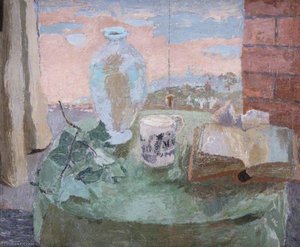
The Window, Chiswick


Discover 'The Window, Chiswick' by Mary Potter (1929). A serene modernist still life through a window, featuring muted tones & geometric forms. Explore this OBE-winning artist’s evocative landscapes.
Explore Mary Potter’s subtle, luminous paintings of landscapes & portraits. OBE-winning artist known for evocative color palettes & capturing fleeting moments.
 სრული ტექსტის ნახვა
ამ გვერდზე წარმოდგენილი ნამუშევარი დაცულია საავტორო უფლების შესახებ კანონმდებლობით, რაც იმას ნიშნავს, რომ ჩვენ არ გვაქვს მისი იდენტური რეპროდუქციის შექმნის ან გაყიდვის სამართლებრივი უფლება. აღნიშნული დაცვა უზრუნველყოფილია ისეთი საერთაშორისო შეთანხმებებით, როგორიცაა ბერნის კონვენცია და ეროვნული კანონმდებლობით, მათ შორის იმ კანონებით, რომლებიც დეტალურად არის გაწერილი აშშ-ის საავტორო უფლების შესახებ კანონი - თავი 17.
როგორც პატივისცემით სავსე და კანონიერი ალტერნატივა, ჩვენ გთავაზობთ ორიგინალით შთაგონებულ, ინდივიდუალურ, ხელით შესრულებულ ნამუშევრებს. ჩვენი ოსტატ და პროფესიონალი ხელოვანები საგულდაგულოდ სწავლობენ ორიგინალის სტილს, განწყობასა და მხატვრულ არსს, რათა შექმნან ახალი, უნიკალური ნამუშევარი, რომელიც იგივე ემოციას აღძრავს და, ამავდროულად, თავად წარმოადგენს დამოუკიდებელ, ორიგინალურ შემოქმედებას.
ეს მეთოდი სრულად შეესაბამება საავტორო უფლებების რეგულაციებს, რადგან ის არ გულისხმობს დაცული ნამუშევრის კოპირებას ან დუბლირებას. ამგვარად, ეს წარმოადგენს შემოქმედებით რეინტერპრეტაციას — ახალ ნახატს, რომელიც შთაგონებითაა განპირობებული ორიგინალით, თუმცა არ არის მის იდენტურ ასლს.
ხელით შესრულებული ზეთის საღებავით რეპროდუქცია
ტილოზე შესრულებული ფერწერიანი ზეთប្រდათი, თქვენთვის სასურველი ზომისა და ჩარჩოსთვის, ჩვენი ხელოვანების მიერ შეკვეთის საფუძველზე დამზადებული. ( გადართვა ბეჭდვის რეჟიმზე გადასვლა ციფრულ გამოსახულებაზე)




































სტანდარტული ზომა
ინდივიდუალური ზომა
CM
INCH
აირჩიეთ ჩვენს მიერ წინასწარ განსაზღვრული ზომებიდან, რომლებიც ნაწარმოების ორიგინალურ პროპორციებს შეესაბამება.
Loading sizes...

სიგანე
სიმაღლე
შეიყვანეთ თქვენთვის საჭირო სიგანე და სიმაღლე, რათა ნახატი მოერგოს თქვენს ჩარჩოს ან კედელს. ვინაიდან ეს ნამუშევარი ხელით არის შესრულებული, სხვა ფორმის ზომის შემთხვევაში, მხატვარმა შესაძლოა სურათის გარშემო ოდნავ მეტი დატოვოს ან შეამციროს — არჩევანი თქვენზეა. დაწყებამდე, დასამტკიცებლად, ჩვენ გამოგიგზავნით ციფრულ მაკეტს. ამ გვერდზე ნაჩვენები სურათი არ ასახავს რეალურ შედეგს — რეალური სახე მხოლოდ მაკეტზე ჩანს.
რა შეიძლება შეიცვალოს: სახის ჩანაცვლება მომხმარებლის ფოტოთი; შინაური ცხოველის დამატება (მაგ., კატის ჩანაცვლება ძაღლით); ფონზე ფარული შეტყობინების დამატება; ფონის პეიზაჟის ან ელემენტების შეცვლა.
შეკვეთის შემდეგ, TopImpressionists.com გუნდი დაგიკავშირდებათ ელექტრონული ფოსტით ინსტრუქციებისთვის და გამოგიგზავნით წინასწარ ნახაზს (mockup).
შეკვეთის შემდეგ, TopImpressionists.com გუნდი დაგიკავშირდებათ ელექტრონული ფოსტით ინსტრუქციებისთვის და გამოგიგზავნით წინასწარ ნახაზს (mockup).
მიწოდება მსოფლიო მასშტაბით -ში 3/4 კვირაში, სტანდარტული 5 კვირის ნაცვლად. (21 ოქტომბერი). ხარისხზე კომპრომისის გაკეთება არ მოხდება.

უფასო ექსპრეს მიწოდება მთელ მსოფლიოში

მაღალი ხარისხის ტილო

ტრანსპორტირების სრული დაზღვევა

საბაჟო გადასახადების დაბრუნების გარანტია

ფერების სრული შესაბამისობის გარანტია

დაბრუნების 100-დღიანი პერიოდი (მხოლოდ წარმოების დეფექტის შემთხვევაში)

100% თანხის სრული დაბრუნების გარანტია

ფასდაკლება დიდი რაოდენობით შეკვეთისას
 მინის ჩარჩოს არჩევანი ხელმისაწვდომია მხოლოდ 110 სმ-მდე ზომისთვის

The Window, Chiswick
რეპროდუქციის ტექნიკა
რეპროდუქციის ზომა
-


ჯამური ღირებულება
₾ 701



მხატვრის ბიოგრაფია
Mary Potter: A Subtle Master of Light and Landscape
Born Marian Anderson Attenborough in Beckenham, Kent, in 1900, Mary Potter’s life was one inextricably linked to the quiet beauty of the Suffolk countryside. Her early years were marked by a delicate health—a consequence of congenital heart and lung issues—which shaped her introspective nature and fostered a deep appreciation for stillness and observation. This sensitivity would become the cornerstone of her distinctive artistic style, characterized by a restrained palette, luminous colors, and an uncanny ability to capture fleeting moments of light and atmosphere.
Potter’s formal training began at the Beckenham School of Art and continued at the Slade School of Fine Art in London. There, she honed her skills under the tutelage of Henry Tonks, winning numerous prizes, including first place for portraiture. This early exposure to rigorous artistic principles laid the groundwork for her later development, but it was a conscious decision to move away from academic painting and embrace a more personal, expressive approach.
Early Career and Bohemian London
Potter’s career unfolded during a period of significant social and artistic change in early 20th-century England. She initially exhibited with groups like the New English Art Club and the London Group, engaging with the burgeoning avant-garde movement while maintaining her own distinct voice. Her early works often featured still lifes, portraits, and landscapes—a diverse range reflecting her broad interests. A pivotal period occurred during her time in Fitzrovia, a vibrant bohemian district of London, where she shared a studio space with fellow artists and experienced the energy of a creative community.
Her marriage to Stephen Potter in 1927 brought a new dimension to her life, providing companionship and mutual artistic support. However, their relationship eventually ended in divorce in 1955, an event that undoubtedly influenced her evolving artistic perspective. The move to Aldeburgh in 1951 proved transformative, offering the tranquility she needed to fully dedicate herself to her art.
The Development of a Unique Style
Potter’s distinctive style emerged gradually over several decades, rooted in a deep understanding of color and light. She eschewed bold brushstrokes and dramatic compositions, instead favoring a subtle, almost understated approach. A key element of her technique involved mixing paint with beeswax—a process that created a unique “chalky luminous quality,” as Kenneth Clark famously described it, resulting in paintings imbued with an ethereal glow. Her palette was consistently restrained, relying on pale, muted tones to evoke the atmosphere and mood of her subjects.
Her subject matter often centered around the landscapes of Suffolk—the rolling hills, windswept coastlines, and quiet meadows that surrounded her home. She also painted portraits, capturing the essence of her subjects with remarkable sensitivity and empathy. Potter’s work is not about literal representation; rather, it's an exploration of perception, memory, and emotion – a distillation of experience into evocative visual forms.
Recognition and Legacy
Despite initially working largely outside the mainstream art world, Mary Potter gained increasing recognition in the 1960s and 70s. Her work was exhibited at prestigious venues like the Tate Gallery and the Serpentine Gallery, and she received numerous awards, including an OBE in 1979 and the John Moores Prize in 1981. Her retrospective exhibitions—held in London and elsewhere—attracted critical acclaim and solidified her place as a significant figure in British art.
Mary Potter’s legacy extends beyond her individual paintings. Her quiet, contemplative approach to art offered a powerful counterpoint to the prevailing trends of the time, demonstrating that beauty could be found in subtlety and restraint. Her work continues to resonate with viewers today, offering a glimpse into a world of serene landscapes and intimate portraits—a testament to the enduring power of observation and artistic sensitivity.
Key Characteristics of Potter’s Art
- Restrained Palette:** Primarily utilizing pale, muted colors – blues, greens, browns, greys - creating a sense of tranquility and atmosphere.
- Luminous Quality:* The beeswax technique imparted a unique glow to her paintings, enhancing their ethereal quality.
- Emphasis on Atmosphere:** Potter prioritized capturing the mood and feeling of a scene over precise detail or realistic representation.
- Subtle Composition:* Her compositions were often simple and understated, allowing the colors and light to take center stage.
- Subject Matter:* Frequently depicted landscapes of Suffolk, as well as intimate portraits reflecting her personal observations.

Mary Potter
1900 - 1981
მოკლე ფაქტები
- Full Name: Mary Potter (painter)
- Nationality: English
- Date Of Birth: 1900
- Date Of Death: 1981
- Place Of Birth: Beckenham, Kent, UK
- Notable Artworks:
- Brighton Beach
- Regent's Park
- Joyce Grenfell
- Artistic Movement Or Style: Subtle color landscapes/portraits
- Artists Who Influenced This Artist: ['Henry Tonks']
- Artists Or Movements Influenced By This Artist: ['Victor Pasmore']
მსგავსი სტატიები
Sun-Drenched Citrus: The Vibrant Beauty of Oranges in Impressionist Masterpieces
Embark on a sensory journey through Impressionist masterpieces. Discover how Renoir and Cézanne captured the vibrant light and luscious textures of sun-drenched oranges in exquisite still life paintings designed to inspire and transform your home.