

Shown: · With its frame:
 ნახვა ინტერьерში
 გაგზავნა
 გაზიარება
 დეტალები
 გზამკვლევი

 ჩამოტვირთვა
 მსგავსები
 რენტგენოგრაფიული კვლევა
 სლაიდშოუ
 Q&A
Q&A სტატისტიკა
- 316.0 x 215.0 cm


₾ 699
ხელით შესრულებული ზეთის საღებავით რეპროდუქცია
ტილოზე შესრულებული ფერწერიანი ზეთប្រდათი, თქვენთვის სასურველი ზომისა და ჩარჩოსთვის, ჩვენი ხელოვანების მიერ შეკვეთის საფუძველზე დამზადებული. ( გადართვა ბეჭდვის რეჟიმზე გადასვლა ციფრულ გამოსახულებაზე)
Size
·სტანდარტული ზომა
ინდივიდუალური ზომა
CM
INCH
აირჩიეთ ჩვენს მიერ წინასწარ განსაზღვრული ზომებიდან, რომლებიც ნაწარმოების ორიგინალურ პროპორციებს შეესაბამება.
Loading sizes...

სიგანე
სიმაღლე
შეიყვანეთ თქვენთვის საჭირო სიგანე და სიმაღლე, რათა ნახატი მოერგოს თქვენს ჩარჩოს ან კედელს. ვინაიდან ეს ნამუშევარი ხელით არის შესრულებული, სხვა ფორმის ზომის შემთხვევაში, მხატვარმა შესაძლოა სურათის გარშემო ოდნავ მეტი დატოვოს ან შეამციროს — არჩევანი თქვენზეა. დაწყებამდე, დასამტკიცებლად, ჩვენ გამოგიგზავნით ციფრულ მაკეტს. ამ გვერდზე ნაჩვენები სურათი არ ასახავს რეალურ შედეგს — რეალური სახე მხოლოდ მაკეტზე ჩანს.
 გაეცანით მეტს
Finish
·
White ₾1

Blurside ₾1

Extended ₾1

P118B ₾10

P118H ₾10

P118W ₾10

P438Z ₾10

P508JH ₾12

P508YH ₾12

P805H ₾10

P805Z ₾10

P919BZ ₾10

P919G ₾10

P919XJ ₾10

P959ZH ₾10

P968JZ ₾12

W106C ₾8

W218G ₾10

W218JH ₾8

W218Y ₾10

W307PJ ₾10

W316G ₾10

W316PJ ₾8

W316Y ₾10

W398PJ ₾8

W4111J ₾10

W500HY ₾15

W500JH ₾15

W692G ₾12

W849H ₾8

W940BG ₾15

W953PJ ₾8

H24-GOLD ₾30

H24-SILVER ₾30

H36-GOLD ₾45

H36-SILVER ₾45
Shipped in a protective tube, ready for your own framer.
Above 105 cm the frame is shipped as a kit for a professional framer — read the details.
Extras
optionalWhat do the extras include?
Examples of what can be changed: Replace face with customer photo; Add pet (e.g., replace cat with dog); Include hidden message in background; Change background landscape or elements.
After order, TopImpressionists.com team will email client for instructions and provide a mockup preview
After order, TopImpressionists.com team will email client for instructions and provide a mockup preview
მიწოდება მსოფლიო მასშტაბით -ში 3/4 კვირაში, სტანდარტული 5 კვირის ნაცვლად. (3 ნოემბერი). ხარისხზე კომპრომისის გაკეთება არ მოხდება.
დამცავი ლაქი
სახელოვანი ფირფიტა
დაკვეთილი ბრინჯაოს ფირფიტის დეტალები
This elegant plaque features the artist's name and the title of the artwork, finely engraved for a timeless presentation.
It is made from bronze with a refined, elegant finish. The text is precisely laser-engraved for a sharp and permanent result. Measuring 9x2 cm, the plaque is compact yet easy to read. It's built to be durable and scratch-resistant, offering a professional, museum-quality look. Mounting is simple thanks to the included adhesive backing.
აკრილის გამჭვირვალე ფირფიტის დეტალები
The plaque includes essential engraved details such as the artist's name, the title of the artwork, the date it was created, the type of media used-like oil on canvas or watercolor-a brief description of the piece, and a QR code that links to the complete artwork information.
It is crafted from clear acrylic, offering a sleek, modern appearance. The text is UV-engraved in black to ensure strong visual contrast. With a size of 10x15 cm, it ensures optimal readability. It comes equipped with two metal hooks for secure wall mounting. The plaque is designed to be weather-resistant, making it suitable for various environments, and it includes interactive features that work seamlessly with smartphone scanning.
შავი აკრილის ფირფიტის დეტალები
This elegant plaque includes engraved information such as the artist's name, the title of the artwork, the date it was created, the type of media used (like oil on canvas or watercolor), a short description of the artwork, and a QR code for quick access to more information.
The plaque itself is made from refined black acrylic with a premium finish. The text is laser-engraved in white for high contrast and readability. Its size is 10x15 cm, designed to be easy to read. It comes with two metal hooks for professional mounting. The design is sleek and fits any interior style. It is also weather-resistant and durable, with built-in digital integration for mobile compatibility.
მინის ჩარჩოს არჩევანი ხელმისაწვდომია მხოლოდ 110 სმ-მდე ზომისთვის
 მინის ჩარჩოს არჩევანი ხელმისაწვდომია მხოლოდ 110 სმ-მდე ზომისთვის
- უფასო ექსპრეს მიწოდება მთელ მსოფლიოში
- მაღალი ხარისხის ტილო
- ტრანსპორტირების სრული დაზღვევა
- საბაჟო გადასახადების დაბრუნების გარანტია
- ფერების სრული შესაბამისობის გარანტია
- დაბრუნების 100-დღიანი პერიოდი (მხოლოდ წარმოების დეფექტის შემთხვევაში)
- 100% თანხის სრული დაბრუნების გარანტია
- ფასდაკლება დიდი რაოდენობით შეკვეთისას


კოლექციონირებადი ნივთის აღწერა
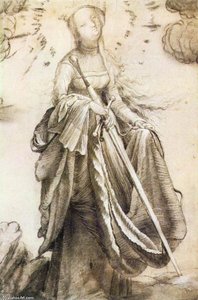
Admire Matthias Grünewald's 'St Catherine,' a captivating chalk drawing from 1520. Explore the Northern Renaissance master’s unique style, featuring a serene saint and symbolic details – available as a hand-painted replica.
მხატვრის ბიოგრაფია
აღმოაჩინეთ მათიას გრუნევალდის დრამატული გერმანული რენესანსის ხელოვნება! ცნობილია აიზენჰიმის ალტარით და ემოციური რელიგიური ფერადაბით. აღმოაჩინეთ მისი უნიკალური სტილი TopImpressionists-ზე.
About the painting
The Enigmatic Saint: Matthias Grünewald’s St Catherine
Matthias Grünewald's 1520 chalk drawing, “St Catherine,” is more than just a portrait; it’s a profound meditation on faith, scholarship, and the enduring power of medieval symbolism. This remarkable work, currently residing in the Staatliche Museen zu Berlin, offers a captivating glimpse into the artist’s unique vision – a synthesis of late Gothic sensibilities with nascent Renaissance influences. Grünewald, a pivotal figure in German art, deliberately eschewed the prevailing Italian humanist trends, instead drawing deeply from the rich traditions of Central European religious painting, resulting in an intensely personal and emotionally resonant style.
The image depicts St Catherine from the waist up, her head tilted slightly downwards as if lost in contemplation. Her posture exudes a quiet dignity, while the subtle turn of her neck invites us into her inner world. She’s dressed in a gown with voluminous sleeves – a detail that speaks to both the formality of her status and the luxurious fabrics favored by wealthy patrons during the period. Crucially, she holds two objects: an open book or manuscript, symbolizing her role as a learned scholar, and a sword raised upright, representing her martyrdom and unwavering faith. These symbols aren’t merely decorative; they are potent visual statements about Catherine's life and devotion.
A Study in Northern Renaissance Technique
Grünewald’s masterful technique is immediately apparent. The drawing is executed with exquisite detail using chalk on paper, a medium that allowed for the delicate shading and fine lines characteristic of his work. Notice the subtle gradations of tone – the way light catches on her dress, the modeling of her face, and the atmospheric haze in the background. This meticulous attention to texture and form creates a remarkable sense of depth and realism, despite the relatively small scale of the piece. The artist’s use of chalk also lends a slightly ethereal quality to the image, contributing to its contemplative mood.
Furthermore, Grünewald's style deviates significantly from the prevailing Renaissance aesthetic. Unlike the idealized figures favored by artists like Albrecht Dürer, Catherine is rendered with a certain distortion – her proportions aren’t perfectly symmetrical, and her features possess an expressive intensity. This deliberate departure from classical ideals reflects Grünewald’s commitment to conveying emotional truth rather than purely visual accuracy. The background, deliberately minimalistic, consists of only a few suggestive lines—perhaps hinting at a cloudy sky or an abstract representation of the heavens – further emphasizing the saint's presence and drawing our focus entirely onto her.
Historical Context and Symbolic Resonance
Created in 1520, “St Catherine” exists within a fascinating transitional period in art history. Grünewald was working at a time when the influence of Italian Renaissance humanism was beginning to spread across Europe, yet he remained firmly rooted in the traditions of late medieval Central European painting. The saint herself holds significant religious importance – she is venerated as a martyr and patron saint of scholars, librarians, and translators. Her story, recounted in early Christian hagiographies, details her conversion after being saved from execution by St Peter, who recognized her divine calling.
Interestingly, the figure of Catherine has been associated with intellectual pursuits for centuries. Her association with learning stems from her devotion to scripture and her role as a translator of the Bible. The book she holds in the drawing symbolizes this scholarly dedication, while the sword represents her willingness to defend her faith against persecution. The combination of these symbols creates a powerful image of a woman who embodies both spiritual strength and intellectual prowess.
A Legacy of Emotion and Innovation
“St Catherine” is a testament to Matthias Grünewald’s artistic genius – a work that seamlessly blends technical skill with profound emotional depth. It's a poignant reminder of the artist’s ability to capture not just the likeness of his subject, but also her inner world. The drawing’s enduring appeal lies in its ability to evoke a sense of quiet contemplation and spiritual yearning. As a significant example of Northern Renaissance art, it continues to inspire artists and scholars alike, offering a valuable window into the artistic and intellectual landscape of 16th-century Germany.
კითხვები და პასუხები
რა ორიენტაცია აქვს მათიას გრუნევალდი-ის „St Catherine“-ს?
„St Catherine“-ის ფორმატი არის Portrait. ეს სასარგებლოა რეკრედუქციის განთავსების ადგილის დაგეგმვისას.
რომელი მუზეუმი ინახავს ორიგინალ "St Catherine"-ს?
ორიგინალი „St Catherine“ შეგიძლიათ ნახოთ Staatliche Museen, Berlin, Germany-ში.
რა მასალისგან არის შექმნილი "St Catherine"?
მათიას გრუნევალდი-მა „St Catherine“-ის შესაქმნელად Chalk ტექნიკა გამოიყენა. აღნიშნული ტექნიკა განსაზღვრავს ორიგინალი ნამუშევრის მასალურ ბუნებას.
Quick facts and art quiz
About მათიას გრუნევალდი

მათიას გრუნევალდი
1480 - 1528, გერმანია
მხატვრის ბიოგრაფია
მათიას გრუნევალდი: სიცოცხლე და მემკვიდრეობა
ადრეული წლები და სახელოვნებო დასაწყისი
მათიას გრუნევალდი, რომელიც დაიბადა მათის გოთარტ ნეიჰარდტად დაახლოებით 1470-1475 წლებში გერმანიის ქალაქ ვურცბურგში, გერმანული რენესანსის საკვანდავი ფიგურა იყო. მიუხედავად იმისა, რომ ის იმ ეპოქაში ცხოვრობდა, რომელზეც სულ უფრო მეტად იტალიური რენესანსის იდეალები ახდენდა გავლენას, გრუნევალდი ღრმად იყო ფესვგადგმული შუა საუკუნეების მიწევნილ ცენტრალური ევროპის სახელოვნებო ტრადიციებში. მისი ადრეული ცხოვრების შესახებ დეტალები მწირია, თუმცა ცნობილია, რომ მან მხატვრობის საფუძვლები, სავარაუდოდ, ადგილობრივ სახელოსნოებში შეიძინა.
სახელოვნებო განვითარება და გავლენები
გრუნევალდის შემოქმედებითი გზა ჩამოყალიბდა ჩრდილოეთ ევროპული რეალიზმის, ემოციური ინტენსივობისა და დეტალური დაკვირვების ტრადიციებით. მის ნამუშევრებში იგრძნობა ისეთი ოსტატების გავლენა, როგორებიც იყვნენ ალბრეხტ დიურერი და მარტინ შონგაუერი, თუმცა მან შეძლო საკუთარი, უნიკალური გზის გაკვეთა, რომელიც დრამატული გამომეტყველებითა და მკვეთრი ფერებით ხასიათდება. იგი პირდაპირ არ იყო ჩართული იტალიაში გავრცელებულ ჰუმანისტურ წრეებში; პირიქით, მისი ხელოვნება ძირითადად რელიგიურ მიზნებს ემსახურებოდა და ასახავდა იმ დროის სულიერ შფოთვას.
მთავარი ნამუშევრები და სახელოვნებო სტილი
- იზენჰაიმის ალტარტერი (1512-1516): ეს შედევრული ნამუშევარი, რომელიც კოლმარში, მუზეუმ დე Unterlinden-ში ინახება, გრუნევალდის მაგნუმ ოპუსად მიიჩნევა. იგი ქრისტეს ცხოვრების სცენებს შეძრწუნებელი რეალიზმით გვიხატავს, განსაკუთრებით კი ყურადღებას ამახვილებს ტანჯვასა და გამოსкуლზე.
- ჯვარცმა (დაახლ. 1502-1503): ადრეული ნამუშევარი, რომელიც წარმოაჩენს მის განვითარებად სტილს, მძაფრ ემოციასა და ანატომიურ სიზუსტეს.
- ქალწულის გამოცხადება (1512-14): იზენჰაიმის ალტარტერისთვის მომზადებული ეს ესკიზი გვიჩვენებს მის ზედმიწევნით დეტალურ დაგეგმვის პროცესს.
- მოსე (1511): ნახატი, რომელიც ხაზს უსვამს გრუნევალდის ნიჭს ექსპრესიული ფიგურებისა და დრამატული პოზების ასახვაში.
გრუნევალდის სტილი გამოირჩევა შემდეგი ელემენტებით:
- დრამატული კომპოზიცია: იგი იყენებდა დინამიკურ განლაგებებს ემოციური ზემოქმედების გასამკვდარად. ლიფერების მკვეთრი პალიტრა: ინტენსიური და ხშირად კონტრასტული ფერების გამოყენება ქმნიდა ძლიერ ვიზუალურ გამოცდილებას.
- ტანჯვის რეალისტური გამოსახვა: გრუნევალდი არ ერიდებოდა რელიგიურ ნარატივებთან დაკავშირებული ფიზიკური და ემოციური ტკივილის ჩვენებას.
- ექსპრესიული ფიგურები: მისი პერსონაჟები აღვსნილია მძაფრი ემოციებითა და ფსიქოლოგიური სიღრმით.
ისტორიული მნიშვნელობა და მემკვიდრეობა
გრუნევალდის შემოქმედება წარმოადგენს დასტს რენესანსის ეპოქაში გერმანიაში შუა საუკუნეების სახელოვნებო ტრადიციების უძლებელი ძალისა. მან შეძლო ხიდის აგება გვიან გოტიკურ სტილსა და აღმოცენებულ რენესანსს შორის, შექმნა უნიკალური ვიზუალური ენა, რომელიც მისი თანამედროვეებისთვისაც გასაგები იყო. მისი გავლენა იგრძნობა მოგვიანებით მოღწეულ გერმანელ მხატვრებში, რომლებიც აგრძელებდნენ რელიგიური სიმჭიდროვისა და ემოციური ინტენსივობის თემების კვლევას. მიუხედავად იმისა, რომ 1528 წელს გარდაცვალების შემდეგ საუკუნეების განმავლობაში მისი სახელი თითქმის დავიწყებული იყო, გრუნევალდმა მე-19 საუკუნეში აღორძინება განიცადა და დღეს იგი გერმანული რენესანსის ერთ-ერთ უმნიშვნელოვანეს ფერწერად არის აღიარებული. მისი ხელოვნება დღემდე აღაფრთოვანებს მაყურებელს თავისი პირველყოფილი ემოციით, ტექნიკური ბრწყინვალებითა და ღრმა სულიერი სიღრმით.
დამატებითი ინფორმაცია
აღმოაჩინეთ მეტი მათია გრუნევალდის ცხოვრებასა და შემოქმედებაზე: TopImpressionists
Quick facts about მათიას გრუნევალდი
- Birth Date: დაახლ. 1470–1475
- Birth Place: ვურცბურგი, გერმანია
- Death Date: 1528
- Influenced: არავინ
- Movement: გერმანული რენესანსი, გვიან შუა საუკუნეები
- Name: მათიას გრუნევალდი
- Nationality: გერმანელი
- Notable Works: აიზენჰიმის ალტარტერი, ჯვარცმა
აღმოაჩინეთ ხელოვნების ნაწარმოებები თემების, სტილისა და მახასიათებლების მიხედვით დაჯგუფებული.


მათიას გრუნევალდი
St Catherine
() ·
With its frame: · Hand-painted in oil on linen
Total