

წარმოდგენილია: · ჩარჩოსთან ერთად:
 წინასწარი ნახვა

 გაგზავნა
 გაზიარება
 დეტალები
 საინფორმაციო ფურცელი


 ჩამოტვირთვა
 მსგავსები
 რენტგენოგრაფიული კვლევა
 სლაიდშოუ
 კითხვა-პასუხი

 სტატისტიკა
Found (მაქს კლინგერი)


კანვასები და მხატვრული ბეჭდები ₾127-დან, ზომა 36 x 28 cm
ზეთწერილი ხელნაკეთი რეპროდუქცია ₾635-დან
- უფასო საერთაშორისო მიტანა 3-დან 4 კვირამდე
- დახვეული პრინტების მიტანის ვადა: 3-დან 4 კვირამდე
- 100-დღიანი დაბრუნების პერიოდი და თანხის უკან დაბრუნება
- ArtShopReviews.com-ზე 241 მომხმარებლის მიერ შეფასებული: 4.9/5
₾ 197
გიკლე / ხელოვნების პრინტი
მუზეუმის დონის ჟიკლე ან ტილოზე ბეჭდვა სწრაფი წარმოებისა და დასრულების მოქნილი ვარიანტებით. ( იმპრესioნისტული ზეთი ციფრული ასლი
)
ტექნიკა და მასალა
 გაიგეთ მეტი
ჩვენი ბიუჯეტური ვარიანტი: იგივე გამოსახულება, დაბეჭდილი 260 გ/მ² პოლიესტერის ტილოსგან ბამბის ნაცვლად; მოწოდება ხდება დახვეული სახით, ტუბოში, ჩვეულებრივი ფოსტით 3-დან 4 კვირამდე ვადში. მხოლოდ დახვეული სახით (ჩარჩოსა და ხსნელის გარეშე), წარმოების სასწრაფო ვადის გარეშე, ზომებისთვის, რომელთა ერთ-ერთი მხარის სიგრძე არის 80 სმ ან ნაკლები. დაახლოებით 30% ია cheaper, ვიდრე ბამბის ტილოს ბეჭდი.
ამ ზომისთვის ხელმიუწვდომელია: ერთ-ერთი მხარის სიგრძე უნდა იყოს 80 სმ ან ნაკლები.
მხოლოდ დახვეული: ამ ბეჭდვის ასარჩევად შეარჩიეთ ტუბში დახვეული ტილო.
ხელმისაწვდომია იმ ზომებისთვის, რომელთა ორივე მხარის სიგრძე 110 სმ ან ნაკლებია. უფრო დიდი ზომების შემთხვევაში, ბეჭდვა ხდება მოქნილ ბამბის ტილოსგან.
მქრალე არქივული ტილო ამ ზომისთვის ხელმიუწვდომელია: ორივე მხარის სიგრძე უნდა იყოს 110 სმ ან ნაკლები. ამის ნაცვლად, თქვენი ბეჭდვა შესრულდება მქრალე ბამბის ტილოზე.
მინის ჩარჩოს არჩევანი შესაძლებელია მხოლოდ 110 სმ-მდე ზომისთვის
ზომა
·აირჩიეთ ჩვენს მიერ წინასწარ განსაზღვრული ზომებიდან, რომლებიც ნაწარმოების ორიგინალურ პროპორციებს შეესაბამება.
ზომების გამოთვლა...

სიგანე
სიმაღლე
შეიყვანეთ თქვენთვის საჭირო სიგანე და სიმაღლე, რათა გამოსახულებამ თქვენს ჩარჩოს ან კედელს ზუსტად მოერგოს. ბეჭდვისას შესაძლებელია მხოლოდ მისი შემცირება და არა გაზრდა, ამიტომ სხვა ფორმის ზომის შემთხვევაში სურათი ნაწილობრივ იკარგება. სანამ რაიმეს დაბეჭდავთ, ჩვენ გამოგიგზავნით ციფრულ მაკეტს დასდასტურებლად. ამ გვერდზე ნაჩვენები სურათი არ ასახავს რეალურ ჭრას — ამას მხოლოდ მაკეტი გვიჩვენებს.
სტანდარტული
სასურველი ზომა
სმ
თითი
დასრულება
·
თეთრი კიდეები ₾1

ბუნდოვანი კიდეები ₾1

გაფართოებული კიდეები ₾1

P118B ₾10

P118H ₾10

P118W ₾10

P438Z ₾10

P508JH ₾12

P508YH ₾12

P805H ₾10

P805Z ₾10

P919BZ ₾10

P919G ₾10

P919XJ ₾10

P959ZH ₾10

P968JZ ₾12

W106C ₾8

W218G ₾10

W218JH ₾8

W218Y ₾10

W307PJ ₾10

W316G ₾10

W316PJ ₾8

W316Y ₾10

W398PJ ₾8

W4111J ₾10

W500HY ₾15

W500JH ₾15

W692G ₾12

W849H ₾8

W940BG ₾15

W953PJ ₾8
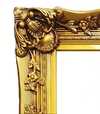
H24-GOLD ₾30
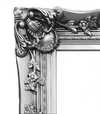
H24-SILVER ₾30
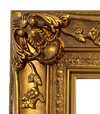
H36-GOLD ₾70
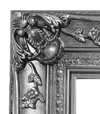
H36-SILVER ₾70
გაგზავნილია დამცავ ტუბში, რათა თქვენსთვის სასურველ ჩარჩოში მოთავსდეს.
დამატებითი სერვისები
არასავალდებულორა შედის დამატებით სერვისებში?
მიწოდება მთელ მსოფლიოში () 2 კვირაში, სტანდარტული 4/5 კვირის ნაცვლად. (24 დეკემბერი)
ეკონომიური პოლიკანვასის ბეჭდვის შემთხვევაში, რომელიც ჩვეულებრივი ფოსტით იგზავნება, სასწრაფო წარმოება და ექსპეს კურიერი ხელმიუწვდომელია.
დამცავი ლაქი
სახელოვანი ფირფიტა
ბრინჯაოს ამოკვეთილი ფირფიტის დეტალები
ამ ელეგანტურ დაფაზე გამოსახულია ხელოვანის სახელი და ნამუშევრის დასახელება, რომლებიც დახვეწილად არის ამოტაჭნული მარადივი წარდგენისთვის.
დამზადებულია ბრინჯისგან, დახვეწილი და ელეგანტური ზედაპირის დასრულებით. ტექსტი ზუსტად არის ულინოფილი ლაზერით, რაც უზრუნველყოფს მკვეთრ და მყარ შედეგს. 9x2 სმ ზომის დაფა კომპაქტურია და ამავდროულად ადვილად იკითხება. იგი არის გამძლე და ნაკაწრებისადმი მდგრადი, რაც უზრუნველყოფს პროფესიონალურ, მუზეუმის დონის იერსახეს. მონტაჟი მარტივია თანდართული სტიკერული საფარის წყალობით.
აკრილის გამჭვირვალე ფირფიტის დეტალები
ცხელი დატვირთვაში შედის ისეთი მნიშვნელოვანი დეტალები, როგორიცაა ხელოვანის სახელი, ნამუშწარების დასახელება, მისი შექმნის თარიღი, გამოყენებული მასალის ტიპი (მაგალითად, ზეთი ტილოზე ან აკვარელი), ნამუშწარების მოკლე აღწერა და QR კოდი, რომელიც გადაგიყვანთ ნამუშწარების სრულ ინფორმაციაზე.
ის დამზადებულია გამჭვირვალე აკრილით, რაც მას დახვეწილ და თანამედროვე იერს სძენს. მკვეთრი ვიზუალური კონტრასტისთვის ტექსტი შესრულებულია შავი ფერის UV-გრავირებით. 10x15 სმ ზომა ოპტიმალურ წაკითხვადობას უზრუნველყოფს. კედელზე საიმედოდ დასამაგრებლად მას მოყვება ორი მეტალის საკიდი. ფირფიტა მდგრადია გარემო პირობების მიმართ, რაც მას სხვადასხვა სივრცეში გამოყენებას უკეთებს და მოიცავს ინტერაქციულ ფუნქციებს, რომლებიც სმარტფონით სკანირებისას შეუფერხებლად მუშაობს.
შავი აკრილის ფირფიტის დეტალები
ამ ელეგანტურ დაფაზე გამოსახულია ისეთი ინფორმაცია, როგორიცაა ხელოვანის სახელი, ნამუშწარების დასახელება, მისი შექმნის თარიღი, გამოყენებული მასალის ტიპი (მაგალითად, ზეთი ტილდზე ან აკვარელი), ნამუშწარების მოკლე აღწერა და QR კოდი დამატებითი ინფორმაციის სწრაფი მისაღებად.
ტაბლიჩური დამზადებულია დახვეწილი შავი აკრილით პრემიუმ ზედაპირით. მაღალი კონტრასტისა და კითხვადობისთვის ტექსტი თეთრი ფერით არის ლაზერულად გრავირებული. მისი ზომაა 10x15 სმ, რაც უზრუნველყოფს ტექსტის მარტივ აღქმას. კომპლექტში მოყვება ორი მეტალის საკიდი პროფესიონალური მონტაჟისთვის. დახვეწილი დიზაინი ნებისმიერ ინტერიერს მოუხდება. იგი ასევე მდგრადია ამინდის პირობების მიმართ, გამძლეა და აქვს ჩაშენებული ციფრული ინტეგრაცია მობილური თავსებადობისთვის.
მინის ჩარჩოს არჩევანი შესაძლებელია მხოლოდ 110 სმ-მდე ზომისთვის
 მინის ჩარჩოს არჩევანი შესაძლებელია მხოლოდ 110 სმ-მდე ზომისთვის
- უფასო საერთაშორისო მიტანა 3-დან 4 კვირამდე
- მაღალი ხარისხის ტილოს ქსოვილი
- ტრანსპორტირების სრული დაზღვევა
- საბაჟო გადასახადების დაბრუნების გარანტია
- ფერების სრული შესაბამისობის გარანტია
- 100-დღიანი დაბრუნების პერიოდი და თანხის უკან დაბრუნება
- 100% თანხის სრული დაბრუნების გარანტია
- ფასდაკლება დიდი რაოდენობით შეკვეთისას


Found: მაქს კლინგერი და Symbolism ეპოქა
Two figures kneel in despair beneath a suspended form in this dramatic monochromatic etching filled with dense, swirling cross-hatching.
მაქს კლინგერი: ბიოგრაფია
მისი „დაკარგული ხელთოეთის“ პარაფრაზა სიზმრით იყო შთაგონებული: დააკვირდით, როგორ ჩნდება ხელთოეთი თითოეულ პლატეზე.
ნამუშევრის შესახებ
The Artwork Found by Max Klinger
In the quiet tension of Found, the viewer encounters a scene of profound emotional distress. Max Klinger, born in 1857 in Leipzig, Germany, presents a vision that feels caught in a moment of sudden, sharp anguish. The composition draws the eye upward through a pyramidal arrangement, where two figures kneel in supplication at the base. Above them, a third figure remains suspended on a rigid rectangular plane, creating a sense of unsettling verticality. The atmosphere is heavy with a feeling of helplessness, as if the figures are trapped within a swirling chaos of lines that refuse to settle.
The imagery suggests a narrative of torment or judgment, though the exact nature of the suffering remains a mystery. Shadows and highlights dance across the forms, emphasizing the intensity of the facial expressions and the physical strain of the subjects. There is a palpable sense of unease in the way the figures interact with the space around them. The scene does not offer the comfort of a clear light source, leaving the viewer to navigate the deep shadows and the turbulent, textured background that seems to pulse with internal turmoil.
Composition and Visual Elements
A heavy, pyramidal structure dictates the movement of the scene, pulling the eye upward through a tense arrangement of forms. At the base, two figures kneel in a state of supplication, their bodies anchoring the bottom of the triangle. Above them, a third figure remains suspended on a rigid, rectangular plane, creating a jarring contrast between the organic curves of the human forms and the unyielding geometry of the platform. This vertical tension holds the viewer in a state of suspended animation, caught between the grounded suffering below and the hovering presence above.
The background refuses to remain still. Dense, swirling lines churn through the space, suggesting a world in a state of constant, chaotic turmoil. These lines wrap around the figures, blurring the distinction between the subjects and the atmosphere surrounding them. Light and shadow dance unevenly across the scene, with deep, heavy blacks clashing against pale highlights to emphasize the emotional weight of the figures. The perspective feels strangely flattened, yet the layering of these dark, textured shapes creates a sense of depth that pulls the viewer into the center of the struggle.
Technique and Artistic Materials
The scene emerges from a monochromatic world, where every shadow and highlight relies on a careful dance of gray tones. This is the result of a meticulous printmaking process, likely an etching or an engraving. One can almost feel the physical resistance of the metal plate as the artist uses sharp etching needles to incise deep, deliberate lines into the surface. These marks do not merely outline forms; they build a dense, textured landscape through heavy cross-hatching that catches the light and holds the darkness in place.
The materials used in this creation speak to a tactile, hands-on labor. A metal plate, perhaps zinc or copper, receives the initial wounding of the needle, creating the channels that will eventually hold the ink. Once the incised lines are ready, ink is pressed into these grooves, transferring the soul of the plate onto paper. This method allows for a staggering level of detail, where the swirling, chaotic lines of the background and the sharp, angular contours of the figures emerge from the interplay of ink and fiber.
Style and Artistic Movement
The work breathes with the heavy, restless energy of late 19th-century Expressionism. Every line seems to vibrate with an internal tension, pushing beyond mere representation to capture a raw, psychological state. This approach finds a striking kinship with the visual language of Edvard Munch, where the external world bends and twists to mirror the turbulence of the human spirit. The figures do not simply exist in space; they appear caught in a moment of profound emotional upheaval, their forms shaped by the weight of what they feel rather than the strict rules of anatomy.
At its core, the piece is deeply rooted in the Symbolist movement. It moves away from the literalism of the natural world to explore the shadowy, subjective realms of the subconscious. Rather than depicting a clear, objective reality, the imagery functions through a language of signs and metaphors that point toward deeper, unseen truths. The atmosphere is thick with the sense of a dream or a nightmare, where the boundaries between the physical self and the internal psyche begin to dissolve into a swirl of dark, textured lines.
Emotional and Symbolic Themes
Anguish and fear pulse through the scene, casting a heavy shadow over the figures. A profound sense of desperation grips the viewer as the subject matter unfolds, depicting a moment of intense emotional distress and torment. The two kneeling figures at the base of the composition seem trapped in a state of supplication, their bodies conveying a deep-seated helplessness. Above them, a third figure remains suspended on a rigid rectangular plane, watching the suffering below. This triangular arrangement creates a palpable tension, suggesting a heavy power dynamic or the weight of an inevitable judgment.
Chaos swirls in the background, where dense, agitated lines churn like a storm. These movements suggest a state of inner turmoil or perhaps the presence of overwhelming external forces acting upon the souls depicted. The darkness and light do not merely define form; they heighten the psychological weight of the moment. Every line contributes to an atmosphere of unease, as if the very air around the figures is thick with their collective despair. The struggle feels immediate, caught in a perpetual state of spiritual or emotional crisis.
Related Works by Max Klinger
The shadows of the artist's imagination stretch into other graphic cycles, where the boundaries between reality and the subconscious continue to blur. In the series Paraphrase on the Finding of a Glove, a single lost object transforms into a potent fetish, triggering a sequence of dreamlike visions and unsettling encounters. This narrative exploration of desire and loss finds a musical counterpart in the Brahms Fantasies from 1894, where the artist translates the spirit of composition into visual form. These works reveal a mind preoccupied with the hidden currents of human longing and the irrational forces that govern our inner lives.
Other explorations move through the realms of myth and movement. The artist's hand traces the tension found in The Rape of Prometheus and the rhythmic energy of Preparation for the dance. Each piece acts as a window into a world where the physical and the psychological are inseparable. Whether through the meticulous lines of an etching or the heavy presence of a sculpture, the artist's vision remains fixed on the tension between the seen world and the unseen impulses that drive it.
კითხვები და პასუხები
Found-ის ეს რეპროდუქცია ხელით არის დახატული თუ დაბეჭდილი?
ბეჭდვა: Found წარმოდგენილია როგორც giclée ბეჭდვა ბამბის ტილოსგან ან Epson-ის არქივულ ტილოსებრ ქაღალდზე.
რა ზომა უნდა ავირჩიო Found-ისთვის?
ზომები მერყეობს 36.3 x 27.5 cm (₾127)-დან 248.4 x 188.4 cm (₾1150)-მდე; ამ გვერდზე მოცემულ ცხოვრილში ასახულია ძირითადი ეტაპები და მათი ფასები.
რამდენ დროს სჭირდება მიტანა?
ტუბუსში დახვეული პრინტი იგზავნება უფასოდ ჩვეულებრივი ფოსტით და ჩ arrives 3-4 კვირაში; დაჭიმული ან ჩარჩოში ჩასმელი პრინტის მიწოდებას 4-5 კვირა სჭირდება. ექსპრეს კურიერის მომსახურება ხელმისაწვდომია მხოლოდ ამ გვერდზე შეთავაზებული ფასიანი „ექსპრეს მიწოდების“ ოფციით. თქვენ შეგიძლიათ დააბრუნოთ ნივთი 100 დღის განმავლობაში ყოველგვარი პირობის გარეშე და სრულად დაიბრუნოთ თანხა.
რა ტექნიკას/მასალას იყენებს მაქს კლინგერი ნამუშწარეს Found შესრულებისას?
Etching
მოკლე ფაქტები და ხელოვნების ქვიზი
მაქს კლინგერი-ის შესახებ

მაქს კლინგერი
1857 - 1920, გერმანია
მაქს კლინგერი-ის შესახებ: ცხოვრება, შემოქმედება და ბიოგრაფია
მოკლე ფაქტები მაქს კლინგერი შესახებ
- Artistic Movement Or Style: სიმბოლიზმი
- Artists Or Movements Influenced By This Artist: ['Inspection Medical Hermeneutics']
- Artists Who Influenced This Artist:
- Menzel
- Goya
- Date Of Birth: 1857
- Date Of Death: 1920
- Full Name: Max Klinger
- Nationality: გერმანელი
- Notable Artworks (List Of Titles):
- Finding a Glove
- Beethoven sculpture
- Place Of Birth (City And Country): Leipzig, Germany
აღმოაჩინეთ ხელოვნების ნაწარმოებები თემების, სტილისა და მახასიათებლების მიხედვით დაჯგუფებული.


მაქს კლინგერი
Found
() ·
ჩარჩოსთან ერთად: ·
ჯამი