


 ნახვა ინტერьерში
 გაგზავნა
 გაზიარება
 დეტალები
 გზამკვლევი

 ჩამოტვირთვა
 მსგავსები
 რენტგენოგრაფიული კვლევა
 სლაიდშოუ
 Q&A
Q&A სტატისტიკა
Landscape
 Oil
Oil- WallArt
- Impressionism
 Modern
 40.0 x 43.0 cm
 Barjeel Art Foundation
A serene impressionist landscape by Lebanese pioneer Omar Onsi featuring a charming red-roofed house nestled among lush trees, offering a timeless piece of art history for your private collection.
 სრული ტექსტის ნახვა
Discover Omar Onsi (1901-1969), a Lebanese pioneer of modern Impressionism. Explore his vibrant landscapes, gazelle motifs & cultural heritage paintings that shaped Lebanon's art scene. #LebaneseArt #Impressionism #ModernPainting
ამ გვერდზე წარმოდგენილი ნამუშევარი დაცულია საავტორო უფლების შესახებ კანონმდებლობით, რაც იმას ნიშნავს, რომ ჩვენ არ გვაქვს მისი იდენტური რეპროდუქციის შექმნის ან გაყიდვის სამართლებრივი უფლება. აღნიშნული დაცვა უზრუნველყოფილია ისეთი საერთაშორისო შეთანხმებებით, როგორიცაა ბერნის კონვენცია და ეროვნული კანონმდებლობით, მათ შორის იმ კანონებით, რომლებიც დეტალურად არის გაწერილი აშშ-ის საავტორო უფლების შესახებ კანონი - თავი 17.
ეს მეთოდი სრულად შეესაბამება საავტორო უფლებების რეგულაციებს, რადგან ის არ გულისხმობს დაცული ნამუშევრის კოპირებას ან დუბლირებას. ამგვარად, ეს წარმოადგენს შემოქმედებით რეინტერპრეტაციას — ახალ ნახატს, რომელიც შთაგონებითაა განპირობებული ორიგინალით, თუმცა არ არის მის იდენტურ ასლს.
გიკლე / ხელოვნების პრინტი
მუზეუმის დონის ჟიკლე ან ტილოზე ბეჭდვა სწრაფი წარმოებისა და დასრულების მოქნილი ვარიანტებით. ( შეიძინეთ ხელით შესრულებული ნახატი გადასვლა ციფრულ გამოსახულებაზე)




P118B ₾10

P118H ₾10

P118W ₾10

P438Z ₾10

P508JH ₾12

P508YH ₾12

P805H ₾10

P805Z ₾10

P919BZ ₾10

P919G ₾10

P919XJ ₾10

P959ZH ₾10

P968JZ ₾12

W106C ₾8

W218G ₾10

W218JH ₾8

W218Y ₾10

W307PJ ₾10

W316G ₾10

W316PJ ₾8

W316Y ₾10

W398PJ ₾8

W4111J ₾10

W500HY ₾15

W500JH ₾15

W692G ₾12

W849H ₾8

W940BG ₾15

W953PJ ₾8




სტანდარტული ზომა
ინდივიდუალური ზომა
CM
INCH
აირჩიეთ ჩვენს მიერ წინასწარ განსაზღვრული ზომებიდან, რომლებიც ნაწარმოების ორიგინალურ პროპორციებს შეესაბამება.
Loading sizes...

სიგანე
სიმაღლე
შეიყვანეთ თქვენთვის საჭირო სიგანე და სიმაღლე, რათა იგი მოერგოს თქვენს ჩარჩოს ან კედელს. ბეჭდვისას შესაძლებელია მხოლოდ მისი შემცირება და არა გაზრდა, ამიტომ სხვა ფორმის ზომის შემთხვევაში გამოსახულება ნაწილობრივ იკარგება. სანამ რაიმეს დაბეჭდავთ, ჩვენ გამოგიგზავნით ციფრულ მაკეტს დასდასტურებლად. ამ გვერდზე ნაჩვენები სურათი არ ასახავს რეალურ ჭრას — ამას მხოლოდ მაკეტი გვიჩვენებს.
მიწოდება მთელ მსოფლიოში () 2 კვირაში, სტანდარტული 4/5 კვირის ნაცვლად. (30 ოქტომბერი)

უფასო ექსპრეს მიწოდება მთელ მსოფლიოში

მაღალი ხარისხის ტილო

ტრანსპორტირების სრული დაზღვევა

საბაჟო გადასახადების დაბრუნების გარანტია

ფერების სრული შესაბამისობის გარანტია

დაბრუნების 100-დღიანი პერიოდი (მხოლოდ წარმოების დეფექტის შემთხვევაში)

100% თანხის სრული დაბრუნების გარანტია

ფასდაკლება დიდი რაოდენობით შეკვეთისას
 მინის ჩარჩოს არჩევანი ხელმისაწვდომია მხოლოდ 110 სმ-მდე ზომისთვის

Landscape
გიკლე / ხელოვნების პრინტი
რეპროდუქციის ზომა
-


ჯამური ღირებულება
₾ 179
A Window into Lebanese Impressionism
In this evocative landscape by the Lebanese master Omar Onsi, the viewer is transported to a serene, pastoral corner of the Levant. The painting captures a moment of profound stillness, where a charming house with a striking red roof serves as the heart of the composition. Surrounded by a lush tapestry of trees, the architecture feels less like a man-made imposition and more like an organic extension of the earth itself. Onsi, a pioneer of modern Lebanese Impressionism, utilizes his brush to weave a narrative of domestic tranquility and rural charm, inviting us to step through the depicted doorways and into a world where time seems to slow down.
The technique employed here is a masterful display of light and texture, characteristic of Onsi’s training under the legendary Khalil Saleeby. Through delicate, rhythmic brushstrokes, the artist captures the interplay of sunlight filtering through foliage and the rugged permanence of stone structures. The composition is layered with architectural intrigue; the presence of multiple entrances—some leading into the warmth of a home, others out toward the wilder landscape—creates a sense of depth and movement. This layering of brick, stone, and greenery provides a tactile quality that makes the scene feel remarkably present, as if one could reach out and touch the sun-warmed walls.
The Soul of the Landscape
Beyond its mere depiction of a rural setting, this work carries a deep emotional resonance. There is a palpable sense of nostalgia embedded in the pigments, a longing for the simplicity of life found in the Lebanese countryside. The contrast between the vibrant red of the roof and the earthy tones of the stone walls symbolizes the harmony between human habitation and the natural world. For the collector or interior designer, this piece offers more than just decoration; it provides an emotional anchor. It is a painting that breathes life into a room, offering a contemplative escape from the frenetic pace of modern existence.
Integrating such a high-quality reproduction into a curated space allows for a sophisticated dialogue between history and contemporary design. Whether placed in a sunlit study or a grand living area, the artwork’s soft light and pastoral themes evoke a sense of peace and cultural richness. It serves as a testament to Onsi's ability to transform a simple landscape into a profound meditation on heritage, light, and the enduring beauty of the Lebanese spirit.
კითხვები და პასუხები
როგორ უკავშირდება „Landscape“-ის თემატიკა Omar Ansi-ისთვის დამახასიათებელ ტრადიციულ თემებს?
Omar Ansi-ის განმეორებადი თემები მოიცავს khalil saleeby's impressionism, lebanese landscape themes, modern lebanese art pioneer, vibrant color techniques-ს; „Landscape“ ფოკუსირებულია landscape, house, trees, rural scene, nature, architecture-ზე.
სად არის რეკომენდებული "Landscape"-ის განთავსება, მისი პალიტრის გათვალისწინებით?
Earthy პალიტრის წყალობით, Omar Ansi-ის „Landscape“ რეკომენდებულია Living Room-ისთვის. სწორედ ფერები განაპირობებს ამ რეკომენდაციას.
„Landscape“-ის ფერები მკვეთრია თუ რბილი?
Omar Ansi-ის „Landscape“-ში ფერებს აქვთ Balanced ინტენსივობა.
მსგავსი ნამუშევრები


მხატვრის ბიოგრაფია
The Painter of Light and Levant: The Life of Omar Onsi
To gaze upon the works of Omar Onsi is to witness the very breath of the Levant captured in pigment. Born in 1901 in the Tallet el Khayat neighborhood of Beirut, Onsi emerged from a lineage of profound cultural depth; his father, Dr. Abd al-Rahman El Ounsi, was a man of science and art, while his grandfather was a celebrated poet. This unique heritage provided the foundation for an artist who would eventually bridge the gap between Western Impressionist techniques and the soulful, sun-drenched reality of the Middle East. Though he initially pursued the rigorous path of medicine at the Syrian Protestant College—now the American University of Beirut—it was his talent for illustration that caught the eye of the legendary Khalil Saleeby. This encounter changed the trajectory of Lebanese art forever, as Onsi abandoned the stethoscope for the brush, trading clinical observation for the poetic study of light and atmosphere.
Onsi’s artistic evolution was a journey across landscapes that shaped his visual vocabulary. In the early 1920s, a pivotal expedition to Amman, Jordan, introduced him to the stark, spiritual majesty of the desert. Serving as an instructor to the children of King Abdullah I, Onsi found himself mesmerized by the profound contrasts of the Jordanian terrain—the searing heat of the sand, the deep shadows of the dunes, and the eternal, piercing blue of the desert sky. During this period, he acted not merely as a painter but as an ethnographer, documenting the customs and lives of Bedouin communities with a precision that honored their dignity. This era instilled in him a sense of realist naturalism, a style where the artist’s ego recedes to allow the true essence of the subject to emerge through translucent watercolors and evocative oils.
A Parisian Education and the Return to Beirut
The pursuit of mastery eventually led Onsi to the heart of the art world: Paris. Enrolling at the Académie Julian in 1927, he immersed himself in the traditions of the École de Barbizon and the Fontainebleau movements. In the studios of France, he refined his ability to capture the ephemeral qualities of light, learning to treat landscapes not as static objects but as living, breathing atmospheres. It was during these formative European years that he met and married Emma Morand, a union that would see them return together to Beirut in 1930. This homecoming marked a significant chapter in his career, as he turned his gaze toward the changing face of his beloved city and the rugged beauty of the Lebanese mountains.
Upon his return, Onsi became a central figure in the burgeoning Lebanese art scene. His work began to document a nation in transition, from the quiet, stone-walled villages of the mountains to the developing urban fringes of Beirut, where date palms and cactus plants still lined the seaside. He possessed a rare gift for socially progressive art, creating a national repertoire that celebrated local ethnicities and customs while maintaining a sophisticated, cosmopolitan aesthetic. His ability to paint both the grand scale of a landscape and the intimate detail of a portrait allowed him to become a chronicler of Lebanese identity, making his work deeply resonant with the spirit of a developing nation.
Legacy and Artistic Significance
The historical significance of Omar Onsi extends far beyond the canvas. He was not merely a solitary creator but a foundational architect of Lebanon's cultural institutions. His commitment to the arts was evidenced by his role as a co-founder of the Lebanese Association of Painters and Sculptors in 1957 and his service on the board of the prestigious Sursock Museum upon its opening in 1960. Through these efforts, he helped cultivate a domestic aesthetic that could stand alongside international movements while remaining fiercely rooted in local heritage.
Today, Onsi’s oeuvre remains a cornerstone of Middle Eastern modernism. His paintings are celebrated for several key characteristics:
- Mastery of Light: An unparalleled ability to use watercolor and oil to replicate the specific luminosity of the Mediterranean and desert sun.
- Cultural Documentation: A profound ethnographic contribution through his depictions of Bedouin life and Lebanese village traditions.
- Versatility of Subject: A seamless transition between sweeping landscapes, intimate portraits, and delicate botanical studies.
- Institutional Impact: His lasting influence on the development of art education and museum culture in Lebanon.
As his works continue to command reverence in major institutions like the Mathaf: Arab Museum of Modern Art and various international auction houses, Omar Onsi remains a luminous figure. He did not simply paint the landscape; he captured the very soul of a region, leaving behind a visual legacy that continues to inspire awe and a deep sense of belonging to the beautiful landscapes of the Levant.

Omar Ansi
1901 - 1969 , Lebanon
მოკლე ფაქტები
- Full Name: Omar Onsi
- Nationality: Lebanese
- Date Of Birth: 1901
- Date Of Death: 1969
- Place Of Birth: Beirut, Lebanon
- Notable Artworks: ['Landscape']
- Artistic Movement Or Style: Impressionism
- Artists Who Influenced This Artist: ['Khalil Saleeby']
- Artists Or Movements Influenced By This Artist: ['Renoir']
მსგავსი სტატიები
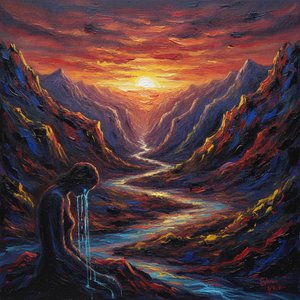
Capturing Emotion: A Journey Through the Soul of Expressionist Landscapes
Explore the profound emotional depth of Expressionist landscapes. Discover how Post-Impressionist masters moved beyond light to capture the soul through vibrant color and form. A curated journey for true art lovers seeking the beauty of expressive mastery.