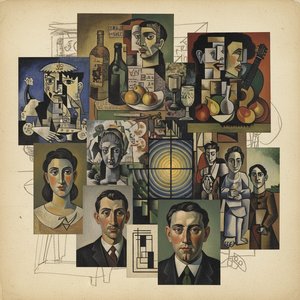
The Enigmatic Dance of Veils
პაბლო პიკასოს “Veils-ის ცეკვა”, რომელიც შექმნა 1907 წელს, არ არის მხოლოდ ქალწულ გამონახვა; ეს არის ჩახედვადი გამოცდილება, გაწყვეტილი ოცნება, გადამღაწრული ზეთით ტილოზე. ეს მნიშვნელოვანი ნამუშევარი, რომელიც განთავსებულია Kunsthalle Mannheim-ში, წარმოადგენს Analytical Cubism-ის მძლავრის ძელოს – რადიკალური ცვლილება ტრადიციულ მხატვრულ კონვენციებში, რომელიც გადაახაზა ჩვენს შეხედულებას ფორმისა და სივრცის შესახებ. თავდაპირველად, ის გამოიყურება გათ perplexed, მაგრამ უფრო დეტალურად შესწავლიდან აღმოჩნდება, რომ ეს არის ზრუნვით აგებული კომპოზიცია, რომელიც მდიდალად სავსეა გეომეტრიული სიზუსტიით და ღრმავადสำรวจებს მოძრაობასა და შეხசனელს. ნამუშევრის ძალა არ არის ჭორமான წარმოდგენაში, არამედ khả năng gợi ýความลึกลับ, ტრადიციასა და ადამიანური გამოცდილების გაწყვეტილი ბუნებით.
პირველ შეხედულებაზე, სცენა საოცრად გაურკვეველია: ქალი, ნაწილობრივ დახმარი, დომინირებს ტილოს, მისი სხეული შეითვისებულია შეუძლებელ კუთხებით. პიკასო არ გიxty- میدهد ერთგვაროვანიมุมมอง; უფრო კონკრეტულად, ის trình bày करती છે múltiplos perspectivas одновременно – ქალური სახის პირდაპირი ხედი לצד კიდურების პროფილირებული ხედები, tất cả intertwine-ด้วย sharp, intersecting lines and planes. ეს დროებითი გაყოფა phản ánhებს Cubist ფილოსოფიას, რომლის მიხედვითაც ნივთები არ воспринимаются как solid entities, بلکہ როგორც გეომეტრიული צורות, რომლებიც ნახულებულია სხვადასხვა კუთხებიდან. Цветային палитра deliberately muted – primarily ochres, browns, and blues – contributing to the painting’s somber yet captivating atmosphere.
Influences and Context: A Revolutionary Shift
პიკასოს “Veils-ის ცეკვა” წარმოიქმნა პერიოდში ინტენსიური მხატვრული thí nghiệmები. 19-ஆம் საუკუნის ბოლო და 20-ஆம் საუკუნის დასაწყისი იყო განურჩეველი học tập nghệ thuật, რომელიც იყო განპირობებული მეცნიერებების tiến bộ và желание представлять реальность более точно. პიკასოს пътя към Cubism была profoundly influenced by several sources. Notably, he drew inspiration from the African masks prevalent in ethnographic collections – their simplified forms and geometric patterns provided a blueprint for deconstructing traditional representation. Более того, Paul Cézanne's emphasis on geometric structures within natural forms served as another crucial precedent. Пიკასო не был просто копирует эти влияния; он синтезировал их в свой уникальный стиль, создавая новый путь для современной искусства.
Нამუშევრის създаването coincided with the formal coinage of “Cubism” by art critic Louis Vauxcelles in 1908. Этот термин aptly captured Picasso's innovative approach – dissecting objects and reassembling them in abstract forms. "Dance of the Veils" is considered an early example of Analytical Cubism, a phase characterized by meticulous geometric analysis and the breakdown of form into its constituent parts. Unlike later Synthetic Cubism, which incorporated collage elements, Analytical Cubism focused on exploring the underlying structure of objects through fragmentation and multiple viewpoints.
Symbolism and Emotional Resonance
Хотя пიკასо сам оставался famously elusive about the painting’s precise meaning, “Dance of the Veils” is widely interpreted as a meditation on the complexities of perception and the subjective nature of reality. The veil itself can be seen as a symbol of concealment, mystery, or perhaps even the limitations of human understanding. The woman's contorted pose suggests a state of disorientation or transformation – she’s caught in a moment of flux, neither fully present nor entirely defined. The painting evokes a sense of unease and intrigue, inviting viewers to actively participate in constructing their own interpretation.
Beyond its formal innovations, “Dance of the Veils” possesses a powerful emotional resonance. The fragmented forms and ambiguous imagery create a dreamlike quality, tapping into primal anxieties and desires. It’s a work that continues to challenge our assumptions about representation and invites us to reconsider how we see the world around us. Reproductions of this iconic piece offer a remarkable opportunity to experience Picasso's genius firsthand, bringing this captivating exploration of form and perception into your own space.
movement: Cubism
topics: Dance, Veils, Cubism, Figure, Fragmentation, Movement, Abstraction, Picasso
creative_period: Analytical Cubism
corpus_context: African masks, Cézanne, Geometry, Early Cubism, Pioneering abstraction, Challenging perspective, Ritual, Movement



 წინასწარი ნახვა
 შეიძინეთ პრინტი
 გაგზავნა
 გაზიარება
 დეტალები

 ჩამოტვირთვა
 მსგავსები
 რენტგენოგრაფიული კვლევა
 სლაიდშოუ


 გადასართად დაწვრილებით ნახეთ






































 მინის ჩარჩოს არჩევანი ხელმისაწვდომია მხოლოდ 110 სმ-ზე ნაკლები ზომისთვის