


 ნახვა ინტერьерში
 გაგზავნა
 გაზიარება
 დეტალები
 გზამკვლევი

 ჩამოტვირთვა
 მსგავსები
 რენტგენოგრაფიული კვლევა
 სლაიდშოუ
 სტატისტიკა
Boy in a Red Vest


 სრული ტექსტის ნახვა
პოლ სეზანი (1839-1906) - საფრანგეთის პოสต์იმპრესიონისტი მხატვარი, რომელმაც შექმნა გეომეტრიული ფორმები და რევოლუციური კომპოზიციები. აღმოაჩინეთ მისი ცნობილი ტილოები, როგორიცაა "მონ-სენტ-ვიკტუარი" და "ბანაობები", რომლებიც თანამედროვე ხელოვნების განვითარებაში მნიშვნელოვან როლს თამაშობენ.
გიკლე / ხელოვნების პრინტი
მუზეუმის დონის ჟიკლე ან ტილოზე ბეჭდვა სწრაფი წარმოებისა და დასრულების მოქნილი ვარიანტებით. ( შეიძინეთ ხელით შესრულებული ნახატი გადასვლა ციფრულ გამოსახულებაზე)




P118B ₾10

P118H ₾10

P118W ₾10

P438Z ₾10

P508JH ₾12

P508YH ₾12

P805H ₾10

P805Z ₾10

P919BZ ₾10

P919G ₾10

P919XJ ₾10

P959ZH ₾10

P968JZ ₾12

W106C ₾8

W218G ₾10

W218JH ₾8

W218Y ₾10

W307PJ ₾10

W316G ₾10

W316PJ ₾8

W316Y ₾10

W398PJ ₾8

W4111J ₾10

W500HY ₾15

W500JH ₾15

W692G ₾12

W849H ₾8

W940BG ₾15

W953PJ ₾8




სტანდარტული ზომა
ინდივიდუალური ზომა
CM
INCH
აირჩიეთ ჩვენს მიერ წინასწარ განსაზღვრული ზომებიდან, რომლებიც ნაწარმოების ორიგინალურ პროპორციებს შეესაბამება.
Loading sizes...

სიგანე
სიმაღლე
შეიყვანეთ თქვენთვის საჭირო სიგანე და სიმაღლე, რათა იგი მოერგოს თქვენს ჩარჩოს ან კედელს. ბეჭდვისას შესაძლებელია მხოლოდ მისი შემცირება და არა გაზრდა, ამიტომ სხვა ფორმის ზომის შემთხვევაში გამოსახულება ნაწილობრივ იკარგება. სანამ რაიმეს დაბეჭდავთ, ჩვენ გამოგიგზავნით ციფრულ მაკეტს დასდასტურებლად. ამ გვერდზე ნაჩვენები სურათი არ ასახავს რეალურ ჭრას — ამას მხოლოდ მაკეტი გვიჩვენებს.
მიწოდება მთელ მსოფლიოში () 2 კვირაში, სტანდარტული 4/5 კვირის ნაცვლად. (21 ოქტომბერი)

უფასო ექსპრეს მიწოდება მთელ მსოფლიოში

მაღალი ხარისხის ტილო

ტრანსპორტირების სრული დაზღვევა

საბაჟო გადასახადების დაბრუნების გარანტია

ფერების სრული შესაბამისობის გარანტია

დაბრუნების 100-დღიანი პერიოდი (მხოლოდ წარმოების დეფექტის შემთხვევაში)

100% თანხის სრული დაბრუნების გარანტია

ფასდაკლება დიდი რაოდენობით შეკვეთისას
 მინის ჩარჩოს არჩევანი ხელმისაწვდომია მხოლოდ 110 სმ-მდე ზომისთვის

Boy in a Red Vest
გიკლე / ხელოვნების პრინტი
რეპროდუქციის ზომა
-


ჯამური ღირებულება
₾ 180
Paul Cézanne’s ‘Boy in a Red Vest’: A Window into Post-Impressionist Vision
Paul Cézanne's “Boy in a Red Vest” (Le Garçon au gilet rouge), painted between 1888 and 1890, isn’t merely a portrait; it’s a carefully constructed meditation on form, color, and the very essence of seeing. This deceptively simple scene—a young boy seated against a muted backdrop, clad in a vibrant red waistcoat—holds within it the revolutionary spirit of Post-Impressionism and Cézanne's unique approach to capturing reality. It’s a work that continues to resonate with viewers today, not just for its aesthetic beauty but also for the profound questions it raises about representation and perception.
Cézanne’s artistic journey leading up to this pivotal painting was marked by a gradual shift away from the fleeting impressions of Impressionism. He sought to move beyond simply recording what the eye sees, instead focusing on the underlying structure and geometry of objects. This is strikingly evident in “Boy in a Red Vest.” The composition isn't haphazard; it’s meticulously arranged around a series of intersecting diagonals—the boy’s tilted back, the angle of his arm, the lines created by the curtain behind him, and even the table he leans on. These diagonals aren’t merely decorative elements; they are fundamental to Cézanne’s desire to depict objects as they *exist* in space, rather than as they appear at a single moment in time. He was essentially building a visual architecture, exploring how forms interact and define each other.
The Post-Impressionist Revolution: Color, Form, and Emotion
“Boy in a Red Vest” stands as a cornerstone of the Post-Impressionist movement, an artistic reaction against the limitations of Impressionism. While Impressionists were primarily concerned with capturing the effects of light and color, Cézanne sought to imbue his paintings with greater emotional depth and structural clarity. The red waistcoat, a bold splash of color against the predominantly neutral background, isn’t just a detail; it acts as a focal point, drawing the viewer's eye and injecting a sense of vitality into the scene. Cézanne masterfully uses color not to mimic reality but to express his subjective experience of it – a technique that would profoundly influence artists like Van Gogh and Picasso.
Furthermore, Cézanne’s brushwork is deliberately visible, rejecting the smooth blending characteristic of Impressionism. Instead, he employs short, broken strokes—a technique known as *impasto*—that create a textured surface and suggest the physicality of paint itself. This tactile quality invites the viewer to engage with the painting on a more immediate level, emphasizing the act of seeing and the artist’s hand in shaping the image.
Symbolism and the Portrait's Quiet Intensity
The identity of the boy remains deliberately ambiguous. He is not a specific individual but rather a representation of childhood innocence and contemplation. His slightly downturned gaze, coupled with his posture—leaning against the table, seemingly lost in thought—evokes a sense of melancholy or introspection. Some art historians suggest that Cézanne may have been drawing on memories of his own childhood, using the portrait as a means to explore themes of memory, loss, and the passage of time. The red waistcoat itself could be interpreted as a symbol of youthfulness, vitality, or even rebellion—a vibrant counterpoint to the muted tones surrounding him.
The background, composed of two staircases, adds another layer of complexity to the painting. Staircases often symbolize transitions and journeys, suggesting that the boy is caught between childhood and adulthood, or perhaps contemplating a future path. The neutral backdrop serves as a stage for this internal drama, allowing Cézanne to focus on the figure’s emotional state.
A Legacy of Innovation: Influence and Reproduction
“Boy in a Red Vest” is more than just a beautiful painting; it's a pivotal work that fundamentally altered the course of modern art. Cézanne’s emphasis on form, color, and structure paved the way for Cubism and other avant-garde movements of the 20th century. His innovative approach to perspective and his willingness to challenge traditional artistic conventions continue to inspire artists today.
At TopImpressionists, we are proud to offer meticulously crafted oil painting reproductions of this iconic masterpiece. Our skilled artisans painstakingly recreate every detail—from the subtle nuances of Cézanne’s brushwork to the rich depth of his color palette—ensuring an authentic representation that captures the essence of this timeless work. Experience the beauty and profound impact of “Boy in a Red Vest” with an TopImpressionists reproduction, bringing a touch of Post-Impressionist genius into your home or studio.
Explore our collection of Paul Cézanne reproductions today! Learn more about Paul Cézanne and his works on TopImpressionists.
კითხვები და პასუხები
რა განწყობა და ემოცია ერთიანდება ნამუშევარში "Boy in a Red Vest"?
წარმოწერილში "Boy in a Red Vest", Calm განწყობას Melancholic ემოცია ახლავს.
რა არის პოლ სეზან-ის „Boy in a Red Vest“-ის სიკაშკაშე?
პოლ სეზან-ის „Boy in a Red Vest“-ის სინათლის სიმკვეთრე Soft Shadow-ია. სიმკვეთრე აღწერს, თუ რამდენ სინათლეს ასახავს ფერები.
რას გამოსახავს "Boy in a Red Vest" და როგორი ატმოსფერო აქვს მას?
"Boy in a Red Vest" ასახავს boy, red vest, cézanne, post-impressionism, composition, form, color, landscape-ს, ხოლო მისი განწყობა არის Calm.
მსგავსი ნამუშევრები


მხატვრის ბიოგრაფია
პოლ სეზანის რევოლუციური ხედვა: ജീവിതსა და ხელოვნებას
პოლ სეზანი, 1839 წელს ექს-ენ-პროვანსში დაბადებული, უდიდესი ფიგურაა, რომელიც აკავშირებს იმპრესიონიზმის მომენტოებს კუბიზმისა და ფორმების ფრაგმენტაციას. მისი გზა არ იყო სწრაფი აღიარებით; ეს იყო ნელი, მხატვრული გამოკვლევის პროცესი, რომელიც χαρακτηρίζεται თვითშფოთვითა და კრიტიკული უარყოფით, რაც საბოლოო ჯამში ხელოვნების თანამედროვე ისტორიას შეცვლითი მემკვიდრეობითი ქონება დაუტოვა. დაბადებული მდიდარ ოჯახში – მისი მამის თავდაპირველი პროფესია შლაპის დამზადებელი იყო, რომელიც მოგვიანებით ბანკირი გახდა – სეზანს უჩვეულო ფინანსური სტაბილურობა ჰქონდა მომავალ მხატვრებს შორის, რაც საშუალებას აძლევდა, მიეძღვნა თავის 열정에 კომერციული წარმატების დაუყოვნებლივი ზეწოლის გარეშე. თუმცა თავდაპირველად მამის амбиций تحت تاثیر قرار گرفته بود და იურიდიულ კარიერას სწავლობდა, მხატვრული გამოხატვის მოტივაცია ძალიან ძლიერი იყო და მან 결국 قانون studiyas დატოვა ζωγραφικής გასაგრძელებლად, გადაწყვეტილება, რომელიც მის ცხოვრებას განსაზღვრავდა. ადრეულმა გავლენებმა მოიცვა რომანტიზმი, რომელიც ახალგაზრდობაში იყო პოპულარული, და ბარიზონის სკოლის ლანდშაფტისადმი ერთგვანება, მაგრამ სწორედ პოლ გაგენი და ჟორჟ სეურატთან შეხვედრების შედეგად, მათი ინოვატორული მიდგომებით ფერებსა და ფორმებთან დაკავშირებით, სეზანი დაიწყო საკუთარი გამომისიერი გზის გაკეთება.სიბნელედან სტრუქტურამდე: სტილის ევოლუცია
სეზანის ადრეულმა ნამუშევრებმა ხშირად ასახა დრამატული, ემოციურად φορτισμένη თემები, რომლებიც χαρακτηρίζდნენ რომანტიკოსებს – σκούρα παλέτα და გამოხატვითი ბੁਰცულაცია აკავშირებდა მის ტილოებს. თუმცა, ეს პირვანდელი ფაზა მხოლოდ საფეხური იყო უფრო ანალიტიკური და გამანათლებლოვანი მიდგომისაკენ. იმპრესიონისტების მსგავსად, რომელიც უპირატესობას ანიჭებდა φωτός მომენტოების აღებას, სეზანი მისიაზე вышла, რომ გაეგო და წარმოედგინა საგნების საფუძველი. ის არ ცდილობდა მხოლოდ იმას, რაც ხედავდა, არამედ იმასაც, თუ როგორ აღიქვამდა რეალობას შემადგენელი ძირითად ფორმებს. ამან გამოიწვია ბუნებრივი ფორმების მათი გეომეტრიული ექვივალენტებად დაშლა – კონუსები, ცილინდრები, სფეროები – წინასწარ განსაზღვრა კუბისტური რევოლუციის δεκαετίες πριν από την υλοποίησή του. მისი ტექნიკა χαρακτηρίζება პატარა, επαναλαμβανόμενες ბურცულაციებით, რომლებიც ფრთხილად στρώνονται კომპლექსური ფერის და ტექსტურის ველების შესაქმნელად, რაც ადრე არნახული სიმტკიცე და სიღრმე ქმნის. ის ინტერესი არ ჰქონდა ილუზიურ სივრცესთან; უფრო ხშირად წარმოადგენდა საგნებს რამდენიმე перспекტივიდან ერთდროულად, რაც ეწვევა ტრადიციული перспективыის ტრადიციულ შეხედვებებს და აიძულებს მაყურელს აქტიურად ჩარეθεί მის კომპოზიციებში. ეს ਜਾਣबूझով დეფორმაცია არ იყო შემთხვევით, არამედ ფორმის უფრო πλήρης გაგების გადაცემის მცელობა, რომელიც აღწერს არა მხოლოდ დროს ერთ მომენტს, არამედ აღქმის სინთეზს.ლანდშაფტები, ნატურმორტი და ადამიანის ფორმა: ძირითადი ნაშრომები და პერიოდული თემები
სეზანის ოქროსფერი მრავალფეროვანია, მოიცავს ლანდშაფტებს, ნატურმორტებს, портреты და батэрების պատკრებებს, მაგრამ ყველა მათგანი გაერთიანებულია ფორმის მიდგომით და ფერით. Jas de Bouffan-ის ტბა, რომელიც 1880 წელს იყო შესრულებული, წარმოადგენს მისი ლანდშაფტის ნაწილს, სადაც ის აჩვენებს ფორმებისა და ტონების ყურადღებითი განლაგების საშუალებით ბუნების არსს. ემილ ზოლას портрет, რომელიც 1866 წელს შეიქმნა, გამოავლენს მისი განვითარებული სტილისა და მისი ახლო მეგობარი და თანამედროველი მწერლის ინტელექტუალური ინტენსივობის შესახებაც. მისი ნატურმორტები, სადაც ხილი და სამზარეულო ინვენტარია მოიცული, არ არის მხოლოდ საგნების აღწერა, არამედ ოდის, φωτός და სივრცეობრივი ურთიერთქმედების შესწავლა. Mont Sainte-Victoire სერია გახდა obsesia სეზანისთვის, პერიოდული თემა, რომელიც საშუალებას აძლევდა ფორმებისა და перспективыის unrelenting გამოკვლევა δεκαετίες 동안. ეს ტილოები არ არის უბრალოდ მთასთან დაკავშირებული պատկერებები; ისინი სიღრმის, ოდისა და φωτός და σκιάς ურთიერთქმედების შესწავლის შესწავლაა. ბოლოს, მისი батэрების სერია, რომელიც აღწერს ადამიანის ფორმას იდილურ ლანდშაფტებში, წარმოადგენს ადამიანური ფორმისა და ბუნებას შორის კავშირის βαθაკი გამოკვლევას, ხშირად განთქმულია დროის გადინებით და წყნარ ధ్యానთან.ინოვაციით გაფორმებული მემკვიდრეობა: სეზანის გავლენა თანამედროვე ხელოვნებაზე
პოლ სეზანის გავლენა მომავალ თაობათა მხატვრებზე საუცხოოა. მას ფართოდ ეკუთვნება "თანამედროვე ხელოვნების მამა" მისი გამანათლებლოვანი წვლილისთვის პიქტორული ენის, რომელიც უწინასწარმეტყველებდა 20-ე საუკუნის ძირითად მხატვრულ მოძრაობებს. პაბლო פיקאסო და ჟორჟ ბრაკი βαθιά ვალდებული იყვნენ სეზანის გეომეტრიული ფორმების და მულტიპერსპექტივის აქცენტზე, რაც კუბიზმის ცენტრალური პრინციპები გახდა. მისი ფერის смелое გამოყენება ასევე მოუწოდა Fauvist მოძრაობას, რომელსაც ხელმძღვანელობდა ენრი მათისი, რომელიც მიიღო ζωηρά, μη φυσικά χρώματα. 심지어 сюрреалистыც იპოვნეს რეზონანსი სეზანის субъективური აღქმისა და ფსიქოლოგიური სიღრმის შესწავლისას. კონკრეტულ მოძრაობებთან შედარებით, სეზანის მხატვრის προσωπული ხედვისადმი და ტრადიციული აკადემიური შეზღუდვების უარყოფა განათხოვნა მხატვრების თაობები ახალი გამოხატვის ფორმების შესაქმნელად. მან გამოუცხადა წარმომადგენლობის განსაზღვრება, ყურადღება გადარიცხა რეალობის გამეორებასთან შედარ
პოლ სეზან
1839 - 1906 , საფრანგეთი
მოკლე ფაქტები
- Artistic Movement Or Style: პოსტ-იმპრესიონიზმი
- Artists Or Movements Influenced By This Artist:
- კუბიზმი
- ფავიზმი
- სურრეალიზმი
- Artists Who Influenced This Artist:
- როμανტიზმი
- ბარბიზონის სკოლა
- პოლ გოგენი
- ჟორჟ სეურატი
- Date Of Birth: 1839 წლის 19 იანვარი
- Date Of Death: 1906 წლის 22 ოქტომბერი
- Full Name: პოლ სეზანი
- Nationality: ფრანგი
- Notable Artworks:
- ჟას დე ბუფანიშ ტბა
- ემილ ზოლას პორტრეტი
- მონტ სენტე-ვიკტორი
- თხილიანები
- Place Of Birth: აიks-ენ-პროვენსი, საფრანგეთი
მსგავსი სტატიები

Beyond the Light: Discovering the Soul and Emotional Depth of Post-Impressionism
Embark on a cultural journey through Post-Impressionism. Discover the profound emotional depth of masters like Van Gogh and Cézanne, exploring how they moved beyond light to capture the very soul of human experience through vibrant color and symbolic form.
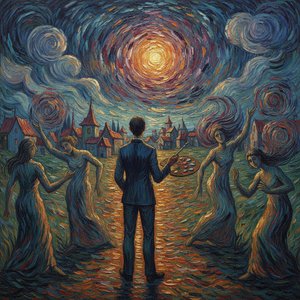
Beyond the Light: Capturing Emotion Through the Expressive Soul of Post-Impressionism
Explore the profound emotional depth of Post-Impressionism. Discover how masters like Van Gogh and Cézanne moved beyond light to capture raw feeling through color and texture. A journey into art history for the true connoisseur.
აღმოაჩინეთ ხელოვნების ნაწარმოებები თემების, სტილისა და მახასიათებლების მიხედვით დაჯგუფებული.


