


 ნახვა ინტერьерში
 გაგზავნა
 გაზიარება
 დეტალები
 გზამკვლევი

 ჩამოტვირთვა
 მსგავსები
 რენტგენოგრაფიული კვლევა
 სლაიდშოუ
 სტატისტიკა
CHEVAL NORMAND


Discover 'Cheval Normand' by Paul Huet (1803-1869), a Romantic landscape painting. Explore this evocative oil on canvas, influenced by Barbizon & Impressionism. Hand-painted reproductions available.
 სრული ტექსტის ნახვა
პოლ ჰუე (1803-1869) იყო ფრანგი პეიზაჟის მხატვარი, რომელიც ცნობილია რომანტიზმის სტილითა და ბარბიზონისა და იმპრესიონისტებზე ზეგავლენით. აღმოაჩინეთ მისი გამომსახველი აკვარელი და ზეთის საღებავებით შესრულებული ნამუშევრები.
გიკლე / ხელოვნების პრინტი
მუზეუმის დონის ჟიკლე ან ტილოზე ბეჭდვა სწრაფი წარმოებისა და დასრულების მოქნილი ვარიანტებით. ( შეიძინეთ ხელით შესრულებული ნახატი გადასვლა ციფრულ გამოსახულებაზე)




P118B ₾10

P118H ₾10

P118W ₾10

P438Z ₾10

P508JH ₾12

P508YH ₾12

P805H ₾10

P805Z ₾10

P919BZ ₾10

P919G ₾10

P919XJ ₾10

P959ZH ₾10

P968JZ ₾12

W106C ₾8

W218G ₾10

W218JH ₾8

W218Y ₾10

W307PJ ₾10

W316G ₾10

W316PJ ₾8

W316Y ₾10

W398PJ ₾8

W4111J ₾10

W500HY ₾15

W500JH ₾15

W692G ₾12

W849H ₾8

W940BG ₾15

W953PJ ₾8




სტანდარტული ზომა
ინდივიდუალური ზომა
CM
INCH
აირჩიეთ ჩვენს მიერ წინასწარ განსაზღვრული ზომებიდან, რომლებიც ნაწარმოების ორიგინალურ პროპორციებს შეესაბამება.
Loading sizes...

სიგანე
სიმაღლე
შეიყვანეთ თქვენთვის საჭირო სიგანე და სიმაღლე, რათა იგი მოერგოს თქვენს ჩარჩოს ან კედელს. ბეჭდვისას შესაძლებელია მხოლოდ მისი შემცირება და არა გაზრდა, ამიტომ სხვა ფორმის ზომის შემთხვევაში გამოსახულება ნაწილობრივ იკარგება. სანამ რაიმეს დაბეჭდავთ, ჩვენ გამოგიგზავნით ციფრულ მაკეტს დასდასტურებლად. ამ გვერდზე ნაჩვენები სურათი არ ასახავს რეალურ ჭრას — ამას მხოლოდ მაკეტი გვიჩვენებს.
მიწოდება მთელ მსოფლიოში () 2 კვირაში, სტანდარტული 4/5 კვირის ნაცვლად. (27 ოქტომბერი)

უფასო ექსპრეს მიწოდება მთელ მსოფლიოში

მაღალი ხარისხის ტილო

ტრანსპორტირების სრული დაზღვევა

საბაჟო გადასახადების დაბრუნების გარანტია

ფერების სრული შესაბამისობის გარანტია

დაბრუნების 100-დღიანი პერიოდი (მხოლოდ წარმოების დეფექტის შემთხვევაში)

100% თანხის სრული დაბრუნების გარანტია

ფასდაკლება დიდი რაოდენობით შეკვეთისას
 მინის ჩარჩოს არჩევანი ხელმისაწვდომია მხოლოდ 110 სმ-მდე ზომისთვის

CHEVAL NORMAND
გიკლე / ხელოვნების პრინტი
რეპროდუქციის ზომა
-


ჯამური ღირებულება
₾ 180
A Moment Captured in Shadow and Light
In the quietude of a rustic shelter, Paul Huet’s Cheval Normand invites the viewer into a private, unadorned moment of rural existence. The artwork presents a Norman horse, its form anchored within the weathered embrace of a wooden stable or lean-to. Rather than a polished portrait of equine grandeur, this piece functions as an intimate study, capturing the raw essence of life in the French countryside. The composition is masterfully enclosed by the aged beams of the structure, creating a sense of profound intimacy that draws the observer into the horse's immediate world. A subtle, almost overlooked detail—a small bird perched upon a wooden beam—serves as a delicate counterpoint to the heavy, muscular presence of the animal, suggesting a shared, peaceful coexistence within this humble sanctuary.
The aesthetic of the work is defined by its spontaneous, sketch-like quality, reminiscent of the plein air studies that would later define the Barbizon School. Huet employs a gestural technique where rough, expressive lines dictate the anatomy of the horse and the rugged texture of the timber. There is a palpable sense of immediacy here; one can almost feel the artist's brush moving with urgency to capture the fleeting interplay of light and shadow. The palette is a sophisticated arrangement of earthy, grounded tones—deep chocolates, warm tans, and muted greys—which lend the piece an organic, timeless atmosphere. This tonal harmony ensures that the artwork does not merely depict a scene but evokes the very scent of damp wood and hay.
The Legacy of Romanticism and Natural Observation
To understand the emotional depth of Cheval Normand, one must look to the revolutionary spirit of Paul Huet himself. As a pioneer who bridged the gap between the rigid traditions of Neoclassicism and the burgeoning Impressionist movement, Huet sought to move beyond mere representation. Influenced by the atmospheric brilliance of Turner and the naturalistic vigor of Constable, he turned his gaze toward the "truth" of nature. This painting is a testament to that pursuit. It rejects the polished artifice of the Academy in favor of a textured, tactile reality where the grain of the wood and the coarse fur of the horse are given equal importance.
For the discerning collector or interior designer, this piece offers more than just visual interest; it provides an emotional anchor. The artwork radiates themes of resilience, strength, and the quiet dignity of the natural world. Its subdued color palette and organic textures make it a versatile masterpiece for sophisticated interiors, capable of adding a layer of historical depth and rustic elegance to a modern space. Whether placed in a sunlit gallery or a moody, contemporary study, Cheval Normand serves as a window into a bygone era of Romanticism, reminding us of the profound beauty found in the simplest, most unadorned corners of our world.
კითხვები და პასუხები
რა თემატიკასა და ატმოსფეროს აერთიანებს პოლ ჰუე-ის „CHEVAL NORMAND“?
პოლ ჰუე-ის „CHEVAL NORMAND“-ში french landscape, rural scene painting, horse in landscape, romanticism art, 19th century france, landscape oil painting, norman countryside და შემოერწყმება Romantic ატმოსფეროს.
პოლ ჰუე-ის შემოქმედებითი განვითარების რომელ ეტაპს წარმოადგენს „CHEVAL NORMAND“?
"CHEVAL NORMAND" წარმოადგენს პოლ ჰუე-ის შემოქმედებით პერიოდს: 19th Century.
დაუშვებს თუ არა პოლ ჰუე-ის „CHEVAL NORMAND“-ის საავტორო უფლებები რეპროდუცირებას?
პოლ ჰუე-ის „CHEVAL NORMAND“-ის საავტორო უფლებების სტატუსი ნათელია: ნამუშევარი არის საჯარო საკუთრებაშია - მისი საავტორო უფლებები ამოწდა. მისი ყოფნა ლუვრის მუზეუმი-ში ამ სტატუსს არ ცვლის.
მხატვრის ბიოგრაფია
პოლ ჰუე: რომანტიზმის პეიზაჟის პიონერი
პოლ ჰუე (1803-1869) მე-19 საუკუნის ფრანგული ხელოვნების საკვანძო, თუმცა ხშირად დაუფარავი ფიგურაა – პეიზაჟის მხატვარი, რომლის გავლენაც ღრმად აისახა ბარბიზონის სკოლასა და ჩასადგმელ იმპრესიონისტებზე. პარიზში, მზარდი შემოქმედებითი გარემოს შუაგულში დაბადებული ჰუე, დაუღალავი დაკვირვების, ბუნებასთან ღრმა კავშირისა და არსებული ნეოკლასიცისტური ტენდენციების შეგნებული უარყოფის გზით გაიჭრა. მისი შემოქმედება არ იყო მხოლოდ სცენების აღწერა; ეს იყო მცდელობა, დაეჭირათ სინათლის, ატმოსფეროსა და ბუნებრივი სამყაროს წარმავალი სილამაზის არსი, რამაც მას ფრანგული ფერწერის მთავარ ინოვატორად აქცია.ადრეული გავლენები და მხატვრული განათლება
ჰუეს შემოქმედებითი განვითარება ტრადიციულ ტექნიკაზე დაფუძნებული საფუძვლით დაიწყო. მან პირველადი სწავლება მიიღო ჟაკ-ლუი დავიდის ყოფილი მოსწავლის, ჟან-ჟულიენ დელტილისგან, რასაც მოჰყვა სწავლება École des Beaux-Arts-ში პიერ გერენისა და ანტუან-ჟან გროსის ხელმძღვანელობით. გადამწყვეტი იყო ის ფაქტი, რომ მისი გზა გადაიკვეთა რიჩარდ პარკეს ბონიტონთან, რომელიც გროსის სტუდიაში მისი თანაკურსელი იყო. ეს შეხვედრა ტრანსფორმაციული აღმოცენება გამოსავალდა. ბონიტონის მიდგომამ პლენერულ მხატვრობაში – პირდაპირ ბუნებიდან მუშაობაში – ჰუე მოხიბლა, რამაც იგი აიძულა უარ𝚎ყო ნეოკლასიციზმის მკაცრი ფორმალურობა და ატअपना შედარებით სპონტანური და დაკვირვებითი სტილი. 1824 წლის სალონზე წარდგენილმა ბრიტანულმა პეიზაჟებმა მისთვის რეველაცია მოიტანა; ჯონ კონსტაბლის უნარი, გამოეჩენათ სიწმინდე და მწვანე სილამაზე მუქი ჩრდილებისა თუ ხელოვნურობის გარეშე, ღრმად აისახა ჰუეს შემოქმედებით ფილოსოფიაში. მან ცნობილად აღწერა კონსტაბლის ნამუშევრები, როგორც „ალბათ პირველი შემთხვევა, როდესაც ადამიანმა იგრძნო სიწმინდე და დაინახე მდიდრული, მწვანე ბუნება, შავდების, უხეშობისა თუ მანერიზმის გარეშე“.ბარბიზონის სტილი და ჰოლანდიელი ოსტატები
ჰუეს სტილი სხვადასხვა გავლენის საინტერესო სინთეზით განვითარდა. თავდაპირველად იგი ბონიტონის აკვარელის ტექნიკას მიბაძავდა, თუმცა მისი მხატვრული სენსიტიურობა მხოლოდ მიბაძვით არ შემოიფარგლებოდა. შთაგონებას ის ჰოლანდიელი ოსტატების, როგორიცაა იაკობ ვან რუისდაელი და მეინერტ ჰობემა, ატმოსფერული პეიზაჟებიდან იღებდა, განსაკუთრებით კი მათ ოსტატურ გამოყენებას სინათლისა და ფერებისგან განწყობისა და ატმოსფეროს გადასაცემად. ძველი ოსტატებისადმი ეს აღტაცება საფუძვლად დაედო მის საკუთარ მიდგომას, რის შედეგადაც შეიქმნა ნამუშევრები, რომლებსაც გააჩნდათ მშვიდი ღირსება და რეალიზმის გასაოცარი შეგრძნება — არა ფოტოგრაფიული, არამედ ღრმად განცდილი. ამ პერიოდის მისი შემოქმედება ხასიათდებოდა აკადემიური კონვენციების შეგნებული უარყოფით, რასაც ერჩიოდა თავისუფალ ფუნჯის დარტყმებს, მკვეთრ ფერებსა და ბუნების იმედისპირული შთაბეჭდილების დაფიქსირებას.აღიარება სალონზე და პოლიტიკური მონაწილეობა
ჰუეს შემოქმედებითი კარიერა იმპულსს 1827 წლის სალონზე მისი დებიუტით შეიძინებდა, სადაც რვა წარდგენილიდან ერთი ნამუშევარი იქნა მიღებული. იგი რეგულარულად აგრძელებდა გამოფენებს 1მ30-იანი და 40-იანი წლების განმავლობაში, რაც კრიტიკოსებსა და კოლექციონერებს შორის რეპუტაციის სტაბილურ ზრდას განაპირობებდა. ევგენი დელაკრუა, მისი თანაკოლეგა და ახლო მეგობარი, მხარს უჭერდა ჰუეს შემოქმედებას და აღიარებდა მის უნიკალურ თვისებებს. თუმცა, ეტიენ-ჟან დელეკლუზს უფრო კრიტიკული ხედვა ჰქონდა და ჰუეს ზედმეტად მიბმულად მიიჩნევდა კონსტაბლსა და ტერნერს, რაც ზოგჯერ ძირითადი დიზაინერული პრინციპების უგულებელყოფას იწვევდა. მხატვრული საქმიანობის მიღმა, ჰუე 1830 წლის ივლისის რევოლუციის აქტიური მონაწილე იყო და შემდგომში რესპუბლიკანურ პოლიტიკაში ჩაერთო, რაც იმ დროის საფუროთად ქცეულ საფრანგეთის სოციალურ და პოლიტიკურ კლიმატს ასახავდა. ამ იდეალებისადმი ერთგულებამ მას მეფე ლუი-ფილიპისგან აღიარება მოუტანა, რომელმაც 1844 წელს სèvresის ფარფურის ვაზები გადასცა, ხოლო 1848 წლის სალონზე ოქროს მედალი მიჭედა.მემკვიდრეობა და მხატვრული მნიშვნელობა
პოლ ჰუეს გავლენა ფრანგულ პეﺑეიზაჟზე უზომოა. აკვარელის ინოვაციურმა გამოყენებამ — არა მხოლოდ ესკიზებისთვის, არამედ დასრულებული ნამუშევრების ძირითად საშუალებად — აჩვენა მისი პოტენციალი საოცარი სიღრმისა და სიმდიდრის მისაღწევად, რაც ხშირად ზეთის საღებავებით შესრულებულ ნამუშევრებს ჰგავდა. იგი იყო პლენერული მხატვრობის ერთ-ერთი ადრეული დამკვიდრებელი, რომელიც სტუდიურ მუშაობაზე ბუნების პირდაპირ დაკვირვებას ამჯობინებდა. რაც უფრო მნიშვნელოვანია, ჰუესმა, რომლისთვისაც სინათლისა და ატმოსფეროს წარმავალი ეფექტების დაჭერა უპირატესი იყო, ღრმა გავლენა მოახდინა ბარბიზონის სკოლასა და შემდგომში იმპრესიონისტებზე. ისეთი მხატვრები, როგორიცაა თეოდორ რუსო და ჟან-ფრანსუა მილე, რომლებიც ეძებდნენ ბუნებიდან პირდაპირ ხატვის შესაძლებლობას სოფლის ცხოვრებისა და პეიზაჟების ფოკუსით, ჰუეს პიონერული მიდგომისადმი ვალდებულნი არიან. მისი შემოქმედება არის დასტური დაკვირვების ძალისა, სიმარტივის სილამაზისა და ბუნებრივი სამყაროს არსის დაჭერის მარადიული მიზიდულობისა. იგი 1869 წელს პარიზში გარდაიცვალა, დატოვა მნიშვნელოვანი შემოქმედებითი მემკვიდრეობა, რომელიც დღემდე აღაფრთოვანებს მაყურებელს თავისი ემოციური ატმოსფეროთი და ბუნებასთან ღრმა კავშირით.
პოლ ჰუე
1803 - 1869 , საფრანგეთი
მოკლე ფაქტები
- Artistic Movement Or Style: რომანტიკული პეიზაჟი
- Artists Or Movements Influenced By This Artist:
- ბარბიზონის სკოლა
- იმპრესიონისტები
- Artists Who Influenced This Artist:
- რემბრანტი
- ჯონ კონსტებლი
- იუჟენ დელაკროა
- Date Of Birth: 1803-10-03
- Date Of Death: 1869-01-08
- Full Name: პოლ ჰუე
- Nationality: ფრანგი
- Notable Artworks:
- ვილა რომთან ახლოს
- საღამოს ეფექტი
- ტყის ფლერები ტბით
- Place Of Birth: პარიზი, საფრანგეთი
მსგავსი სტატიები
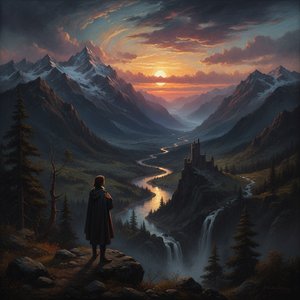
Capturing the Soul: The Emotional Majesty and Sublime Power of Romantic Landscape Painting
Explore the profound emotional depth of Romantic landscape painting. Discover how masters like Turner and Friedrich captured the sublime power of nature through intuition and imagination in this expert art history retrospective.

Capturing the Soul: The Emotional Magic and Sublime Grandeur of Romantic Landscape Painting
Explore the profound emotional depth of Romantic landscape painting. Discover how masters like Friedrich and Turner captured the sublime through light, shadow, and nature's power in this expert art history retrospective for discerning collectors.