

 ნახვა ინტერьерში
 გაგზავნა
 გაზიარება
 დეტალები
 გზამკვლევი

 ჩამოტვირთვა
 მსგავსები
 რენტგენოგრაფიული კვლევა
 სლაიდშოუ
 Q&A
Q&A სტატისტიკა
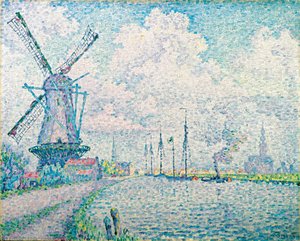
Dutch Mill at Edam

- 73.0 x 92.0 cm


A serene Neo-Impressionist view of a windmill and tranquil boats by Paul Signac captures the luminous essence of 1898 through masterful Pointillism, inviting you to bring this peaceful Dutch scene into your collection.
 სრული ტექსტის ნახვა
პოლ სიგნაკი (1863-1935) – ნეოიმპრესიონიზმის მთავარი წარმომადგენელი და პუანტილიზმის ოსტატი. აღმოაჩინეთ მისი ცისფერი სანაპიროები, უნიკალური ფერების სიმ vibrancy და თანამედროვე ხელოვნებაზე გავლენა!
გიკლე / ხელოვნების პრინტი
მუზეუმის დონის ჟიკლე ან ტილოზე ბეჭდვა სწრაფი წარმოებისა და დასრულების მოქნილი ვარიანტებით. ( შეიძინეთ ხელით შესრულებული ნახატი გადასვლა ციფრულ გამოსახულებაზე)




P118B ₾10

P118H ₾10

P118W ₾10

P438Z ₾10

P508JH ₾12

P508YH ₾12

P805H ₾10

P805Z ₾10

P919BZ ₾10

P919G ₾10

P919XJ ₾10

P959ZH ₾10

P968JZ ₾12

W106C ₾8

W218G ₾10

W218JH ₾8

W218Y ₾10

W307PJ ₾10

W316G ₾10

W316PJ ₾8

W316Y ₾10

W398PJ ₾8

W4111J ₾10

W500HY ₾15

W500JH ₾15

W692G ₾12

W849H ₾8

W940BG ₾15

W953PJ ₾8




სტანდარტული ზომა
ინდივიდუალური ზომა
CM
INCH
აირჩიეთ ჩვენს მიერ წინასწარ განსაზღვრული ზომებიდან, რომლებიც ნაწარმოების ორიგინალურ პროპორციებს შეესაბამება.
Loading sizes...

სიგანე
სიმაღლე
შეიყვანეთ თქვენთვის საჭირო სიგანე და სიმაღლე, რათა იგი მოერგოს თქვენს ჩარჩოს ან კედელს. ბეჭდვისას შესაძლებელია მხოლოდ მისი შემცირება და არა გაზრდა, ამიტომ სხვა ფორმის ზომის შემთხვევაში გამოსახულება ნაწილობრივ იკარგება. სანამ რაიმეს დაბეჭდავთ, ჩვენ გამოგიგზავნით ციფრულ მაკეტს დასდასტურებლად. ამ გვერდზე ნაჩვენები სურათი არ ასახავს რეალურ ჭრას — ამას მხოლოდ მაკეტი გვიჩვენებს.
მიწოდება მთელ მსოფლიოში () 2 კვირაში, სტანდარტული 4/5 კვირის ნაცვლად. (31 ოქტომბერი)

უფასო ექსპრეს მიწოდება მთელ მსოფლიოში

მაღალი ხარისხის ტილო

ტრანსპორტირების სრული დაზღვევა

საბაჟო გადასახადების დაბრუნების გარანტია

ფერების სრული შესაბამისობის გარანტია

დაბრუნების 100-დღიანი პერიოდი (მხოლოდ წარმოების დეფექტის შემთხვევაში)

100% თანხის სრული დაბრუნების გარანტია

ფასდაკლება დიდი რაოდენობით შეკვეთისას
 მინის ჩარჩოს არჩევანი ხელმისაწვდომია მხოლოდ 110 სმ-მდე ზომისთვის

Dutch Mill at Edam
გიკლე / ხელოვნების პრინტი
რეპროდუქციის ზომა
-


ჯამური ღირებულება
₾ 180
A Symphony of Light and Color in Edam
In the quietude of the late nineteenth century, few landscapes capture the essence of tranquil maritime life as poignantly as Paul Signac’s Dutch Mill at Edam. Created in 1898, this masterpiece serves as a window into a world where time seems to slow, anchored by the majestic presence of a windmill that stands as a sentinel over the shimmering waters. The scene is far more than a mere depiction of a Dutch landscape; it is a meticulously orchestrated dance of light and atmosphere. As the eye wanders across the canvas, one encounters a serene arrangement of boats drifting upon the water, their forms softly integrated into the surrounding environment. A few solitary figures are scattered throughout the composition, adding a touch of human narrative to the vastness of the scene, suggesting a moment of quiet reflection or the rhythmic, peaceful labor of life by the canal.
The true soul of this painting lies in Signac’s mastery of Neo-Impressionism. Moving beyond the spontaneous brushstrokes of his predecessors, Signac employed the rigorous technique of Pointillism to achieve a scientific yet deeply emotional harmony. Rather than blending pigments on a palette, he applied tiny, distinct dots of pure, unadulterated color directly onto the canvas. This method relies on the viewer's eye to perform the final act of creation, optically mixing the vibrant hues to produce a luminosity that feels almost alive. In Dutch Mill at Edam, this technique allows the sunlight to appear as if it is vibrating against the sails of the mill and dancing upon the ripples of the water, creating a sense of depth and brilliance that traditional blending could never achieve.
A Timeless Addition to the Sophisticated Interior
For the discerning collector or interior designer, this reproduction offers much more than visual beauty; it provides an emotional anchor for a room. The painting’s palette—a sophisticated blend of soft blues, earthy tones, and luminous highlights—possesses a unique ability to evoke feelings of peace and stability. It is a piece that invites contemplation, making it an ideal centerpiece for a study, a quiet reading nook, or a grand living space where one wishes to introduce a sense of historical depth and classical elegance.
Integrating such a high-quality hand-painted reproduction into a modern decor scheme allows for a striking contrast between contemporary minimalism and the rich, textured heritage of the Post-Impressionist era. The structural rhythm of the windmill and the rhythmic application of color dots provide a sophisticated texture that complements both neutral palettes and more eclectic, colorful environments. To own this work is to possess a fragment of art history—a tribute to the scientific beauty of light and the enduring charm of the Dutch landscape, rendered with the precision and passion of a true master.
კითხვები და პასუხები
რა არის გამოსახული პოლ სიგნაკი-ის „Dutch Mill at Edam“-ში და რა განწყობას გადმოგვცემს იგი?
პოლ სიგნაკი-ის „Dutch Mill at Edam“-ში windmill, boats, water, people, sails, sky და შემოერწყმება Serene ატმოსფეროს.
რა ატმოსფეროს ქმნის პოლ სიგნაკი-ის „Dutch Mill at Edam“ ინტერიერში?
თავისი Serene განწყობით, „Dutch Mill at Edam“ რეკომენდებულია Living Room-ისთვის.
რამდენად ინტენსიურია პოლ სიგნაკი-ის „Dutch Mill at Edam“-ის ფერები?
პოლ სიგნაკი-ის „Dutch Mill at Edam“-ში ფერებს აქვთ Balanced ინტენსივობა.
მსგავსი ნამუშევრები




მხატვრის ბიოგრაფია
პოლ სიგნაკის ჰარმონიული ხედვა
პოლ ვიქტორ ჟული სიგნაკი, რომელიც 1863 წელს პარიზში დაიბადა, თანამედროვე ხელოვნების ევოლუციის საკვანძო ფიგურად გამოჩნდა, რაც განუყოფლად არის დაკავშირებული ნეოიმპრესიონიზმის დაბადებასა და განვითარებასთან. თავდაპირველად არქიტექტურით დაინტერესებული ახალგაზრდა, კლაუდ მონეს გამოფენასთან შეხვედრამ მასში მხატვრობისადმი მარადიული ვნება გააღვიძა, რამაც იგი იმ გზაზე დადგა, რომელმაც ფერების თეორია და მხატვრული გამოხატულება ხელახლა განსაზმავად შეუცვალა. სიგნაკი არ იყო მხოლოდ მხატვარი; იგი იყო სინათლისა, ფერისა და ვიზუალური აღქმის საფუძვლად მდგარი მეცნიერების თავდადებული მკვლევარი. მისმა ადრეულმა ნამუშევრებმა, მიუხედავად იმისა, რომ იმპრესიონისტულ ტენდენციებს ავლენდა, ჟორჟ სერას ღრმა გავლენის ქვეშ სწრაფად განვითარდა, რამაც შექმნა პარტნიორობა, რომლის შედეგადაც დაიბადა პუანტილიზმი – ტექნიკა, რომელიც ხასიათდება წმინდა ფერის პატარა, მკვეთრ წერტილების ზედმიწევნითი გამოყენებით, რაც მიზნად ისახავს მათ ოპტიკურ შერწყმას დამკვიდრებულის თვალში. ეს არ იყო მხოლოდ ესთეტიკა; ეს იყო მცდელობა, სისტემატურიყო ფერწერა, დაედგეს იგი მეცნიერულ პრინციპებს და გამოწვევა ესროლოს ტრადიციულ მხატვრულ ნორმებს.დიალოგი სერასთან და ნეოიმპესონიზმის დაბადება
1884 წელს სიგნაკისა და სერას შეხვედრა ორივე ხელოვანისთვის გარდამტამი აღმოჩნდა. მათ საერთო იყო ენჟენ დელაკროას ნაშრომებით გატაცება ფერების თეორიის შესახებ, განსაკუთრებით კი კომპლემენტარული კონტრასტებისა და ფერის ემოციური ზეგავლენის კვლევებით. მათ ერთად დაიწყეს ამ პრინციპების მკაცრი გამოკვლევა და მათ რევოლუციურ ფერწერის ტექნიკად გარდაქმნა. სიგნაკმა მთლიანად მიიღო სერას ხედვა, უარყო იმპრესონიზმის წარმავალი ფუნჯის მონასმები და გადავიდა ფერების წერტილების ზუსტი, გათვლილი გამოყენებისთვის. Boulevard de Clichy (1886) ადრეული დასტურია ამ ახალი მიდგომისა, რომელიც წარმოაჩენს სიგნაკის ზედმიწევნით სტილს და ქალაქის ცხოვრების დინამიკურობის მეცნიერული პრიზმით ასახვის მის მისწრწუხვას. თუმცა, მათი თანამშრომლობა არ იყო მხოლოდ ტექნიკური; იგი იყო ინტელექტუალური, გაღვიძებული მხატვრობის მეცნიერულ დონეზე ამაღლების საერთო სურვილით. სიგნაკი სერას იდეების ერთგული დამცველი გახდა, დაუღალავად იმروجებდა ნეოიმპრესიონიზმს და იცავდა მის პრინციპებს კრიტიკისგან. სერას ტრაგიკულმა ადრეულმა სიკვდილმა 1891 წელს, სიგნაკი მათი საერთო მხატვრული ხედვის მთავარ წარმომადგენლად დატოვა, როლი, რომელიც მან შეუპოვარი თავდადებით შეასრულა.სანაპირო ხილვები და მხატვრული დამოუკიდებლობა
სერას გარდაცვალების შემდეგ, სიგნაკის შემოქმედებითი მოგზაურობამ ახალი განზომილება შეიძინა, რაზეც დიდ გავლენას მოახდინა იალქნიანი ნავებით სეირნობისადმი მისი სიყვარულმა და ხმელთაშუა ზღვის სანაპიროর მომხიდამ. მან აღმოაჩინა სენტ-ტროპე 1892 წელს, სადაც შექმნა სახლი, რომელიც ხელოვანებისთვის თავშესაფარი და დაუსრულებელი შთაგონების წყარო გახდა. მოციმციმე წყლები, მზეზე განათებული პორტები და ულამაზესი სანაპირო ქალაქები იდეალურ გარემოს ქმნიდა სინათლისა და ფერის ურთიერთქმედების გამოსაკვლევად. The Red Buoy, Saint-Tropez (1895) სწორედ ამ პერიოდის მაგალითია, რომელიც წარმოაჩენს მის პუანტილიზმში ოსტატობას ზღვის დინამიკური ენერგიისა და ფერების ასახვაში. მისი ტექნიკა განვითარდა, გახდა უფრო დენადი და ექსპრესიული, თუმცა შეინარჩუნა მეცნიერული საფუძველი. მან დაიწყო ექსპერიმენტები უფრო მსხვილი ფუნჯის მონასმებითა და ფართო პალიტრით, რაც სერას ზუსტი წერტილოვანი მეთოდის მკაცრი დაცვის მიღმა გასვლას ნიშნავდა. სიგნაკის მოგზაურობები გასცდა საფრანგეთის საზღვრებს და მოიცავდა იტალიას, ჰოლანდიას და კონსტანტინოპლესაც კი, სადაც თითოეულმა მოგზაურობამ ამდიდრა მისი მხატვრული ლექსიკა და გააფართოვა მისი პერსპექტივა.ავანგარდის მფარველი და მარადიული მემკვიდრეობა
საკუთარი შემოქმედებითი ძიებების მიღმა, სიგნაკმა გადამწყვეტი როლი ითამაშა თანამედროვე ხელოვნების განვითარებაში Société des Artistes Indépendants-ის თავმჯდომარეობის მეშვეობით. 1908 წლიდან 1935 წლამდე სიკვდილამდე, იგი მხარს უჭერდა მხატვრულ თავისუფლებას და პლატფორმას სთავაზობდა აღმოცენებულ ტალანტებს, მათ შორის ჰენრი მატისს, ანდრე დერენს და ფავიზმისა თუ კუბიზმის სხვა პიონერებს. იგი პირველთა შორის იყო, ვინც აღიარა და მხარი დაუჭირა მათი გარდამტამი ნამუშევრები, რაც გამოწვევას უსვამდა ტრადიციულ ესთეტიკურ ნორმებს. სიგნაკის ერთგულებამ ინკლუზიურობისა და ინოვაციების მიღებისადმი მისწრაფებამ ხელი შეუწყო XX საუკუნის ხელოვნების ტრაექტორიის ფორმირებას. მისმა თეორიულმა ნაშრომებმა, განსაკუთრებით კი From Eugène Delacroix to Neo-Impressionism (1899), კიდევ უფრო განამტკიცა მისი პოზიცია ხელოვნების სამყაროს წამყვან ინტელექტუალურ ფიგურად. პოლ სიგნაკის მემკვიდრეობა ბევრად სცილდება მის მომხიბვლელ ნახატებს; იგი იყო ვიზიონერი მხატვარი, თავდადებული თეორეტიკოსი და გულუხვად მფარველი, რომელმაც ღრმად იმოქმედა თანამედროვე ხელოვნების მიმდინარეობაზე და წარუშლელი კვალი დატოვა მომავალი თაობების ხელოვანებზე.მნიშვნელოვანი თარიღები და მიღწევები
- 1863: დაიბადა პარიზში, საფრანგეთი.
- 1884: ჟორჟ სერასთან ერთად დააფუძნა Société des Artistes Indépendants.
- 1886: შექმნა *Boulevard de Clichy*, ადრეული პუანტილიზმის საკვანძო ნიმუში.
- 1895: შექმნა *The Red Buoy, Saint-Tropez*, რაც სანაპირო ხედების ოსტატობის დასტური იყო.
- 1899: გამოაქვეყნა *From Eugène Delacroix to Neo-Impressionism*, ფერების თეორიის ფუნდამენტური ნაშრომი.
- 1908 – 1935: იყო Société des Artistes Indépendants-ის პრეზიდენტი და მხარს უჭერდა ავანგარდულ ხელოვანებს.
- 1935: გარდაიცვალა პარიზში, 72 წლის ასაკში, დატოვა მდიდარი მხატვრული მემკვიდრეობა.

პოლ სიგნაკი
1863 - 1935 , საფრანგეთი
მოკლე ფაქტები
- Artistic Movement Or Style: ნეოიმპრესიონიზმი, პუენტილიზმი
- Artists Or Movements Influenced By This Artist:
- Henri Matisse
- Fauvism
- Artists Who Influenced This Artist:
- Claude Monet
- Georges Seurat
- Date Of Birth: 11 ნოემბერი, 1863
- Date Of Death: 15 აგვისტო, 1935
- Full Name: პოლ ვიქტორ ჟიულ სიგნაკი
- Nationality: ფრანგი
- Notable Artworks (List Of Titles):
- Boulevard de Clichy
- The Red Buoy
- La Valleuse
- Place Of Birth (City And Country): პარიზი, საფრანგეთი
მსგავსი სტატიები

Golden Light & Dutch Skies: The Timeless Magic of Dutch Golden Age Landscapes
Discover the breathtaking beauty of Dutch Golden Age landscapes. Explore the mastery of light, chiaroscuro, and 17th-century realism through an expert art history lens, celebrating the enduring legacy of the Dutch Masters for discerning collectors and art lovers.

Mastering Light & Shadow: A Journey Through the Dutch Golden Age's Luminous Legacy
Embark on a cultural journey through the Dutch Golden Age. Explore the masterful interplay of light and shadow in 17th-century masterpieces, from Rembrandt to Vermeer, and discover how this era of profound realism continues to inspire fine art collectors today.
აღმოაჩინეთ ხელოვნების ნაწარმოებები თემების, სტილისა და მახასიათებლების მიხედვით დაჯგუფებული.


