

Shown: · With its frame:
 ნახვა ინტერьерში
 გაგზავნა
 გაზიარება
 დეტალები
 გზამკვლევი

 ჩამოტვირთვა
 მსგავსები
 რენტგენოგრაფიული კვლევა
 სლაიდშოუ
 Q&A
Q&A სტატისტიკა


₾ 700
ხელით შესრულებული ზეთის საღებავით რეპროდუქცია
ტილოზე შესრულებული ფერწერიანი ზეთប្រდათი, თქვენთვის სასურველი ზომისა და ჩარჩოსთვის, ჩვენი ხელოვანების მიერ შეკვეთის საფუძველზე დამზადებული. ( გადართვა ბეჭდვის რეჟიმზე გადასვლა ციფრულ გამოსახულებაზე)
Size
·სტანდარტული ზომა
ინდივიდუალური ზომა
CM
INCH
აირჩიეთ ჩვენს მიერ წინასწარ განსაზღვრული ზომებიდან, რომლებიც ნაწარმოების ორიგინალურ პროპორციებს შეესაბამება.
Loading sizes...

სიგანე
სიმაღლე
შეიყვანეთ თქვენთვის საჭირო სიგანე და სიმაღლე, რათა ნახატი მოერგოს თქვენს ჩარჩოს ან კედელს. ვინაიდან ეს ნამუშევარი ხელით არის შესრულებული, სხვა ფორმის ზომის შემთხვევაში, მხატვარმა შესაძლოა სურათის გარშემო ოდნავ მეტი დატოვოს ან შეამციროს — არჩევანი თქვენზეა. დაწყებამდე, დასამტკიცებლად, ჩვენ გამოგიგზავნით ციფრულ მაკეტს. ამ გვერდზე ნაჩვენები სურათი არ ასახავს რეალურ შედეგს — რეალური სახე მხოლოდ მაკეტზე ჩანს.
 გაეცანით მეტს
Finish
·
White ₾1

Blurside ₾1

Extended ₾1

P118B ₾10

P118H ₾10

P118W ₾10

P438Z ₾10

P508JH ₾12

P508YH ₾12

P805H ₾10

P805Z ₾10

P919BZ ₾10

P919G ₾10

P919XJ ₾10

P959ZH ₾10

P968JZ ₾12

W106C ₾8

W218G ₾10

W218JH ₾8

W218Y ₾10

W307PJ ₾10

W316G ₾10

W316PJ ₾8

W316Y ₾10

W398PJ ₾8

W4111J ₾10

W500HY ₾15

W500JH ₾15

W692G ₾12

W849H ₾8

W940BG ₾15

W953PJ ₾8

H24-GOLD ₾30

H24-SILVER ₾30

H36-GOLD ₾45

H36-SILVER ₾45
Shipped in a protective tube, ready for your own framer.
Above 105 cm the frame is shipped as a kit for a professional framer — read the details.
Extras
optionalWhat do the extras include?
Examples of what can be changed: Replace face with customer photo; Add pet (e.g., replace cat with dog); Include hidden message in background; Change background landscape or elements.
After order, TopImpressionists.com team will email client for instructions and provide a mockup preview
After order, TopImpressionists.com team will email client for instructions and provide a mockup preview
მიწოდება მსოფლიო მასშტაბით -ში 3/4 კვირაში, სტანდარტული 5 კვირის ნაცვლად. (29 ოქტომბერი). ხარისხზე კომპრომისის გაკეთება არ მოხდება.
დამცავი ლაქი
სახელოვანი ფირფიტა
დაკვეთილი ბრინჯაოს ფირფიტის დეტალები
This elegant plaque features the artist's name and the title of the artwork, finely engraved for a timeless presentation.
It is made from bronze with a refined, elegant finish. The text is precisely laser-engraved for a sharp and permanent result. Measuring 9x2 cm, the plaque is compact yet easy to read. It's built to be durable and scratch-resistant, offering a professional, museum-quality look. Mounting is simple thanks to the included adhesive backing.
აკრილის გამჭვირვალე ფირფიტის დეტალები
The plaque includes essential engraved details such as the artist's name, the title of the artwork, the date it was created, the type of media used-like oil on canvas or watercolor-a brief description of the piece, and a QR code that links to the complete artwork information.
It is crafted from clear acrylic, offering a sleek, modern appearance. The text is UV-engraved in black to ensure strong visual contrast. With a size of 10x15 cm, it ensures optimal readability. It comes equipped with two metal hooks for secure wall mounting. The plaque is designed to be weather-resistant, making it suitable for various environments, and it includes interactive features that work seamlessly with smartphone scanning.
შავი აკრილის ფირფიტის დეტალები
This elegant plaque includes engraved information such as the artist's name, the title of the artwork, the date it was created, the type of media used (like oil on canvas or watercolor), a short description of the artwork, and a QR code for quick access to more information.
The plaque itself is made from refined black acrylic with a premium finish. The text is laser-engraved in white for high contrast and readability. Its size is 10x15 cm, designed to be easy to read. It comes with two metal hooks for professional mounting. The design is sleek and fits any interior style. It is also weather-resistant and durable, with built-in digital integration for mobile compatibility.
მინის ჩარჩოს არჩევანი ხელმისაწვდომია მხოლოდ 110 სმ-მდე ზომისთვის
 მინის ჩარჩოს არჩევანი ხელმისაწვდომია მხოლოდ 110 სმ-მდე ზომისთვის
- უფასო ექსპრეს მიწოდება მთელ მსოფლიოში
- მაღალი ხარისხის ტილო
- ტრანსპორტირების სრული დაზღვევა
- საბაჟო გადასახადების დაბრუნების გარანტია
- ფერების სრული შესაბამისობის გარანტია
- დაბრუნების 100-დღიანი პერიოდი (მხოლოდ წარმოების დეფექტის შემთხვევაში)
- 100% თანხის სრული დაბრუნების გარანტია
- ფასდაკლება დიდი რაოდენობით შეკვეთისას


კოლექციონირებადი ნივთის აღწერა
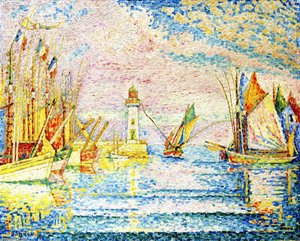
Paul Signac's "The Lighthouse, Groix" captures the vibrant beauty of Brittany’s coastline through Pointillism. Explore the harmonious vision of this Neo-Impressionist master and his innovative use of color.
მხატვრის ბიოგრაფია
პოლ სიგნაკი (1863-1935) – ნეოიმპრესიონიზმის მთავარი წარმომადგენელი და პუანტილიზმის ოსტატი. აღმოაჩინეთ მისი ცისფერი სანაპიროები, უნიკალური ფერების სიმ vibrancy და თანამედროვე ხელოვნებაზე გავლენა!
About the painting
The Harmonious Vision of Paul Signac: *The Lighthouse, Groix*
Paul Signac’s *The Lighthouse, Groix*, painted in 1925, is more than just a depiction of a coastal scene; it's a meticulously constructed exploration of light, color, and the very nature of perception. This captivating work embodies the core tenets of Neo-Impressionism, offering a glimpse into the artist’s systematic approach to painting – a deliberate departure from the fleeting impressions of Impressionism in favor of a scientifically informed method. The canvas vibrates with an almost palpable energy, born not from brushstrokes alone but from the careful orchestration of tiny, distinct dots of pure color, a technique Signac championed alongside Georges Seurat as Pointillism.
The subject itself – the iconic lighthouse of Groix Island off the coast of Brittany – is rendered with remarkable detail and atmospheric depth. The island’s rugged coastline, punctuated by the stark verticality of the lighthouse, dominates the composition. However, Signac doesn't simply record this view; he transforms it into a study in color and light. The sea, a shifting expanse of blues ranging from deep indigo to shimmering turquoise, is built up layer upon layer with these minuscule dots, creating an illusion of movement and depth that transcends mere representation. The boats scattered across the water – varying in size and type – are not merely incidental elements but contribute to the overall sense of scale and maritime activity.
The Science of Color: Pointillism Unveiled
At the heart of *The Lighthouse, Groix* lies Signac’s revolutionary approach to color. He believed that the eye could actually blend colors optically when viewed from a distance, rather than mixing them on the palette. This principle – known as Divisionism or Pointillism – dictated his meticulous process. Each individual dot is painted with a pure hue, carefully chosen for its specific optical effect. The viewer’s eye then performs the work of blending these dots together, creating a richer, more vibrant image than could be achieved through traditional brushwork. Notice how Signac uses complementary colors—blues and oranges, greens and reds—strategically placed to intensify their visual impact and create a dynamic interplay of light and shadow.
Signac’s research into color theory was deeply influenced by scientific studies of optics and the physiology of vision. He meticulously documented his experiments with color mixing, believing that understanding how the eye perceived color was crucial to achieving his desired effect. This wasn't simply an aesthetic pursuit; it was a genuine attempt to codify painting as a systematic process, rooted in observable reality.
A Symbol of Guidance and Hope
The lighthouse itself is more than just a navigational aid; within the context of Signac’s work, it carries significant symbolic weight. Lighthouses have long represented guidance, safety, and hope – beacons cutting through darkness and uncertainty. In *The Lighthouse, Groix*, its prominent position in the composition suggests a reassuring presence amidst the vastness and potential dangers of the sea. The boats, navigating towards or away from the lighthouse, symbolize human endeavor and the pursuit of direction. Furthermore, Signac’s interest in anarchist philosophy – explored in detail through his writings and artwork – subtly infuses the scene with themes of liberation and a rejection of established order, mirroring the lighthouse's role as an independent guide.
Collecting a Masterpiece: Reproduction & Beyond
*The Lighthouse, Groix* is a testament to Paul Signac’s innovative approach to painting and his profound understanding of color. TopImpressionists offers meticulously crafted hand-painted reproductions that capture the essence of this iconic work, allowing you to experience its beauty and complexity in stunning detail. Whether for your home, office, or collection, our reproductions provide an authentic representation of Signac's artistic vision – a harmonious blend of scientific rigor and evocative imagery. Explore the full artwork details on our website: The Lighthouse, Groix.
კითხვები და პასუხები
ვინ არის „The Lighthouse, Groix“-ის ავტორი და როდის შეიქმნა იგი?
"The Lighthouse, Groix" შექმნილია პოლ სიგნაკი-ის მიერ 1925 წელს.
რამდენ ადამიანს ნახავს „The Lighthouse, Groix“-ს?
პოლ სიგნაკი-ის „The Lighthouse, Groix“-ის სტატისტიკა გვერდი წარმოადგენს საჯარო ვიზიტების სტატისტიკას: ამ ნამუშევრის ყოველთვიურ ნახვებს, შედარებას ხელოვანის ყველაზე პოპულარულ ნამუშევრებთან და იმას, თუ საიდან მოდიან მისი დამთვალიერებლები.
რომელ სტილს მიეკუთვნება "The Lighthouse, Groix"?
პოლ სიგნაკი-ის „The Lighthouse, Groix“ მიეკუთვნება Neo-Impressionism სტილის მიმდევრობას. ეს მიმდევრობა ნამუშევარს სტილისტურ კონტექსტს სძენს.
Quick facts and art quiz
About პოლ სიგნაკი

პოლ სიგნაკი
1863 - 1935, საფრანგეთი
მხატვრის ბიოგრაფია
პოლ სიგნაკის ჰარმონიული ხედვა
პოლ ვიქტორ ჟული სიგნაკი, რომელიც 1863 წელს პარიზში დაიბადა, თანამედროვე ხელოვნების ევოლუციის საკვანძო ფიგურად გამოჩნდა, რაც განუყოფლად არის დაკავშირებული ნეოიმპრესიონიზმის დაბადებასა და განვითარებასთან. თავდაპირველად არქიტექტურით დაინტერესებული ახალგაზრდა, კლაუდ მონეს გამოფენასთან შეხვედრამ მასში მხატვრობისადმი მარადიული ვნება გააღვიძა, რამაც იგი იმ გზაზე დადგა, რომელმაც ფერების თეორია და მხატვრული გამოხატულება ხელახლა განსაზმავად შეუცვალა. სიგნაკი არ იყო მხოლოდ მხატვარი; იგი იყო სინათლისა, ფერისა და ვიზუალური აღქმის საფუძვლად მდგარი მეცნიერების თავდადებული მკვლევარი. მისმა ადრეულმა ნამუშევრებმა, მიუხედავად იმისა, რომ იმპრესიონისტულ ტენდენციებს ავლენდა, ჟორჟ სერას ღრმა გავლენის ქვეშ სწრაფად განვითარდა, რამაც შექმნა პარტნიორობა, რომლის შედეგადაც დაიბადა პუანტილიზმი – ტექნიკა, რომელიც ხასიათდება წმინდა ფერის პატარა, მკვეთრ წერტილების ზედმიწევნითი გამოყენებით, რაც მიზნად ისახავს მათ ოპტიკურ შერწყმას დამკვიდრებულის თვალში. ეს არ იყო მხოლოდ ესთეტიკა; ეს იყო მცდელობა, სისტემატურიყო ფერწერა, დაედგეს იგი მეცნიერულ პრინციპებს და გამოწვევა ესროლოს ტრადიციულ მხატვრულ ნორმებს.დიალოგი სერასთან და ნეოიმპესონიზმის დაბადება
1884 წელს სიგნაკისა და სერას შეხვედრა ორივე ხელოვანისთვის გარდამტამი აღმოჩნდა. მათ საერთო იყო ენჟენ დელაკროას ნაშრომებით გატაცება ფერების თეორიის შესახებ, განსაკუთრებით კი კომპლემენტარული კონტრასტებისა და ფერის ემოციური ზეგავლენის კვლევებით. მათ ერთად დაიწყეს ამ პრინციპების მკაცრი გამოკვლევა და მათ რევოლუციურ ფერწერის ტექნიკად გარდაქმნა. სიგნაკმა მთლიანად მიიღო სერას ხედვა, უარყო იმპრესონიზმის წარმავალი ფუნჯის მონასმები და გადავიდა ფერების წერტილების ზუსტი, გათვლილი გამოყენებისთვის. Boulevard de Clichy (1886) ადრეული დასტურია ამ ახალი მიდგომისა, რომელიც წარმოაჩენს სიგნაკის ზედმიწევნით სტილს და ქალაქის ცხოვრების დინამიკურობის მეცნიერული პრიზმით ასახვის მის მისწრწუხვას. თუმცა, მათი თანამშრომლობა არ იყო მხოლოდ ტექნიკური; იგი იყო ინტელექტუალური, გაღვიძებული მხატვრობის მეცნიერულ დონეზე ამაღლების საერთო სურვილით. სიგნაკი სერას იდეების ერთგული დამცველი გახდა, დაუღალავად იმروجებდა ნეოიმპრესიონიზმს და იცავდა მის პრინციპებს კრიტიკისგან. სერას ტრაგიკულმა ადრეულმა სიკვდილმა 1891 წელს, სიგნაკი მათი საერთო მხატვრული ხედვის მთავარ წარმომადგენლად დატოვა, როლი, რომელიც მან შეუპოვარი თავდადებით შეასრულა.სანაპირო ხილვები და მხატვრული დამოუკიდებლობა
სერას გარდაცვალების შემდეგ, სიგნაკის შემოქმედებითი მოგზაურობამ ახალი განზომილება შეიძინა, რაზეც დიდ გავლენას მოახდინა იალქნიანი ნავებით სეირნობისადმი მისი სიყვარულმა და ხმელთაშუა ზღვის სანაპიროর მომხიდამ. მან აღმოაჩინა სენტ-ტროპე 1892 წელს, სადაც შექმნა სახლი, რომელიც ხელოვანებისთვის თავშესაფარი და დაუსრულებელი შთაგონების წყარო გახდა. მოციმციმე წყლები, მზეზე განათებული პორტები და ულამაზესი სანაპირო ქალაქები იდეალურ გარემოს ქმნიდა სინათლისა და ფერის ურთიერთქმედების გამოსაკვლევად. The Red Buoy, Saint-Tropez (1895) სწორედ ამ პერიოდის მაგალითია, რომელიც წარმოაჩენს მის პუანტილიზმში ოსტატობას ზღვის დინამიკური ენერგიისა და ფერების ასახვაში. მისი ტექნიკა განვითარდა, გახდა უფრო დენადი და ექსპრესიული, თუმცა შეინარჩუნა მეცნიერული საფუძველი. მან დაიწყო ექსპერიმენტები უფრო მსხვილი ფუნჯის მონასმებითა და ფართო პალიტრით, რაც სერას ზუსტი წერტილოვანი მეთოდის მკაცრი დაცვის მიღმა გასვლას ნიშნავდა. სიგნაკის მოგზაურობები გასცდა საფრანგეთის საზღვრებს და მოიცავდა იტალიას, ჰოლანდიას და კონსტანტინოპლესაც კი, სადაც თითოეულმა მოგზაურობამ ამდიდრა მისი მხატვრული ლექსიკა და გააფართოვა მისი პერსპექტივა.ავანგარდის მფარველი და მარადიული მემკვიდრეობა
საკუთარი შემოქმედებითი ძიებების მიღმა, სიგნაკმა გადამწყვეტი როლი ითამაშა თანამედროვე ხელოვნების განვითარებაში Société des Artistes Indépendants-ის თავმჯდომარეობის მეშვეობით. 1908 წლიდან 1935 წლამდე სიკვდილამდე, იგი მხარს უჭერდა მხატვრულ თავისუფლებას და პლატფორმას სთავაზობდა აღმოცენებულ ტალანტებს, მათ შორის ჰენრი მატისს, ანდრე დერენს და ფავიზმისა თუ კუბიზმის სხვა პიონერებს. იგი პირველთა შორის იყო, ვინც აღიარა და მხარი დაუჭირა მათი გარდამტამი ნამუშევრები, რაც გამოწვევას უსვამდა ტრადიციულ ესთეტიკურ ნორმებს. სიგნაკის ერთგულებამ ინკლუზიურობისა და ინოვაციების მიღებისადმი მისწრაფებამ ხელი შეუწყო XX საუკუნის ხელოვნების ტრაექტორიის ფორმირებას. მისმა თეორიულმა ნაშრომებმა, განსაკუთრებით კი From Eugène Delacroix to Neo-Impressionism (1899), კიდევ უფრო განამტკიცა მისი პოზიცია ხელოვნების სამყაროს წამყვან ინტელექტუალურ ფიგურად. პოლ სიგნაკის მემკვიდრეობა ბევრად სცილდება მის მომხიბვლელ ნახატებს; იგი იყო ვიზიონერი მხატვარი, თავდადებული თეორეტიკოსი და გულუხვად მფარველი, რომელმაც ღრმად იმოქმედა თანამედროვე ხელოვნების მიმდინარეობაზე და წარუშლელი კვალი დატოვა მომავალი თაობების ხელოვანებზე.მნიშვნელოვანი თარიღები და მიღწევები
- 1863: დაიბადა პარიზში, საფრანგეთი.
- 1884: ჟორჟ სერასთან ერთად დააფუძნა Société des Artistes Indépendants.
- 1886: შექმნა *Boulevard de Clichy*, ადრეული პუანტილიზმის საკვანძო ნიმუში.
- 1895: შექმნა *The Red Buoy, Saint-Tropez*, რაც სანაპირო ხედების ოსტატობის დასტური იყო.
- 1899: გამოაქვეყნა *From Eugène Delacroix to Neo-Impressionism*, ფერების თეორიის ფუნდამენტური ნაშრომი.
- 1908 – 1935: იყო Société des Artistes Indépendants-ის პრეზიდენტი და მხარს უჭერდა ავანგარდულ ხელოვანებს.
- 1935: გარდაიცვალა პარიზში, 72 წლის ასაკში, დატოვა მდიდარი მხატვრული მემკვიდრეობა.
Quick facts about პოლ სიგნაკი
- Artistic Movement Or Style: ნეოიმპრესიონიზმი, პუენტილიზმი
- Artists Or Movements Influenced By This Artist:
- Henri Matisse
- Fauvism
- Artists Who Influenced This Artist:
- Claude Monet
- Georges Seurat
- Date Of Birth: 11 ნოემბერი, 1863
- Date Of Death: 15 აგვისტო, 1935
- Full Name: პოლ ვიქტორ ჟიულ სიგნაკი
- Nationality: ფრანგი
- Notable Artworks (List Of Titles):
- Boulevard de Clichy
- The Red Buoy
- La Valleuse
- Place Of Birth (City And Country): პარიზი, საფრანგეთი
მსგავსი ნამუშევრები


აღმოაჩინეთ ხელოვნების ნაწარმოებები თემების, სტილისა და მახასიათებლების მიხედვით დაჯგუფებული.


პოლ სიგნაკი
The Lighthouse, Groix
() ·
With its frame: · Hand-painted in oil on linen
Total