


 ნახვა ინტერьерში
 გაგზავნა
 გაზიარება
 დეტალები
 გზამკვლევი

 ჩამოტვირთვა
 მსგავსები
 რენტგენოგრაფიული კვლევა
 სლაიდშოუ
 სტატისტიკა
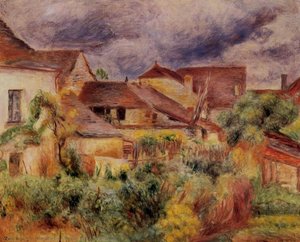
La Roche-Guyon


Discover Pierre-Auguste Renoir's 'La Roche-Guyon,' a serene landscape capturing village charm & Impressionist light. Explore this iconic painting’s details, artistic style, and its place in art history.
 სრული ტექსტის ნახვა
პროფესორ პიერ ბოგუსტე რენოირის ნაწილიანი სურათები და კოლორიტიური სტილი მფრჩნეს და სიხარულით სავსე სცენების გადასაღად არის ცნობილი და შეადგენს ხელოვნებათა ისტორიაში მნიშვნელოვანი პუნქტს.
გიკლე / ხელოვნების პრინტი
მუზეუმის დონის ჟიკლე ან ტილოზე ბეჭდვა სწრაფი წარმოებისა და დასრულების მოქნილი ვარიანტებით. ( შეიძინეთ ხელით შესრულებული ნახატი გადასვლა ციფრულ გამოსახულებაზე)




P118B ₾10

P118H ₾10

P118W ₾10

P438Z ₾10

P508JH ₾12

P508YH ₾12

P805H ₾10

P805Z ₾10

P919BZ ₾10

P919G ₾10

P919XJ ₾10

P959ZH ₾10

P968JZ ₾12

W106C ₾8

W218G ₾10

W218JH ₾8

W218Y ₾10

W307PJ ₾10

W316G ₾10

W316PJ ₾8

W316Y ₾10

W398PJ ₾8

W4111J ₾10

W500HY ₾15

W500JH ₾15

W692G ₾12

W849H ₾8

W940BG ₾15

W953PJ ₾8




სტანდარტული ზომა
ინდივიდუალური ზომა
CM
INCH
აირჩიეთ ჩვენს მიერ წინასწარ განსაზღვრული ზომებიდან, რომლებიც ნაწარმოების ორიგინალურ პროპორციებს შეესაბამება.
Loading sizes...

სიგანე
სიმაღლე
შეიყვანეთ თქვენთვის საჭირო სიგანე და სიმაღლე, რათა იგი მოერგოს თქვენს ჩარჩოს ან კედელს. ბეჭდვისას შესაძლებელია მხოლოდ მისი შემცირება და არა გაზრდა, ამიტომ სხვა ფორმის ზომის შემთხვევაში გამოსახულება ნაწილობრივ იკარგება. სანამ რაიმეს დაბეჭდავთ, ჩვენ გამოგიგზავნით ციფრულ მაკეტს დასდასტურებლად. ამ გვერდზე ნაჩვენები სურათი არ ასახავს რეალურ ჭრას — ამას მხოლოდ მაკეტი გვიჩვენებს.
მიწოდება მთელ მსოფლიოში () 2 კვირაში, სტანდარტული 4/5 კვირის ნაცვლად. (24 ოქტომბერი)

უფასო ექსპრეს მიწოდება მთელ მსოფლიოში

მაღალი ხარისხის ტილო

ტრანსპორტირების სრული დაზღვევა

საბაჟო გადასახადების დაბრუნების გარანტია

ფერების სრული შესაბამისობის გარანტია

დაბრუნების 100-დღიანი პერიოდი (მხოლოდ წარმოების დეფექტის შემთხვევაში)

100% თანხის სრული დაბრუნების გარანტია

ფასდაკლება დიდი რაოდენობით შეკვეთისას
 მინის ჩარჩოს არჩევანი ხელმისაწვდომია მხოლოდ 110 სმ-მდე ზომისთვის

La Roche-Guyon
გიკლე / ხელოვნების პრინტი
რეპროდუქციის ზომა
-


ჯამური ღირებულება
₾ 180
La Roche-Guyon: A Serene Vision of Rural Life by Pierre-Auguste Renoir
Pierre-Auguste Renoir’s “La Roche-Guyon,” painted in 1885, isn't merely a landscape; it’s an immersion into a fleeting moment of idyllic tranquility. The painting captures the essence of a small French village nestled within the verdant folds of the Vexin region, a place seemingly untouched by the anxieties and rapid changes of its time. More than just a picturesque scene, “La Roche-Guyon” embodies Renoir’s signature Impressionist style – an attempt to capture not just what is seen, but also the *feeling* of light, atmosphere, and the transient beauty of everyday life.
The composition immediately draws the eye to the prominent house with its distinctive red roof, a beacon amidst the surrounding greenery. This central structure isn’t imposing; rather, it feels integrated into the landscape, as if grown organically from the earth itself. Smaller buildings—a modest chapel, perhaps, or a farmer's dwelling—are scattered thoughtfully throughout the scene, adding to the village’s charm and sense of community. Renoir masterfully employs a technique of layering trees – some close enough to almost touch the houses, others receding into the distance – creating an illusion of depth that pulls the viewer into this peaceful world. The artist's use of broken brushstrokes and vibrant color is particularly evident in the dappled sunlight filtering through the leaves, lending the scene a luminous quality that feels both realistic and dreamlike.
The Impressionist Palette: Light and Color as Subject
Renoir’s approach to painting was deeply influenced by his contemporaries within the Impressionist movement. Like Monet and Sisley, he prioritized capturing the effects of light on color rather than meticulously rendering every detail. In “La Roche-Guyon,” this is strikingly evident. The greens are not uniform; they range from deep emerald to pale lime, reflecting the varying conditions of light and shadow. Similarly, the reds of the roof and other structures aren’t solid blocks of color but instead shimmer with hints of orange and pink, mirroring the warmth of the sun. This deliberate manipulation of color is central to Renoir's ability to evoke a specific mood – one of serenity, warmth, and quiet contemplation.
The painting’s atmosphere is remarkably peaceful, almost suspended in time. It’s as if the scene has been captured at a moment when life unfolds at its own unhurried pace. The absence of figures—no villagers strolling through the streets, no children playing—further contributes to this sense of stillness and invites the viewer to simply *be* within the painting's embrace.
A Window into Renoir’s World and Artistic Context
To understand “La Roche-Guyon,” it’s helpful to consider Renoir’s broader artistic journey. Initially apprenticed as a porcelain painter, he found his true calling in capturing the vibrancy of Parisian life and the beauty of the natural world. His early works were influenced by artists like Rubens and Watteau, who emphasized sensuality and elegance. However, he also absorbed elements from Realist painters such as Courbet and Manet, particularly their depictions of modern urban scenes. “La Roche-Guyon” represents a culmination of these influences – a harmonious blend of beauty, observation, and Impressionistic technique.
The painting’s creation coincided with Renoir's time spent in La Roche-Guyon, a village he frequented during the summers of 1885 and 1886. This personal connection undoubtedly informed his artistic choices, allowing him to capture not just a landscape but also a feeling of belonging and appreciation for the simple pleasures of rural life. It’s a testament to Renoir's ability to transform an ordinary scene into something extraordinary through his masterful use of color, light, and composition.
Beyond the Canvas: Exploring Renoir’s Legacy
“La Roche-Guyon” stands as a significant example of Impressionism’s impact on art history. The movement's emphasis on capturing fleeting moments and subjective experiences revolutionized painting techniques and challenged traditional notions of representation. Renoir’s work, alongside that of Monet, Degas, and Cézanne, helped to establish the Impressionists as leading figures in the late 19th-century art world.
If you're captivated by the beauty and tranquility of “La Roche-Guyon,” TopImpressionists.com offers exquisite hand-painted reproductions that faithfully capture the painting’s original charm. Explore our collection to bring this timeless masterpiece into your home or office, allowing its serene atmosphere to inspire and uplift.
Further Exploration: For a deeper dive into Renoir's artistic life, we recommend visiting our artist page or browsing our selection of other Impressionist masterpieces at TopImpressionists.com.
კითხვები და პასუხები
როგორ შემიძლია პიერ-ოგიუსტ რენუარი-ის „La Roche-Guyon“-ის ციფრული ფაილის მიღება?
"La Roche-Guyon" ხელოვნების ნიმუშის ციფრული ვერსია ხელმისაწვდომია როგორც მაღალი გარჩევადობის ციფრული გამოსახულების ჩამოტვირთვა, რისი შეძენაც შეგიძლიათ პირდაპირ მისი ციფრული გამოსახულება გვერდიდან.
შესაძლებელია თუ არა "La Roche-Guyon-ის" ნახვა სრულეკრანის სლაიდშოუ რეჟიმში?
სურათების სლაიდშოუ „La Roche-Guyon“-ის სანახავად ეწვიეთ ნამუშევრის სლაიდშოუ გვერდს.
პიერ-ოგიუსტ რენუარი-ის შემოქმედებითი განვითარების რომელ ეტაპს წარმოადგენს „La Roche-Guyon“?
პიერ-ოგიუსტ რენუარი-ის შემოქმედების პერიოდში, „La Roche-Guyon“ მიეკუთვნება Mature Period-ს. ეს ფაზა გვეხმარება მისი შედარება ხელოვანის სხვა ნამუშევრებთან.
მსგავსი ნამუშევრები


მხატვრის ბიოგრაფია
პიერ-ოგუსტ რენუარი: სინათლისა და სიხარულის მხატვერი
პიერ-ოგუსტ რენუარი (1841-1919) იყო ფრანგი გამოჩენილი მხატვარი, რომელმაც მნიშვნელოვანი როლი ითამაშა იმპრესიონიზმის განვითარებაში. მისი ნაწარმოებები სინათლის თბილ ელფერი, სიხარულის გადმომცემი ემოციები და ყოველდღიური ცხოვრების მომენტების შესანიშნავად აღქმული გამოსახულებები ხასიათდება. რენუარი დაიბადა ლიმოჟში, პატარა ქალაქში საფრანგეთში, სადაც მისი ოჯახი მალევე გადავიდა პარიზში ეკონომიკური შესაძლებლობების ძიებაში. ეს გადაწყვეტილება განსაზღვრავდა მის შემდგომი ცხოვრებასა და შემოქმედებას – სწორედ პარიზმა უბადო ხელი მხატვრის განვითარებაში.
მცირეწლის ასაკში რენუარი მუშაობდა ფაიანსის ქარხანაში, სადაც მან პირველად შეიძინა საღებავების გამოყენების გამოცდილება. თუმცა, მისი ნამდვილი გატაცება მხატვრობით მაშინ დაიწყო, როდესაც ხშირად სტუმრობდა ლუვრში და ოსტატების შედევრებს ითვალისწინებდა. მან ჩააბარა შარლ გლეირის სტუდიაში, სადაც გაიცნობა კლოედ მონე, ალფრედ სისი და ფრედერიკ ბაზილი – ამგვარად ჩამოყალიბდა იმპრესიონისტული მოძრაობის საფუძველი. თავდაპირველად რენოარი გუსტავ კორბეს რეალიზმისა და ედუარდ მანეს მიმდევარი იყო, თუმცა პეტრე პავლე რუბენსის და ჟან-ანტუან ვატოს ლამაზი ფერები და სენსუალურობა მის ხელოვნებაზეც დიდი გავლენა მოexerted.
იმპრესიონიზმის აღმასვლა და რენუარის უნიკალური სტილი
რენუარი აქტიური მონაწილე იყო პირველ იმპრესიონისტულ გამოფენაში 1874 წელს, სადაც მისი ნამუშევრებმა დიდი აჟიოტაžiota. თუმცა, ის არ დარჩა იმპრესიონიზმის ერთგვაროვან მორწმუნედ – მან თანდათანობით დაიწყო უფრო ფორმალური და კლასიკური მიდგომებისკენ გადასვლა. მისი ტილოები ხასიათდება ფერადი შტრიხებით, რომელიც სინათლის მოძრაობას აჩქარებს, რაც იმპრესიონიზმის მთავარი მახასიათებელია. "ბალე მულენ დე ლა გალეტ"-ი (1876) მისი ყველაზე ცნობილი ნაწარმოებრიდან ერთ-ერთი არის, რომელიც პარიზული ღამისმთევრობის სცენას ასახავს და დამნაშვებს თბილ სინათლეში ანათებს. "გემთკეების ლანჩი" (1880-81) კიდევ ერთი შედევრია, რომელიც ყოველდღიური ცხოვრების მომენტს ასახავს და დამნაშვებს გართულებას უყურებს.
შემოქმედებითი ნაწარმოებები და თემები
რენუარის შემოქმედებაში ჭარბობს სიხარულის, სილამაზისა და ყოველდღიური ცხოვრების აღქმა. მისი ტილოებში ხშირად გვხვდება ქალების გამოსახულებები, რომლებიც სინათლეში ანათებენ და გრძნობებს გამოხატავენ. "ბანაობის შემდეგ" (1885-87) რენუარის ნატიფსაკმევლად აღიარებულ ნამუშევრად ითვლება, სადაც მან ქალური სილამაზის ხატებაზე კონცენტრირება მოახდინა. ის არ ცდილობდა ისტორიული ანტოლოგიების შექმნას; პირიქით, ის ყოველდღიური ცხოვრების უბრალო მომენტებს აყვავებდა ხელოვნებად.
გვიანელი პერიოდი და მემკვიდრეობა
1890-იან წლებში რენუარი უფრო კლასიკურ სტილს მიმართავს, რაც მისი იტალიური მოგზაურობითაც განპირობებული იყო. თუმცა, ის არ უარყოფდა მთლიანად იმპრესიონიზმის პრინციპებს. ავთვისებიანი დაავადების გამო, რომელიც ხელს შეუშლიდა მის მოძრაობას, რენუარი იძულებული გახდა შეეცვალა ტექნიკა და უფრო მეტი ყურადღება დაეთმო ფორმებს. მისი გვიანელი ტილოები ხასიათდება თბილი ფერებით და უფრო მეტად კონცენტრირებულია ადამიანის სულისკვეთების აღქმასთან.
პიერ-ოგუსტ რენუარი გარდაიცვალა 1919 წელს, დაგვიტოვა უამრავ შესანიშნავ ნამუშევარს, რომელიც დღემდე აფასებენ მთელ მსოფლიოში. მისი მემკვიდრეობა განაგრძობს შთაბეჭდილებას ახალი თაობის მხატვრებზე და მისი ტილოები ხშირად გვხვდება სხვადასხვა სახის პროდუქტებზე, რაც მისი ხელოვნების უნივერსალურ პოპულარობას ადასტურებს. რენუარი იყო იმპრესიონიზმის ერთ-ერთი ყველაზე მნიშვნელოვანი წარმომადგენელი, რომელმაც შექმნა სინათლისა და სიხარულის სამყარო ტილოებზე.
- მთავარი თემები: ყოველდღიური ცხოვრება, ქალების გამოსახულებები, პარიზული სცენები, ბანაობა
- გავლენა: რუბენსი, ვატო, კორბე, მამეტი
- მნიშვნელოვანი ნამუშევრები: "ბალე მულენ დე ლა გალეტ", "გემთკეების ლანჩი", "ბანაობის შემდეგ"

პიერ-ოგიუსტ რენუარი
1841 - 1919 , საფრანგეთი
მოკლე ფაქტები
- Artistic Movement Or Style: იმპრესიონიზმი
- Artists Or Movements Influenced By This Artist: იმპრესიონიზმი
- Artists Who Influenced This Artist:
- რუბენსი
- ვატოს
- კურბე
- მანე
- Date Of Birth: 1841 წლის 25 თებერვალი
- Date Of Death: 1919 წლის 3 დეკემბერი
- Full Name: პიერ-ოგიუსტ რენუარი
- Nationality: ფრანგი
- Notable Artworks:
- მაუწნული ქალბატონი
- სადილო წყლის თავზე
- ცეკვა მულენ დე 라 გალეტი
- ახალგაზრდა ქალი თავს ივლება
- Place Of Birth: ლიმოჟი, საფრანგო
მსგავსი სტატიები

პოლ სეზანის 25 შედევრი: ხელოვნების ისტორიაში გამორჩეული ნაწარმოებები | TopImpressionists.com
აღმოაჩინეთ პოლ სეზანის 25 გამორჩეული შედევრი! იმპრესიონიზმი, პოსტიმპრესიონიზმი და კუბიზმის წინასწარმეტყველი. ნახატების ისტორია, ტექნიკა და შთაგონება TopImpressionists.com-ზე. 🖼️ ხელოვნების ბეჭვრა მუზეუმის ხარისხით.

Impressionistic Landscapes: 10 Masterpieces That Changed Art & Decor
Journey into the heart of Impressionism! Explore 10 masterpieces by Monet, Renoir & Degas that revolutionized landscape art. Discover their stories, techniques & find museum-quality reproductions to elevate your home decor on TopImpressionists.com.

პიერ-ოგუსტ რენუარის 25 შედევრი: ხელოვნების ისტორია თქვენს სახლში | TopImpressionists
გაიცანით პიერ რენუარის 25 საუკეთესო შედევრი! იმპრესიონიზმის სინათლე, ფერი და სილამარე. Le Moulin de la Galette-დან Luncheon of the Boating Party-მდე – ხელოვნების ისტორია TopImpressionists-ზე. ნახატების რეპროდუქციები თქვენი სახლისთვის. Explore the full collection online!

Evocations of Place: A Historical Journey Through Landscape Art
Explore the rich history of landscape art with TopImpressionists. Discover renowned artists, movements like Impressionism & Romanticism, and expert guidance for collecting timeless pieces. Find your perfect serene escape today!

Evocations of Place: A Historical Journey Through Landscape Art
Explore the rich history of landscape art with TopImpressionists. Discover renowned artists, movements like Impressionism & tonalism, and expert guidance for collecting timeless pieces. Find your perfect serene escape today!
აღმოაჩინეთ ხელოვნების ნაწარმოებები თემების, სტილისა და მახასიათებლების მიხედვით დაჯგუფებული.


