
Shown: · With its frame:
 ნახვა ინტერьерში
 გაგზავნა
 გაზიარება
 დეტალები
 გზამკვლევი

 ჩამოტვირთვა
 მსგავსები
 რენტგენოგრაფიული კვლევა
 სლაიდშოუ
 Q&A
Q&A სტატისტიკა

₾ 700
ხელით შესრულებული ზეთის საღებავით რეპროდუქცია
ტილოზე შესრულებული ფერწერიანი ზეთប្រდათი, თქვენთვის სასურველი ზომისა და ჩარჩოსთვის, ჩვენი ხელოვანების მიერ შეკვეთის საფუძველზე დამზადებული. ( გადართვა ბეჭდვის რეჟიმზე გადასვლა ციფრულ გამოსახულებაზე)
Size
·სტანდარტული ზომა
ინდივიდუალური ზომა
CM
INCH
აირჩიეთ ჩვენს მიერ წინასწარ განსაზღვრული ზომებიდან, რომლებიც ნაწარმოების ორიგინალურ პროპორციებს შეესაბამება.
Loading sizes...

სიგანე
სიმაღლე
შეიყვანეთ თქვენთვის საჭირო სიგანე და სიმაღლე, რათა ნახატი მოერგოს თქვენს ჩარჩოს ან კედელს. ვინაიდან ეს ნამუშევარი ხელით არის შესრულებული, სხვა ფორმის ზომის შემთხვევაში, მხატვარმა შესაძლოა სურათის გარშემო ოდნავ მეტი დატოვოს ან შეამციროს — არჩევანი თქვენზეა. დაწყებამდე, დასამტკიცებლად, ჩვენ გამოგიგზავნით ციფრულ მაკეტს. ამ გვერდზე ნაჩვენები სურათი არ ასახავს რეალურ შედეგს — რეალური სახე მხოლოდ მაკეტზე ჩანს.
 გაეცანით მეტს
Finish
·
White ₾1

Blurside ₾1

Extended ₾1

P118B ₾10

P118H ₾10

P118W ₾10

P438Z ₾10

P508JH ₾12

P508YH ₾12

P805H ₾10

P805Z ₾10

P919BZ ₾10

P919G ₾10

P919XJ ₾10

P959ZH ₾10

P968JZ ₾12

W106C ₾8

W218G ₾10

W218JH ₾8

W218Y ₾10

W307PJ ₾10

W316G ₾10

W316PJ ₾8

W316Y ₾10

W398PJ ₾8

W4111J ₾10

W500HY ₾15

W500JH ₾15

W692G ₾12

W849H ₾8

W940BG ₾15

W953PJ ₾8

H24-GOLD ₾30

H24-SILVER ₾30

H36-GOLD ₾45

H36-SILVER ₾45
Shipped in a protective tube, ready for your own framer.
Above 105 cm the frame is shipped as a kit for a professional framer — read the details.
Extras
optionalWhat do the extras include?
Examples of what can be changed: Replace face with customer photo; Add pet (e.g., replace cat with dog); Include hidden message in background; Change background landscape or elements.
After order, TopImpressionists.com team will email client for instructions and provide a mockup preview
After order, TopImpressionists.com team will email client for instructions and provide a mockup preview
მიწოდება მსოფლიო მასშტაბით -ში 3/4 კვირაში, სტანდარტული 5 კვირის ნაცვლად. (30 ოქტომბერი). ხარისხზე კომპრომისის გაკეთება არ მოხდება.
დამცავი ლაქი
სახელოვანი ფირფიტა
დაკვეთილი ბრინჯაოს ფირფიტის დეტალები
This elegant plaque features the artist's name and the title of the artwork, finely engraved for a timeless presentation.
It is made from bronze with a refined, elegant finish. The text is precisely laser-engraved for a sharp and permanent result. Measuring 9x2 cm, the plaque is compact yet easy to read. It's built to be durable and scratch-resistant, offering a professional, museum-quality look. Mounting is simple thanks to the included adhesive backing.
აკრილის გამჭვირვალე ფირფიტის დეტალები
The plaque includes essential engraved details such as the artist's name, the title of the artwork, the date it was created, the type of media used-like oil on canvas or watercolor-a brief description of the piece, and a QR code that links to the complete artwork information.
It is crafted from clear acrylic, offering a sleek, modern appearance. The text is UV-engraved in black to ensure strong visual contrast. With a size of 10x15 cm, it ensures optimal readability. It comes equipped with two metal hooks for secure wall mounting. The plaque is designed to be weather-resistant, making it suitable for various environments, and it includes interactive features that work seamlessly with smartphone scanning.
შავი აკრილის ფირფიტის დეტალები
This elegant plaque includes engraved information such as the artist's name, the title of the artwork, the date it was created, the type of media used (like oil on canvas or watercolor), a short description of the artwork, and a QR code for quick access to more information.
The plaque itself is made from refined black acrylic with a premium finish. The text is laser-engraved in white for high contrast and readability. Its size is 10x15 cm, designed to be easy to read. It comes with two metal hooks for professional mounting. The design is sleek and fits any interior style. It is also weather-resistant and durable, with built-in digital integration for mobile compatibility.
მინის ჩარჩოს არჩევანი ხელმისაწვდომია მხოლოდ 110 სმ-მდე ზომისთვის
 მინის ჩარჩოს არჩევანი ხელმისაწვდომია მხოლოდ 110 სმ-მდე ზომისთვის
- უფასო ექსპრეს მიწოდება მთელ მსოფლიოში
- მაღალი ხარისხის ტილო
- ტრანსპორტირების სრული დაზღვევა
- საბაჟო გადასახადების დაბრუნების გარანტია
- ფერების სრული შესაბამისობის გარანტია
- დაბრუნების 100-დღიანი პერიოდი (მხოლოდ წარმოების დეფექტის შემთხვევაში)
- 100% თანხის სრული დაბრუნების გარანტია
- ფასდაკლება დიდი რაოდენობით შეკვეთისას


კოლექციონირებადი ნივთის აღწერა
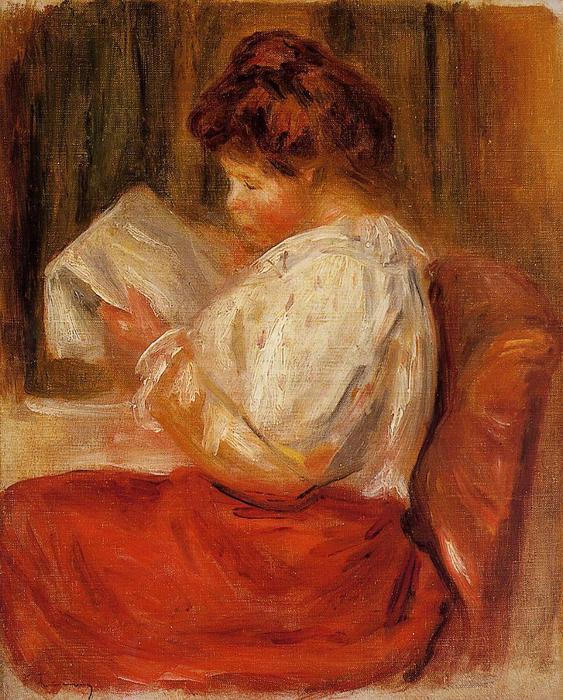
Discover Pierre-Auguste Renoir's 'The Little Reader,' a charming portrait capturing a young girl lost in a book. Explore Impressionism’s beauty through this iconic masterpiece and learn about the artist’s life.
მხატვრის ბიოგრაფია
პროფესორ პიერ ბოგუსტე რენოირის ნაწილიანი სურათები და კოლორიტიური სტილი მფრჩნეს და სიხარულით სავსე სცენების გადასაღად არის ცნობილი და შეადგენს ხელოვნებათა ისტორიაში მნიშვნელოვანი პუნქტს.
About the painting
A Moment of Quietude: The Story Behind "The Little Reader"
Pierre-Auguste Renoir’s “The Little Reader,” painted circa 1890, isn't merely a portrait; it’s a distillation of Parisian life and the quiet beauty of domesticity. It captures a fleeting moment – a young girl lost in the world contained within the pages of a book – yet resonates with an enduring sense of peace and contemplation. The painting immediately draws the eye to its subject, a young woman seated comfortably in a chair, bathed in soft light, utterly absorbed in her reading. This isn’t a dramatic scene; there are no grand gestures or sweeping landscapes. Instead, Renoir masterfully focuses on the intimacy of the interior space and the simple pleasure of intellectual engagement.
The setting itself is crucial to understanding the painting's mood. The muted colors – predominantly reds, browns, and creams – create a warm, inviting atmosphere. A partially visible figure in the background suggests a family life unfolding beyond the frame, hinting at connection and continuity while simultaneously emphasizing the girl’s solitary focus. A couch sits behind her, further reinforcing the sense of a comfortable, lived-in space—a sanctuary for quiet reflection.
Impressionism's Embrace: Technique and Style
“The Little Reader” is a quintessential example of Renoir’s mature Impressionist style. He employs loose, visible brushstrokes – a hallmark of the movement – to capture the play of light and shadow on the girl’s face, dress, and the book itself. Notice how he doesn't attempt to render every detail with photographic precision; rather, he prioritizes conveying the *impression* of these elements, using color and texture to evoke feeling and atmosphere. The dappled effect created by his brushwork adds a sense of movement and vibrancy to the scene, as if the light is constantly shifting.
Renoir’s use of color is particularly noteworthy. He employs broken colors – applying small dabs of paint side-by-side rather than blending them smoothly—to create a luminous effect. The red dress stands out against the warmer tones of the background, drawing attention to the girl and adding a touch of youthful energy to the composition. The subtle variations in color also contribute to the painting’s overall sense of depth and realism.
Symbolism and Emotional Resonance
Beyond its technical brilliance, “The Little Reader” is rich in symbolism. The act of reading itself represents knowledge, imagination, and escape – a refuge from the complexities of life. The girl's absorption in her book suggests a desire for intellectual growth and self-discovery. Renoir was deeply interested in portraying women, often depicting them as beautiful, sensual figures, and this painting is no exception. The young woman’s serene expression and posture convey a sense of contentment and inner peace.
Furthermore, the scene evokes a nostalgic longing for simpler times—a time when childhood innocence and quiet contemplation were valued. It's a reminder that beauty can be found in the most ordinary moments, and that even a simple act like reading can hold profound meaning. The painting’s enduring appeal lies in its ability to transport us back to a moment of tranquility and invite us to share in the girl’s peaceful solitude.
A Timeless Masterpiece: Reproductions for Your Home
TopImpressionists offers meticulously crafted, hand-painted reproductions of “The Little Reader” that capture the essence of Renoir's original masterpiece. Each reproduction is created by skilled artists using traditional techniques and high-quality materials, ensuring a faithful representation of the painting’s beauty and detail. Whether you are an art collector, interior designer, or simply someone who appreciates fine art, our reproductions provide a stunning way to bring this iconic image into your home or office.
კითხვები და პასუხები
რა მასალისგან არის შექმნილი "The Little Reader"?
"The Little Reader" შესრულებულია Oil On Canvas-ით.
არის თუ არა "The Little Reader" საავტორო უფლებებისგან თავისუფალი?
პიერ-ოგიუსტ რენუარი-ის „The Little Reader“ არის საჯარო საკუთრებაშია - მისი საავტორო უფლებები ამოწდა. ეს სტატუსი განსაზღვრავს, თუ როგორ შეიძლება ნამუშევრის გამოსახულების რეპროდუცირება.
რომელი სივრცე შეესაბამება პიერ-ოგიუსტ რენუარი-ის „The Little Reader“-ის ფერებს?
Dark ფერების გათვალისწინებით, „The Little Reader“ რეკომენდებულია Living Room-ისთვის.
Quick facts and art quiz
About პიერ-ოგიუსტ რენუარი

პიერ-ოგიუსტ რენუარი
1841 - 1919, საფრანგეთი
მხატვრის ბიოგრაფია
პიერ-ოგუსტ რენუარი: სინათლისა და სიხარულის მხატვერი
პიერ-ოგუსტ რენუარი (1841-1919) იყო ფრანგი გამოჩენილი მხატვარი, რომელმაც მნიშვნელოვანი როლი ითამაშა იმპრესიონიზმის განვითარებაში. მისი ნაწარმოებები სინათლის თბილ ელფერი, სიხარულის გადმომცემი ემოციები და ყოველდღიური ცხოვრების მომენტების შესანიშნავად აღქმული გამოსახულებები ხასიათდება. რენუარი დაიბადა ლიმოჟში, პატარა ქალაქში საფრანგეთში, სადაც მისი ოჯახი მალევე გადავიდა პარიზში ეკონომიკური შესაძლებლობების ძიებაში. ეს გადაწყვეტილება განსაზღვრავდა მის შემდგომი ცხოვრებასა და შემოქმედებას – სწორედ პარიზმა უბადო ხელი მხატვრის განვითარებაში.
მცირეწლის ასაკში რენუარი მუშაობდა ფაიანსის ქარხანაში, სადაც მან პირველად შეიძინა საღებავების გამოყენების გამოცდილება. თუმცა, მისი ნამდვილი გატაცება მხატვრობით მაშინ დაიწყო, როდესაც ხშირად სტუმრობდა ლუვრში და ოსტატების შედევრებს ითვალისწინებდა. მან ჩააბარა შარლ გლეირის სტუდიაში, სადაც გაიცნობა კლოედ მონე, ალფრედ სისი და ფრედერიკ ბაზილი – ამგვარად ჩამოყალიბდა იმპრესიონისტული მოძრაობის საფუძველი. თავდაპირველად რენოარი გუსტავ კორბეს რეალიზმისა და ედუარდ მანეს მიმდევარი იყო, თუმცა პეტრე პავლე რუბენსის და ჟან-ანტუან ვატოს ლამაზი ფერები და სენსუალურობა მის ხელოვნებაზეც დიდი გავლენა მოexerted.
იმპრესიონიზმის აღმასვლა და რენუარის უნიკალური სტილი
რენუარი აქტიური მონაწილე იყო პირველ იმპრესიონისტულ გამოფენაში 1874 წელს, სადაც მისი ნამუშევრებმა დიდი აჟიოტაžiota. თუმცა, ის არ დარჩა იმპრესიონიზმის ერთგვაროვან მორწმუნედ – მან თანდათანობით დაიწყო უფრო ფორმალური და კლასიკური მიდგომებისკენ გადასვლა. მისი ტილოები ხასიათდება ფერადი შტრიხებით, რომელიც სინათლის მოძრაობას აჩქარებს, რაც იმპრესიონიზმის მთავარი მახასიათებელია. "ბალე მულენ დე ლა გალეტ"-ი (1876) მისი ყველაზე ცნობილი ნაწარმოებრიდან ერთ-ერთი არის, რომელიც პარიზული ღამისმთევრობის სცენას ასახავს და დამნაშვებს თბილ სინათლეში ანათებს. "გემთკეების ლანჩი" (1880-81) კიდევ ერთი შედევრია, რომელიც ყოველდღიური ცხოვრების მომენტს ასახავს და დამნაშვებს გართულებას უყურებს.
შემოქმედებითი ნაწარმოებები და თემები
რენუარის შემოქმედებაში ჭარბობს სიხარულის, სილამაზისა და ყოველდღიური ცხოვრების აღქმა. მისი ტილოებში ხშირად გვხვდება ქალების გამოსახულებები, რომლებიც სინათლეში ანათებენ და გრძნობებს გამოხატავენ. "ბანაობის შემდეგ" (1885-87) რენუარის ნატიფსაკმევლად აღიარებულ ნამუშევრად ითვლება, სადაც მან ქალური სილამაზის ხატებაზე კონცენტრირება მოახდინა. ის არ ცდილობდა ისტორიული ანტოლოგიების შექმნას; პირიქით, ის ყოველდღიური ცხოვრების უბრალო მომენტებს აყვავებდა ხელოვნებად.
გვიანელი პერიოდი და მემკვიდრეობა
1890-იან წლებში რენუარი უფრო კლასიკურ სტილს მიმართავს, რაც მისი იტალიური მოგზაურობითაც განპირობებული იყო. თუმცა, ის არ უარყოფდა მთლიანად იმპრესიონიზმის პრინციპებს. ავთვისებიანი დაავადების გამო, რომელიც ხელს შეუშლიდა მის მოძრაობას, რენუარი იძულებული გახდა შეეცვალა ტექნიკა და უფრო მეტი ყურადღება დაეთმო ფორმებს. მისი გვიანელი ტილოები ხასიათდება თბილი ფერებით და უფრო მეტად კონცენტრირებულია ადამიანის სულისკვეთების აღქმასთან.
პიერ-ოგუსტ რენუარი გარდაიცვალა 1919 წელს, დაგვიტოვა უამრავ შესანიშნავ ნამუშევარს, რომელიც დღემდე აფასებენ მთელ მსოფლიოში. მისი მემკვიდრეობა განაგრძობს შთაბეჭდილებას ახალი თაობის მხატვრებზე და მისი ტილოები ხშირად გვხვდება სხვადასხვა სახის პროდუქტებზე, რაც მისი ხელოვნების უნივერსალურ პოპულარობას ადასტურებს. რენუარი იყო იმპრესიონიზმის ერთ-ერთი ყველაზე მნიშვნელოვანი წარმომადგენელი, რომელმაც შექმნა სინათლისა და სიხარულის სამყარო ტილოებზე.
- მთავარი თემები: ყოველდღიური ცხოვრება, ქალების გამოსახულებები, პარიზული სცენები, ბანაობა
- გავლენა: რუბენსი, ვატო, კორბე, მამეტი
- მნიშვნელოვანი ნამუშევრები: "ბალე მულენ დე ლა გალეტ", "გემთკეების ლანჩი", "ბანაობის შემდეგ"
Quick facts about პიერ-ოგიუსტ რენუარი
- Artistic Movement Or Style: იმპრესიონიზმი
- Artists Or Movements Influenced By This Artist: იმპრესიონიზმი
- Artists Who Influenced This Artist:
- რუბენსი
- ვატოს
- კურბე
- მანე
- Date Of Birth: 1841 წლის 25 თებერვალი
- Date Of Death: 1919 წლის 3 დეკემბერი
- Full Name: პიერ-ოგიუსტ რენუარი
- Nationality: ფრანგი
- Notable Artworks:
- მაუწნული ქალბატონი
- სადილო წყლის თავზე
- ცეკვა მულენ დე 라 გალეტი
- ახალგაზრდა ქალი თავს ივლება
- Place Of Birth: ლიმოჟი, საფრანგო
მსგავსი ნამუშევრები


აღმოაჩინეთ ხელოვნების ნაწარმოებები თემების, სტილისა და მახასიათებლების მიხედვით დაჯგუფებული.


პიერ-ოგიუსტ რენუარი
The Little Reader
() ·
With its frame: · Hand-painted in oil on linen
Total