

 ნახვა ინტერьерში
 გაგზავნა
 გაზიარება
 დეტალები
 გზამკვლევი

 ჩამოტვირთვა
 მსგავსები
 რენტგენოგრაფიული კვლევა
 სლაიდშოუ
 სტატისტიკა
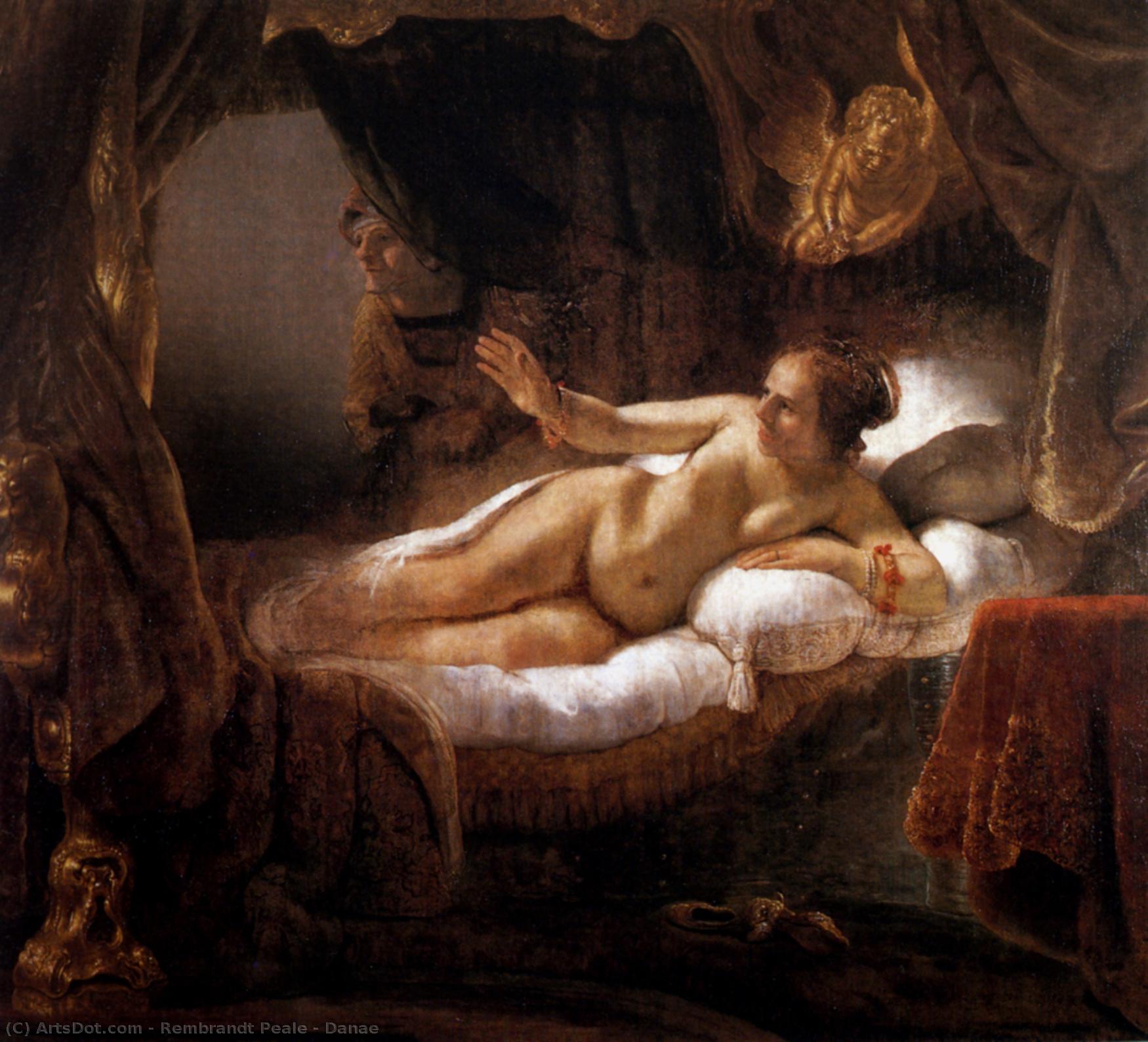
Danae
 Oil On Canvas
- WallArt
- Baroque
 1643
1643 203.0 x 185.0 cm
 Hermitage Museum
Discover Rembrandt Peale’s ‘Danae,’ a dramatic Baroque oil painting of Zeus’s golden rain. Explore its chiaroscuro, opulent details & mythological themes – a stunning masterpiece!
 სრული ტექსტის ნახვა
რემბრანდტ პეილი - ამერიკის იკონური პორტრეტისტი, ცნობილია ვაშინგტონის და ჯეფერსონის განსაცვიფრებელი გამოსახულებებით. აღმოაჩინეთ მისი ნეოკლასიკური სტილი და ისტორიული მნიშვნელობა.
Get a print-ready file that goes far beyond the web preview. Every digital image we sell comes from a high-resolution master in our stock database — usually 5,000 to 15,000 pixels wide — so you can print large, crop tightly, or reproduce fine detail with confidence.
No file leaves our studio untouched. A digital expert checks the colors against the original painting and corrects them if needed, then improves clarity and detail with professional retouching tools — always staying faithful to the artist's brushwork and style. The result is an image that looks like the painting, not like a filtered scan.
You approve before you're done: our expert sends the image by e-mail within 72 hours for your review. Not satisfied? Ask for improvements or corrections, or request a refund if the quality falls short.
This is the quality relied on by publishers, design studios, galleries and print shops.
ციფრული გამოსახულება
ჩამოტვირთეთ მაღალი გარჩევადობის ფაილი პირადი გამოყენებისთვის, დასაბეჭდად და შემოქმედებითი პროექტებისთვის. ( გადართვა ბეჭდვის რეჟიმზე შეიძინეთ ხელით შესრულებული ნახატი)
ყოველ ციფრულ გამოსახულების შეკვეთაში შედის
გარანტირებული პროფესიონალური ციფრული მიწოდება
როდესაც ირჩევთ TopImpressionists.com-ს, თქვენ მხოლოდ სურათს კი არ იღებთ, არამედ იღებთ პროფესიონალურად დამუშავებულ ციფრულ ნამუშევარს, რომელიც შექმნილია უზადო სიზუსტით და დაცულია კმაყოფილების გარანტიით. თქვენს შეკვეთას ავტომატურად მოჰყვება შემდეგი:

სწრაფი ელექტრონული მიწოდება
თქვენს მაღალი რეზოლუციის ციფრულ გამოსახულებას შეკვეთის დაწყებიდან 72 საათში ელექტრონული ფოსტით მიიღებთ — ის მზად იქნება დაუყოვნებლივი გამოყენებისთვის.

ხელოვნური ინტელექტით გაუმჯობესებული ციფრული ფაილი
თქვენი ხელოვნების ნიმუშები პროფესიონალურად არის ოპტიმიზებული მოწინავე AI ინსტრუმენტებისა და მექანიკური რედაქტირების მეშვეობით, რაც უზრუნველყოფს მაქსიმალურ დეტალიზაციას, სიცხადესა და ფერების სიზუსტეს.

ციფრული გამოსახულებების უფასო სამუდამო ხელახალი მიღება
ფაილი შემთხვევით წაიშალა ან დაკარგეთ? ნუបედავთ — ჩვენ მას ნებისმიერ დროს, უფასოდ ხელახლა გამოგეგზავნით.

იმპორტის გადასახადების გარეშე — ყოველთვის
ჭიდად ისიამოვნეთ თქვენი ნამუშევრით მყისიერად, საბაჟო გადასახადის, მოსაკრებლის ან მიწოდების ხარჯის გარეშე - ციფრული ჩამტვირთვისას ყოველთვის საგადასახადო თავისუფლებაა.

ფერების სიზუსტის გარანტია
პროფესიონალური ინსტრუმენტებისა და ფერების მართვის სისტემის გამოყენებით, ჩვენ უზრუნველყოფთ, რომ თქვენი ციფრული გამოსახულება მაქსიმალურად ზუსტად ასახავდეს ორიგინალურ ფერებს.

კმაყოფილების 100-დღიანი გარანტია
თუ თქვენ არ დაკმაყოფილებული ხართ თქვენი ციფრული გამოსახულებით, ჩვენ შევიტანთ მასში ცვლილებებს ან დაგიბრუნებთ 100% თანხას 100 დღის განმავლობაში — ყოველგვარი კითხვის დასმევის გარეშე.

100% თანხის დაბრუნების გარანტია
არ არის კმაყოფილი? მიიღეთ თანხის სრული დაბრუნება ციფრული ფაილის მიღებიდან 100 დღის განმავლობაში — ყოველგვარი დამატებითი კითხვების გარეშე.

ფასდაკლება დიდი რაოდენობით შეკვეთაზე
შეიძინეთ 3 გამოსახულება და მიიღეთ 10% ფასდაკლება - შეიძინეთ 5 და მიიღეთ 15% ფასდაკლება - შეიძინეთ 10+-ზე და მიიღეთ 20% ფასდაკლება. იდეალურია კრეატიული პროექტებისთვის, გალერეებისა და სააგენტოებისთვის.
Danae: A Baroque Drama of Divine Desire
Rembrandt Peale’s “Danaë,” painted in 1643, is not merely a depiction of Greek mythology; it's a visceral exploration of desire, vulnerability, and the unsettling power of the divine. This arresting oil on canvas immediately commands attention with its dramatic chiaroscuro – a masterful manipulation of light and shadow that plunges the scene into an opulent, almost suffocating darkness, punctuated by the radiant glow of Zeus’s golden rain. The painting's mood is profoundly evocative, hinting at both beauty and impending doom, a hallmark of the Baroque style which Peale expertly employs.
At the heart of the composition lies Danaë, reclining on a luxurious bed draped in rich fabrics and adorned with pillows. Her nudity, while undeniably provocative, isn’t presented as overtly sensual; rather, it emphasizes her vulnerability and passive acceptance of fate. The sheer curtain partially concealing her body subtly reveals the descending golden rain – not a gentle blessing, but a torrent of shimmering light that feels both miraculous and threatening. This visual paradox is crucial to understanding the painting's central theme: the precarious balance between divine gift and potential corruption.
The Anatomy of Baroque Drama
Peale’s technical skill is evident in every brushstroke. The impasto technique – building up thick layers of paint – creates a remarkable sense of texture, particularly in the drapery and the swirling golden rain. These areas practically leap off the canvas, drawing the viewer into the scene with an almost tactile quality. The use of line is equally deliberate; flowing lines define the luxurious fabrics, while sharp, angular lines delineate the architectural elements within the chamber, creating a dynamic interplay between organic curves and geometric precision.
Furthermore, Peale’s understanding of perspective is subtly flattened, prioritizing emotional impact over strict realism. This choice contributes to the painting's dreamlike quality, intensifying the sense of drama and heightening the viewer’s engagement with the narrative. The lighting itself – a strong directional light illuminating Danaë’s face and upper body – serves to heighten her importance within the composition while simultaneously shrouding the background in shadow, creating an atmosphere of mystery and foreboding.
Mythological Symbolism and Historical Context
“Danaë” is rooted firmly in Greek mythology. The story recounts how Zeus, disguised as a shower of golden rain, seduced Danaë, daughter of King Aetius, and fathered Perseus, the hero who would later slay Medusa. The golden rain isn’t simply a symbol of fertility; it represents Zeus's divine intervention – an irresistible force that disrupts the natural order and exposes Danaë to his desires. The painting captures this moment of transgression and the subsequent consequences for both woman and family.
Painted during a period of intense artistic experimentation, “Danaë” reflects the influence of the Dutch Baroque masters, particularly Rembrandt van Rijn (hence Peale’s namesake). However, Peale adapts these influences to create a distinctly American style. The painting also speaks to the broader cultural anxieties of the time – concerns about unchecked power, the role of women in society, and the relationship between humanity and the divine. It's important to note that Peale was part of a burgeoning artistic community in Philadelphia, and his work contributed significantly to the development of American portraiture and landscape painting.
A Legacy of Likeness: The Peale Museum Connection
Rembrandt Peale’s legacy extends beyond this single masterpiece. He was a pivotal figure in establishing America's first museum – The Peale Museum – alongside his father, Charles Willson Peale. This institution, dedicated to showcasing art, natural history, and scientific specimens, played a crucial role in fostering public engagement with the arts and sciences. The museum itself stands as a testament to Peale’s commitment to education and cultural enrichment. Reproductions of works like “Danae” are now available through TopImpressionists.com, allowing enthusiasts worldwide to experience the power and beauty of this iconic painting.
კითხვები და პასუხები
რა არის რემბრანდტ პილი-ის „Danae“-ის დომინანტური ფერი?
Black (#140a09) არის რემბრანდტ პილი-ის „Danae“-ის დომინანტური ფერი.
შესაძლებელია "Danae" უფრო დეტალურად შევისწოვო?
"Danae" შესაძლებელია ფენად ფენად დავათვალიეროთ ნამუშევრის რენტგენოგრაფია გვერდზე, რომელიც წარმოადგენს ინტერაქტიულ ვიზუალურ ხელსნოს, რესტავრატორის სინათლის მაგიდის შთაგონებით შექმნილით და გამოსახულების თერთმეტ ოპტიკურ შრეზე დაფუძნებული წაკითხვადობით.
რა ስሜრს წარმოშობს რემბრანდტ პილი-ის „Danae“-ის ფერები?
რემბრანდტ პილი-ის „Danae“ აერთიანებს Earthy პალიტრას და Melancholic ტონალობას.
მხატვრის ბიოგრაფია
რემბრანდტ პეილის მემკვიდრეობა: ცხოვრება და ხელოვნება
რემბრანდტ პეილი, რომელიც დაიბადა 1778 წელს ბაკსის ოლქში, პენსილვანიაში, წარმოიშვა ოჯახიდან, რომელიც ღრმად იყო ჩართული ამერიკის ადრეული ეპოქის განვითარებად ხელოვნების სამყაროში. მისი მამა, ჩარლზ უილსონ პეილი, მხოლოდ მხატვარი არ იყო, არამედ კულტურული ძალა – მხატვარი, მუზეუმის დამფუძნებელი და გულწრმად სწამდელი, რომ ხელოვნებას შეუძლია ეროვნული იდენტობის ჩამოყალიბება. სწორედ ამ სტიმულირებელ გარემოში მიიღო ახალგაზდა რემბრანდტმა საფუძველადი მომზადება თავის ძმებთან ერთად, ისწავლა პორტრეტისა და ლანდშაფტის ხატვის ტექნიკა მამის უნარიანი ხელებით. სახელის მიცემა “რემბრანდტი”, რომელიც ასახავს ჰოლანდიელოსტატს ჰარმენსზონ ვან რეინს, ჩარლზ უილსონ პეილის მისწრაფებები იყო მისი ვაჟისთვის – იმედი, რომ ის გააგრძელებდა მხატვრობის ტრადიციას. რემბრანდტმა ადრეულ ასაკშივე გამოჩინა არაჩვეულო უნარი და თერთმეტი წლის ასაკში შექმნა პირველი ავტოპორტრეტი, რომელშიც უკვე ჩანს სიზუსტე და ამბიცია, რაც მისი მომწიფებული სტილისთვის დამახასიათებელია. ეს ადრეული ნამუშევარი მხოლოდ ტექნიკური უნარის ჩვენება არ იყო; ეს იყო განზრახვის გამოცხადება, ახალგაზდა მხატვრის დეკლარაცია ამერიკის ხელოვნების სცენაზე.ფორმირების წლები და ნეოკლასიკური გავლენა
პეილის სამხატვრო მოგზაურობამ მას 30-იან წლებში პარიზში მიიყვანა, რაც გადამწყვეტი გამოცდილება იყო, რომელმაც მნიშვნელოვნად ჩამოაყალიბა მისი ესთეტური მგრძნობელობა. ევროპული კულტურის გულში ჩაძირული, მან შეხვდა ფრანგული ნეოკლასიკიზმის მოქმედ ძალებს – სტილს, რომელიც ხაზავდა წესრიგს, სიცხადეს და კლასიკურ იდეალებზე დაბრუნებას. ეს გავლენა ცხადად ჩანს პეილის შემდგომ ნამუშევრებში, რომლებიც ხასიათდება გაწმენდილი ნახატობით, ბალანსირებული კომპოზიციებითა და ზუსტი ყურადღებით დეტალებზე. იმ დროს, როდესაც მამის პორტრეტებს ხშირად ჰქონდათ გარკვეული სოფლისVitality, რემბრანდტის ნამუშევრები უფრო გაპრიალებული და იდეალიზებული წარმოდგენა იყო მისი სუბიექტების შესახებ. მან ამ პერიოდში მიიღო ენკაუსტიკის ტექნიკა, უძველესი მეთოდი, რომელიც ხატვის საშუალებად ცვილს იყენებს, რაც აჩვენებს ინოვაციური მიდგომების შესწავლაში მის ერთგულებას. თუმცა, პეილმა ევროპული სტილის მხოლოდ ასლი არ გააკეთა; მან ისინი ამერიკულ კონტექსტში ადაპტირდა, შექმნა პორტრეტები, რომლებიც ასახავდნენ ერის განვითარებად იდენტობის გრძნობასა და კულტურულ დამოუკიდებლობის მისწრაფებას. ზუსტი მსგავსების აღსაბამყოფად მისი ერთგულება, ნეოკლასიკური მომზადებასთან ერთად, საშუალება მისცა მას შეექმნა გამოსახულებები, რომლებიც ესთეტურად სასიამოვნო და ისტორიულად მნიშვნელოვანი იყო.პროდუქტიული პორტრეტისტი: ეპოქის აღსაბამყოფად
რემბრანდტ პეილის კარიერა საუცხოოდ პროდუქტიული იყო, რაც დამახასიათებელია მხატვრობის სრულყოფილების უმძიმესი ძიება და მისი დროის გამოჩენილი ფიგურების ჩამოწერა. ის განსაკუთრებით ცნობილი გახდა ჯორჯ ვაშინგტონის პორტრეტებისთვის, შექმნა 70-ზე მეტი ასლი მისი საკულტო “Patriae Pater” (სამშობლოს მამის) გამოსახულების შესახებ. ეს სურათები მხოლოდ ფიზიკური გარეგნობის წარმოდგენა არ იყო; ისინი ყურადღებით აგებული ეროვნული სიამაყისა და ლიდერობის სიმბოლოები იყვნენ. პეილმა გაიგო პორტრეტის ძალა საზოგადოების აღქმის ჩამოყალიბებაში და კოლექტიური მეხსიერების შექმნაში. ვაშინგტონის გარდა, მან დაასახელა მრავალი სხვა გავლენიანი ადამიანი, მათ შორის თომას ჯეფერსონი, ჯონ კალჰუნი და ამერიკისელი ელიტის სხვა წევრები. მისი პორტრეტები არ შემოიფარგლებოდა პოლიტიკური ფიგურებით; მან ასევე აღწერა ჩვეულებრივი მოქალაქეების მსგავსებები, რაც გვაძლევს ხედს ყოველდღიური ამერიკელების ცხოვრებაზე და მისწრაფებებზე. Man with a Beard, თუმცა ზუსტი თარიღი არ აქვს, მაგალითად მისი უნარი ინდივიდუალური ხასიათისა და ფსიქოლოგიური სიღრმის აღსაბამყოფად. ყოველი შრიხი არ გამოავლენს მხოლოდ ფიზიკურ მახასიათებლებს, არამედ მიანიშნებს მსმენელის შინაგარ განწყობაზეც.კანვასის მიღმა: პეილის მუზეუმი და მდგრადი მემკვიდრეობა
რემბრანდტ პეილის წვლილი მხატვრობის სამყაროს ფარგლებს გასცდა; ის იყო visionary museum founder, რომელიც მოძრავებული იყო საზოგადოებას განათლების მიცემის სურვილით და მხატვრობის appreciation-ის ხელშეწყობით. 1814 წელს მან დააარსა თავისი პირველი მუზეუმი ბალტიმორში, მერილენდში – новаторული ინსტიტუცია, რომელიც თანამედროვე ხელოვნების მუზეუმების წინაპრად ითვლება. ეს მხოლოდ ნამუშევრების ჩვენების გალერეა არ იყო; ის გააზრებული იყო სწავლის ცენტრად, რომელიც გამოფენებს აწყობდა ხატვის, სკულპტურის და ბუნებრივი ისტორიის ეგზემპლარებზე. მუზეუმმა მოგვიანებით იქცა ბალტიმორის ქალაქის მეორე ჰოლით, სანამ აღდგებოდა პეილის მუზეუმად, რომელიც აგრძელებს მის მემკვიდრეობას ხელოვნების საშუალებით საზოგადოებას დახმარებაში. ხელოვნების ყველა ადამიანისთვის ხელმისაწვდომობის მიცემისადმი მისი ერთგულება ასახავს ღრმად ჩაზნული რწმენას მის გარდაქმნის ძალაში. დღეს, რემბრანდტ პეილის ნამუშევრები დაცულია პრესტიჟულ კოლექციებში მთელ მსოფლიოში, მათ შორის ვაშინგტონის ეროვნულ პორტრეტების გალერეაში, და აგრძელებს ისტორიული მნიშვნელობისთვის და მხატვრობის ღირსებისთვის აღნიშვნას. მისი გავლენა ჩანს ამერიკის პორტრეტისტი მომდევნო თაობების ნამუშევრ
რემბრანდტ პილი
1778 - 1860 , აშშ
მოკლე მიმოხილვა
- Artistic Movement Or Style: ნეოკლასიკიზმი
- Artists Or Movements Influenced By This Artist: ამერიკული პორტრეტი
- Artists Who Influenced This Artist: ['რემბრანდტი']
- Date Of Birth: 1778-02-22
- Date Of Death: 1860
- Full Name: რემბრანდტ პილი
- Nationality: ამერიკელი
- Notable Artworks (List Of Titles):
- ჯორჯ ვაშინგტონი
- Man with a beard
- Place Of Birth (City And Country): Bucks County, USA