

Shown: · With its frame:
 ნახვა ინტერьерში
 გაგზავნა
 გაზიარება
 დეტალები
 გზამკვლევი

 ჩამოტვირთვა
 მსგავსები
 რენტგენოგრაფიული კვლევა
 სლაიდშოუ
 Q&A
Q&A სტატისტიკა
 ზეთი პანელზე
- კედლის ხელოვნება
- Early Netherlandish
 ადრეული თანამედროვეობა
 31.0 x 22.0 cm
 ჰიუსტონის fine arts მუზეუმი
₾ 700
ხელით შესრულებული ზეთის საღებავით რეპროდუქცია
ტილოზე შესრულებული ფერწერიანი ზეთប្រდათი, თქვენთვის სასურველი ზომისა და ჩარჩოსთვის, ჩვენი ხელოვანების მიერ შეკვეთის საფუძველზე დამზადებული. ( გადართვა ბეჭდვის რეჟიმზე გადასვლა ციფრულ გამოსახულებაზე)
Size
·სტანდარტული ზომა
ინდივიდუალური ზომა
CM
INCH
აირჩიეთ ჩვენს მიერ წინასწარ განსაზღვრული ზომებიდან, რომლებიც ნაწარმოების ორიგინალურ პროპორციებს შეესაბამება.
Loading sizes...

სიგანე
სიმაღლე
შეიყვანეთ თქვენთვის საჭირო სიგანე და სიმაღლე, რათა ნახატი მოერგოს თქვენს ჩარჩოს ან კედელს. ვინაიდან ეს ნამუშევარი ხელით არის შესრულებული, სხვა ფორმის ზომის შემთხვევაში, მხატვარმა შესაძლოა სურათის გარშემო ოდნავ მეტი დატოვოს ან შეამციროს — არჩევანი თქვენზეა. დაწყებამდე, დასამტკიცებლად, ჩვენ გამოგიგზავნით ციფრულ მაკეტს. ამ გვერდზე ნაჩვენები სურათი არ ასახავს რეალურ შედეგს — რეალური სახე მხოლოდ მაკეტზე ჩანს.
 გაეცანით მეტს
Finish
·
White ₾1

Blurside ₾1

Extended ₾1

P118B ₾10

P118H ₾10

P118W ₾10

P438Z ₾10

P508JH ₾12

P508YH ₾12

P805H ₾10

P805Z ₾10

P919BZ ₾10

P919G ₾10

P919XJ ₾10

P959ZH ₾10

P968JZ ₾12

W106C ₾8

W218G ₾10

W218JH ₾8

W218Y ₾10

W307PJ ₾10

W316G ₾10

W316PJ ₾8

W316Y ₾10

W398PJ ₾8

W4111J ₾10

W500HY ₾15

W500JH ₾15

W692G ₾12

W849H ₾8

W940BG ₾15

W953PJ ₾8

H24-GOLD ₾30

H24-SILVER ₾30

H36-GOLD ₾45

H36-SILVER ₾45
Shipped in a protective tube, ready for your own framer.
Above 105 cm the frame is shipped as a kit for a professional framer — read the details.
Extras
optionalWhat do the extras include?
Examples of what can be changed: Replace face with customer photo; Add pet (e.g., replace cat with dog); Include hidden message in background; Change background landscape or elements.
After order, TopImpressionists.com team will email client for instructions and provide a mockup preview
After order, TopImpressionists.com team will email client for instructions and provide a mockup preview
მიწოდება მსოფლიო მასშტაბით -ში 3/4 კვირაში, სტანდარტული 5 კვირის ნაცვლად. (30 ოქტომბერი). ხარისხზე კომპრომისის გაკეთება არ მოხდება.
დამცავი ლაქი
სახელოვანი ფირფიტა
დაკვეთილი ბრინჯაოს ფირფიტის დეტალები
This elegant plaque features the artist's name and the title of the artwork, finely engraved for a timeless presentation.
It is made from bronze with a refined, elegant finish. The text is precisely laser-engraved for a sharp and permanent result. Measuring 9x2 cm, the plaque is compact yet easy to read. It's built to be durable and scratch-resistant, offering a professional, museum-quality look. Mounting is simple thanks to the included adhesive backing.
აკრილის გამჭვირვალე ფირფიტის დეტალები
The plaque includes essential engraved details such as the artist's name, the title of the artwork, the date it was created, the type of media used-like oil on canvas or watercolor-a brief description of the piece, and a QR code that links to the complete artwork information.
It is crafted from clear acrylic, offering a sleek, modern appearance. The text is UV-engraved in black to ensure strong visual contrast. With a size of 10x15 cm, it ensures optimal readability. It comes equipped with two metal hooks for secure wall mounting. The plaque is designed to be weather-resistant, making it suitable for various environments, and it includes interactive features that work seamlessly with smartphone scanning.
შავი აკრილის ფირფიტის დეტალები
This elegant plaque includes engraved information such as the artist's name, the title of the artwork, the date it was created, the type of media used (like oil on canvas or watercolor), a short description of the artwork, and a QR code for quick access to more information.
The plaque itself is made from refined black acrylic with a premium finish. The text is laser-engraved in white for high contrast and readability. Its size is 10x15 cm, designed to be easy to read. It comes with two metal hooks for professional mounting. The design is sleek and fits any interior style. It is also weather-resistant and durable, with built-in digital integration for mobile compatibility.
მინის ჩარჩოს არჩევანი ხელმისაწვდომია მხოლოდ 110 სმ-მდე ზომისთვის
 მინის ჩარჩოს არჩევანი ხელმისაწვდომია მხოლოდ 110 სმ-მდე ზომისთვის
- უფასო ექსპრეს მიწოდება მთელ მსოფლიოში
- მაღალი ხარისხის ტილო
- ტრანსპორტირების სრული დაზღვევა
- საბაჟო გადასახადების დაბრუნების გარანტია
- ფერების სრული შესაბამისობის გარანტია
- დაბრუნების 100-დღიანი პერიოდი (მხოლოდ წარმოების დეფექტის შემთხვევაში)
- 100% თანხის სრული დაბრუნების გარანტია
- ფასდაკლება დიდი რაოდენობით შეკვეთისას


კოლექციონირებადი ნივთის აღწერა
Experience Rogier van der Weyden's 'Virgin and Child.' A masterpiece of Early Netherlandish art, showcasing tender devotion & intricate detail from the Museum of Fine Arts, Houston.
მხატვრის ბიოგრაფია
როგიერ ვან დერ ვაიდენი (დაახლ. 1400-1464) – მოწინავე ფლამანდური რენესანსის მხატვარი, ცნობილია საკრებულო ტილოებით, მდიდრ ფერებსა და ბუნებრივ დეტალებზე სიყვარულისთვის. აღმოაჩინეთ "ტირის" და სხვა შედევრები!
About the painting
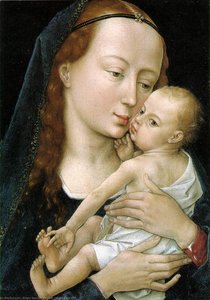
A Tender Embrace: Rogier van der Weyden’s “Virgin and Child”
Within the hallowed halls of the Museum of Fine Arts in Houston resides a painting that transcends mere representation, offering instead a profound meditation on motherhood, divinity, and the quiet intimacy of faith – Rogier van der Weyden's "Virgin and Child." Created around 1454-1460 during the height of the Early Netherlandish school’s artistic flourishing, this work is more than just an image; it’s a carefully constructed dialogue between artist, subject, and viewer. Van der Weyden, a master renowned for his meticulous detail and ability to imbue his scenes with palpable emotion, presents us with a tableau that speaks volumes through its subtle gestures and luminous colors.
The painting depicts the Virgin Mary cradling the Christ Child, an iconic motif in Western art yet rendered here with a remarkable freshness. The composition is deceptively simple: a woman, clearly identified as Mary by her traditional attire – a flowing blue gown and a delicate crown – holds the infant Jesus close to her breast. Yet, within this apparent stillness lies a wealth of visual information and symbolic weight. Van der Weyden’s genius lies in his ability to convey complex ideas through deceptively straightforward imagery. The scene is bathed in an ethereal light, characteristic of the Early Netherlandish style, which allowed for intricate details and vibrant colors while maintaining a sense of depth and realism. The use of oil on panel was crucial here, enabling him to build up layers of paint with incredible precision, creating textures that mimic the feel of fabric and skin.
The Language of Symbolism
Beyond its technical brilliance, “Virgin and Child” is rich in symbolism, reflecting the deeply religious context of its creation. The blue robe worn by Mary isn’t merely decorative; it's a deliberate reference to her role as the Mother of God, associating her with heaven and divine grace. The crown adorning the Christ Child symbolizes his royal status – he is, after all, the King of Kings. However, Van der Weyden doesn’t simply present these symbols in an overtly didactic manner. Instead, he integrates them seamlessly into the scene through gesture and expression. Note how Mary's gaze is directed towards her son with a profound tenderness, while the Christ Child appears to be gazing upwards with innocent curiosity – a visual representation of their mutual love and connection.
The inclusion of a small, intricately carved wooden cartouche above the scene adds another layer of complexity. These cartouches were common in Northern European art during this period, often containing inscriptions or prayers. In this case, they likely served as a devotional element, inviting viewers to contemplate the sacredness of the depicted figures. The use of trompe l'oeil – creating an illusion of three-dimensionality – further enhances the painting’s realism and draws the viewer into its world.
A Masterpiece in Context
To fully appreciate “Virgin and Child,” it’s essential to understand the historical context in which it was created. The late Middle Ages witnessed a remarkable cultural and artistic renaissance in the Low Countries, giving rise to a new generation of artists who pushed the boundaries of realism and emotional expression. Rogier van der Weyden was undoubtedly one of the leading figures of this movement, known for his incredible attention to detail and his ability to convey emotion through his paintings. He served as court painter to Philip the Good, Duke of Burgundy, a position that afforded him significant patronage and influence.
Interestingly, “Virgin and Child” is part of a series of Apostle paintings commissioned by Van der Weyden, including depictions of St. Matthew and St. Bartholomew. This suggests a deliberate effort on the artist’s part to explore themes of faith, piety, and devotion through a variety of religious subjects. The painting's meticulous detail and emotional resonance reflect the broader trends in Northern European art during this period – a shift away from the stylized representations of the Gothic era towards a more naturalistic and human-centered approach.
Reproductions: Bringing History Home
TopImpressionists offers meticulously crafted, hand-painted oil painting reproductions of Rogier van der Weyden’s “Virgin and Child,” allowing art lovers to own a piece of this extraordinary masterpiece. Each reproduction is created by skilled artisans who painstakingly recreate the artist's techniques, colors, and textures, ensuring that it captures the essence of the original while retaining its own unique beauty. Measuring 31 x 22 cm, this intimate rendition invites contemplation and serves as a timeless reminder of the enduring power of art to inspire and uplift.
For those seeking to delve deeper into the life and work of Rogier van der Weyden, we encourage you to visit our dedicated page for further information. And if you’re interested in exploring other works by this master of the Early Netherlandish school, please visit our comprehensive artist database.
კითხვები და პასუხები
რამდენად პოპულარულია „Virgin and Child“ Early Netherlandish-ის ფარგლებში?
კატალოგში, Early Netherlandish სტილის ნამუშევრებს შორის, "Virgin and Child" აღწევს საკულტო სიმბოლო-ს.
რამდენად მკვეთრია „Virgin and Child“-ის ფერები?
როგიერ ვან დერ ვაიდენი-ის „Virgin and Child“ ფერები გამოირჩევა ნაზი ფერები გაჯერებულობით და ბალანსირებული ინტენსივობით.
რა ეპოქას მიეკუთვნება "Virgin and Child"?
"Virgin and Child" ადრეული თანამედროვეობა ეპოქას მიეკუთვნება.
Quick facts and art quiz
About როგიერ ვან დერ ვაიდენი

როგიერ ვან დერ ვაიდენი
1400 - 1464, ბელგია
მხატვრის ბიოგრაფია
როგირ ვან დერ ვაიდენი: გრძნობების მხატვარი
XIV საუკუნის ბოლოსა და XV საუკუნის პირველ ნახევარში მოღვაწე ფლამანდელი მხატვრის, როგირ ვან დერ ვაიდენის (დაახლოებით 1399-1464) შემოქმედება წარმოადგენს ჩრდილოეთის რენესანსის ერთ-ერთ მნიშვნელოვან მწვერვალს. მისი ნაწარმოებები გამოირჩევა განსაკუთრებული გრძნობიერიობით, დეტალების სიზუსტეებით და ფერის ჰარმონიულობით, რაც მას თანამედროვენსა და მომავალი თაობების მხატვრებზე უდიდეს გავლენას მოაქვს. როგირის ბიოგრაფიული მონაცემები საკმაოდ ცოტაა ცნობილი, თუმცა მისი შემოქმედება საუბრობს თავზე – გამოხატავს ადამიანის შინაგანი სამყაროს, ტკივილს, იმედს და სევდას.
უიწყებოდა თუ არა ოქროს ხელობა? ადრეული პერიოდი და განვითარება
როგირ ვან დერ ვაიდენი დაიბადა ტურნეს ქალაქში, რომელიც მაშინ ფლამანდიის ნაწილად ითვლებოდა. მისი მამა კატლერის (ჭურჭლის დამზადებლის) ოჯახიდან იყო, რაც თავდაპირველად ამყარებს ჰიპოთეზას, რომ როგირმა ადრეულ ასაკში შეიძინა ფრთხილობა და სიფხიზლე დეტალების მიმართ – თვისებები, რომლებიც შემდეგ მის შემოქმედებაში სრულყოფილად გამოვლინდა. 1426 წელს იგი მასტერ-მხატვრად დარეგისტრირდა ტურნეს მხატვრთა გildiას, რაც იმ დროს მნიშვნელოვანი მოვლენა იყო. მისი მასწავლებელი და ინსპირატორი რობერტ კამპინი (ნობილიოსი) იყო, რომლისგანაც მან მიიღო ძირითადი კომპოზიციური და ტექნიკური უნარები. თუმცა, ვან დერ ვაიდენი მალევე გადახდა მასტერ კამპინის გავლენის საწინააღმდეგო პუნქტად, განავითარა საკუთარი, ინდივიდუალური სტილი, რომელსაც ახასიათებს უფრო მეტი ემოციურობა და რეალიზმი.
გამოხატვის ხელოვნება: სტილი და ტექნიკა
ვან დერ ვაიდენის ნაწარმოებების უმნიშვნელოვანესი მახასიათებელი არის გრძნობების გამოსახვა. იგი პირველი ევროპელი მხატვარი იყო, რომელმაც ტილოზე ცრემლებს აღიქვა – ეს თავიდანვე განაცხადა მისი შემოქმედების უნიკალური ხასიათი. მისი კომპოზიციები გამოირჩევა სიტვიდიანობით და დრამატიზმით, თუმცა ისეთი ნიველირით არის დაბალანსებული, რომ არ იწვევს ზედმეტი აღელვებას. ფერის გამაში ვან დერ ვაიდენი გამოიყენებოდა მდიდარი პალიტრა, სადაც ყველა ტონი განსხვავებულია და ერთმანეთთან ჰარმონულად ემთხვევა. იგი ასევე გამოირჩევა ნათლისმომცემლობის უნარით – მისი ფერწერა იქმნება მსუბუქი, თითქოს შინაგანი სინაზეს ასახავს. ვან დერ ვაიდენი თავისი ხატებში ადამიანის ფსიქოლოგიურ მდგომარეობასაც აჩვენებს, რაც მის ნაწარმოებებს უნიკალური სიღრმისსადგურს მატყობს.
მემკვიდრეობა და მნიშვნელობა
როგირ ვან დერ ვაიდენის გავლენა არ შემოიფარგლება მხოლოდ ფლამანდიით. მისი ნაწარმოებები აღესრულება ევროპის მასშტაბით, განსაკუთრებით იტალიასა და ესპანეთში, სადაც მან ახალი დონეების ემოციურობა და რეალიზმი შეიტანა ადგილობრივ ხელოვნებაში. თუმცა მისი პოპულარობა XVII საუკუნეში შემცირდა, XIX საუკუნეში აღმოცენება მოხდა, რაც მის მნიშვნელობას კიდევ უფრო გაამყარა. იგი ითვლება ჩრდილოეთის რენესანსის „სამი დიდი“ მხატვრის (თანავე მასტერ კამპინსა და იან ვან ეიკთან) შორის ერთ-ერთად, რომელმაც უდიდესი წვლილი შეიტანა ევროპული ხელოვნების განვითარებაში. მისი ინოვაციური ტექნიკები და გრძნობიერი კომპოზიციები მომავალი თაობების მხატვრებს შთაგონებდნენ, რაც ხელოვნებაში უდიდეს ცვლილებას მოჰყვა.
შემორჩენილი შედევრები
როგირ ვან დერ ვაიდენის შემოქმედებაში მრავალი ნაწარმოებაა, რომელიც დღემდე იწვევს აღტაცებას. „სათხოვნიდან 내려მონ“, რომელიც მდებარეობს მადრიდის პრადოს მუზეუმში, მისი ყველაზე ცნობილი და მნიშვნელოვანი შედევრია – წარმოადგენს ქრისტეს სათხოვნიდან გადმოსვლის დრამატულ აღწერას. „ლამენტაცია“ (მუზეუმი ბელგიაში) არის კიდევ ერთი გამორჩეული ნაწარმოები, რომელიც ტკივილსა და მწუხარებას გამოხატავს. სხვა მნიშვნელოვანი ტილოებია: „ანონასი“, „სათხოვნიდან 내려მონ“ (რამდენიმე ვერსია), „ბლადელინის სამკვარი“. ეს ნაწარმოებები, ერთადერთი, ადასტურებენ როგირ ვან დერ ვაიდენის გენიოსობას და მისი უდიდეს გავლენას ხელოვნებაზე.
Quick facts about როგიერ ვან დერ ვაიდენი
- Artistic Movement Or Style: ადრეული ფლამანდური რენესანსი
- Artists Or Movements Influenced By This Artist:
- იტალიური რენესანსი
- ესპანური მხატვრობა
- Artists Who Influenced This Artist:
- რობერტ კამპინი
- იან ვან ეიკი
- Date Of Birth: დაახლოებით 1400 წელი
- Date Of Death: 1464 წლის 18 ივნისი
- Full Name: როგიერ ვან დერ ვეიდენი
- Nationality: ბელგიელი
- Notable Artworks:
- სათავეს გედლება მარიამზე
- ტირიანი
- დაშვრა ჯვარზე
- მაცხოვრებლის ანგელოზი
- ბლადელინის ტრიპტიქი
- Place Of Birth: ტურნაი, ბელგია
აღმოაჩინეთ ხელოვნების ნაწარმოებები თემების, სტილისა და მახასიათებლების მიხედვით დაჯგუფებული.


როგიერ ვან დერ ვაიდენი
Virgin and Child
() ·
With its frame: · Hand-painted in oil on linen
Total