


 ნახვა ინტერьерში
 გაგზავნა
 გაზიარება
 დეტალები
 გზამკვლევი

 ჩამოტვირთვა
 მსგავსები
 რენტგენოგრაფიული კვლევა
 სლაიდშოუ
 სტატისტიკა
Elf Ground
 Romanticism
 1860
1860 26.0 x 36.0 cm
Discover 'Elf Ground' by Scotlan George Inness – a captivating 1860 Romantic landscape painting of serene Scottish woodlands. Explore its impasto texture & evocative beauty.
Discover captivating landscapes & evocative scenes by Scotlan George Inness – a contemporary artist exploring nature, Scotland, and ethereal beauty through vibrant paintings.
 სრული ტექსტის ნახვა
ამ გვერდზე წარმოდგენილი ნამუშევარი დაცულია საავტორო უფლების შესახებ კანონმდებლობით, რაც იმას ნიშნავს, რომ ჩვენ არ გვაქვს მისი იდენტური რეპროდუქციის შექმნის ან გაყიდვის სამართლებრივი უფლება. აღნიშნული დაცვა უზრუნველყოფილია ისეთი საერთაშორისო შეთანხმებებით, როგორიცაა ბერნის კონვენცია და ეროვნული კანონმდებლობით, მათ შორის იმ კანონებით, რომლებიც დეტალურად არის გაწერილი აშშ-ის საავტორო უფლების შესახებ კანონი - თავი 17.
ეს მეთოდი სრულად შეესაბამება საავტორო უფლებების რეგულაციებს, რადგან ის არ გულისხმობს დაცული ნამუშევრის კოპირებას ან დუბლირებას. ამგვარად, ეს წარმოადგენს შემოქმედებით რეინტერპრეტაციას — ახალ ნახატს, რომელიც შთაგონებითაა განპირობებული ორიგინალით, თუმცა არ არის მის იდენტურ ასლს.
გიკლე / ხელოვნების პრინტი
მუზეუმის დონის ჟიკლე ან ტილოზე ბეჭდვა სწრაფი წარმოებისა და დასრულების მოქნილი ვარიანტებით. ( შეიძინეთ ხელით შესრულებული ნახატი გადასვლა ციფრულ გამოსახულებაზე)




































სტანდარტული ზომა
ინდივიდუალური ზომა
CM
INCH
აირჩიეთ ჩვენს მიერ წინასწარ განსაზღვრული ზომებიდან, რომლებიც ნაწარმოების ორიგინალურ პროპორციებს შეესაბამება.
Loading sizes...

სიგანე
სიმაღლე
შეიყვანეთ თქვენთვის საჭირო სიგანე და სიმაღლე, რათა იგი მოერგოს თქვენს ჩარჩოს ან კედელს. ბეჭდვისას შესაძლებელია მხოლოდ მისი შემცირება და არა გაზრდა, ამიტომ სხვა ფორმის ზომის შემთხვევაში გამოსახულება ნაწილობრივ იკარგება. სანამ რაიმეს დაბეჭდავთ, ჩვენ გამოგიგზავნით ციფრულ მაკეტს დასდასტურებლად. ამ გვერდზე ნაჩვენები სურათი არ ასახავს რეალურ ჭრას — ამას მხოლოდ მაკეტი გვიჩვენებს.
მიწოდება მთელ მსოფლიოში () 2 კვირაში, სტანდარტული 4/5 კვირის ნაცვლად. (22 ოქტომბერი)

უფასო ექსპრეს მიწოდება მთელ მსოფლიოში

მაღალი ხარისხის ტილო

ტრანსპორტირების სრული დაზღვევა

საბაჟო გადასახადების დაბრუნების გარანტია

ფერების სრული შესაბამისობის გარანტია

დაბრუნების 100-დღიანი პერიოდი (მხოლოდ წარმოების დეფექტის შემთხვევაში)

100% თანხის სრული დაბრუნების გარანტია

ფასდაკლება დიდი რაოდენობით შეკვეთისას
 მინის ჩარჩოს არჩევანი ხელმისაწვდომია მხოლოდ 110 სმ-მდე ზომისთვის

Elf Ground
გიკლე / ხელოვნების პრინტი
რეპროდუქციის ზომა
-


ჯამური ღირებულება
₾ 180
მხატვრის ბიოგრაფია
The Ethereal Vision of George Inness
George Inness stands as one of the most profound and influential landscape painters of the nineteenth century, a master who sought to capture not merely the physical topography of the American wilderness, but the very soul of the natural world. While his contemporaries in the Hudson River School often focused on the grand, panoramic documentation of a burgeoning nation, Inness carved out a singular artistic path that blended Romantic idealism with deep scientific observation. His work serves as a bridge between the tangible reality of the earth and the intangible realms of spiritual contemplation, exploring the profound relationship between nature and the human spirit.
Born in Newburgh, New York, on May 1, 1825, Inness’s early life was steeped in a connection to both the rugged American landscape and his ancestral roots. His father, an emigrant from Ayrshire, Scotland, instilled within him a deep appreciation for the contemplative power of the wild. This duality of heritage—the American frontier and the Scottish tradition—would later manifest in his ability to find both epic scale and intimate, evocative beauty in his subjects. His early training was diverse, ranging from instruction under John Jesse Barker to a formative apprenticeship with the map engraver N. Curcept, which provided him with a foundational precision in visual representation that would later support his more expressive, atmospheric endeavors.
Spiritualism and the Barbizon Influence
The true metamorphosis of Inness’s style can be traced to his encounter with the theological writings of Emanuel Swedenborg. This profound spiritual influence became the cornerstone of his artistic worldview; Inness believed that the material world was permeated by unseen spiritual forces, and he viewed the canvas as a conduit for accessing these hidden realms. This conviction moved him away from the literalism of topographical painting toward a more subjective, emotional approach to landscape.
As his career progressed, Inness looked toward Europe, specifically absorbing the influences of the French Barbizon school. This movement, which emphasized the intimate, moody, and atmospheric qualities of nature, resonated deeply with his Swedenborgian beliefs. By integrating the tonalist sensibilities of the Barbizon masters with the grander traditions of American landscape painting, he developed a technique that prioritized light, shadow, and color to evoke mood rather than mere detail. His brushwork became more expressive, utilizing textures such as impasto to create depth and dimensionality, drawing the viewer into a world where the boundaries between the earth and the sky seem to dissolve.
A Legacy of Light and Atmosphere
The breadth of Inness’s oeuvre is reflected in works that range from the dramatic to the serene. In masterpieces such as Sundown, he demonstrates an unparalleled ability to capture the fleeting magic of a sunset, using a sky filled with clouds to create a dramatic backdrop for a peaceful pastoral scene. Similarly, his work September Afternoon showcases his mastery of tranquility, employing warm colors and a careful balance of light and shadow to evoke a sense of harmony within the natural landscape. Even in his more rugged depictions, such as the romanticized Scottish woodlands of Elf Ground, the artist’s focus remains on the evocative power of the atmosphere.
Throughout his life, Inness’s achievements redefined the boundaries of American art. He moved the genre of landscape painting from a medium of documentation to one of profound psychological and spiritual expression. His historical significance lies in this very transition—the movement toward Tonalism and the idea that art should capture the elusive essence of experience itself. Today, his legacy continues to resonate with artists and admirers alike, serving as a timeless reminder that the most beautiful landscapes are those that reflect the inner landscape of the human heart.

მოკლე ფაქტები
- Artistic Movement Or Style: Hudson River School; Luminist
- Artists Or Movements Influenced By This Artist: ['Régis François Gignoux']
- Artists Who Influenced This Artist:
- Thomas Cole
- Asher Durand
- Date Of Birth: May 1, 1825
- Date Of Death: August 3, 1894
- Full Name: George Inness
- Nationality: American
- Notable Artworks:
- View of the Tiber near Perugia
- Clearing Up
- Place Of Birth: Newburgh, New York
მსგავსი სტატიები
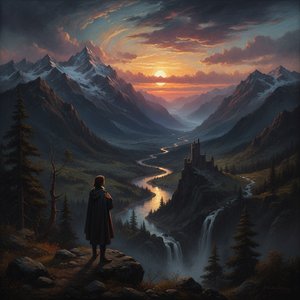
Capturing the Soul: The Emotional Majesty and Sublime Power of Romantic Landscape Painting
Explore the profound emotional depth of Romantic landscape painting. Discover how masters like Turner and Friedrich captured the sublime power of nature through intuition and imagination in this expert art history retrospective.

Capturing the Soul: The Emotional Magic and Sublime Grandeur of Romantic Landscape Painting
Explore the profound emotional depth of Romantic landscape painting. Discover how masters like Friedrich and Turner captured the sublime through light, shadow, and nature's power in this expert art history retrospective for discerning collectors.

The Soul of Impressionism: Why Oil on Canvas Captures Eternal Light and Timeless Emotion
Discover the enchanting alchemy of Impressionism. Explore how the mastery of oil on canvas, through glazing and impasto, captures eternal light and emotion. Perfect for lovers of Monet and Van Gogh seeking the profound depth of hand-painted fine art.