


 ნახვა ინტერьерში
 გაგზავნა
 გაზიარება
 დეტალები
 გზამკვლევი

 ჩამოტვირთვა
 მსგავსები
 რენტგენოგრაფიული კვლევა
 სლაიდშოუ
 სტატისტიკა
Landscape Study


Explore Sir Alfred Munnings’ ‘Landscape Study,’ an evocative Impressionist painting capturing serene nature & diffused light. Loose brushwork & tranquil composition – a timeless piece.
 სრული ტექსტის ნახვა
მუნინგის სტიქცია მძღვენ და ბაი მარი – ინგლისური სოფლის ცხოვრების მშვიდი სურათებით და ტექსტურული ბორცოებით მძღვენ და ბაი მარი სურათისთვის შესანიშებელი ხელოვნების კრებულში. მუნინგის სტიქცია მძღვენ და ბაი მარი სურათისთვის შესანიშებელი ხელოვნების კრებულში მძღვენ და ბაი მარი სურათისთვის შესანიშებელი ხელოვნების კრებულში მძღვენ და ბაი მარი სურათისთვის შესანიშებელი ხელოვნების კრებულში მძღვენ და ბაი მარი ს
ამ გვერდზე წარმოდგენილი ნამუშევარი დაცულია საავტორო უფლების შესახებ კანონმდებლობით, რაც იმას ნიშნავს, რომ ჩვენ არ გვაქვს მისი იდენტური რეპროდუქციის შექმნის ან გაყიდვის სამართლებრივი უფლება. აღნიშნული დაცვა უზრუნველყოფილია ისეთი საერთაშორისო შეთანხმებებით, როგორიცაა ბერნის კონვენცია და ეროვნული კანონმდებლობით, მათ შორის იმ კანონებით, რომლებიც დეტალურად არის გაწერილი აშშ-ის საავტორო უფლების შესახებ კანონი - თავი 17.
ეს მეთოდი სრულად შეესაბამება საავტორო უფლებების რეგულაციებს, რადგან ის არ გულისხმობს დაცული ნამუშევრის კოპირებას ან დუბლირებას. ამგვარად, ეს წარმოადგენს შემოქმედებით რეინტერპრეტაციას — ახალ ნახატს, რომელიც შთაგონებითაა განპირობებული ორიგინალით, თუმცა არ არის მის იდენტურ ასლს.
გიკლე / ხელოვნების პრინტი
მუზეუმის დონის ჟიკლე ან ტილოზე ბეჭდვა სწრაფი წარმოებისა და დასრულების მოქნილი ვარიანტებით. ( შეიძინეთ ხელით შესრულებული ნახატი გადასვლა ციფრულ გამოსახულებაზე)




P118B ₾10

P118H ₾10

P118W ₾10

P438Z ₾10

P508JH ₾12

P508YH ₾12

P805H ₾10

P805Z ₾10

P919BZ ₾10

P919G ₾10

P919XJ ₾10

P959ZH ₾10

P968JZ ₾12

W106C ₾8

W218G ₾10

W218JH ₾8

W218Y ₾10

W307PJ ₾10

W316G ₾10

W316PJ ₾8

W316Y ₾10

W398PJ ₾8

W4111J ₾10

W500HY ₾15

W500JH ₾15

W692G ₾12

W849H ₾8

W940BG ₾15

W953PJ ₾8




სტანდარტული ზომა
ინდივიდუალური ზომა
CM
INCH
აირჩიეთ ჩვენს მიერ წინასწარ განსაზღვრული ზომებიდან, რომლებიც ნაწარმოების ორიგინალურ პროპორციებს შეესაბამება.
Loading sizes...

სიგანე
სიმაღლე
შეიყვანეთ თქვენთვის საჭირო სიგანე და სიმაღლე, რათა იგი მოერგოს თქვენს ჩარჩოს ან კედელს. ბეჭდვისას შესაძლებელია მხოლოდ მისი შემცირება და არა გაზრდა, ამიტომ სხვა ფორმის ზომის შემთხვევაში გამოსახულება ნაწილობრივ იკარგება. სანამ რაიმეს დაბეჭდავთ, ჩვენ გამოგიგზავნით ციფრულ მაკეტს დასდასტურებლად. ამ გვერდზე ნაჩვენები სურათი არ ასახავს რეალურ ჭრას — ამას მხოლოდ მაკეტი გვიჩვენებს.
მიწოდება მთელ მსოფლიოში () 2 კვირაში, სტანდარტული 4/5 კვირის ნაცვლად. (23 ოქტომბერი)

უფასო ექსპრეს მიწოდება მთელ მსოფლიოში

მაღალი ხარისხის ტილო

ტრანსპორტირების სრული დაზღვევა

საბაჟო გადასახადების დაბრუნების გარანტია

ფერების სრული შესაბამისობის გარანტია

დაბრუნების 100-დღიანი პერიოდი (მხოლოდ წარმოების დეფექტის შემთხვევაში)

100% თანხის სრული დაბრუნების გარანტია

ფასდაკლება დიდი რაოდენობით შეკვეთისას
 მინის ჩარჩოს არჩევანი ხელმისაწვდომია მხოლოდ 110 სმ-მდე ზომისთვის

Landscape Study
გიკლე / ხელოვნების პრინტი
რეპროდუქციის ზომა
-


ჯამური ღირებულება
₾ 180
An Impressionistic Whisper of the English Countryside
In this evocative Landscape Study, Sir Alfred James Munnings invites the viewer into a world where the boundaries between earth and sky dissolve into a poetic haze. The painting captures a moment of profound atmospheric stillness, presenting a rolling landscape that feels less like a literal depiction and more like a captured memory. Through loose, expressive brushstrokes, Munnings masterfully renders a scene dominated by horizontal bands of landforms that suggest the undulating rhythm of hills or mountains under an expansive, heavy sky. The composition possesses a beautiful, flattened perspective characteristic of the Impressionist tradition, prioritizing the emotional weight of the atmosphere over the rigid precision of topographical realism. It is a piece that does not merely show a place, but rather communicates the very breath of the landscape.
The technical execution of this study reveals the artist's profound command over light and texture. Utilizing what appears to be the rich, tactile medium of oil on a wooden panel, Munnings employs a palette that balances warmth with cool serenity. Deep oranges, burnt reds, and earthy browns define the contours of the terrain, creating a sense of groundedness and warmth, while these tones are brilliantly contrasted by the ethereal whites and soft blues of the sky and water. The visible, almost rugged texture of the paint adds a physical dimension to the work, where every stroke contributes to the movement within the scene—suggesting the gentle flow of water or the shifting of clouds. This tactile quality makes the artwork particularly captivating for collectors who appreciate the raw, energetic hand of the master artist.
Symbolism and the Spirit of Solitude
Beyond its aesthetic beauty, this landscape serves as a window into the contemplative spirit of the British countryside. Symbolically, the vastness of the composition evokes a sense of profound solitude and the sublime power of nature. There is a quiet dignity in the way the land sits beneath the weight of the overcast sky, suggesting a world that exists independently of human presence—a theme deeply resonant with Munnings's own connection to the rural rhythms of life. The painting captures a sense of tranquility that is both melancholic and comforting, making it an ideal centerpiece for spaces designed for reflection and peace.
For the discerning interior designer or art enthusiast, this reproduction offers more than just decoration; it provides an emotional anchor. Whether placed in a sunlit gallery or a moody, sophisticated study, the Landscape Study brings with it an aura of timelessness and historical depth. It is a work that speaks to the soul, offering a window into the vanishing, romanticized world of early 20th-century Britain, preserved forever through the expressive genius of Sir Alfred James Munnings.
კითხვები და პასუხები
სახლში რომელი ნაწილი უხდება ყველაზე მეტად "Landscape Study"-ის რეპროდუქციას?
„Landscape Study“-ის რეპროდუქცია კარგად მოერგება Living Room-ს.
როგორ ერგება „Landscape Study“ ალფრედ ჯეიმზ მუნინგს-ის თემებსა და სტილს?
"Landscape Study" წარმოადგენს ალფრედ ჯეიმზ მუნინგს-ის Impressionism პერიოდის ნამუშევარს, რომლის დაფიქსირებული თემები მოიცავს landscape series focus, regional british scenes, capturing transient moments, french impressionism, plein air painting, light & atmosphere, nature's tranquility, rural life-ს."
რისთვის არის რეკომენდებული "Landscape Study"-ის პრინტის გამოყენება?
"Landscape Study"-ის პრინტის რეკომენდებული გამოყენება არის Mood.
მსგავსი ნამუშევრები


მხატვრის ბიოგრაფია
ალფრედ ჯეიმზ მუნინგსი: ცხენებისა და ინგლისური სოფლის ხატოვანი გამოსახლება
სირ ალფრედ ჯეიმზ მუნინგსი, სახელწოდება რომელიც განუყოფლად ასოცირდება ცხენების ნათელ აღბეჭვებასა და ინგლისურ სოფელს შინაურული იერსაღით, უმნიშვნელოვანეს ადგილს იკავებს მეოცე საუკუნის ბრიტანულ ხელოვნებაში. 1878 წელს, საფოლკის ქალაქ მენდამში დაბადებული, მისი ცხოვრება ღრმად იყო განწყობილი ცხოველებთან, განსაკუთრებით ცხენებთან – კავშირს რომელიც განსაზღვრავდა მის მხატვრულ ხედვას და მიიყვანდა წარმატების მწვერვალამდე. მუნინგსი არ უბრალოდ ასახლებდა გარემოს; ის შენარჩუნებდა განცდილს, ატმოსფეროს, სამყაროს რომელიც შეუქცევად ცვლილებას ელიდა. მან დაუფარავად აღწერა გაქრობადი ცხოვრების წესი, ინგლისურის მკაფიო პროფილი ტრადიციებში, მონτανში და სოფლის მეურნეობის ჰარმონიულ რთვებში.
მუნინგსის მხატვრული გზა არ დაიწყო აკადემიური კედლების მიღმა, არამედ პრაქტიკულ სამყაროში, ნორისვიჩის სტამბაში. ეს გაწევრიანება განავითარა დიზაინისა და დაკვირვების უნარი, ხოლო პარალელურად მისცა საშუალება ეწარმოებინა სწავლები ნორისვიჩის ხელოვნების სკოლაში. იყო ფორმირებადი პერიოდი, რომელიც ჩანერგავდა დისციპლიnę, რაც მას კარგად დაეხმარა საკუთარი თავის დამკვირვებლად აღმოფხვრისას წარმოქმნილი გამოწვევების გადაჭარბებაში. ადრეული გავლენები მოიცავდა ნიუელინის სკოლის პლენ-ეირ მწერლებს, სადაც მან მიიღო ერთობლივი ვალდებულება ბუნებიდან პირდაპირი კონტექსტის დანახვით. ეს ჩაღრმავება იმპრესიონისტულ ტექნიკებში საფუძველი გახდა მის ხასიათისთვის – თავისუფალი პენსლულირი, მკვეთრი ფერადი პალიტრა და მოძრაობის გადმომცემი განცდა. მისი ადრეული ნაშრომები ხშირად აღწერდნენ სოფლის სცენებს, განსაკუთრებით იმპერიალისტებსა და ცხენებს რომლებიც საფოლკის სოფლებში თავისუფლად მოძრაობდნენ, რაც მის მზარდ ხელოვნებას გამოხატავდა. ეს ნახატები არ იყო უბრალოდ წარმომადგენლობა; ისინი სიყვარულის გამოსახულება იყო მიწისთანა და მისი მკვიდრებისადმი.
ომი, აღიარება და ტრადიციების დამცველი
პირველი მსოფლიო ომმა βαθιά επηρέασε τόσο την καλλιτεχνική προοπτική του Munnings όσο και το δημόσιο του προφίλ. Παρόλο που αρχικά δεν κρίθηκε κατάλληλος για μάχη, υπηρέτησε ως επίσημος καλλιτέχνης με την Καναδική ιπποστρατιά, καταγράφοντας τον ζωτικό ρόλο των αλόγων στην σύγκρουση. Αυτή η εμπειρία τον έφερε πρόσωπο με πρόσωπο με τις σκληρές πραγματικότητες του πολέμου - τη θυσία, την απώλεια και τον διαρκή δεσμό μεταξύ ανθρώπων και ζώων. Οι πίνακές του από αυτήν την περίοδο δεν είναι δοξασίες μάχης, αλλά λυπητερά αντανακλάσεις της θυσίας και της ανθεκτικότητας, καταγράφοντας μια σκοτεινή ομορφιά μέσα στην καταστροφή. Τα μεταπολεμικά χρόνια είδαν μια έκρηξη δημοτικότητας και οικονομικής ασφάλειας για τον Munnings. Αξιόλογες αποστολές έρευσαν, επιτρέποντάς του να αποκτήσει το Castle House στο Dedham, Essex - ένα ακίνητο που θα γινόταν τόσο το σπίτι όσο και το εργαστήριό του για το υπόλοιπο της ζωής του. Γνήσιος πορτρατιστής, αιχμαλώτισε όχι μόνο τη φυσική ομοιότητα αλλά και τον χαρακτήρα και το πνεύμα, στερεώνοντας τη φήμη του ως ενός από τους κορυφαίους καλλιერείς της Μεγάλης Βρετανίας. Ωστόσο, ο Munnings ήταν επίσης ένας ένθερμος υπερασπιστής των παραδοσιακών καλλιτεχνικών αξιών.
争议的声音和持久的遗产
Munnings's artistic philosophy was deeply rooted in tradition, and he became a vocal critic of the burgeoning modernist movements that were challenging conventional notions of art. His famous – and often controversial – 1949 BBC radio broadcast saw him launch a scathing attack on Cubism and Surrealism, delivered with characteristic candor (and reportedly fueled by alcohol). While his remarks sparked outrage among proponents of modern art, they also resonated with those who valued representational painting and the enduring power of artistic skill. He wasn’t simply resisting change for its own sake; he believed in the importance of preserving artistic standards and celebrating beauty in its traditional forms. This conviction culminated in his election as President of the Royal Academy in 1944, a position he held until 1949, solidifying his status within the British art establishment. He was knighted Bachelor in 1944 and appointed a Knight Commander of the Royal Victorian Order in 1947, further acknowledging his contributions to the nation’s cultural life. Sir Alfred James Munnings left behind a vast and compelling body of work that continues to captivate audiences today. His paintings offer a window into a bygone era – a world of horses, hunting, and rural landscapes that has largely disappeared. The Munnings Art Museum, established by his wife Violet at Castle House, serves as a testament to his enduring legacy, preserving his art and providing a space for future generations to appreciate his unique vision. Beyond the technical brilliance of his paintings, it is Munnings’s ability to evoke emotion that truly sets him apart. He captured not just the physical beauty of horses, but also their spirit, their power, and their connection to the human heart. His work remains a powerful reminder of the enduring appeal of representational painting and the importance of preserving artistic traditions in an ever-changing world.
σημαντικές επιτυχίες
- Πρόεδρος της Βασιλικής Ακαδημίας: Εκλέχθηκε Πρόεδρος της Βασιλικής Ακαδημίας το 1944, υπηρετώντας μέχρι το 1949.
- Ιπποσέλλισμα: Ιπποσέλισμα ως Bachelor το 1944 και διορίστηκε ιππότης του Βασιλικού Βικτωριανού Τάγματος το 1947.
- Αποστολές καλλιτεχνών πολέμου: Αναγνωρίστηκε για την εργασία του που καταγράφει την Καναδική Ιπποστρατιά κατά τον Α' Παγκόσμιο Πόλεμο.
- Γλυπτική Εργασία: Δημιούργησε γλυπτά, συμπεριλαμβανομένου ενός ιππέα του Edward Horner.
Η κληρονομιά του διαρκεί όχι μόνο μέσω των εξαιρετικών πινάκων του αλλά και ως ένας παθιασμένος υπερασπιστής της καλλιτεχνικής παράδοσης σε έναν κόσμο που εκσυγχρονίζεται γρήγορα.

ალფრედ ჯეიმზ მუნინგს
1878 - 1959 , გაერთიანებული სამეფო
მოკლე ფაქტები
- Artistic Movement Or Style: Импрессионизм
- Artists Who Influenced This Artist: ['Новый Скола художники']
- Date Of Birth: 1878
- Date Of Death: 1959
- Full Name: Sir Alfred James Munnings
- Nationality: Бრიტანელი
- Notable Artworks:
- The Fancy Dress Ball
- A Piper
- Sky Study -
- Place Of Birth: Mendham, UK
მსგავსი სტატიები

Capturing the Soul: The Most Emotionally Moving Impressionist and Post-Impressionist Masterpieces
Discover the profound emotional depth of Impressionist and Post-Impressionist masterpieces. Explore how legends like Monet, Van Gogh, and Gauguin captured light and soul through evocative landscapes and vibrant brushwork for a timeless connection to art history.

Whispers of Rural Serenity: A Journey Through the Enchanting Village Landscapes of Impressionism
Immerse yourself in the tranquil beauty of Impressionist village landscapes. Explore our exquisite collection of hand-painted oil reproductions, capturing the light and soul of masters like Monet and Pissarro. Bring a piece of art history into your home with TopImpressionists.com.

Beyond the Light: Capturing Raw Emotion and Subjective Vision in Post-Impressionist Landscapes
Explore the profound emotional depth of Post-Impressionist landscapes. Discover how masters like Van Gogh moved beyond light to capture raw human feeling through vibrant color and expressive texture in this expert art history retrospective.

The Timeless Charm of Oil on Board: Reimagining Texture and Light through the Impressionist Lens
Discover the profound intimacy of oil on panel. Explore how Impressionist masters used rigid supports to capture light, texture, and impasto depth through exquisite, handmade oil reproductions for discerning collectors.
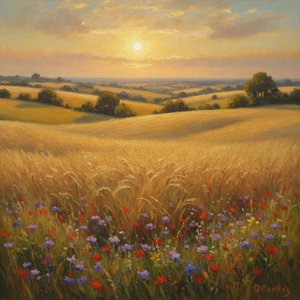
Golden Fields & Sun-Drenched Meadows: Capturing the Soul of Impressionist Landscapes
Immerse yourself in the luminous world of Impressionist landscapes. Discover how masters like Monet and Gauguin captured ephemeral light through plein air painting, and learn to bring the soul of sun-drenched meadows into your home with exquisite, hand-painted oil reproductions.
აღმოაჩინეთ ხელოვნების ნაწარმოებები თემების, სტილისა და მახასიათებლების მიხედვით დაჯგუფებული.


