


 ნახვა ინტერьерში
 გაგზავნა
 გაზიარება
 დეტალები
 გზამკვლევი

 ჩამოტვირთვა
 მსგავსები
 რენტგენოგრაფიული კვლევა
 სლაიდშოუ
 სტატისტიკა
Samson and Delilah
 Oil On Canvas
- WallArt
- Baroque
 1630
1630- Early Modern
 2540.0 x 1460.0 cm
 Kunsthistorisches Museum
Experience the dramatic retelling of Samson and Delilah by Sir Anthony van Dyck! This monumental Baroque masterpiece captures the poignant moment of betrayal and loss, influenced by Titian and Rubens' landscapes.
 სრული ტექსტის ნახვა
სირ ანტონი ვან დიქი (1599-1641) – ფლემიშ ბაროკოს გამოჩენილი მხატვარი, ცნობილია ევროპელი არისტოკრატიისა და ინგლისის მეფე ჩარლზ I-ის ელეგანტური პორტრეტებით. მნიშვნელოვანი ნაწარმოებები: "ჩარლზ I სამ პოზიციაში".
გიკლე / ხელოვნების პრინტი
მუზეუმის დონის ჟიკლე ან ტილოზე ბეჭდვა სწრაფი წარმოებისა და დასრულების მოქნილი ვარიანტებით. ( შეიძინეთ ხელით შესრულებული ნახატი გადასვლა ციფრულ გამოსახულებაზე)




P118B ₾10

P118H ₾10

P118W ₾10

P438Z ₾10

P508JH ₾12

P508YH ₾12

P805H ₾10

P805Z ₾10

P919BZ ₾10

P919G ₾10

P919XJ ₾10

P959ZH ₾10

P968JZ ₾12

W106C ₾8

W218G ₾10

W218JH ₾8

W218Y ₾10

W307PJ ₾10

W316G ₾10

W316PJ ₾8

W316Y ₾10

W398PJ ₾8

W4111J ₾10

W500HY ₾15

W500JH ₾15

W692G ₾12

W849H ₾8

W940BG ₾15

W953PJ ₾8




სტანდარტული ზომა
ინდივიდუალური ზომა
CM
INCH
აირჩიეთ ჩვენს მიერ წინასწარ განსაზღვრული ზომებიდან, რომლებიც ნაწარმოების ორიგინალურ პროპორციებს შეესაბამება.
Loading sizes...

სიგანე
სიმაღლე
შეიყვანეთ თქვენთვის საჭირო სიგანე და სიმაღლე, რათა იგი მოერგოს თქვენს ჩარჩოს ან კედელს. ბეჭდვისას შესაძლებელია მხოლოდ მისი შემცირება და არა გაზრდა, ამიტომ სხვა ფორმის ზომის შემთხვევაში გამოსახულება ნაწილობრივ იკარგება. სანამ რაიმეს დაბეჭდავთ, ჩვენ გამოგიგზავნით ციფრულ მაკეტს დასდასტურებლად. ამ გვერდზე ნაჩვენები სურათი არ ასახავს რეალურ ჭრას — ამას მხოლოდ მაკეტი გვიჩვენებს.
მიწოდება მთელ მსოფლიოში () 2 კვირაში, სტანდარტული 4/5 კვირის ნაცვლად. (26 ოქტომბერი)

უფასო ექსპრეს მიწოდება მთელ მსოფლიოში

მაღალი ხარისხის ტილო

ტრანსპორტირების სრული დაზღვევა

საბაჟო გადასახადების დაბრუნების გარანტია

ფერების სრული შესაბამისობის გარანტია

დაბრუნების 100-დღიანი პერიოდი (მხოლოდ წარმოების დეფექტის შემთხვევაში)

100% თანხის სრული დაბრუნების გარანტია

ფასდაკლება დიდი რაოდენობით შეკვეთისას
 მინის ჩარჩოს არჩევანი ხელმისაწვდომია მხოლოდ 110 სმ-მდე ზომისთვის

Samson and Delilah
გიკლე / ხელოვნების პრინტი
რეპროდუქციის ზომა
-


ჯამური ღირებულება
₾ 180
A Moment Suspended in Treachery
In the grand tapestry of the Flemish Baroque, few moments capture the tension between divine strength and human frailty as poignantly as Sir Anthony van Dyck’s Samson and Delilah. Executed around 1630, this masterpiece does not merely recount a biblical episode; it invites the viewer into a claustrophobic, high-stakes drama where every shadow holds a secret. The scene centers on the pivotal instant of betrayal: Samson, the legendary figure of immense power, sits in a state of vulnerable repose, while Delilah, driven by a complex mixture of resolve and perhaps a lingering remorse, prepares to sever the very source of his strength—his hair. It is a tableau of deceptive stillness, where the air seems heavy with the impending loss of liberty and the weight of a broken covenant.
Van Dyck’s technical mastery is on full display through his sophisticated use of chiaroscuro. The dramatic interplay of light and shadow does more than define the physical forms; it sculpts the psychological landscape of the characters. Light spills across the textures of the scene—the soft sheen of skin, the heavy weight of luxurious fabrics, and the intricate strands of hair—creating a luminous quality that is a hallmark of his style. By employing a pyramidal composition, Van Dyck directs our gaze inward toward the central interaction, ensuring that the emotional gravity of the encounter remains the undisputed heart of the work. The background, reminiscent of the expansive landscapes favored by his mentor Peter Paul Rubens, provides a breathtaking contrast to the intimate, almost suffocating intensity of the foreground drama.
Symbolism and the Baroque Soul
Beyond the literal narrative of the Book of Judges, this painting serves as a profound meditation on the human condition. The figures are laden with symbolic weight, representing the eternal struggle between faith and doubt, and strength and vulnerability. Samson’s physical prowess is rendered secondary to his emotional exposure; he is a titan brought low not by a sword, but by trust. Delilah, often portrayed in art as a mere temptress, is given here a more nuanced, psychological depth, embodying the devastating consequences of pride and the complexity of desire. Even the peripheral elements, such as the presence of watchful dogs or the sturdy furniture, ground this celestial tragedy in a tangible, earthly reality that resonates with any observer.
For the discerning collector or interior designer, a reproduction of this caliber offers more than just visual splendor; it provides a focal point of intellectual and emotional depth. The painting’s rich palette and dramatic lighting make it an extraordinary addition to a curated space, capable of commanding attention in a formal study, a grand salon, or a sophisticated gallery wall. It is a piece that invites long periods of contemplation, offering new layers of meaning with every glance. To possess such a work is to bring a fragment of the Golden Age of Flemish art into the modern home, celebrating a period where art was used to explore the very limits of the human spirit.
კითხვები და პასუხები
რა არის ანტônio ვენ დიქ-ის „Samson and Delilah“-ის აღქმადი სიკაშკაშე?
ზოგადად, „Samson and Delilah“-ის სინათლის დონე შეფასებულია როგორც deep_shadow. აღქმადი სიკაშკაშე აღწერს, თუ რამდენად ღია ან ბნელი ჩანს ნამუშევარი.
როგორი განლაგება შეესაბამება ანტônio ვენ დიქ-ის „Samson and Delilah“-ის ფორმატს?
ფორმატი (Panoramic) და რეკომენდებული სივრცე (Living Room) არის ორი განლაგების ფაქტი, რომელიც მითითებულია ნამუშევრისთვის ანტônio ვენ დიქ-ის „Samson and Delilah“.
რატომ არის "Samson and Delilah"-ის საავტორო უფლებების სტატუსი სწორედ ასეთი?
ანტônio ვენ დიქ-ის ნამუშევარი "Samson and Delilah" არის საჯარო საკუთრებაშია - მისი საავტორო უფლებები ამოწდა. საავტორო უფლებების ვადები ითვლება ხელოვანის გარდაცვალებიდან; ანტônio ვენ დიქ კი 1641 წელს გარდაიცვალა.
მხატვრის ბიოგრაფია
ფლემური ოსტატი ევროპის სამეფო კარებზე
სირ ანტონი ვან დიქი, რომელიც 1599 წელს ანტვერპენში დაიბადა, ბაროკოს ეპოქის ერთ-ერთ ყველაზე აღიარებულ და გავლენიან პორტრეტისტი გახდა. მისი ცხოვრება, მიუხედავად იმისა, რომ ტრაგიკულად შეწყვეტილა სულ რაღაც ორმოცდაორ წლამდე, იყო მხატვრული ძიებებისა და პრესტიჟული შეკვეთების ქარბუქი, რომელმაც იგი მშობლივი ფლანდრიიდან იტალიაში და, საბოლოოდ, ინგლისის სამეფო კარამდე მიიყვანა. ადრეული ასაკიდანვე ვან დიქიმ წარმოუდგენელი ნიჭი გამოავლინა; იგი ჰენრიკ ვან ბალენის სახელოსნოში ახალგაზრდა მოწაფედ შევიდა და სწრაფად შეითვისა იმ დროის გაბატონებული სტილის დინამიკა. თუმცა, სწორედ პიტერ პაულ რუბენსთან ურთიერთობამ — არა მხოლოდ როგორც სტუდენტმა, არამედ როგორც თანამშლელმა — ჩამოაყალიბა მისი მხატვრული საფუძვლები. მან რუბენსისგან ისწავლა დინამიკური კომპოზიციები, მდიდარი ფერთა პალიტრა და სინათლისა და ჩრდილის ოსტატური გამოყენება, თუმცა ვან დიქიმ მალევე დაიწყო საკუთარი, გამორჩეული გზის გენერირება, რომელიც ხასიათდებოდა ელეგანტურობითა და დახვეწილობით, რაც მოგვიანებით მისი საფირმო ნიშანი გახდა.იტალიური მოგზაურობები და სტილის დაბადება
ვან დიქის მიერ იტალიაში გატარებულმა წლებმა, რომელიც დაახლოებით 1621 წელს დაიწყო, გადამწყვეტი როლი ითამაშა მის შემოქმედებით განვითარებაში. იგი ძირითადად გენუაში ცხოვრობდა, სადაც ქალაქის არისტოკრატიულ ოჯახებში დიდი პატივისცემა და სიყვარული მოიპოვა. სწორედ აქ დაიწყო მან იმ დახვეწილი სტილის კულტივირება, რამაც მას სახელი მოუტანა — სტილის, რომელიც აღსავსე იყო დახვე "პოზებით", მდიდრული ქსოვილებისა და დიდებულების თითქმის ხელშესატყდომი შეგრძნებით. რუბენსის ნამუშევრებში ხშირად გასდევებული მძლავრი ენერგიისგან განსხვავებით, ვან დიქის იტალიური პორტრეტები გამოსხივდება დახვეწილი სიმშვიდით, რაც ასახავს არა მხოლოდ ფიზიკურ მსგავსებას, არამედ პორტრეტირებულთა შინაგან ბუნებასა და სოციალურ მდგომარეობას. ამ პერიოდში მან ასევე დაიწყო თავისი „იკონოგრაფია“ — ზედმიწევნით შესრულებული პორტრეტული ეტჩინგების სერია, რომელიც მოიცავდა მისი დროის გამორჩეულ ფიგურებს — ხელოვანებს, მეცნიერებსა და მმართველებს. ეს პროექტი წარმოაჩენდა მის გამორჩეულ ტექნიკურ უნარს და მას წამყვან გრავირების ოსტატად აქცევდა. ეს ეტჩინგები არ იყო მხოლოდ დოკუმენტური ჩანაწერები; ისინი იყო საგულდაგულოდ კონსტრუირებული გამოსახულებები, რომლებიც მიზნად ისახავდა სუბიექტების უკვდავებას და მათი სტატუსისა თუ ინტელექტის გადმოცემას.მეფის მხატვარი: ვან დიქი ინგლისში
1632 წელს ვან დიქიმ მიიღო მოწვევა, რომელმაც სამუდამოდ შეცვალა მისი კარიერის ტრაექტორია — მოწოდება ინგლისის მეფე ჩარლზ I-ისგან, რათა გამხდარიყო სამეფო კარის მხატვარი. ეს დანიშვნა გარდამტეხი მომენტი აღმოჩნდა არა მხოლოდ ვან დიქისთვის, არამედ ინგლისური პორტრეტულობისთვისაც. იგი ლონდონში საკმაოდ რეპუტაციით ჩავიდა და სწრაფად გახდა მეფისთვის შეუცვლელი, რადგან მისი დავალება იყო ისეთი გამოსახულებების შექმნა, რომლებიც ძალაუფლების, დიდებულებისა და ღვთიური უფლების აურას ასხივებდა. ვან დიქის ჩარლზ I-ის პორტრეტები განსაკუთრებით აღსანიშნავია; მან უარი თქვა ადრეული მხატვრების მიერ დამკვიდრებულ გაჭედულ, ფორმალურ რეპრესენტაციებზე და მეფეს დინამიკურ, ქარიზმატულ ლიდერად წარმოაჩინა. იგი იყენებდა ინოვაციურ ტექნიკებს — დრამატულ განათებას, მხატვრულ ჟესტებსა და საგულდაგულოდ შერჩეულ ფონებს — რათა შეექმნა გამოსახულებები, რომლებიც ერთდროულად ვიზუალურად შთამბეჭდავი და პოლიტიკურად დატვირთული იყო. მისი გავლენა გასცდა სამეფო ოჯახის ფარგლებს და განსაზღვრა ინგლისელი არისტოკრატიის ვიზუალური კულტურა მომდევნო თაობებისთვის. იგი მხოლოდ პორტრეტებს კი არ ხატავდა, არამედ ქმნიდა მეფობის გამოსახულებას, რაც საუკუნეზე მეტი ხნით განსაზრდევდა იმას, თუ როგორ აღიქვამდნენ მონარქს.მემკვიდრეობა და მარადიული გავლენა
ვან დიქის ნაადრევი სიკვდილმა 1641 წელს ხელოვნება სამყაროს უზარმაზარი ნიჭის დაკარგვა მოუტანა, თუმცა მისი მემკვიდრეობა დღემდე არსებობს. მისი გავლენა ინგლისურ პორტრეტულობაზე შეუფასებელია; მან დაადო ელეგანტურობისა და სისწლის სტანდარტი, რომელსაც შემდგომი მხატვრები ეცდებოდნენ მიეღწევათ.- ტექნიკური ინოვაცია: იგი იყო তৈლიანი საღებავებით ხატვისა და ეტჩინგის ოსტატი, რომელიც მუდმივად ექსპერიმენტებდა ახალი ტექნიკებით.
- სტილისტური დახვეწილობა: მისი პორტრეტები ხასიათდება დახვეწილი პოზებით, მდიდრული ქსოვილებისა და ფაქსატური ფსიქოლოგიური სიღრმით.
- სამეფო გავლენა: მან გარდაქმნა ინგლისური მონარქიის გამოსახულება და შექმნა ძალაუფნებისა და პრესტიჟის ვიზუალური ენა.

ანტônio ვენ დიქ
1599 - 1641 , გმართველ ბელგია
მოკლე ფაქტები
- Artistic Movement Or Style: ბაროკო სტილი
- Artists Who Influenced This Artist: ['პიტერ პაულ რუბენსი']
- Date Of Birth: Марч 22, 1599
- Date Of Death: Децембр 9, 1641
- Full Name: Sir Anthony van Dyck
- Nationality: ფლემშთა მსახიე სიადაა
- Notable Artworks:
- პორტრეტი ქალისა და ბავშვისა
- ჩარლზ დედოფლის კვებაჲ
- ლორდ ჯონ სტაუტ და ძმაჲ
- მშროდველობაჲ
- ჩარლზ დედოფალი სამ vị tríჲ
- რინალდი და არმიდაჲ
- პორტრეტი ნიკოლეას ვან დ ბอร์ხტის
- Place Of Birth: Анверп, Бельгия
მსგავსი სტატიები

Dutch Baroque Masters: 10 Paintings That Shaped an Era | TopImpressionists
Journey through the Golden Age with our guide to the Top 10 Dutch Baroque masterpieces! Explore iconic paintings by Rembrandt, Vermeer & Frans Hals. Find museum-quality art reproductions and elevate your home decor at TopImpressionists.com.

Sir Anthony van Dyck: Courtly Portraiture & the Shaping of Baroque Identity
Explore the life & legacy of Sir Anthony van Dyck, the leading court painter of his era. Discover his innovative portraiture, Baroque masterpieces, and investment potential for discerning collectors. Learn more at TopImpressionists.

The Grandeur of Baroque Portraiture: Power, Emotion & Artistic Innovation
Explore the grandeur of Baroque portraiture! Discover Rubens, Van Dyck & the masters of 17th-century art. Uncover symbolism, techniques & lasting influence. Expert insights for collectors and enthusiasts.

რემბრანდტის 25 შედევრი: ხელოვნების ისტორია თქვენს სახლში | TopImpressionists
აღმოაჩინეთ რემბრანდტის 25 უნიკალური შედევრი! ოქროს ხანის ბაროკო ხელოვნება, ავტოპორტრეტები და ღამის თვალთუმაჩვილი – TopImpressionists.com-ზე. შეიძინეთ მუზეუმის ხარისხის რეპროდუქციები სახლის დეკორისთვის. Explore the full collection online!
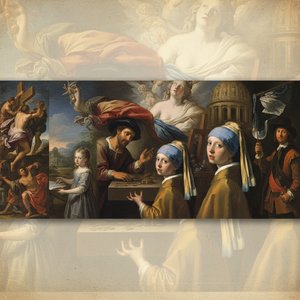
ბարოკოს ეტალონები: 10 შედევრი, რომელმაც განსაზღვრა ეს სტილი | TopImpressionists
აღმოფრთოვანდით ბაროკოს ეპოქის 10 უმშვენიერეს შედევრთან! კარავაჯო, რემბრანდტი და ვერმეერი – გი tanıtեք ამ დიდებულ ხელოვანებს. იხილეთ მათი საუკეთესო ნაშრომები და შექმენით თქვენი სახლისთვის უნიკალური დეკორი TopImpressionists-თან!
აღმოაჩინეთ ხელოვნების ნაწარმოებები თემების, სტილისა და მახასიათებლების მიხედვით დაჯგუფებული.


