

![Self Portrait With Pipe [sketch] — თეო ვან რისელბერხი](/media/artworks/images-full/9e/7b/9e7bce3a3cf712911704726cb84ae06e.jpg)
 წინასწარი ნახვა
 გაგზავნა
 გაზიარება
 დეტალები
 გზამკვლევი

 ჩამოტვირთვა
 მსგავსები
 რენტგენოგრაფიული კვლევა
 სლაიდშოუ
 სტატისტიკა
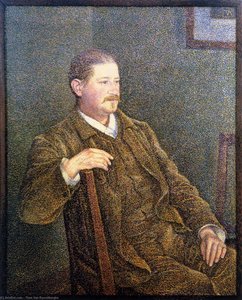
Self Portrait with Pipe [sketch]


Explore Théo van Rysselberghe's evocative Self Portrait with Pipe (1880), a seminal Neo-Impressionist masterpiece capturing light and introspection—a cornerstone of Belgian art history.
 გადასართად დაწვრილებით ნახეთ
აღმოაჩინეთ თეო ვან რიზელბერგეს ფერადი ნეოიმპრესიონისტული ტილოები! შესანიშნავი პორტრეტები, მაროკოს სცენები და Les XX-ის წამყვანი მხატვარი, რომელიც ფერის და სინათლის უნიკალურ კომბინაციას გვთავაზობს.
ხელით ნაკვეთი ზეთის ტილოს რეპროდუქცია
ტილოზე შესრულებული ფერწერიანი ზეთប្រდათი, თქვენთვის სასურველი ზომისა და ჩარჩოსთვის, ჩვენი ხელოვანების მიერ შეკვეთის საფუძველზე დამზადებული. ( გადართვა ბეჭდზე გადასვლა ციფრულ გამოსახულებაზე)




P118B $10

P118H $10

P118W $10

P438Z $10

P508JH $12

P508YH $12

P805H $10

P805Z $10

P919BZ $10

P919G $10

P919XJ $10

P959ZH $10

P968JZ $12

W106C $8

W218G $10

W218JH $8

W218Y $10

W307PJ $10

W316G $10

W316PJ $8

W316Y $10

W398PJ $8

W4111J $10

W500HY $15

W500JH $15

W692G $12

W849H $8

W940BG $15

W953PJ $8




სტანდარტული
სასურველი ზომის
CM
INCH
აირჩიეთ ჩვენს მიერ წინასწარ განსაზღვრული ზომებიდან, რომლებიც ნაწარმოების ორიგინალურ პროპორციებს შეესაბამება.
Loading sizes...

სიგანე
სიმაღლე
თქვენ შეგიძლიათ მიუთითოთ თქვენთვის სასურველი ზომები კონკრეტული ჩარჩოს ან სივრცის შესაბამისად. თუ თქვენ მიერ არჩეული ზომა არ შეესაბამება ორიგინალი გამოსახულების პროპორციებს, ჩვენ ან შევაჭრებთ ნაწარმოებს, ან ტილოზე დავამატებთ ხელით მოხატულ ელემენტებს. წარმოების დაწყებამდე, დამტკიცებისთვის გამოგეგზავნებათ ციფრული მაკეტი.
გთხოვთ, გაითვალისწინოთ, რომ ეკრანზე ნაჩვენები წინასწარი შეხედულება არ ასახავს რეალურ შეჭრას ან გაფართოებას. საბოლოო კომპოზიციას ზუსტად მხოლოდ მაკეტი წარმოაჩენს.
მიუხედავად იმისა, რომ შესაძლებელია ინდივიდუალური ზომების შერჩევა, ორიგინალური პროპორციების შენარჩუნებისათვის გირჩევთ, გამოიყენოთ წინასწარ განსაზღვრული სიის ზომები.
რა შეიძლება შეიცვალოს: სახის ჩანაცვლება მომხმარებლის ფოტოთი; შინაური ცხოველის დამატება (მაგ., კატის ჩანაცვლება ძაღლით); ფონზე ფარული შეტყობინების დამატება; ფონის პეიზაჟის ან ელემენტების შეცვლა.
შეკვეთის შემდეგ, TopImpressionists.com გუნდი დაგიკავშირდებათ ელექტრონული ფოსტით ინსტრუქციებისთვის და გამოგიგზავნით წინასწარ ნახაზს (mockup).
შეკვეთის შემდეგ, TopImpressionists.com გუნდი დაგიკავშირდებათ ელექტრონული ფოსტით ინსტრუქციებისთვის და გამოგიგზავნით წინასწარ ნახაზს (mockup).
მიწოდება მსოფლიო მასშტაბით -ში 3/4 კვირაში, სტანდარტული 5 კვირის ნაცვლად. (23 სექტემბერი). ხარისხზე კომპრომისის გაკეთება არ მოხდება.

უფასო ექსპრეს მიწოდება მთელ მსოფლიოში

საბამად მაღალი ხარისხის ტილო

სრული ტრანსპორტირების დაზღვევა

საბაჟო გადასახადების დაბრუნების გარანტია

ფერების სრული შესაბამისობის გარანტია

დაბრუნების 100-დღიანი პოლიტიკა (მხოლოდ დეფექტის შემთხვევაში)

100% თანხის დაბრუნების გარანტია

ფასდაკლება დიდი რაოდენობით შეკვეთისას
 მინის ჩარჩოს არჩევანი ხელმისაწვდომია მხოლოდ 110 სმ-ზე ნაკლები ზომისთვის

Self Portrait with Pipe [sketch]
რეკლამაციის ტექნიკა
რეკლამაციის ზომა
-


საბოლოო ფასი
$ 269
A Quiet Contemplation Captured in Light
In the intimate stillness of 1880, Theo van Rysselberghe captured more than just his own likeness; he captured a moment of profound psychological depth. In his Self Portrait with Pipe [sketch], the artist presents us with an earnest, unblinking gaze that bridges the gap between the canvas and the observer. Seated indoors, the subject is enveloped in an atmosphere of quiet introspection, where every detail—from the subtle texture of his attire to the steady presence of his pipe—serves to deepen the narrative of a man lost in thought. This is not merely a study of a face, but an invitation into the artist's inner sanctum, offering a window into the contemplative soul that would later define much of the Neo-Impressionist movement.
The technical mastery displayed in this early work hints at the revolutionary path van Rysselberghe was destined to tread. While his later fame rests upon the scientific precision of pointillism, this piece showcases a remarkable command of oil on canvas and a burgeoning sensitivity to light. The artist utilizes a meticulous approach reminiscent of the cloisonné technique, applying layers that create a rich, textural landscape of shadow and luminosity. Through a subdued palette, he achieves a sense of serene melancholy, using harmonious tones to build a composition that feels both physically grounded and spiritually ethereal. For the discerning collector or interior designer, this painting offers a sophisticated anchor for any space, providing a focal point that commands attention through subtlety rather than spectacle.
Symbolism and the Spirit of an Era
Beyond the visual surface, the artwork is steeped in the intellectual currents of late 19th-century Belgium. The inclusion of the pipe is far from incidental; it acts as a potent symbol of philosophical engagement, solitude, and the slow, deliberate passage of time. It represents the intellectual pursuit that characterized the era's burgeoning interest in psychology and self-awareness. As the viewer meets the artist's direct gaze, the pipe becomes a companion in thought, suggesting that the act of looking is itself an act of deep reflection.
Historically, this work emerges from a period of intense artistic experimentation. As van Rysselberghe moved away from the fleeting impressions of his predecessors toward a more structured exploration of color theory, this sketch stands as a vital precursor to his mature style. It embodies the tension between traditional realism and the scientific advancements in optical research that were beginning to reshape the art world. To possess a reproduction of this piece is to hold a fragment of art history—a moment where the weight of tradition meets the dawn of modern perception, making it an exquisite addition to any curated collection seeking both historical gravity and timeless emotional resonance.
დაკავშირებული ნამუშევრები



მხატვრის ბიოგრაფია
სინათლის პიონერი: თეო ვან რისელბერგეს ცხოვრება და შემოქმედება
თეოფილ “თეო” ვან რისელბერგე, რომელიც 1862 წელს გენტში დაიბადა, მნიშვნელოვანი ფიგურად წარმოჩნდა იმპრესიონიზმსა და ნეოიმპრესიონიზმის შორის ხიდად. მისი მოგზაურობა, ინტელექტუალური გაცვლა-მოსამზადებელი და სინათლის არსის აღსადგენად უწყვეტი ძიება არ იყო მყისიერი სტილისტიკური გადაწყვეტილება, არამედ ვითარებადი გამოკვლევა. კომფორტული ბურჟუაზიული ფრანგულენოვანი ოჯახიდან წარმოშვეული ვან რისელბერგე თავდაპირველად გენტის აკადემიაში თეო კანნელის ხელმძღვანელობით, ხოლო შემდეგ ბრიუსელის პრესტიჟულ Académie Royale des Beaux-Arts-ში მიიღო სამხატვრო განათლება. ამიერი წლების განმავლობაში მან ტრადიციული რეალიზმის საფუძველი ჩაყარა, რაც ადრეულ ნამუშევრებში, როგორიცაა *ავტოპორტრეტი მილთან* (1880), აშკარად ჩანს – ეს იყო ბელგიური სამხატვრო კლიმატის ასახვა. თუმცა, ამ ადრეულ ნამუშევრებშიც კი სინათლისა და ფერის მზარდი მგრძნობელობა გამოჩნდა, რაც მის მომავალ ტრაექტორიას წინასწარ უწყებდა. მნიშვნელოვანი ნამუშევი ამ პერიოდიდან, *ბავშვი ტყის ღია ადგილზე* (1880), გარკვეულ გადახვევას აღნიშნავს, რაც უფრო ნათელ ფერებსა და თავისუფალ ხატვას მიანიშნებს, რაც მის მოგვიანო სტილს განსაზღვრავს.მაროკული შთაბეჭდილებები და XX-ის დაბადება
მნიშვნელოვანი ეტაპი ვან რისელბერგეს მოგზაურობებმა მაროკოში, 1882-1888 წლებში შექმნა. ეს ხანგრძლივი გამგზავრებები მას ფერადი სამყაროში ჩაძირა, ინტენსიური მზის სინათლით და ეგზოტიკური პეიზაჟებით – მკვეთრი კონტრასტი ადრეულ ნამუშევრების მოჩუილი ტონებთან. ნახატები, როგორიცაა *არაბული ქუჩის ჩექმაგობისოსი* (1882), *არაბული ბიჭი* (1882) და *დასვენებული გვარდიელი* (1883), ირკვევს ფორმებზე სინათლის ეფექტების აღსადგენად გატაცებას, მკვრივი რეალიზმისგან უფრო იმპრესიონისტული მგრძნობელობისკენ გადახრას. მაროკული გამოცდილება მხოლოდ ვიზუალური დაკვირვება არ იყო; ეს სხვა კულტურაში ჩაძირვა იყო, რომელმაც მისი სამხატვრო ჰორიზონტები გააფართოა და სიცოცხლის ბოლომდე მოგზაურობის სიყვარული გაუმძაფრა. ბრიუსელში დაბრუნების შემდეგ ვან რისელბერგე ბელგიური სამხატვრო სცენის ერთ-ერთი მთავარი ძალა გახდა, 1883 წელს ოქტავ მაუსთან და ემილ ვერჰაერენთან ერთად დამფუძნებელი *Les XX* (ოცდამექვსე) ჯგუფის. ეს კოლექტივი ავანგარდული ხელოვნების წარმოჩენის პლატფორმა იყო, რაც ბელგიურ აუდიტორიას ახალ მოძრაობებს, როგორიცაა იმპრესიონიზმი და სიმბოლიზმი, წარუდგენდა. *არაბული ფანტაზია* (1884), მასშტაბური ეგზოტიკური ნახატი, ამ პერიოდის მისი ყველაზე სახელოვანი ნამუშევარი გახდა, რაც სინათლისა და კომპოზიციის მფლობელობას აჩვენებს.ნეოიმპრესიონიზმის მიღება: ფერის მეცნიერული მიდგომა
ვან რისელბერგეს სამხატვრო განვითარების გადამწყვეტი მომენტი 1886 წელს პარიზში ჟორჟ სეურას *გრანდ-ჟატზე დღეს* შეხვედრა იყო. თავდაპირველად სკეპტიკურად განწყობილი სეურას “პუენტილისტული” ტექნიკის მიმართ – წმინდა ფერის მცირე წერტილების სისტემატური გამოყენება – ვან რისელბერგე თანდათანვე დააფასა მისი მეცნიერული საფუძველი და სინათლის ეფექტების მისაღწევად პოტენციალი. მან ექსპერიმენტები დაიწყო დივიზიონიზმით, ნეოიმპრესიონისტური მეთოდით ფერების მათი შემადგენელი ნაწილებად დაყოფის მიზნით და თვალისთვის ოპტიკურად შეკუმშვის საშუალება. ეს მხოლოდ ტექნიკური ცვლილება არ იყო; ეს ხატვის მიდგომაში ფუნდამენტალური ცვლილება იყო – უფრო ანალიტური და ობიექტური წარმოდგენა სინათლისა და ფერის შესახებ. მან ახლო მეგობრობა დაამყარა სხვა ნეოიმპრესიონისტ მხატვართან, პოლ სიგნაკთან ერთად, მასთან ერთად საფრანგეთის რივიერაზე მოგზაურობდა და ტექნიკისა და თეორიის შესახებ იდეებს ცვლიდა. ვან რისელბერგემ გამოირჩია მოძრაობაში ლანდშაფტების გარდა პორტრეტულობითაც, რაც ოჯახისა და მეგობრების განსაცვიფრებელი ნათელი და ფსიქოლოგიურად ღრმა გამოსახულებებს ქმნის – *შარლ მაუსის მეუღლე* (1890) ამის შესანიშნავი მაგალითია.პუენტილიზმის მიღმა: უკვდავი მემკვიდრეობა
მიუხედავად ნეოიმპრესიონიზმს დიდი ხნის განმავლობაში ერთგულებისა, ვან რისელბერგე 1890-იანი წლების ბოლოს მის მკაცრი პრინციპების მიღმა გადავიდა. მან უფრო მეტი თავისუფლება მოითხოვა ფერის გამოყენებაში და კომპოზიციაში, ახალი გზები შეძლო ემოციებისა და ატმოსფეროს გამოხატვისთვის. ის პროლდიფიული მხატვარი იყო, რომელიც სხვადასხვა მედიუმში მუშაობდა, მათ შორის ავეჯის დიზაინში, წიგნის ილუსტრაციებში და ორნამენტულ ხელოვნებაში. მისი გავლენა ბელგიას 넘어 უფრო ფართოდ გავრცელდა, რაც მხატვრებზე, როგორიცაა პიტ მონდრიანი და იან ტოროპი, მოხდა, რომლებმაც შთაგონება მიიღეს მის ინოვაციურ ფერების გამოყენებაში და სინათლეში. ვან რისელბერგეს მემკვიდრეობა მხოლოდ მის მშვენიერ ნახატებში არ მდგომარეობს, არამედ სამხატვრო ცვლილებების კატალიზატორად როლში – მოდერნიზმის ჩემპიონად, რომელმაც ახალი იდეები და ტექნიკა წარუდგინა ბელგიურ სამხატვრო სამყაროს. მისი ნამუშევრები დღეს მსოფლიოს წამყვან მუზეუმის კოლექციებში ინახება, მათ შორის პარიზის ლუქსემბურგის მუზეუმი და გენტის ხელოვნების მუზეუმი, რაც უზრუნველყოფს
თეო ვან რისელბერხი
1862 - 1926 , ბელგია
მოკლე ინფორმაცია
- Artistic Movement Or Style: ნეოიმპრესიონიზმი
- Artists Or Movements Influenced By This Artist: ['პიეტ მონდრიანი']
- Artists Who Influenced This Artist: ['ჟან-ფრანსუა Portaels']
- Date Of Birth: 23 ნოემბერი, 1862
- Date Of Death: 13 დეკემბერი, 1926
- Full Name: თეო ვან rysselberghe
- Nationality: ბელგიელი
- Notable Artworks (List Of Titles):
- Arabian Phantasia
- Spanish Woman
- Place Of Birth (City And Country): გენტი, ბელგია
დაკავშირებული სტატიები

Timeless Impressionism: Bringing the Soul of Monet and Van Gogh into Your Cultural Space
Discover the soul of Impressionism. Explore how the luminous light of Monet and the emotional depth of Van Gogh can transform your home with premium, hand-painted oil reproductions designed for the discerning art lover.

Capturing the Light: A Journey Through the Ethereal Magic of Impressionism and Post-Impressionism
Embark on a cultural journey through the luminous world of Impressionism. Discover the profound beauty of Monet, Van Gogh, and Cézanne through expert art history insights and explore how to bring these timeless masterpieces into your home with museum-quality hand-painted reproductions.
აღმოაჩინეთ ხელოვნების ნაწარმოებები თემების, სტილისა და მახასიათებლების მიხედვით დაჯგუფებული.

