
 ნახვა ინტერьерში
 გაგზავნა
 გაზიარება
 დეტალები
 გზამკვლევი

 ჩამოტვირთვა
 მსგავსები
 რენტგენოგრაფიული კვლევა
 სლაიდშოუ
 კითხვა-პასუხი
 სტატისტიკა
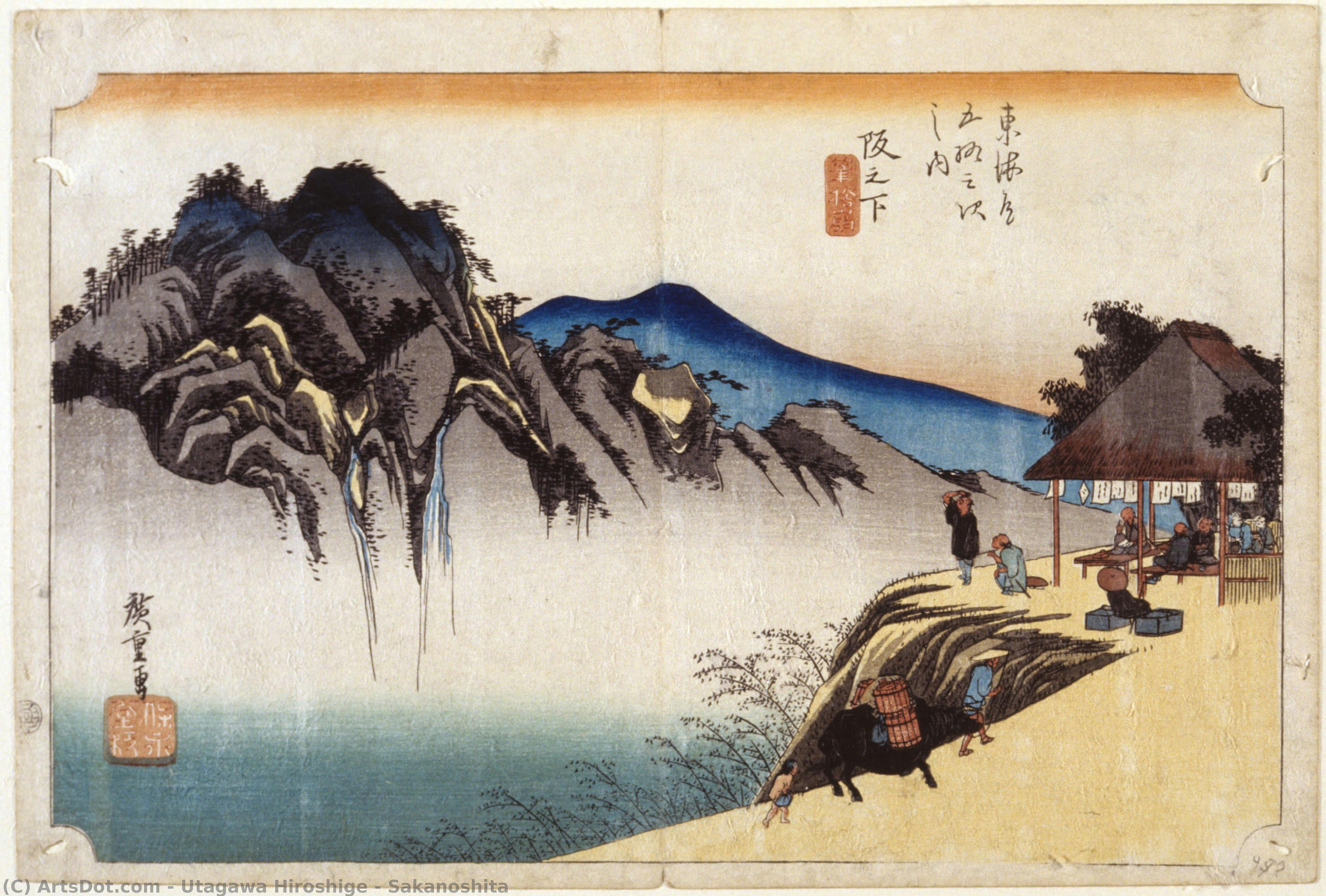
Sakanoshita


Experience Hiroshige's 'Sakanoshita': A stunning ukiyo-e print capturing the rugged beauty of the Tōkaidō road & Fudesute Mountain. Explore Edo Japan's poetic landscapes!
 სრული ტექსტის ნახვა
აღმოაჩინეთ უტაგავა ჰიროშიგე (1797-1858), იაპონიის უკიヨ-ე-ს ბოლო დიდი ოსტატი. შეისწავლეთ საკულტო პეიზაჟები, როგორიცაა „ტოკაიდოს ორმოცდაათი და სამი სადგური“, მისი პოეტური სტილი და გავლენა იმპრესიონიზმსა და ვან გოგზე.
გიკლე / ხელოვნების პრინტი
მუზეუმის დონის ჟიკლე ან ტილოზე ბეჭდვა სწრაფი წარმოებისა და დასრულების მოქნილი ვარიანტებით. ( შეიძინეთ ხელით შესრულებული ნახატი გადასვლა ციფრულ გამოსახულებაზე)




P118B ₾10

P118H ₾10

P118W ₾10

P438Z ₾10

P508JH ₾12

P508YH ₾12

P805H ₾10

P805Z ₾10

P919BZ ₾10

P919G ₾10

P919XJ ₾10

P959ZH ₾10

P968JZ ₾12

W106C ₾8

W218G ₾10

W218JH ₾8

W218Y ₾10

W307PJ ₾10

W316G ₾10

W316PJ ₾8

W316Y ₾10

W398PJ ₾8

W4111J ₾10

W500HY ₾15

W500JH ₾15

W692G ₾12

W849H ₾8

W940BG ₾15

W953PJ ₾8




სტანდარტული ზომა
ინდივიდუალური ზომა
CM
INCH
აირჩიეთ ჩვენს მიერ წინასწარ განსაზღვრული ზომებიდან, რომლებიც ნაწარმოების ორიგინალურ პროპორციებს შეესაბამება.
Loading sizes...

სიგანე
სიმაღლე
შეიყვანეთ თქვენთვის საჭირო სიგანე და სიმაღლე, რათა იგი მოერგოს თქვენს ჩარჩოს ან კედელს. ბეჭდვისას შესაძლებელია მხოლოდ მისი შემცირება და არა გაზრდა, ამიტომ სხვა ფორმის ზომის შემთხვევაში გამოსახულება ნაწილობრივ იკარგება. სანამ რაიმეს დაბეჭდავთ, ჩვენ გამოგიგზავნით ციფრულ მაკეტს დასდასტურებლად. ამ გვერდზე ნაჩვენები სურათი არ ასახავს რეალურ ჭრას — ამას მხოლოდ მაკეტი გვიჩვენებს.
მიწოდება მთელ მსოფლიოში () 2 კვირაში, სტანდარტული 4/5 კვირის ნაცვლად. (4 ნოემბერი)

უფასო ექსპრეს მიწოდება მთელ მსოფლიოში

მაღალი ხარისხის ტილო

ტრანსპორტირების სრული დაზღვევა

საბაჟო გადასახადების დაბრუნების გარანტია

ფერების სრული შესაბამისობის გარანტია

დაბრუნების 100-დღიანი პერიოდი (მხოლოდ წარმოების დეფექტის შემთხვევაში)

100% თანხის სრული დაბრუნების გარანტია

ფასდაკლება დიდი რაოდენობით შეკვეთისას
 მინის ჩარჩოს არჩევანი ხელმისაწვდომია მხოლოდ 110 სმ-მდე ზომისთვის

Sakanoshita
გიკლე / ხელოვნების პრინტი
რეპროდუქციის ზომა
-


ჯამური ღირებულება
₾ 182
A Poetic Glimpse of Edo Japan: Exploring Utagawa Hiroshige's "Sakanoshita"
Utagawa Hiroshige’s “Sakanoshita,” part of his renowned series The Fifty-three Stations of the Tōkaidō, offers more than just a scenic view; it provides a window into the heart of Edo period Japan. This evocative woodblock print captures a moment in time along one of the nation's most vital trade routes, transforming a practical thoroughfare into a landscape imbued with profound beauty and subtle narrative. The scene unfolds near Sakanoshita, a particularly challenging stretch of the Tōkaidō road known for its steep inclines and rugged terrain – a reality reflected in Hiroshige’s masterful depiction.
The Journey and the Landscape: Context and Technique
Completed during the Edo period (1603-1868), a time of relative peace and prosperity under the Tokugawa shogunate, “Sakanoshita” reflects a burgeoning interest in travel and landscape art. The Tōkaidō itself was more than just a road; it was a lifeline connecting Edo, the political heart of Japan, with Kyoto, its former imperial capital. Hiroshige’s series documented this journey, not merely as a geographical record but as an exploration of the emotional and aesthetic experiences encountered along the way. The print exemplifies ukiyo-e, meaning "pictures of the floating world," a genre that celebrated everyday life, landscapes, and popular culture. Hiroshige's approach within this tradition was particularly poetic, moving beyond simple representation to capture atmosphere and feeling. His technique involved meticulous carving on woodblocks by skilled artisans, followed by multiple layers of color printing—a process demanding precision and artistry. The subtle gradations of blue and green, achieved through the skillful application of bokashi (color gradation), create a sense of depth and distance that draws the viewer into the scene.
Symbolism in Stone and Shadow: A Narrative Unfolds
Beyond its visual appeal, “Sakanoshita” is rich with symbolic meaning. The towering presence of Fudesute-yama, or "Brush-Discarding Mountain," dominates the composition. Legend has it that a frustrated painter, unable to capture the mountain's beauty, threw his brush away in despair – a poignant reminder of the limitations of human artistry and the overwhelming power of nature. The travelers depicted on the winding path represent the constant flow of life along the Tōkaidō—merchants, pilgrims, government officials—all engaged in their own journeys. Their small size relative to the landscape emphasizes humanity’s place within a vast and timeless world. Even the dog accompanying one of the figures adds a touch of domesticity and companionship amidst the ruggedness of the terrain. The overall impression is not merely of a scenic view but of a microcosm of Edo period society, interwoven with the grandeur of the natural world.
An Enduring Legacy: Emotion and Influence
Hiroshige’s “Sakanoshita” resonates deeply because it transcends mere representation; it evokes a feeling—a sense of quiet contemplation, perhaps tinged with melancholy. The atmospheric perspective, the subtle color palette, and the carefully composed arrangement of elements all contribute to an emotional richness that continues to captivate viewers today. The print’s influence extended far beyond Japan, profoundly impacting Western artists like Vincent van Gogh and Claude Monet, who were captivated by its innovative compositions and poetic sensibility. It stands as a testament to Hiroshige's genius—a master of capturing the fleeting beauty of the natural world and transforming it into an enduring work of art.
კითხვები და პასუხები
უთავგა ჰიროსიგე-ის „Sakanoshita“-ის ფერები გაჯერებული თუ მკრთალია?
„Sakanoshita“-ის პალიტრის ფერების გაჯერებულობა არის Subtle Color.
რა ფერი დომინირებს უთავგა ჰიროსიგე-ის „Sakanoshita“ კომპოზიციაში?
Putty (#e6ddc9) არის უთავგა ჰიროსიგე-ის „Sakanoshita“-ის დომინანტური ფერი.
სად შემიძლია ვიყიდო უთავგა ჰიროსიგე-ის „Sakanoshita“-ის ხელით ნათესლი?
უთავგა ჰიროსიგე-ის „Sakanoshita“-ის ხელით შესრულებული რეპროდუქციის შეკვეთა შეგიძლიათ პირდაპირ მის ხელით ნათესლიერი რეპროდუქცია გვერდზე: ლენის ტილოზე შესრულებული ზეთწარმოთი, ხელით ნათესლით, რომელიც ინდივიდუალურად, შეკვეთის საფუძველზე მზადდება.
მხატვრის ბიოგრაფია
ედოს იაპონიის პოეტური ხედვა: უტაგავა ჰიროშიგეს ცხოვრება და შემოქმედება
უტაგავა ჰიროშიგე, რომელიც 1797 წელს ედოს (თანამედროვე ტოკიო) მრავალფეროვან ქალაქში დაიბადა, ანდო ტოკუტაროს სახელით ცნობილი, უკიヨ-ე-ს, ანუ „მცურავი სამყაროს სურათების“ სამყაროში საკვანძო ფიგურად იდგა. მიუხედავად იმისა, რომ მისი შემოქმედება ღრმად იყო ფესვგადგმული იაპონური ხის ბლოკზე ბეჭდვის ტრადიციებში, ჰიროშიგემ მხოლოდ რეპროდუქციას ვეღარ შემოიფარგლებოდა; მან თავის პეიზაჟებს ისეთი პოეტური სინსენსიტიურობა შესძინა, რომელიც ღრმად ეხმიანებოდა არა მხოლოდ იაპონიას, არამედ მოგვიანებით დასავლურ სამart-ს world-საც. მისი ცხოვრება ტოკუგავას შოგუნატის ეპოქაში, შედარებით მშვიდ და აყვავებულ პერიოდში წარიმართა, თუმცა ეს დრო ასევე აღსავსე იყო მზარდი სოციალური ცვლილებებითა და საბოლოო დასავლურიკულტურული გავლენით – ძალებით, რომლებმაც, მიუხედავად უკიヨ-ე-ს შემდგომი დაღმავალი ტენდენციისა, ჰიროშიგეს მარადიული მემკვიდრეობა კიდევ უფრო გააძლიერეს. თავდაპირველად, მისი ბედი სამურაის ოჯახში უფრო ტრადიციური გზით უნდა წარიმართა – მამამისი კი ქალაქის სახანძრო ინსპექტორად მსახურობდა – თუმცა ჰიროშიგეს მხატვრულმა მიდრეკილებებმა მას უტაგავას სკოლის ოსტატთან, უტაგავა ტოიოჰიროთან მოსწავლეობა აიძულა. ეს გადამწყვეტი გარდატეხა აღმოჩნდა, რამაც მას სხვა ბევრ უკიヨ-ე ოსტატს შეუნახავად ქალბატონებისა და მსახიობების პოპულარული გამოსახულებებისგან გადაიყვანა პეიზაჟისკენ – ჟანრისკენ, რომელიც მან საბოლოოდ თავიდან განსაზღვრა.ჟანრული სცენებიდან ემოციურ პეიზაჟებამდე
ჰიროშიგეს ადრეული ნამუშევრები მისი სკოლის კონვენციებს მიჰყვებოდა და მოიცავდა პორტრეტებსა და ყოველდღიური ცხოვრების სცენებს. თუმცა, სწორედ პეიზაჟისადმი მის მიდრეკილებამ განასხვავა იგი სხვებისგან. ჰოკუსაის მსგავსი ადრეული ოსტატების გავლენით – რომლის „ფუჯის მთის ოცდათოთე ხედვაც“ უკვე მოხიბლავდა მაყურებელს – ჰიროშიგემ შეიმუშავა უნიკალური სტილი, რომელიც დახასიათებული იყო ატმოსფერული პერსპექტივით, ფაქსირებული ფერల პალიტრითა და ცვალებადი სეზონებისადმი ღრმა მგრძნობელობით. იგი არ ახდენდა მხოლოდ ადგილების აღწერას; ის აღძრავდა მათ განწყობას და აფიქსირებდა დროის კონკრეტული მომენტის არსს. სერია „ტოკაიდოს ორმოცდაათი და სამი სადგური“ (1833–1834), შესაძლოა, მისი ყველაზე აღიარებული მიღწევაა და სწორედ ეს მიდგომა ასახავს. ეს მონუმენტური ნამუშევარი დოკუმენტირებას უწევდა მოგზაურობას ტოკაიდოს გზაზე, რომელიც ედოსა და კიოტოს აკავშირებდა, არა როგორც პირდაპირ მოგზაურობის აღწერას, არამედ როგორც ემოციური ვიგნეტების სერიას – მოულოდნელი წვიმა შონოში, ფუჯის მთის შორეული ხედვა კანაიადან, ქარცქარიანი აქტივობა ოდავარაში. თითოეული გრავიურა გაჯერებულია წარმავალობისა და მშვიდი სილამაზის განცდით, რაც მაყურებელს მოუწოდებს, მოგზაურებთან ერთად გამოსცადოს ეს გზა. მან ოსტატურად გამოიყენა ბოკაში – ტექნიკა, რომელიც მრავალჯერადი ბეჭდვის მეშხვეობით ქმნიდა ფერების ნატიფი გადასვლებს და კომპოზიციებს სიღრმესა და ატმოსფეროს სძენდა.ატმოსფეროსა და ტექნიკის ოსტატი
ჰიროშიგეს ტექნიკური ოსტატობა ისეთივე შთამბეჭდავი იყო, როგორც მისი მხატვრული ხედვა. მას არ აინტერესებდა მხოლოდ ზუსტი რეპრეზენტაცია; იგი ცდილობდა დაეკონტროვებინა ადგილის „გრძნობა“. ფერების გამოყენება, მიუხედავად იმისა, რომ ხშირად შეკავებული იყო მისი თანამედროვეების ფონზე, გადამწყვეტი იყო ამ ეფექტის მისაღწევად. იგი ხშირად იყენებდა რამდენიმე ბლოკს ერთი ფერისთვის, რაც საშუალებდა შეექმნა ნიუანსირებული ჩრდილები და ატესფერული ეფექტები, რომელთა რეპლიკაციაც წარმოუდგენლად რთული იყო. ლურჯის ნატიფი გადასვლები წვიმისა თუ ნისლის გამოსახულებებში, შემოდგომის ფოთლების თბილი ტონალობები – ეს ყველაფერი შემთხვევითი არ ყოფილა; ეს იყო საგულდაგულოდ გააზრებული ელემენტები, რომლებიც კონკრეტული ემოციებისა და შეგრძნებების გამოსაწვევად იყო შექმნილი. ბოკაშის გარდა, ჰიროშიგე ოსტატურად ფლობდა ცარიელი სივრცის – „მა“-ს გამოყენებას, რაც იაპონური ესთეტიკის ცენტრალური კონცეფციაა; ეს საშუალებდა გრავიურის გარკვეულ ნაწილებს „ისუნთქათ“ და ამყარებდა სიმშვიდის საერთო განწყობას. მისი სერია „ედოს ას አንድ ცნობილ ხედვა“ (1856–1858) კიდევ უფრო წარმოაჩენდა მის ოსტატობას, რაც გვაწვდიდა ინტიმურ እይታებს მისი საყვარელი ქალაქის ცხოვრებასა და პეიზაჟებზე.მარადიული მემკვიდრეობა: ჟაპონიზმი და მის ფარგლებს გარეთ
მიუხედავად იმისა, რომ უკიヨ-ე-ს ტრადიცია ჰიროშიგეს 1858 წელს გარდაცვალების შემდეგ დაიწყო დასუსტება – პროცესი, რომელიც მეიჯის რესტავრაციამ და დასავლური კულტურის შემოღწევამ დააჩქარა – მის გავლენას ხელოვნების სამყადოზე საოცრად მდგრადი აღმოჩნდა. მე-19 საუკუნის ბოლოს იაპონური გრავიურები ევროპაში მოხვდა, რამაც წარმოშვა ფენომენი, რომელიც ცნობილია როგორც ჟაპონიზმი. ისეთი ხელოვანები, როგორებიცაა ედუარდ მანე, კლოდ მონე დაედა გაგა, მოხიბლულნი იყვნენ უკიヨ-ე-ს თამამ კომპოზიციებით, ბრტყელი პერსპექტივითა და არაკონვენციური ფერების სქემებით და ეს ელემენტები საკუთარ შემოქმედებაშიც ჩართეს. ვინსენტ ვან გოგი განსაკუთრებით აღფრთოვანებული იყო ჰიროშიგეს გრავიურებით; მან შექმნა რამდენიმე მათგანის ასლი, მათ შორის „ალუბლის პარკი კამეიდოში“, რაც მოწმობს იაპონური ოსტატის ფერებისა და კომპოზიციის გამოყენებისადმი მის ღრმა აღტაცებას. ჰიროშიგეს გავლენა სცილდებოდა ფერწერას; იგი ვლინდება არქიტექტურაში, დიზაინსა და ლიტერატურაშიც კი. დღეს უტაგავა ჰიროშიგე იხსენებენ არა მხოლოდ როგორც ბრწყინვალე ხელოვანს, არამედ როგორც კულტურულ ელჩს, რომელმაც დაეხმარა აღმოსავლეთსა და დასავლეთს შორის ნაპრალის შეკვრას და წარუვალე კვალი დატოვა ხელოვნების ისტორიაში. მისი მშვიდი პეიზაჟები დღემდე აღძრავს მოწიწებას და ფიქრს, შეგვგვსვდით ბუნებრივი სამყაროს სილამაზისა და წარმავალობის შესახებ.აღიარებული ნამუშევრები
- ტოკაიდოს ორმოცდაათი და სამი სადგური: ჰიროშიგეს ყველაზე ცნობილი სერია, რომელიც ასახავს მოგზაურობას ედოსა და კიოტოს შორის მთავარ გზაზე.
- ედოს ას አንድ ცნობილ ხედვა: მისი საყვარელი ქალაქის ცხოვრებისა და პეიზაჟების მომხიბვლელი პორტრეტი.
- გავლენა ვინსენტ ვან გოგის ჟაპონერიეს სერიაზე: მათ შორის „ალუბლის ყვავილებული ხე ჰიროშიგესეული“, რაც წარმოაჩენს ვან გოგის ღრმა აღტაცებას იაპონური ოსტატის მიმართ.

უთავგა ჰიროსიგე
1797 - 1858 , იაპონია
მოკლე ფაქტები
- Artistic Movement Or Style: უკიო-ე
- Artists Or Movements Influenced By This Artist:
- მანე
- მონე
- ვან გოგი
- იმპრესიონიზმი
- Artists Who Influenced This Artist: ['ჰოკუსაი']
- Date Of Birth: 1797
- Date Of Death: 1858
- Full Name: უტაგავა ჰიროშიგე
- Nationality: იაპონელი
- Notable Artworks:
- ტოკაიდოს ორმოცდაათი და სამი სადგური
- ედოს ას አንድ ცნობილი ხედი
- Place Of Birth: ტოკიო, იაპონია
მსგავსი სტატიები

Floating Worlds: The Timeless Elegance and Cultural Magic of Ukiyo-e Art
Embark on a cultural journey through the enchanting world of Ukiyo-e. Discover the history, masters like Hokusai, and the vibrant Edo period aesthetics that continue to inspire art lovers worldwide with their timeless beauty and intricate woodblock craftsmanship.
აღმოაჩინეთ ხელოვნების ნაწარმოებები თემების, სტილისა და მახასიათებლების მიხედვით დაჯგუფებული.


