


 ნახვა ინტერьерში
 გაგზავნა
 გაზიარება
 დეტალები
 გზამკვლევი

 ჩამოტვირთვა
 მსგავსები
 რენტგენოგრაფიული კვლევა
 სლაიდშოუ
 სტატისტიკა
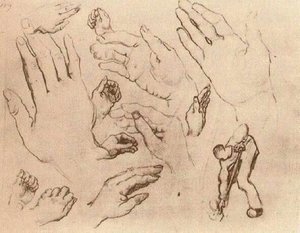
Hands


 სრული ტექსტის ნახვა
ვინსენტ ვან გოგი (1853-1890): აღმოაჩინეთ „ვარსკვლავების ღამის“ და „მზის მზეების“ ავტორის, ჰოლანდიელი პოსტ-იმპრესიონისტი ოსტატის ცხოვრება და შემოქმედება. გაეცანით მის თამამ სტილსა და გავლენას თანამედროვე ხელოვნებაზე.
ხელით შესრულებული ზეთის საღებავით რეპროდუქცია
ტილოზე შესრულებული ფერწერიანი ზეთប្រდათი, თქვენთვის სასურველი ზომისა და ჩარჩოსთვის, ჩვენი ხელოვანების მიერ შეკვეთის საფუძველზე დამზადებული. ( გადართვა ბეჭდვის რეჟიმზე გადასვლა ციფრულ გამოსახულებაზე)




P118B ₾10

P118H ₾10

P118W ₾10

P438Z ₾10

P508JH ₾12

P508YH ₾12

P805H ₾10

P805Z ₾10

P919BZ ₾10

P919G ₾10

P919XJ ₾10

P959ZH ₾10

P968JZ ₾12

W106C ₾8

W218G ₾10

W218JH ₾8

W218Y ₾10

W307PJ ₾10

W316G ₾10

W316PJ ₾8

W316Y ₾10

W398PJ ₾8

W4111J ₾10

W500HY ₾15

W500JH ₾15

W692G ₾12

W849H ₾8

W940BG ₾15

W953PJ ₾8




სტანდარტული ზომა
ინდივიდუალური ზომა
CM
INCH
აირჩიეთ ჩვენს მიერ წინასწარ განსაზღვრული ზომებიდან, რომლებიც ნაწარმოების ორიგინალურ პროპორციებს შეესაბამება.
Loading sizes...

სიგანე
სიმაღლე
შეიყვანეთ თქვენთვის საჭირო სიგანე და სიმაღლე, რათა ნახატი მოერგოს თქვენს ჩარჩოს ან კედელს. ვინაიდან ეს ნამუშევარი ხელით არის შესრულებული, სხვა ფორმის ზომის შემთხვევაში, მხატვარმა შესაძლოა სურათის გარშემო ოდნავ მეტი დატოვოს ან შეამციროს — არჩევანი თქვენზეა. დაწყებამდე, დასამტკიცებლად, ჩვენ გამოგიგზავნით ციფრულ მაკეტს. ამ გვერდზე ნაჩვენები სურათი არ ასახავს რეალურ შედეგს — რეალური სახე მხოლოდ მაკეტზე ჩანს.
რა შეიძლება შეიცვალოს: სახის ჩანაცვლება მომხმარებლის ფოტოთი; შინაური ცხოველის დამატება (მაგ., კატის ჩანაცვლება ძაღლით); ფონზე ფარული შეტყობინების დამატება; ფონის პეიზაჟის ან ელემენტების შეცვლა.
შეკვეთის შემდეგ, TopImpressionists.com გუნდი დაგიკავშირდებათ ელექტრონული ფოსტით ინსტრუქციებისთვის და გამოგიგზავნით წინასწარ ნახაზს (mockup).
შეკვეთის შემდეგ, TopImpressionists.com გუნდი დაგიკავშირდებათ ელექტრონული ფოსტით ინსტრუქციებისთვის და გამოგიგზავნით წინასწარ ნახაზს (mockup).
მიწოდება მსოფლიო მასშტაბით -ში 3/4 კვირაში, სტანდარტული 5 კვირის ნაცვლად. (23 ოქტომბერი). ხარისხზე კომპრომისის გაკეთება არ მოხდება.

უფასო ექსპრეს მიწოდება მთელ მსოფლიოში

მაღალი ხარისხის ტილო

ტრანსპორტირების სრული დაზღვევა

საბაჟო გადასახადების დაბრუნების გარანტია

ფერების სრული შესაბამისობის გარანტია

დაბრუნების 100-დღიანი პერიოდი (მხოლოდ წარმოების დეფექტის შემთხვევაში)

100% თანხის სრული დაბრუნების გარანტია

ფასდაკლება დიდი რაოდენობით შეკვეთისას
 მინის ჩარჩოს არჩევანი ხელმისაწვდომია მხოლოდ 110 სმ-მდე ზომისთვის

Hands
რეპროდუქციის ტექნიკა
რეპროდუქციის ზომა
-


ჯამური ღირებულება
₾ 704
Hand with a Pot, the Knob of a Chair and a Hunk of Bread
Vincent van Gogh’s “Hand with a Pot, the Knob of a Chair and a Hunk of Bread,” created in December 1884-May 1885 during his stay in Nuenen, Netherlands, stands as a testament to Van Gogh's unwavering dedication to capturing the essence of rural life and conveying profound emotional depth. This unassuming sketch—a seemingly simple depiction of domestic objects—holds within it layers of artistic innovation and symbolic resonance that continue to captivate viewers today.
Executed in chalk on paper, measuring 12.4 cm x 7.5 cm, “Hand with a Pot” exemplifies Van Gogh’s signature style: Realism blended seamlessly with Impressionistic influences. Unlike the polished surfaces of many contemporary artists, Van Gogh employed thick impasto—a technique characterized by applying paint in textured strokes—to imbue the artwork with palpable physicality and immediacy. The artist meticulously rendered the contours of the hand, chair knob, and bread crumb, prioritizing accuracy and detail while simultaneously channeling his inner feelings into every brushstroke.
The historical context surrounding this piece is crucial to understanding its significance. Van Gogh was grappling with personal struggles during this period—depression, anxiety, and familial tensions—and sought solace in observing the everyday routines of peasant life. Nuenen, a village known for its potato farming community, served as an inspiration for his artistic endeavors. “Hand with a Pot” reflects not merely a visual representation but also a psychological portrait of Van Gogh’s inner state—a yearning for stability amidst turbulent circumstances.
Symbolically, the hand itself represents labor, resilience, and connection to the earth. The pot symbolizes nourishment and sustenance, mirroring the agricultural pursuits of Nuenen's inhabitants. Even the humble chair knob speaks volumes about domestic comfort and familiarity. Through these carefully chosen objects, Van Gogh conveys a sense of quiet contemplation and understated emotion—a poignant reminder of the beauty found in simplicity.
“Hand with a Pot” is more than just a sketch; it’s a window into Van Gogh's soul. Its textured surface invites viewers to engage with its materiality, while its subtle symbolism encourages reflection on themes of human experience and connection to nature. Today, reproductions of this masterpiece offer an opportunity to appreciate the enduring power of Impressionistic technique combined with unflinching emotional honesty—a legacy that cements Van Gogh’s place as one of art history's most influential figures.
კითხვები და პასუხები
როგორ არის აგებული ვინსენტ ვან გოგი-ის „Hands“-ის ფეროვანი კომპოზიცია?
ვინსენტ ვან გოგი-ის „Hands“-ის ფერების ანალიზი ასახავს Serene კონტრასტს და Unified Palette ჰარმონიას.
როგორ უკავშირდება „Hands“-ის თემატიკა ვინსენტ ვან გოგი-ისთვის დამახასიათებელ ტრადიციულ თემებს?
ვინსენტ ვან გოგი-ის განმეორებადი თემები მოიცავს symbolic gesture, human connection, emotional expression, rural life, artist’s introspection-ს; „Hands“ ფოკუსირებულია hands, sketch, arm, botanical, rural, emotion, texture-ზე.
რა წელს და რომელ სტილის ფარგლებში შეიქმნა "Hands"?
ვინსენტ ვან გოგი-ის „Hands“ დათარიღებულია 1885 წლით და მიეკუთვნება Post-Impressionism-ს.
მსგავსი ნამუშევრები




მხატვრის ბიოგრაფია
ვინსენტ ვან გოგი: ცეცხლოვანი ფერებით ζωγράφებული ბίος
ვინსენტ ვან გოგი – სახელი, რომელსაც ასოცირდება მკვეთრი ფერები და უშუალო ემოცია. ის არის ერთ-ერთი ყველაზე აღიარებულ და საყვარელი ფიგურა ხელოვნების ისტორიაში. მარტს 30, 1853 წელს ზუნდერტში, ნიდერლანდებში დაბადებული ვან გოგის მოგზაურობა, რომელიც შეუსრულებელი მისწრებებით დაწყებულმა მხატვრად გარდაქმნილმა ვიზიონერმა განცდილია, არის ღირსშესანიშნავი ისტორია ერთგულების, ბრძოლისა და უკონკავენტო მემკვიდრეობის შესახებ. მიუხედავად იმისა, რომ იგი ცოცხლობაში მცირედი კომერციული წარმატებას აღწევდა – გარდაცვალებამდე მხოლოდ ერთი ტილო, *წითელი ვენახი*, გაყიდეს – ვან გოგის ხელოვნებაზე თანამედროვე ხელოვნების ზემოქმედება შეუცვლელია, მან განაპირობა ექსპრესიონიზმი და უთვალავი მხატვრის გავლენა მოახდინა, რომლებიც მის შემდეგ მოდიოდა. მისი ისტორია მხოლოდ ფუნთუშებისა და ტილოების შესახებ არ არის; ეს ადამიანური გამოხატვის ძალის დასტურია განსაცვიერებლების წინაშე.ადრეული წლები და მხატვრული გაღვივება
ვან გოგის ადრეულმა ცხოვრებაში უშუალო მისწრებების სერია იყო აღნიშნული. მან ხელი მოგვითქვა სხვადასხვა პროფესიაში – ხელოვნების დილერი, მასწავლებელია, კიდევაც მისიონერი – სანამ საბოლოოდ საკუთარ თავს დაუძღვნა ζωγραφებას, შედარებით გვიან ასაკში, 27 წლისამ. ეს ადრეული გამოცდილებები ღრმად აკმაყოფილებდა მის სამყურველს და თავისთავად მოხვდებოდა მისი ხელოვნების შინაარსში. მისი პირველი ნაშრომები, რომლებიც განასახიერებდნენ გლეხთა ცხოვრების სცენებს რეგიონალურ ბელგიაში, ასახავდნენ მუშათა კლასისადმი βαθύ συμπόνια და მკვეთრ ფერს, რომელიც მათ ტკივილს ასახავს. ჟან-ფრანსუა მილეტის მსგავსი მხატვრების გავლენით, ვან გოგმა სცადა, ეჭირათ ადამიანების ღირსება და გამძლეობა მკაცრი რეალიზმის საშუალებით. თუმცა, პარიზში გადასახლებისას 1886 წელს აღმოჩნდა გადამწყვეტი მომენტი. იქ მან შეხვდა იმპრესიონიზმსა და პოსტ-იმპრესიონიზმს, შეიცვალა მონე, რენუარი და პისაროს მასტერების ტექნიკები. ამ გამოვლენამ გააფართოვა მისი მხატვრული ჰორიზონტი, რაც მისასწრებოდა უფრო ნათელ ფერებსა და თავისუფალ ბრუსჰსტროკებს, თუმცა შენარჩუნებულიყო გამორჩეული ემოციური ინტენსივობა, რომელიც არ იყო სათანადოდ აღმავალი მისი თანამედროცეების უმეტესობისთვის. მისი ძმა, ტიო, ხელოვნების დილერი, მნიშვნელოვან როლს ასრულებდა ამ პერიოდში, უწევდა ფინანსურ მხარდაჭერას და იყო ζωγραφικής სამყაროსთან vital link.სამხრეთის სინათლე და აფეთქებული კრეატიულობა
უფრო მკვეთრი ლანდშაფტისკენ და განახლებისკენ სწრაფვის გამო, ვან გოგმა 1888 წელს სამხრეთ საფრანგეთში, არლში გადასახლება მოითხოვა. ეს გადაწყვეტილებამ აღნიშნა ინტენსიური კრეატიული პერიოდი, რომელიც ხასიათდებოდა ფერის აფეთქებით და გამორჩეული იმპასტო ტექნიკით – ფერების სისქით ტილოზე, რაც წარმოქმნის ზედაპირს, რომელიც ენერგიით არის აღემატებული. სწორედ აქ მან შექმნა მისი ყველაზე სახელოვანი ნაშრომები: *თევზმარა*, *ღამის კაფე* და *ვარსკვლავების ღამე*. პროვანსის ინტენსიური სინათლე, როგორც ჩანს, აუზიანებდა მის ფანტაზიას, რაც მას საშუალებას აძლევდა განესახიერებინა ლანდშაფტებსა და ნატურმორტებს беспрецедентным vibrancy. მისი მხატვრული თანამშრომლობის სურვილი მიანიჭა პოლ გოგენს, იმედით, შექმნილიყო утопический художнический колония. თუმცა, მათი ურთიერთობა არასტაბილური აღმოჩნდა, რაც დასრულდა დრამატული კონფლიქტით, რომლის შედეგადაც ვან გოგმა დაზიანება მოახდინა საკუთარ ყურს. ეს 사건ი ხაზს უსვამდა მისი 정신ის მდგომარეობის fragility-ს და σηματοδότησε περιόδου institutionalization και αυξανόμενης ψυχολογικής δυσφορίας.შემდეგი წლები და უკონკავენტო მემკვიდრეობა
breakdowns-ის შემდეგ, ვან გოგმა добровольно вступил в приют в Сен-Реми, где он продолжал рисовать продуктивно, запечатлевая окружающие пейзажи как с красотой, так и с смятением. Работы, такие как *Звездная ночь*, созданные в это время, пронизаны чувством космического чуда и глубокой эмоциональной глубиной. Позже он переехал в Овер-сюр-Уаз под присмотром доктора Поля Гаше, но его страдания продолжались. 29 июля 1890 года в возрасте 37 лет Ван Гог трагически умер от самострельного ранения. Несмотря на то, что он добился небольшого признания при жизни, его работа начала пользоваться посмертной известностью благодаря неустанным усилиям его шурины, Йоханны ван Гог-Бонгер, которая унаследовала его имущество и посвятила себя продвижению его искусства. Сегодня картины Ван Гога отмечаются во всем мире своей эмоциональной интенсивностью, инновационными техниками и вечной красотой. Его наследие простирается далеко за пределы холста; он стал символом художественной страсти, упорства перед лицом невзгод и силы искусства выражать самые глубокие человеческие эмоции.Основные влияния и развитие художника
- Ранний реализм: Изображения крестьянской жизни Жана-Франсуа Миллета повлияли на ранние работы Ван Гога.
- Импрессионизм и постимпрессионизм: Знакомство с Моне, Ренуаром, Писсарро и другими в Париже расширило его палитру и технику.
- Японские гравюры: Ван Гог был глубоко впечатлен японскими гравюрами на дереве, которые он увлеченно собирал. Их смелые композиции и плоские цветовые плоскости повлияли на свой собственный стиль.
- Эмоциональное выражение: Прежде всего, Ван Гог стремился передать эмоции своим искусством, отдавая предпочтение субъективному опыту объективному представлению. Этот акцент на эмоциональной интенсивности стал определяющей характеристикой его работы и проложил путь для экспрессионизма.

ვინსენტ ვან გოგი
1853 - 1890 , ნიდერლანდი
მოკლე ფაქტები
- Artistic Movement Or Style: პოსტ-იმპრესიონიზმი
- Artists Or Movements Influenced By This Artist:
- ექსპრესიონიზმი
- ფავიზმი
- Artists Who Influenced This Artist:
- რემბრანტ ვან რეინი
- ჟან-ფრანსუა მილეტი
- Date Of Birth: 1853 წლის 30 მარტი
- Date Of Death: 1890 წლის 29 ივლისი
- Full Name: ვინსენტ ვან გოგი
- Nationality: ნედერლანდელი
- Notable Artworks:
- თხილიან მჭამელები
- მზადარი
- ვარსკვლავის ღამე
- სათავსო ღამით
- Place Of Birth: ზუნდერტი, ნიდერლანდი
მსგავსი სტატიები

Beyond the Light: Capturing Raw Emotion and Subjective Vision in Post-Impressionist Landscapes
Explore the profound emotional depth of Post-Impressionist landscapes. Discover how masters like Van Gogh moved beyond light to capture raw human feeling through vibrant color and expressive texture in this expert art history retrospective.

The Soul of the Brushstroke: Decoding Van Gogh's Emotional Impasto
Explore the profound emotional depth of Van Gogh's impasto technique. Discover how his sculptural brushstrokes and textured oil layers define Post-Impressionism through an expert art-historical lens, perfect for discerning collectors and fine art enthusiasts.
აღმოაჩინეთ ხელოვნების ნაწარმოებები თემების, სტილისა და მახასიათებლების მიხედვით დაჯგუფებული.


