

Shown: · With its frame:
 ნახვა ინტერьерში
 გაგზავნა
 გაზიარება
 დეტალები
 გზამკვლევი

 ჩამოტვირთვა
 მსგავსები
 რენტგენოგრაფიული კვლევა
 სლაიდშოუ
 Q&A
Q&A სტატისტიკა

₾ 699
ხელით შესრულებული ზეთის საღებავით რეპროდუქცია
ტილოზე შესრულებული ფერწერიანი ზეთប្រდათი, თქვენთვის სასურველი ზომისა და ჩარჩოსთვის, ჩვენი ხელოვანების მიერ შეკვეთის საფუძველზე დამზადებული. ( გადართვა ბეჭდვის რეჟიმზე გადასვლა ციფრულ გამოსახულებაზე)
Size
·სტანდარტული ზომა
ინდივიდუალური ზომა
CM
INCH
აირჩიეთ ჩვენს მიერ წინასწარ განსაზღვრული ზომებიდან, რომლებიც ნაწარმოების ორიგინალურ პროპორციებს შეესაბამება.
Loading sizes...

სიგანე
სიმაღლე
შეიყვანეთ თქვენთვის საჭირო სიგანე და სიმაღლე, რათა ნახატი მოერგოს თქვენს ჩარჩოს ან კედელს. ვინაიდან ეს ნამუშევარი ხელით არის შესრულებული, სხვა ფორმის ზომის შემთხვევაში, მხატვარმა შესაძლოა სურათის გარშემო ოდნავ მეტი დატოვოს ან შეამციროს — არჩევანი თქვენზეა. დაწყებამდე, დასამტკიცებლად, ჩვენ გამოგიგზავნით ციფრულ მაკეტს. ამ გვერდზე ნაჩვენები სურათი არ ასახავს რეალურ შედეგს — რეალური სახე მხოლოდ მაკეტზე ჩანს.
 გაეცანით მეტს
Finish
·
White ₾1

Blurside ₾1

Extended ₾1

P118B ₾10

P118H ₾10

P118W ₾10

P438Z ₾10

P508JH ₾12

P508YH ₾12

P805H ₾10

P805Z ₾10

P919BZ ₾10

P919G ₾10

P919XJ ₾10

P959ZH ₾10

P968JZ ₾12

W106C ₾8

W218G ₾10

W218JH ₾8

W218Y ₾10

W307PJ ₾10

W316G ₾10

W316PJ ₾8

W316Y ₾10

W398PJ ₾8

W4111J ₾10

W500HY ₾15

W500JH ₾15

W692G ₾12

W849H ₾8

W940BG ₾15

W953PJ ₾8

H24-GOLD ₾30

H24-SILVER ₾30

H36-GOLD ₾45

H36-SILVER ₾45
Shipped in a protective tube, ready for your own framer.
Above 105 cm the frame is shipped as a kit for a professional framer — read the details.
Extras
optionalWhat do the extras include?
Examples of what can be changed: Replace face with customer photo; Add pet (e.g., replace cat with dog); Include hidden message in background; Change background landscape or elements.
After order, TopImpressionists.com team will email client for instructions and provide a mockup preview
After order, TopImpressionists.com team will email client for instructions and provide a mockup preview
მიწოდება მსოფლიო მასშტაბით -ში 3/4 კვირაში, სტანდარტული 5 კვირის ნაცვლად. (2 ნოემბერი). ხარისხზე კომპრომისის გაკეთება არ მოხდება.
დამცავი ლაქი
სახელოვანი ფირფიტა
დაკვეთილი ბრინჯაოს ფირფიტის დეტალები
This elegant plaque features the artist's name and the title of the artwork, finely engraved for a timeless presentation.
It is made from bronze with a refined, elegant finish. The text is precisely laser-engraved for a sharp and permanent result. Measuring 9x2 cm, the plaque is compact yet easy to read. It's built to be durable and scratch-resistant, offering a professional, museum-quality look. Mounting is simple thanks to the included adhesive backing.
აკრილის გამჭვირვალე ფირფიტის დეტალები
The plaque includes essential engraved details such as the artist's name, the title of the artwork, the date it was created, the type of media used-like oil on canvas or watercolor-a brief description of the piece, and a QR code that links to the complete artwork information.
It is crafted from clear acrylic, offering a sleek, modern appearance. The text is UV-engraved in black to ensure strong visual contrast. With a size of 10x15 cm, it ensures optimal readability. It comes equipped with two metal hooks for secure wall mounting. The plaque is designed to be weather-resistant, making it suitable for various environments, and it includes interactive features that work seamlessly with smartphone scanning.
შავი აკრილის ფირფიტის დეტალები
This elegant plaque includes engraved information such as the artist's name, the title of the artwork, the date it was created, the type of media used (like oil on canvas or watercolor), a short description of the artwork, and a QR code for quick access to more information.
The plaque itself is made from refined black acrylic with a premium finish. The text is laser-engraved in white for high contrast and readability. Its size is 10x15 cm, designed to be easy to read. It comes with two metal hooks for professional mounting. The design is sleek and fits any interior style. It is also weather-resistant and durable, with built-in digital integration for mobile compatibility.
მინის ჩარჩოს არჩევანი ხელმისაწვდომია მხოლოდ 110 სმ-მდე ზომისთვის
 მინის ჩარჩოს არჩევანი ხელმისაწვდომია მხოლოდ 110 სმ-მდე ზომისთვის
- უფასო ექსპრეს მიწოდება მთელ მსოფლიოში
- მაღალი ხარისხის ტილო
- ტრანსპორტირების სრული დაზღვევა
- საბაჟო გადასახადების დაბრუნების გარანტია
- ფერების სრული შესაბამისობის გარანტია
- დაბრუნების 100-დღიანი პერიოდი (მხოლოდ წარმოების დეფექტის შემთხვევაში)
- 100% თანხის სრული დაბრუნების გარანტია
- ფასდაკლება დიდი რაოდენობით შეკვეთისას


კოლექციონირებადი ნივთის აღწერა
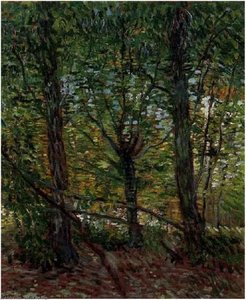
Experience Vincent van Gogh's 'Trees and Undergrowth'! This captivating oil painting showcases vibrant colors & bold brushstrokes, capturing the serenity of nature. Explore its composition, artistic style, and historical context.
მხატვრის ბიოგრაფია
ვინსენტ ვან გოგი (1853-1890): აღმოაჩინეთ „ვარსკვლავების ღამის“ და „მზის მზეების“ ავტორის, ჰოლანდიელი პოსტ-იმპრესიონისტი ოსტატის ცხოვრება და შემოქმედება. გაეცანით მის თამამ სტილსა და გავლენას თანამედროვე ხელოვნებაზე.
About the painting
A Symphony of Green: Unveiling Vincent van Gogh’s “Trees and Undergrowth”
Vincent van Gogh's "Trees and Undergrowth," painted in 1887, isn’t merely a depiction of woodland; it’s an immersive experience. This oil on canvas transports the viewer into a shaded grove, pulsating with life and imbued with the artist’s deeply felt connection to nature. Far from a straightforward landscape, this work embodies Van Gogh's signature Post-Impressionist style – a vibrant explosion of color and texture that speaks volumes about his emotional state and innovative approach to capturing light and form. The painting immediately draws the eye with its intense greens, ranging from the deep shadows beneath the canopy to the brighter highlights dancing on leaves and branches. It’s a testament to Van Gogh's ability to render depth and atmosphere through a seemingly simple subject matter.
The composition itself is carefully orchestrated. A series of trees, rendered with thick, impasto brushstrokes, recede into the distance, creating a convincing sense of spatial depth. Notice how Van Gogh doesn’t meticulously detail every leaf or branch; instead, he uses short, broken strokes to suggest form and texture, lending the scene an almost restless energy. A subtle bird perched on one of the branches adds a touch of life and movement, anchoring the composition and inviting contemplation. The dappled light filtering through the foliage is particularly striking – Van Gogh masterfully employs contrasting colors and values to evoke the play of sunlight and shadow, creating a dynamic and luminous effect.
Decoding the Post-Impressionist Palette
“Trees and Undergrowth” is a quintessential example of Van Gogh’s evolving style during his Parisian period. Having been exposed to the Impressionists' focus on capturing fleeting moments of light and color, he pushed beyond mere observation, injecting his own intense emotions and subjective experience into his work. The bold, vibrant colors – particularly the greens, yellows, and browns – are far from naturalistic; they’re deliberately heightened to express Van Gogh’s inner world. This technique aligns with the broader trends of Post-Impressionism, where artists sought to move beyond objective representation and explore the expressive potential of color and form.
The painting's brushwork is equally significant. Van Gogh employed a distinctive “broken” style, applying paint in short, separate strokes that overlap and blend together optically. This technique creates a sense of movement and texture, adding to the overall dynamism of the scene. It’s a far cry from the smooth, blended surfaces favored by many earlier painters; instead, Van Gogh's brushstrokes are visible and deliberate, conveying his active engagement with the subject matter.
A Window into an Artist’s Soul
Painted in 1887, “Trees and Undergrowth” offers a fascinating glimpse into Van Gogh’s artistic development. This period marked a transition for him as he experimented with new techniques and subjects, often drawing inspiration from the natural world. The painting reflects his growing interest in capturing not just the appearance of things but also their emotional resonance. It's part of a series of works known as “sous-bois,” or undergrowth paintings, which Van Gogh created during this time, exploring the textures and colors of forests and gardens.
Interestingly, the painting’s historical context reveals something about Van Gogh’s state of mind. He was grappling with personal struggles and mental health challenges at the time, and his art often served as a means of expressing these complex emotions. “Trees and Undergrowth” can be interpreted as a reflection of his yearning for peace and connection to nature – a sanctuary from the turmoil within.
Bringing Van Gogh’s Vision Home
TopImpressionists offers meticulously crafted, hand-painted reproductions of "Trees and Undergrowth," allowing you to experience the beauty and emotional depth of this iconic masterpiece in your own home. Our skilled artists replicate Van Gogh's distinctive brushwork and vibrant palette with exceptional accuracy, capturing the essence of his artistic vision. Whether you’re an art enthusiast, a collector, or simply seeking to add a touch of timeless elegance to your interior décor, our reproductions provide a stunning and authentic representation of this beloved work.
Explore our collection today and bring the serenity of Van Gogh's "Trees and Undergrowth" into your space. Learn more about this artwork here.
კითხვები და პასუხები
როგორ ერგება „Trees and Undergrowth“ ვინსენტ ვან გოგი-ის თემებსა და სტილს?
"Trees and Undergrowth"-ს ვინსენტ ვან გოგი-ის სხვა ნამუშევრებთან საერთო აქვს Post-Impressionism სტილი და განმეორებადი თემები: ჰოლანდიელების ხელოვნება, იაპონური ხის დაბეჭდები, ბუნების სიმ calmly, ფერების thíცემība, ღრმულის ადრინდელიสำรวจ, მხატვარის სერია rừngებში, გულწფრთის phản ánhění.
როგორ ერთიანდება მოძრაობა და ეპოქა ვინსენტ ვან გოგი-ის „Trees and Undergrowth“-ში?
ვინსენტ ვან გოგი-ის „Trees and Undergrowth“ მიეკუთვნება Post-Impressionism სტილისკენ და მისი ავტორის შემოქმედების მე-19 საუკუნე ეპოქას განეკუთვნება.
რამდენად მკვეთრია „Trees and Undergrowth“-ის ფერები?
ვინსენტ ვან გოგი-ის „Trees and Undergrowth“-ში ფიქსირდება ფერების მკაფიო გამოკვეთილება გაჯერებულობა და ბალანსირებული ინტენსივობა.
Quick facts and art quiz
About ვინსენტ ვან გოგი

ვინსენტ ვან გოგი
1853 - 1890, ნიდერლანდი
მხატვრის ბიოგრაფია
ვინსენტ ვან გოგი: ცეცხლოვანი ფერებით ζωγράφებული ბίος
ვინსენტ ვან გოგი – სახელი, რომელსაც ასოცირდება მკვეთრი ფერები და უშუალო ემოცია. ის არის ერთ-ერთი ყველაზე აღიარებულ და საყვარელი ფიგურა ხელოვნების ისტორიაში. მარტს 30, 1853 წელს ზუნდერტში, ნიდერლანდებში დაბადებული ვან გოგის მოგზაურობა, რომელიც შეუსრულებელი მისწრებებით დაწყებულმა მხატვრად გარდაქმნილმა ვიზიონერმა განცდილია, არის ღირსშესანიშნავი ისტორია ერთგულების, ბრძოლისა და უკონკავენტო მემკვიდრეობის შესახებ. მიუხედავად იმისა, რომ იგი ცოცხლობაში მცირედი კომერციული წარმატებას აღწევდა – გარდაცვალებამდე მხოლოდ ერთი ტილო, *წითელი ვენახი*, გაყიდეს – ვან გოგის ხელოვნებაზე თანამედროვე ხელოვნების ზემოქმედება შეუცვლელია, მან განაპირობა ექსპრესიონიზმი და უთვალავი მხატვრის გავლენა მოახდინა, რომლებიც მის შემდეგ მოდიოდა. მისი ისტორია მხოლოდ ფუნთუშებისა და ტილოების შესახებ არ არის; ეს ადამიანური გამოხატვის ძალის დასტურია განსაცვიერებლების წინაშე.ადრეული წლები და მხატვრული გაღვივება
ვან გოგის ადრეულმა ცხოვრებაში უშუალო მისწრებების სერია იყო აღნიშნული. მან ხელი მოგვითქვა სხვადასხვა პროფესიაში – ხელოვნების დილერი, მასწავლებელია, კიდევაც მისიონერი – სანამ საბოლოოდ საკუთარ თავს დაუძღვნა ζωγραφებას, შედარებით გვიან ასაკში, 27 წლისამ. ეს ადრეული გამოცდილებები ღრმად აკმაყოფილებდა მის სამყურველს და თავისთავად მოხვდებოდა მისი ხელოვნების შინაარსში. მისი პირველი ნაშრომები, რომლებიც განასახიერებდნენ გლეხთა ცხოვრების სცენებს რეგიონალურ ბელგიაში, ასახავდნენ მუშათა კლასისადმი βαθύ συμπόνια და მკვეთრ ფერს, რომელიც მათ ტკივილს ასახავს. ჟან-ფრანსუა მილეტის მსგავსი მხატვრების გავლენით, ვან გოგმა სცადა, ეჭირათ ადამიანების ღირსება და გამძლეობა მკაცრი რეალიზმის საშუალებით. თუმცა, პარიზში გადასახლებისას 1886 წელს აღმოჩნდა გადამწყვეტი მომენტი. იქ მან შეხვდა იმპრესიონიზმსა და პოსტ-იმპრესიონიზმს, შეიცვალა მონე, რენუარი და პისაროს მასტერების ტექნიკები. ამ გამოვლენამ გააფართოვა მისი მხატვრული ჰორიზონტი, რაც მისასწრებოდა უფრო ნათელ ფერებსა და თავისუფალ ბრუსჰსტროკებს, თუმცა შენარჩუნებულიყო გამორჩეული ემოციური ინტენსივობა, რომელიც არ იყო სათანადოდ აღმავალი მისი თანამედროცეების უმეტესობისთვის. მისი ძმა, ტიო, ხელოვნების დილერი, მნიშვნელოვან როლს ასრულებდა ამ პერიოდში, უწევდა ფინანსურ მხარდაჭერას და იყო ζωγραφικής სამყაროსთან vital link.სამხრეთის სინათლე და აფეთქებული კრეატიულობა
უფრო მკვეთრი ლანდშაფტისკენ და განახლებისკენ სწრაფვის გამო, ვან გოგმა 1888 წელს სამხრეთ საფრანგეთში, არლში გადასახლება მოითხოვა. ეს გადაწყვეტილებამ აღნიშნა ინტენსიური კრეატიული პერიოდი, რომელიც ხასიათდებოდა ფერის აფეთქებით და გამორჩეული იმპასტო ტექნიკით – ფერების სისქით ტილოზე, რაც წარმოქმნის ზედაპირს, რომელიც ენერგიით არის აღემატებული. სწორედ აქ მან შექმნა მისი ყველაზე სახელოვანი ნაშრომები: *თევზმარა*, *ღამის კაფე* და *ვარსკვლავების ღამე*. პროვანსის ინტენსიური სინათლე, როგორც ჩანს, აუზიანებდა მის ფანტაზიას, რაც მას საშუალებას აძლევდა განესახიერებინა ლანდშაფტებსა და ნატურმორტებს беспрецедентным vibrancy. მისი მხატვრული თანამშრომლობის სურვილი მიანიჭა პოლ გოგენს, იმედით, შექმნილიყო утопический художнический колония. თუმცა, მათი ურთიერთობა არასტაბილური აღმოჩნდა, რაც დასრულდა დრამატული კონფლიქტით, რომლის შედეგადაც ვან გოგმა დაზიანება მოახდინა საკუთარ ყურს. ეს 사건ი ხაზს უსვამდა მისი 정신ის მდგომარეობის fragility-ს და σηματοδότησε περιόδου institutionalization και αυξανόμενης ψυχολογικής δυσφορίας.შემდეგი წლები და უკონკავენტო მემკვიდრეობა
breakdowns-ის შემდეგ, ვან გოგმა добровольно вступил в приют в Сен-Реми, где он продолжал рисовать продуктивно, запечатлевая окружающие пейзажи как с красотой, так и с смятением. Работы, такие как *Звездная ночь*, созданные в это время, пронизаны чувством космического чуда и глубокой эмоциональной глубиной. Позже он переехал в Овер-сюр-Уаз под присмотром доктора Поля Гаше, но его страдания продолжались. 29 июля 1890 года в возрасте 37 лет Ван Гог трагически умер от самострельного ранения. Несмотря на то, что он добился небольшого признания при жизни, его работа начала пользоваться посмертной известностью благодаря неустанным усилиям его шурины, Йоханны ван Гог-Бонгер, которая унаследовала его имущество и посвятила себя продвижению его искусства. Сегодня картины Ван Гога отмечаются во всем мире своей эмоциональной интенсивностью, инновационными техниками и вечной красотой. Его наследие простирается далеко за пределы холста; он стал символом художественной страсти, упорства перед лицом невзгод и силы искусства выражать самые глубокие человеческие эмоции.Основные влияния и развитие художника
- Ранний реализм: Изображения крестьянской жизни Жана-Франсуа Миллета повлияли на ранние работы Ван Гога.
- Импрессионизм и постимпрессионизм: Знакомство с Моне, Ренуаром, Писсарро и другими в Париже расширило его палитру и технику.
- Японские гравюры: Ван Гог был глубоко впечатлен японскими гравюрами на дереве, которые он увлеченно собирал. Их смелые композиции и плоские цветовые плоскости повлияли на свой собственный стиль.
- Эмоциональное выражение: Прежде всего, Ван Гог стремился передать эмоции своим искусством, отдавая предпочтение субъективному опыту объективному представлению. Этот акцент на эмоциональной интенсивности стал определяющей характеристикой его работы и проложил путь для экспрессионизма.
Quick facts about ვინსენტ ვან გოგი
- Artistic Movement Or Style: პოსტ-იმპრესიონიზმი
- Artists Or Movements Influenced By This Artist:
- ექსპრესიონიზმი
- ფავიზმი
- Artists Who Influenced This Artist:
- რემბრანტ ვან რეინი
- ჟან-ფრანსუა მილეტი
- Date Of Birth: 1853 წლის 30 მარტი
- Date Of Death: 1890 წლის 29 ივლისი
- Full Name: ვინსენტ ვან გოგი
- Nationality: ნედერლანდელი
- Notable Artworks:
- თხილიან მჭამელები
- მზადარი
- ვარსკვლავის ღამე
- სათავსო ღამით
- Place Of Birth: ზუნდერტი, ნიდერლანდი
მსგავსი ნამუშევრები



აღმოაჩინეთ ხელოვნების ნაწარმოებები თემების, სტილისა და მახასიათებლების მიხედვით დაჯგუფებული.


ვინსენტ ვან გოგი
Trees and Undergrowth
() ·
With its frame: · Hand-painted in oil on linen
Total