

 წინასწარი ნახვა
 გაგზავნა
 გაზიარება
 დეტალები
 გზამკვლევი

 ჩამოტვირთვა
 მსგავსები
 რენტგენოგრაფიული კვლევა
 სლაიდშოუ
 კითხვა-პასუხი
 სტატისტიკა
School Boy

- 56.0 x 48.0 cm


A tranquil portrait of a young boy in contemplative repose by Harlem Renaissance master William H. Johnson captures a soulful moment of stillness that invites you to bring this piece of American history into your home.
 გააგრძელეთ კითხვა
უილიამ ჰ. ჯონსონი (1901-1970) იყო მნიშვნელოვანი ამერიკელი მხატვარი, რომელიც ცნობილია მისი გამომსახველობითი პორტრეტებით და აფრო-ამერიკული ცხოვრების სტილით. აღმოაჩინეთ მისი ძლევადი მოდერნისტი ნამუშევრები!
ამ გვერდზე წარმოდგენილი ნამუშევარი დაცულია საავტორო უფლების შესახებ კანონმდებლობით, რაც იმას ნიშნავს, რომ ჩვენ არ გვაქვს მისი იდენტური რეპროდუქციის შექმნის ან გაყიდვის სამართლებრივი უფლება. აღნიშნული დაცვა უზრუნველყოფილია ისეთი საერთაშორისო შეთანხმებებით, როგორიცაა ბერნის კონვენცია და ეროვნული კანონმდებლობით, მათ შორის იმ კანონებით, რომლებიც დეტალურად არის გაწერილი აშშ-ის საავტორო უფლების შესახებ კანონი - თავი 17.
ეს მეთოდი სრულად შეესაბამება საავტორო უფლებების რეგულაციებს, რადგან ის არ გულისხმობს დაცული ნამუშევრის კოპირებას ან დუბლირებას. ამგვარად, ეს წარმოადგენს შემოქმედებით რეინტერპრეტაციას — ახალ ნახატს, რომელიც შთაგონებითაა განპირობებული ორიგინალით, თუმცა არ არის მის იდენტურ ასლს.
გიკლე / ხელოვნების პრინტი
მუზეუმის დონის ჟიკლე ან ტილოზე ბეჭდვა სწრაფი წარმოებისა და დასრულების მოქნილი ვარიანტებით. ( შეიძინეთ ხელით შესრულებული ნახატი გადართვა ციფრულ გამოსახულებაზე)




P118B ₾10

P118H ₾10

P118W ₾10

P438Z ₾10

P508JH ₾12

P508YH ₾12

P805H ₾10

P805Z ₾10

P919BZ ₾10

P919G ₾10

P919XJ ₾10

P959ZH ₾10

P968JZ ₾12

W106C ₾8

W218G ₾10

W218JH ₾8

W218Y ₾10

W307PJ ₾10

W316G ₾10

W316PJ ₾8

W316Y ₾10

W398PJ ₾8

W4111J ₾10

W500HY ₾15

W500JH ₾15

W692G ₾12

W849H ₾8

W940BG ₾15

W953PJ ₾8




სტანდარტული
სასურველი ზომა
CM
INCH
აირჩიეთ ჩვენს მიერ წინასწარ განსაზღვრული ზომებიდან, რომლებიც ნაწარმოების ორიგინალურ პროპორციებს შეესაბამება.
Loading sizes...

სიგანე
სიმაღლე
შეიყვანეთ თქვენთვის საჭირო სიგანე და სიმაღლე, რათა გამოსახულებამ თქვენს ჩარჩოს ან კედელს ზუსტად მოერგოს. ბეჭდვისას შესაძლებელია მხოლოდ მისი შემცირება და არა გაზრდა, ამიტომ სხვა ფორმის ზომის შემთხვევაში სურათი ნაწილობრივ იკარგება. სანამ რაიმეს დაბეჭდავთ, ჩვენ გამოგიგზავნით ციფრულ მაკეტს დასდასტურებლად. ამ გვერდზე ნაჩვენები სურათი არ ასახავს რეალურ ჭრას — ამას მხოლოდ მაკეტი გვიჩვენებს.
მიწოდება მთელ მსოფლიოში () 2 კვირაში, სტანდარტული 4/5 კვირის ნაცვლად. (6 ნოემბერი)

უფასო ექსპრეს მიწოდება მთელ მსოფლიოში

მაღალი ხარისხის ტილოს ქსოვილი

ტრანსპორტირების სრული დაზღვევა

საბაჟო გადასახადების დაბრუნების გარანტია

ფერების სრული შესაბამისობის გარანტია

დაბრუნების 100-დღიანი პოლიტიკა (მხოლოდ დეფექტის შემთხვევაში)

100% თანხის სრული დაბრუნების გარანტია

ფასდაკლება დიდი რაოდენობით შეკვეთისას
 მინის ჩარჩოს არჩევანი შესაძლებელია მხოლოდ 110 სმ-მდე ზომისთვის

School Boy
გიკლე / ხელოვნების პრინტი
რეპროდუქციის ზომა
-


საბოლოო ღირებულება
₾ 182
A Moment of Quietude: The Soulful Presence of School Boy
In the quiet corners of mid-century American portraiture, few works capture the tender vulnerability of childhood as poignantly as William H. Johnson’s School Boy. Painted in 1945, this intimate masterpiece invites the viewer into a private sanctuary of rest and reflection. The subject, a young boy seated with a composed yet contemplative posture, rests upon a chair characterized by its striking red frame and vibrant yellow cushion. This deliberate use of color does more than merely decorate the scene; it provides a rhythmic pulse to the composition, contrasting the warmth of the furniture against the soft, perhaps even weary, presence of the child. Clad in what appears to as pajamas, the boy exists in that liminal space between the structured demands of the school day and the restorative embrace of home, offering a glimpse into a moment of profound stillness.
Johnson’s technique in this piece serves as a bridge between the raw honesty of folk art and the sophisticated structural elements of modernism. The artist employs a meticulous attention to detail that breathes life into the boy's facial expression and body language. His hands, placed firmly and symmetrically in his lap, anchor the composition, suggesting a sense of groundedness and internal calm. Through deliberate brushwork, Johnson captures the texture of fabric and the weight of the child's limbs, creating a tactile reality that pulls the observer into the room. The painting does not merely depict a person; it captures an atmosphere—a heavy, beautiful tranquility that resonates with anyone who has ever sought solace in the quietude of a long afternoon.
The Legacy of a Visionary: Context and Emotional Resonance
To understand the depth of School Boy, one must look toward the profound cultural landscape from which William H. Johnson emerged. As a pivotal figure of the Harlem Renaissance, Johnson’s work was deeply informed by his roots in South Carolina and his connection to the spiritual and oral traditions of African American life. While this specific painting leans into a more intimate, portrait-driven style, it carries the unmistakable DNA of his larger mission: to find the extraordinary within the ordinary. The painting serves as a testament to the resilience and dignity of the human spirit, finding monumental importance in the simple act of a child sitting in repose.
For the discerning collector or interior designer, this reproduction offers more than just a visual centerpiece; it provides an emotional anchor for a room. The piece possesses a unique ability to harmonize with diverse decor styles, from contemporary minimalist settings to classic, traditional interiors, due to its balanced palette and emotive power. It acts as a window into a period of American history marked by both struggle and profound artistic rebirth. Bringing School Boy into a living space invites a sense of introspection and peace, making it an ideal selection for those looking to curate an environment that celebrates heritage, quiet strength, and the timeless beauty of the human narrative.
კითხვები და პასუხები
რამდენად ჰარმონიულად ერწყმის ერთმანეთს „School Boy“-ის ფერები?
უილიამ ჰ. ჯონსონი-ის „School Boy“-ის ფერებში ვლინდება Unified Palette ჰარმონია. ჰარმონია აღწერს, თუ რა ურთიერთკავშირშია ფერები ერთმანეთთან.
რა ემოციურ ტონს ახლავს „School Boy“-ის Harlem Renaissance სტილი?
„School Boy“-ის Reflective ემოცია მისი Harlem Renaissance სტილის თანამგზავრია.
რა ზომის ბეჭდვაა რეკომენდებული "School Boy"-ისთვის?
უილიამ ჰ. ჯონსონი-ის „School Boy“-ის ბეჭდვის რეკომენდებული ზომა არის Small.


მხატვრის ბიოგრაფია
უილიამ ჰ. ჯონსონი: მდრისიელობისა და ხედვის ხმა
უილიამ ჰენრი ჯონსონი (1901–1970) დგას ამერიკული ხელოვნების ისტორიის კუთხეში, განსაკუთრებით კი – ჰარლემის აღორძინების ფერად მრავალფეროვნებაში. იგი დაიბადა ფლორენცაში, სამხრეთ კაროლინაში და მისი მხატვრული მოგზაურობა დაიწყო ჯიმ კროუს ამერიკის რთულ პირობებში, რაც აყალიბებდა მის მსოფლმხედველობას და ღრმად განსაზღვრავდა მის გამორჩეულ ვიზუალურ ენას – მოდერნიზმის აბსტრაქციისა და ღრმად ფესვიან ხალხურ ტრადიციების შერწყმას, რომელიც დღესაც რეზონირებს. ჯონსონის ჩამოყალიბებულმა წლებმა მასში სიღრმა კავშირი გაუძრა აფრო-ამერიკულ კულტურასა და სულიერებასთან. მან შეიწოვა გოსპელ მუსიკის გავლენა, თაობიდან თაობას გადაცემული ისტორიების ტრადიციები და იორუბას რელიგიის iconography, ელემენტები, რომლებიც მის მხატვრულ პროცესში განუყოფელი გახდა. ეს ზეპირ ტრადიციაზე დამყარებული ბაზისი ტილოებზე აყვავდა სიმბოლური გამოსახულებებით – სულებით, ცხოველებითა და გეომეტრიული ფორმებით – რაც იბრძოდა, გაუძლებლობის ისტორიებსა და სულიერ transcendence-ს შესახებ. მისი მხატვრული განვითარება კონტინენტებზე გაიშალა, ევროპიდან მექსიკამდე, სადაც მან სხვადასხვა საშუალებასთან მუშაობა გაიუმჯობესა, მათ შორის ზეთის საღებავით, აკვარელით და კოლაჟით. მან მიიღო ტექნიკები, როგორიცაა impasto – სქელი ფენების გამოყენება – ტილოებს ხატვისას გასაზრდელებელი ტექსტურითა და ემოციური ინტენსივობით აღავსა. ამ მიდგომამ Expressionism-ისთვის დამახასიათებელი გამომსახველობითი სიცხარე ასახა, თუმცა ჯონსონმა შეინარჩუნა თავისი უნიკალური ესთეტიკა, რომელიც მის პირად მემკვიდრეობაში იყო ფესვიანი. ჯონსონის ნაწარმოებებს განსაცვიფრებელი სუბიექტების მრავალფეროვნება ახასიათებს – პორტრეტები, რომლებიც აფრო-ამერიკელ ინდივიდუალური პირების ღირსებასა და მდრისიელობას ასახავს, ლანდშაფტები, რომლებიც სამხრეთ კაროლინის სოფლის სიძნელეს წარმოადგენს, და ფანტასტიკური ხედვები, რომლებიც მიფოლოგიისა და სულიერების თემებს იკვლევენ. აღსანიშნავი ნამუშევრები მოიცავს “შავი ქრისტე” (1938), მონუმენტურ ტილოს, რომელიც იორუბას სიმბოლიზმითაა გაჯერებული და ძლიერად გამოხატავს რწმენასა და თანაგრძნობას; "დიდი სული" (1964), რაც ჯონსონის შამანური გამოსახულებების შესწავლას განასახიერებს.გავლენა და განვითარება
ჯონსონის ადრეულ შემოქმედებაში ნათელია John Wollaston-ის გავლენა, განსაკუთრებით პორტრეტული ხატვის სტილის მხრივ. თუმცა, ევროპაში მოგზაურობამ და მექსიკის კულტურასთან გაცნობამ მასში ახალი შეხედულებები ჩამოაყალიბა. მან აქტიურად იკვლევდა სხვადასხვა მხატვრული მიმდინარეობა, მათ შორის Expressionism-ს, მაგრამ არასოდეს შემოიფარგლა რომელიმე ერთი სტილით. მის ტილოებზე ხშირად కనిხილავთ აფრიკული ხელოვნების ელემენტებს, რაც მისი წინაპრების კულტურული მემკვიდრეობის მიმართ მის სიყვარულს მოწმობს.ხელოვნების მნიშვნელოვანი ნაწარმოებები
ჯონსონის შემოქმედებაში განსაკუთრებული ადგილი უჭირავს “შავი ქრისტეს” ტილოს, რომელიც არა მხოლოდ რელიგიური სიმბოლიზმითაა გამორჩეული, არამედ აფრო-ამერიკელების გამოცდილებასაც ასახავს. "დიდი სული" წარმოადგენს მის სულიერ ძიებებსა და შამანურ ტრადიციებზე ინტერესს. “შავი ბიჭი” (1937) კი – მწუხარებათა გამომსახველი პორტრეტია, რომელიც ახალგაზრდა ადამიანის უდანაშაულობასა და გაძლებლობის ისტორიას ჰყვება. მისი ნამუშევრები ხშირად გამოირჩევა მკვეთრი ფერებით, სიმბოლური დეტალებითა და ემოციური ინტენსივობით.მემკვიდრეობა და მნიშვნელობა
უილიამ ჰ. ჯონსონის მემკვიდრეობა მხატვრულ მიღწევებებს გარდა, მისი როლი განათლებლისა და ხელოვნების პედაგოგადცაა მნიშვნელოვანი, რადგან მან ახალგაზრდა მხატვრების ნიჭის აღზრდასაც უწყო ხელი. მისმა გავლენამ შემდგომ თაობებში აფრო-ამერიკელ მხატვრებს დაეხმარა საკუთარი იდენტობის გამოხატვაში, კულტურული მემკვიდრეობის წარმოჩენაში. დღეს ჯონსონის ტილოები პატივმოყვარედ ინახება მსოფლიოს წამყვან მუზეუმებში – მათ შორის Smithsonian American Art Museum-სა და Hampton University Museum-ში – რაც მისი ხელოვნების უკვერი ღირებულებისა და ისტორიული მნიშვნელობის მოწმობაა, ჰარლემის აღორძინების ერთგულების სიმბოლოდ.სტილი და ტექნიკა
ჯონსონის მხატვრული სტილი გამოირჩევა მოდერნიზმის აბსტრაქციისა და ხალხური ხელოვნების ელემენტების უნიკალური შერწყმით. მან აქტიურად გამოიყენა impasto-ს ტექნიკა, რაც ტილოებს განსაკუთრებული ტექსტურასა და ემოციურ სიღრმეს მატებდა. მის ნამუშევრებში ხშირად కనిხილავთ მკვეთრი ფერები, სიმბოლური გამოსახულებები და გეომეტრიული ფორმები. მისი ტილოები არა მხოლოდ მხატვრული სილამაზითაა აღსავსე, არამედ ღრმა ისტორიებსა და მნიშვნელობებსაც შეიცავენ.
უილიამ ჰ. ჯონსონი
1901 - 1970 , ამერიკის შეერთებული შტატები
მოკლე ინფორმაცია
- Artistic Movement Or Style: ჰარლემის რენესანსი
- Artists Or Movements Influenced By This Artist: ['ექსპრესიონიზმი']
- Artists Who Influenced This Artist: ['ჯონ ვოლასტონი']
- Date Of Birth: 1901
- Date Of Death: 1970
- Full Name: უილიამ ჰენრი ჯონსონი
- Nationality: ამერიკელი
- Notable Artworks (List Of Titles):
- The Black Christ
- The Great Spirit
- Place Of Birth (City And Country): ფლორენცია, აშშ
დაკავშირებული სტატიები

მარკ როთკოს 25 საუკეთესო შედევრი: ფერების სიმღერა თქვენს სახლში | TopImpressionists.com
აღმოაჩინეთ მარკ როთკოს 25 საუკეთესო შედევრი! გაიგეთ აბსტრაქტული ექსპრესიონიზმის ისტორია, ფერების სიმღერა და მათი გავლენა თანამედროვე ხელოვნებაზე. ხარისხიანი რეპროდუქციები TopImpressionists.com-ზე. Explore the full collection online!
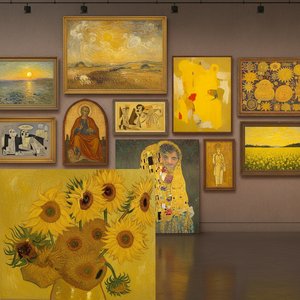
Golden Hues: 10 Masterpieces Dominated by Chrome Yellow | TopImpressionists
Immerse yourself in golden light! Explore 10 famous paintings dominated by 'Chrome Yellow', from Van Gogh’s Sunflowers to Monet's Haystacks. Discover the stories behind these iconic Impressionist & Post-Impressionist masterpieces and find museum-quality art reproductions at TopImpressionists.com.

Crimson Threads of Narrative: Exploring Symbolism & Representation in Artworks Featuring the Red Dress
Explore the rich symbolism of the red dress in art history! From ancient power displays to iconic portraits like Cézanne’s 'Madame Cezanne', discover the cultural and artistic significance behind this captivating color. Expert analysis & insights.

The Golden Hue: Exploring Symbolism & Emotion in Yellow Art
Explore the rich symbolism & emotional power of yellow in art history! From Van Gogh to Kandinsky, discover how artists used this vibrant hue. Expert analysis & high-quality reproductions at TopImpressionists.
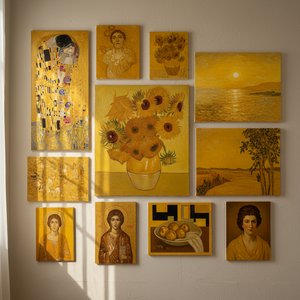
Golden Hues: Top 10 Paintings Dominated by Yellow Ochre |
Explore 10 iconic paintings bathed in golden yellow ochre! From Van Gogh's sunflowers to Monet’s haystacks, discover the stories behind these masterpieces. Find museum-quality art reproductions & elevate your home decor on .