

 ნახვა ინტერьерში
 გაგზავნა
 გაზიარება
 დეტალები
 გზამკვლევი

 ჩამოტვირთვა
 მსგავსები
 რენტგენოგრაფიული კვლევა
 სლაიდშოუ
 კითხვა-პასუხი
 სტატისტიკა
The Green Car


Experience William Glackens' 'The Green Car,' a stunning Ashcan School masterpiece depicting a bustling winter trolley scene in New York City. Explore its vibrant colors and detailed realism at TopImpressionists.
 სრული ტექსტის ნახვა
უილიამ ჯეიმზ გლაკენსი (1870-1938) - ამერიკული რეალიზმის პიონერი და „Ashcan School“-ის წარმომადგენელი. აღმოაჩინეთ ნიუ-იორკის ყოველდღიური ცხოვრების მკვეთრი და ხალისიანი ფერწერები, მისი გამორჩეული სტილით.
გიკლე / ხელოვნების პრინტი
მუზეუმის დონის ჟიკლე ან ტილოზე ბეჭდვა სწრაფი წარმოებისა და დასრულების მოქნილი ვარიანტებით. ( შეიძინეთ ხელით შესრულებული ნახატი გადასვლა ციფრულ გამოსახულებაზე)




P118B ₾10

P118H ₾10

P118W ₾10

P438Z ₾10

P508JH ₾12

P508YH ₾12

P805H ₾10

P805Z ₾10

P919BZ ₾10

P919G ₾10

P919XJ ₾10

P959ZH ₾10

P968JZ ₾12

W106C ₾8

W218G ₾10

W218JH ₾8

W218Y ₾10

W307PJ ₾10

W316G ₾10

W316PJ ₾8

W316Y ₾10

W398PJ ₾8

W4111J ₾10

W500HY ₾15

W500JH ₾15

W692G ₾12

W849H ₾8

W940BG ₾15

W953PJ ₾8




სტანდარტული ზომა
ინდივიდუალური ზომა
CM
INCH
აირჩიეთ ჩვენს მიერ წინასწარ განსაზღვრული ზომებიდან, რომლებიც ნაწარმოების ორიგინალურ პროპორციებს შეესაბამება.
Loading sizes...

სიგანე
სიმაღლე
შეიყვანეთ თქვენთვის საჭირო სიგანე და სიმაღლე, რათა იგი მოერგოს თქვენს ჩარჩოს ან კედელს. ბეჭდვისას შესაძლებელია მხოლოდ მისი შემცირება და არა გაზრდა, ამიტომ სხვა ფორმის ზომის შემთხვევაში გამოსახულება ნაწილობრივ იკარგება. სანამ რაიმეს დაბეჭდავთ, ჩვენ გამოგიგზავნით ციფრულ მაკეტს დასდასტურებლად. ამ გვერდზე ნაჩვენები სურათი არ ასახავს რეალურ ჭრას — ამას მხოლოდ მაკეტი გვიჩვენებს.
მიწოდება მთელ მსოფლიოში () 2 კვირაში, სტანდარტული 4/5 კვირის ნაცვლად. (4 ნოემბერი)

უფასო ექსპრეს მიწოდება მთელ მსოფლიოში

მაღალი ხარისხის ტილო

ტრანსპორტირების სრული დაზღვევა

საბაჟო გადასახადების დაბრუნების გარანტია

ფერების სრული შესაბამისობის გარანტია

დაბრუნების 100-დღიანი პერიოდი (მხოლოდ წარმოების დეფექტის შემთხვევაში)

100% თანხის სრული დაბრუნების გარანტია

ფასდაკლება დიდი რაოდენობით შეკვეთისას
 მინის ჩარჩოს არჩევანი ხელმისაწვდომია მხოლოდ 110 სმ-მდე ზომისთვის

The Green Car
გიკლე / ხელოვნების პრინტი
რეპროდუქციის ზომა
-


ჯამური ღირებულება
₾ 182
The Green Car: A Snapshot of Urban Life in Early Twentieth Century New York
William James Glackens’ “The Green Car,” painted in 1910, isn't merely a depiction of a winter scene; it’s a crystallized moment of American modernity. Currently residing at the Metropolitan Museum of Art, this oil on canvas captures the bustling energy and gritty realism championed by the Ashcan School—a movement that deliberately rejected the idealized beauty favored by the National Academy of Design.
Artist & Style: Glackens’ approach aligns closely with Frederick Childe Hassam's own winter landscapes, demonstrating a shared fascination for portraying everyday life against a backdrop of atmospheric conditions. However, unlike Hassam’s softer brushstrokes and romanticized vistas, Glackens employs a darker palette—primarily muted greens and yellows—to convey the chill of the season and imbue his subject matter with palpable emotion.
Composition & Technique: The painting's composition is deceptively simple. A prominent green trolley car dominates the center frame, transporting passengers amidst a throng of pedestrians traversing Washington Square Park. Glackens’ masterful technique utilizes thick impasto—a textured surface created by applying paint thickly—to build up volume and capture the subtle nuances of light and shadow. This method lends an immediacy to the scene, inviting viewers into the wintry tableau.
- Key Elements: Notice the careful placement of figures – some huddled under umbrellas, others strolling leisurely – reflecting the social dynamics of the era.
- Background Details: The inclusion of a bus and a truck reinforces the sense of urban activity, grounding the scene in the tangible realities of New York City life.
Historical Context & Symbolism: Painted during the burgeoning industrial age, “The Green Car” speaks to anxieties about urbanization and social change. The trolley car itself symbolizes progress—albeit a somewhat uncomfortable one—while the snow-covered landscape serves as a visual metaphor for hardship and resilience. Glackens’ intention wasn't to celebrate beauty but to confront viewers with an honest portrayal of human experience.
Emotional Impact: Ultimately, “The Green Car” succeeds in transporting us back to 1910. The painting evokes feelings of solitude amidst the crowd, capturing a fleeting glimpse into the lives of ordinary people navigating the complexities of modern life. It’s a testament to Glackens' ability to distill emotion and atmosphere onto canvas—a skill that continues to resonate with audiences today.
For more information on William James Glackens and his artistic vision, visit TopImpressionists.com. Explore similar works by Gustave Klimt – “Portrait of Serena Lederer” – to appreciate the distinctive stylistic explorations of Art Nouveau.
კითხვები და პასუხები
ვინ შექმნა "The Green Car"?
„The Green Car“ მიკუთვნებულია უილიამ ჯეიმზ გლაკენსი-ს.
აქვს თუ არა ნამუშევარს „The Green Car“ დამატებული რეალობის (AR) წინასწარი ნახვის ფუნქცია?
„The Green Car“-ს აქვს augmented reality (AR) წინასწარი ნახვის ფუნქცია: ნამუშევრის AR წინასწარი ნახვა გვერდი მას თქვენს საკუთარ სივრცეში, თავსებად მოწყობილობაზე აჩვენებს.
რომელი სივრცე შეესაბამება უილიამ ჯეიმზ გლაკენსი-ის „The Green Car“-ის ფერებს?
უილიამ ჯეიმზ გლაკენსი-ის „The Green Car“-ის Earthy ფერები შეესაბამება მის რეკომენდებულ სივრცეს: Living Room.
მსგავსი ნამუშევრები


მხატვრის ბიოგრაფია
წარმოშობა და ადრეული ცხოვრება
უილიამ ჯეიმზ გლაკენსი, ამერიკული ხელოვნების გამოჩენილი ფიგურა, დაიბადა 1870 წელს ფილადელფიაში, პენსილვანიაში. მისი მხატვრული მოგზაურობა იყო მტკიცე ვნების 증거 ყოველდღიური ცხოვრების არსის აღსაყვანად. გლაკენსის ადრეულ წლებში გამოჩნდა ხელოვნების ბუნებრივი მი inclination, რამაც მას ფილადელფიის ललित कला академияში (Pennsylvania Academy of the Fine Arts) ჩარიცხა. თომას ანშუცის, სახელგანთქმული რეალისტის ზედამხედველობის ქვეშ, გლაკენსმა გა honed მისი უნარები და საბოლოოდ გახდა Ashcan School-ის ერთ-ერთი დამფუძნებელი. ეს მოძრაობა არ უარყოფდა ტრადიციულ სილამაზის საზღვრებს, პირიქით, მეტროპოლიტური ცხოვრების მწარე რეალობაზე იყო ორიენტირებული.მხატვრული კარიერა და განვითარება
გლაკენსის ნამუშევები ხასიათდება მუქი ფერის, მკვეთრად შეფერულ ქუჩის სცენებითა და პირველი მსოფლიო ომამდე ნიუ-იორკისა და პარიზის ყოველდღიური ცხოვრების აღწერით. მისი მოგვიანავი ნამუშევები, რენუარის გავლენით, უფრო ნათელ ტონებს აჩვენებს, რაც მისი განვითარების შედეგია მხატვრად. მნიშვნელოვანია, რომ გლაკენსი ასევე მუშაობდა ილუსტრატორად ფილადელფიისა და ნიუ-იორკის გაზეთებსა და ჟურნალებში. "ჰაარლემის ხედი თეთრეულის საშრობი ადგილებით", იაკობ ისაakszoon van ruisdael (ruysdael)-ის ნახატი, წარმოადგენს გლაკენსის ნამუშევების დეტალებისა და майстерства დონეს. ეს ნაწარმოები ამჟამად Chrysler Museum of Art-ის კოლექციაშია. გლაკენსის საკუთარი შედევრი, "შოპერები", არის მისი უნარის 증거 ურბანული ცხოვრების არსის აღსაყვანად. ეს ნახატი შეგიძლიათ იხილოთ TopImpressionists.com-ის New Realism კოლექციაში.გავლენა და მემკვიდრეობა
გლაკენსის წვლილი ამერიკულ ხელოვნებაში მრავალმხრივია, მისი საკუთარი ნამუშევების მიღმაც კი. მან მნიშვნელოვანი როლი ითამაშა ალბერტ ბარნესის დახმარებაში ევროპული ნახატების შეძენაში Barnes Foundation-ისთვის ფილადელფიაში. ეს კოლექცია გახდა ამერიკული ხელოვნების ისტორიის საფუძველი. გლაკენსის ადრეულმა ნამუშევებმა მნიშვნელოვანი გავლენა მოახდინა მომავალ თაობებზე, განსაკუთრებით რეალისტურ და იმპრესიონისტულ მიმართულებებში. მისი მუშაობა ხშირად ასახავს სოციალური კომენტარების ელემენტებს, რაც მას მნიშვნელოვან ფიგურად აქცევს ამერიკული ხელოვნების ისტორიაში.ძირითადი ნამუშევები და კოლექციები
- "შოპერები" (New Realism, ზეთი ტილოზე, Chrysler Museum of Art)
- "ჰაარლემის ხედი თეთრეულის საშრობი ადგილებით" (ruysdael, sforza castle, milan, italy)
მნიშვნელობა და რეკომენდებული კითხვა
გლაკენსის მემკვიდრეობა ამერიკულ ხელოვნებაში მრავალმხრივია. მან არა მხოლოდ შექმნა გამორჩეული ნამუშევები, არამედ მნიშვნელოვანი როლი ითამაშა ევროპული ხელოვნების პოპულარიზაციაში და ახალი თაობის მხატვრების აღზრდაში. მისი მუშაობა დღესაც ინსპირირებსა და მიიზიდავს ხელოვნებაზე დაინტერესებულ ადამიანებს მთელ მსოფლიოში. რეკომენდებული კითხვა: * https://TopImpressionists.com/@/william-james-glackens - გლაკენსის ნამუშევების ვრცელი კოლექცია TopImpressionists.com-ზე. * https://en.wikipedia.org/wiki/william_glackens - უილიამ ჯეიმზ გლაკენსის დეტალური ბიოგრაფია ვიკიპედიაში.
უილიამ ჯეიმზ გლაკენსი
1870 - 1938 , საქართველო
მოკლე ფაქტები
- Artistic Movement Or Style: Ashcan School
- Artists Or Movements Influenced By This Artist: ['Pierre Renoir']
- Artists Who Influenced This Artist: ['Thomas Anshutz']
- Date Of Birth: 1870, Philadelphia, USA
- Date Of Death: 1938, Westport, USA
- Full Name: William James Glackens
- Nationality: ამერიკელი
- Notable Artworks (List Of Titles): ['The Shoppers']
- Place Of Birth (City And Country): Philadelphia, USA
მსგავსი სტატიები
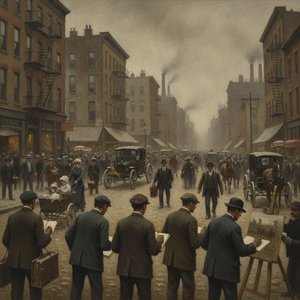
The Ashcan School: Capturing the Raw, Unfiltered Soul of Urban Life through American Realism
Discover the raw beauty of the Ashcan School. Explore how masters like Bellows and Henri captured the gritty, vibrant soul of early 20th-century New York through profound American Realism and evocative urban landscapes.

The Unvarnished Truth: A Cultural Journey Through the Soul of American Realism
Explore the profound beauty of American Realism. From the Ashcan School's urban grit to intimate portraits, discover how artists captured the authentic soul of a nation through unvarnished truth and masterful observation.
აღმოაჩინეთ ხელოვნების ნაწარმოებები თემების, სტილისა და მახასიათებლების მიხედვით დაჯგუფებული.
