

표시된 작품: · 액자 포함:
 미리보기

 공유하기
 공유하기
 상세 정보
 학습용 요약본


 다운로드
 유사 작품 더 보기
 X-레이
 슬라이드 쇼 보기
 질의응답

 통계 정보
The Elements (알버트 조셉 무어, 1866)


24 x 41 cm 사이즈부터 ₩65419부터 시작하는 캔버스 및 파인 아트 프린트
- 3~4주 내 전 세계 무료 배송
- 롤 형태의 프린트 배송 (3~4주 소요)
- 100일 이내 반품 및 환불 보장
- ArtShopReviews.com의 고객 241명이 평가한 4.9/5점
₩ 101467
지클레 / 아트 프린트
빠른 제작과 다양한 마감 옵션을 제공하는 박물관 수준의 지클레이 및 캔버스 프린트. ( 인상주의 유화 디지털 이미지 구매
)
매체 및 재료
 더 알아보기
가성비 옵션: 면 캔버스 대신 260 g/m² 폴리에스테르 캔버스에 동일한 이미지를 인쇄하여 튜브에 말린 상태로 일반 우편을 통해 3~4주 이내에 배송됩니다. 한쪽 면이 80 cm 이하인 사이즈에 한해 제공되며, 프레임이나 스트레처가 없는 롤 형태이며 급행 제작은 불가능합니다. 면 캔버스 인쇄보다 약 30% 저렴합니다.
이 사이즈에서는 선택할 수 없습니다: 최소 한 쪽 면의 길이가 80 cm 이하여야 합니다.
롤 형태 전용: 이 프린트를 선택하시려면 튜브에 말린 형태의 캔버스를 선택해 주세요.
가로와 세로 모두 110 cm 이하인 사이즈에 적용 가능합니다. 이보다 큰 사이즈의 경우 매트 코튼 캔버스에 인쇄됩니다.
이 사이즈에는 매트 아카이브 캔버스 옵션을 사용할 수 없습니다. 양쪽 면 모두 110 cm 이하여야 합니다. 대신 매트 코튼 캔버스로 인쇄됩니다.
유리 옵션은 110cm 미만 크기에서만 선택 가능합니다.
사이즈
·작품의 원본 비율을 그대로 유지하는 프리셋 사이즈 중에서 선택해 보세요.
사이즈 불러오는 중...

가로 너비
세로 길이
액자나 벽면 크기에 맞춰 필요한 가로와 세로 길이를 입력해 주세요. 프린트는 원본 이미지보다 크게 제작할 수 없으며 오직 자르는 것만 가능하므로, 비율이 다른 사이즈를 선택할 경우 이미지의 일부가 잘려 나갈 수 있습니다. 인쇄 작업에 들어가기 전, 최종 확인을 위해 디지털 목업을 보내드립니다. 이 페이지에 표시된 이미지는 실제 잘리는 영역을 나타내지 않으며, 오직 목업을 통해서만 정확한 확인이 가능합니다.
표준 규격
맞춤형
CM
인치
완료
·
화이트 테두리 ₩1

블러사이드 ₩1

옆면 확장형 ₩1

P118B ₩10

P118H ₩10

P118W ₩10

P438Z ₩10

P508JH ₩12

P508YH ₩12

P805H ₩10

P805Z ₩10

P919BZ ₩10

P919G ₩10

P919XJ ₩10

P959ZH ₩10

P968JZ ₩12

W106C ₩8

W218G ₩10

W218JH ₩8

W218Y ₩10

W307PJ ₩10

W316G ₩10

W316PJ ₩8

W316Y ₩10

W398PJ ₩8

W4111J ₩10

W500HY ₩15

W500JH ₩15

W692G ₩12

W849H ₩8

W940BG ₩15

W953PJ ₩8
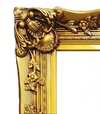
H24-GOLD ₩30
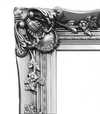
H24-SILVER ₩30
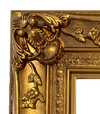
H36-GOLD ₩70
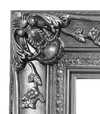
H36-SILVER ₩70
보호용 튜브에 담겨 안전하게 배송되며, 고객님께서 직접 액자에 끼워 사용하실 수 있습니다.
105cm를 초과하는 프레임은 전문 액자 제작사를 위한 키트 형태로 배송됩니다 — 자세한 내용을 확인하세요.
추가 서비스
선택 사항추가 구성품에는 무엇이 포함되어 있나요?
전 세계 배송()은 일반적인 4~5주의 소요 기간 대신 2주 이내에 완료됩니다. (27 12월)
Economy poly-canvas print은 일반 우편으로 배송되므로, 긴급 제작 및 특급 택배 서비스를 이용하실 수 없습니다.
보호용 바니시
작품 설명문
동판 각인 상세 정보
이 우아한 명판에는 작가의 성함과 작품명이 정교하게 각인되어 있어, 변치 않는 가치를 선사합니다.
세련되고 우아한 마감 처리가 돋보이는 브론즈 소재로 제작되었습니다. 텍스트는 정교한 레이저 각인 공법을 통해 선명하고 영구적으로 새겨집니다. 9x2cm 크기의 명판은 콤팩트하면서도 가독성이 뛰어납니다. 내구성이 높고 스크래치에 강해 박물관 전시물과 같은 전문적인 품격을 선사합니다. 동봉된 접착 패치를 사용하여 간편하게 부착할 수 있습니다.
투명 아크릴 명판 상세 정보
명판에는 작가명, 작품 제목, 제작 연도, 사용된 재료(캔버스에 유채 또는 수채화 등), 작품에 대한 간략한 설명, 그리고 작품의 상세 정보로 연결되는 QR 코드를 포함한 필수 각인 정보가 포함됩니다.
투명 아크릴로 제작되어 세련되고 현대적인 느낌을 줍니다. 텍스트는 검은색 UV 각인 방식으로 처리되어 시각적 대비가 뚜렷합니다. 10x15 cm 크기로 제작되어 가독성이 뛰어납니다. 벽면에 안정적으로 설치할 수 있도록 두 개의 금속 고리가 포함되어 있습니다. 내후성이 뛰어난 설계로 다양한 환경에서 사용하기 적합하며, 스마트폰 스캔을 통해 연동되는 인터랙티브 기능도 포함되어 있습니다.
블랙 아크릴 명판 상세 정보
이 우아한 명판에는 작가명, 작품명, 제작 연도, 사용된 재료(캔버스에 유채 또는 수채화 등), 작품에 대한 짧은 설명, 그리고 상세 정보를 빠르게 확인할 수 있는 QR 코드가 각인됩니다.
명판은 고급스러운 마감 처리가 된 정교한 블랙 아크릴로 제작되었습니다. 텍스트는 높은 대비와 가독성을 위해 화이트 색상으로 레이저 각인됩니다. 크기는 10x15cm로 제작되어 읽기 편리하며, 전문적인 설치를 위한 금속 고리 두 개가 함께 제공됩니다. 세련된 디자인은 어떤 인테리어 스타일과도 잘 어우러집니다. 또한 내구성이 뛰어나고 날씨 변화에 강하며, 모바일 호환성을 위한 디지털 통합 기능이 내장되어 있습니다.
유리 옵션은 110cm 미만 크기에서만 선택 가능합니다.
 유리 옵션은 110cm 미만 크기에서만 선택 가능합니다.
- 3~4주 내 전 세계 무료 배송
- 프리미엄 린넨 캔버스
- 배송 전 과정 보험 적용
- 관세 및 수입세 환급 보장 서비스
- 원본과 동일한 색상 구현 보장
- 100일 이내 반품 및 환불 보장
- 100% 환불 보장
- 다량 구매 할인 혜택


The Elements: 알버트 조셉 무어와 Aestheticism의 순간
Four figures in flowing robes gather around a smoking cauldron in this serene, neo-classical scene rendered in rich earthy tones.
알버트 조셉 무어: 작가 소개
미학 운동의 선구적인 예술가 알버트 조셉 무어(1841-1893)의 천상적인 회화 작품을 만나보세요. 나른한 여성상, 신고전주의적 드레이퍼리, 꽃 모티프로 유명한 그의 예술 세계와 유산을 확인해 보세요!
작품 정보
The Elements by Albert Joseph Moore
In this 1866 work, The Elements by Albert Joseph Moore unfolds as a quiet, ritualistic gathering. Four figures sit in a balanced square around a central cauldron, their presence steady and calm. Wisps of smoke rise from the vessel, drifting into a background that feels like aged, textured plaster. The scene carries a sense of mystery, as if we are witnessing a private moment of alchemy or ancient ceremony. The figures are draped in flowing robes, their graceful poses suggesting a deep, contemplative stillness.
Albert Joseph Moore, born in York, United Kingdom, on September 4, 1841, brings a distinct sense of harmony to this composition. The figures appear almost flat against their backdrop, emphasizing a decorative quality that prioritizes pattern and form. Earthy tones of ochre, beige, and terracotta dominate the space, while small accents of blue and gold catch the eye. This palette creates a muted, serene atmosphere that wraps around the central subject.
The lighting remains soft and diffused, casting no harsh shadows across the scene. Instead, a gentle glow illuminates the smooth skin of the figures and the curvilinear lines of their drapery. There is a profound sense of unity in the way the characters are arranged, creating a world that feels both structured and organic. This work reflects the artist's ability to capture a sense of tranquil, symbolic existence through carefully rendered forms.
Composition and Visual Elements
Four figures sit in a steady square formation, encircling a central cauldron that anchors the entire scene. This arrangement creates a sense of profound balance and symmetry, drawing the eye inward toward the heart of the gathering. The figures are draped in flowing robes that ripple with soft, curvilinear lines, their graceful poses lending a sense of quietude to the ritual. Each face remains serene and contemplative, lost in a moment of stillness as wisps of smoke rise from the vessel below. The background offers a textured surface, reminiscent of aged plaster, which keeps the focus firmly on the figures and their harmonious arrangement.
The color palette breathes with warmth, dominated by earthy tones of ochre, beige, and terracotta. These grounded hues provide a stable foundation for the more luminous accents of blue and gold that dance across the composition. These touches of color add a layer of richness to the muted landscape, catching the light amidst the soft, diffused glow that permeates the space. The shallow perspective keeps the figures close to the surface, emphasizing the decorative quality of the scene and the rhythmic interplay of their forms.
Style and Artistic Technique
The canvas breathes with the precision of an academic style, where every stroke of oil paint works to honor classical themes and intricate decorative patterns. There is a profound sense of order in the way the forms are rendered, as if the artist sought to capture a moment of eternal stillness. The drapery flows around the figures with a careful, deliberate touch, tracing the contours of the body through layers of pigment that suggest both weight and lightness. It is a scene where the physical world meets a stylized, rhythmic grace.
Softness governs the visual language here. Lines do not cut sharply through the space; instead, they curve and wander in a gentle, flowing motion. These curvilinear shapes dominate the composition, mirroring the organic rhythms of the human form and the swirling wisps of smoke rising from the central cauldron. The edges of the figures and the textures of the background blend with a quiet harmony, avoiding any jarring angles that might disrupt the serenity of the arrangement. The surface itself carries a tactile quality, reminiscent of aged plaster, which grounds the ethereal subject matter in a sense of antiquity.
Related Works by the Artist
The artist's hand moves through various themes, often returning to the grace of the human form. In 1863, the canvas captures the weight of Elijah's Sacrifice, a work that carries the influence of Ford Madox Brown and Edward Armitage. This piece emerges from a period where the artist begins to find a specific, neo-classical voice. Nearby in time, the year 1865 brings us to The Marble Seat, a work that begins a long series of purely decorative compositions. These early explorations set the stage for a career defined by a search for harmony in pose and color.
As the years pass, the imagery shifts and matures. Around 1866, the notes of A Musician drift through the studio, capturing a different kind of rhythm. The artist continues to refine this aesthetic, moving toward the more elaborate and painstaking compositions of later years. By 1883, the vision settles into the forms seen in Kingcups, where the focus remains on the delicate balance of the figure and the surrounding space. Each work reflects a persistent devotion to the Hellenic spirit and the subtle textures of drapery.
질의응답
The Elements의 이 복제본은 수작업으로 그려진 것인가요, 아니면 인쇄된 것인가요?
인쇄 방식: The Elements은(는) 면 캔버스 또는 에프슨(Epson) 아카이브 캔버스지에 지클레이(giclée) 방식으로 인쇄됩니다.
The Elements의 사이즈는 어떤 것을 선택해야 하나요?
사이즈는 24.3 x 41.1 cm (₩65419)부터 143.8 x 243.2 cm (₩457936)까지 있으며, 이 페이지의 표에 주요 단계별 가격이 안내되어 있습니다.
배송은 얼마나 걸리나요?
튜브에 말린 형태의 프린트는 일반 우편을 통해 무료로 배송되며 3~4주 이내에 도착합니다. 캔버스 스트레칭 또는 액자 작업이 된 프린트는 4~5주가 소요됩니다. 특송 배송은 이 페이지에서 제공하는 유료 특송 배송 옵션을 선택하신 경우에만 가능합니다. 모든 제품은 조건 없이 100일 이내에 반품하여 전액 환불받으실 수 있습니다.
알버트 조셉 무어 작가는 The Elements 작품에 어떤 재료를 사용했나요?
Oil On Canvas
주요 정보 및 아트 퀴즈
알버트 조셉 무어 소개

알버트 조셉 무어
1841 - 1893, 영국
알버트 조셉 무어에 관한 주요 정보
- Artistic Movement Or Style: 심미주의 운동 (Aesthetic Movement)
- Artists Who Influenced This Artist:
- 러스킨
- 포드 매독스 브라운
- 에드워드 아미티지
- Date Of Birth: 1841년 9월 4일
- Date Of Death: 1893년 9월 25일
- Full Name: 알버트 조셉 무어
- Nationality: 영국
- Notable Artworks:
- 대리석 좌석
- 엘리야의 희생
- 계절과 바람의 사랑
- Place Of Birth: 영국 요크

알버트 조셉 무어
The Elements
() ·
액자 포함: ·
총액