


 실제 크기로 보기
 보내기
보내기 공유하기
공유하기
 상세 보기
상세 보기 가이드 보기

 이미지 다운로드
 유사 작품 더 보기
 X-레이
X-레이 슬라이드 쇼 보기
 통계 정보
통계 정보Moonlight, Devon

Discover "Moonlight, Devon" by Albert Moulton Foweraker – a serene watercolor capturing a rustic English village scene. Impressionistic & evocative, this piece embodies timeless charm.
Discover the evocative landscapes of Albert Moulton Foweraker (1873-1942), a British watercolorist renowned for his serene seascapes and atmospheric scenes. Explore his legacy at the Royal Albert Museum.
 상세 보기
상세 보기
핸드메이드 유화 복제화
작가가 직접 캔버스에 손으로 그린 유화 작품으로, 원하는 크기와 액자로 맞춤 제작해 드립니다. ( 프린트 판매로 전환 디지털 이미지 판매 채널로 전환)




































표준 규격
맞춤 제작
CM
INCH
작품의 원본 비율을 그대로 유지하는 프리셋 사이즈 중에서 선택해 보세요.
Loading sizes...

가로 너비
높이
액자나 벽면 크기에 맞춰 필요한 가로와 세로 길이를 입력해 주세요. 본 작품은 수작업으로 제작되므로, 요청하신 비율에 따라 작가가 그림의 가장자리를 조금 더 넓게 그리거나 일부를 조정하여 작업할 수 있습니다. 작업 시작 전, 최종 확인을 위해 디지털 목업 이미지를 보내드립니다. 이 페이지에 표시된 이미지는 실제 결과물과 다를 수 있으며, 오직 목업 이미지만이 정확한 결과물을 보여줍니다.
변경 가능한 예시: 얼굴을 고객님의 사진으로 교체, 반려동물 추가(예: 고양이를 강아지로 변경), 배경에 숨겨진 메시지 삽입, 배경 풍경 또는 요소 변경 등
주문 완료 후 TopImpressionists.com 팀에서 상세 안내를 위해 고객님께 이메일을 보내드리며, 미리보기 시안을 함께 제공해 드립니다.
주문 완료 후 TopImpressionists.com 팀에서 상세 안내를 위해 고객님께 이메일을 보내드리며, 미리보기 시안을 함께 제공해 드립니다.


 유리 옵션은 110cm 미만 크기에서만 선택 가능합니다.

Moonlight, Devon
재현 매체
복제본 규격
-


총 결제 금액
₩ 368155


작가 소개
Albert Moulton Foweraker: A Master of Moonlight and Devon’s Soul
Albert Moulton Foweraker (1873-1942) wasn't a name that initially commanded widespread recognition during his lifetime, yet his evocative watercolors have steadily gained appreciation for their serene beauty and masterful capture of light. Born in Exeter, England, to a family with roots in engineering – his father was a prominent millwright – Foweraker’s artistic journey began somewhat unexpectedly after a workplace accident left him with the loss of three fingers. This event, rather than deterring him, proved to be a catalyst, leading him to abandon his former profession and dedicate himself fully to painting. His early training included studies at Exeter Cathedral School and Christ's College, Cambridge, demonstrating an initial grounding in academic art before he embraced a more personal and expressive style.
Foweraker’s artistic development was profoundly shaped by the landscapes of Devon and Cornwall, regions that would become the very heart of his oeuvre. He moved to Lelant, Cornwall, in 1902, establishing himself as a significant figure within the local art scene. His work is characterized by an almost meditative quality, often depicting quiet villages, coastal scenes bathed in soft light, and glimpses of moorland under expansive skies. He wasn’t simply recording these locations; he was striving to capture their essence – the feeling of tranquility, the subtle shifts in color as the sun moved across the horizon, and the profound connection between man and nature.
The Influence of Impressionism and a Unique Nocturnal Vision
While Foweraker’s work is often categorized within the broader tradition of British landscape painting, it bears distinct affinities with Impressionism. Like Monet and his contemporaries, he was deeply interested in capturing the fleeting effects of light and atmosphere. However, unlike many Impressionists who focused primarily on daytime scenes, Foweraker developed a particularly compelling approach to depicting nocturnal landscapes – what he termed “moonlight paintings.” This wasn’t merely about illustrating darkness; it was about exploring the subtle gradations of color and tone that emerge when moonlight illuminates the world.
His fascination with moonlight is evident in his numerous works featuring lanterns casting pools of light, windows glowing warmly against the night, and figures silhouetted against the horizon. These paintings aren’t dramatic or theatrical; rather, they possess a quiet intimacy, conveying a sense of peace and contemplation. He meticulously studied how moonlight interacted with different surfaces – water, stone, foliage – creating an almost ethereal quality in his compositions. This dedication to capturing subtle nuances of light is what truly sets his work apart.
A Journey Beyond Cornwall: Spain, North Africa, and the Pursuit of Light
While Devon and Cornwall provided the foundation for Foweraker’s artistic vision, he wasn't content to remain confined to these familiar landscapes. Beginning in the early 1900s, he embarked on a series of extended journeys to Spain, North Africa, and France, seeking out new sources of inspiration and experimenting with different light conditions. His travels profoundly influenced his style, introducing him to warmer color palettes, more dramatic lighting effects, and a broader range of subject matter – from the Alhambra in Granada to the rugged landscapes of Andalusia.
These experiences didn’t simply broaden his geographical scope; they also deepened his understanding of light itself. He learned to observe how moonlight transformed different environments, adapting his techniques accordingly. His paintings from this period reflect a remarkable versatility and an ability to seamlessly blend influences from various cultures and artistic traditions. The "Moonlight, Antequieta" painting is a prime example of this evolution, showcasing the warmth and vibrancy he discovered in Southern Spain.
Legacy and Recognition
Despite not achieving widespread fame during his lifetime, Albert Moulton Foweraker’s work has been steadily recognized for its quiet beauty and technical mastery. His paintings are now held in collections at institutions such as the Royal Albert Memorial Museum in Exeter and the Victoria & Albert Museum in London, testament to their enduring appeal. His legacy lies not in grand pronouncements or revolutionary innovations, but rather in his ability to capture the essence of place – the serenity of the Devon countryside, the mystery of moonlight, and the profound connection between art and nature.
The confusion surrounding his name—often mistakenly listed as “Doweraker”—highlights a fascinating detail about his career. This misidentification underscores the importance of careful research when studying artists whose work wasn’t always widely publicized during their time. Today, Albert Moulton Foweraker is remembered as a significant figure in British watercolor painting, a master of light and atmosphere, and a testament to the enduring power of observation.

Albert Moulton Foweraker
1873 - 1942 , United Kingdom
작가 정보 요약
- Full Name: Albert Moulton Foweraker
- Nationality: British
- Date Of Birth: 1873
- Date Of Death: 1942
- Place Of Birth: Exeter, United Kingdom
- Notable Artworks:
- A Devon Village
- Moonlight, a Devonshire Village
- Moonlight, Antequieta
- Artistic Movement Or Style: Watercolorist
- Artists Who Influenced This Artist:
- Monet
- Impressionism
- Artists Or Movements Influenced By This Artist: ['Royal Albert Museum']
관련 기사

Whispers of Rural Serenity: A Journey Through the Enchanting Village Landscapes of Impressionism
Immerse yourself in the tranquil beauty of Impressionist village landscapes. Explore our exquisite collection of hand-painted oil reproductions, capturing the light and soul of masters like Monet and Pissarro. Bring a piece of art history into your home with TopImpressionists.com.

Capturing the Soul: The Most Emotionally Moving Impressionist and Post-Impressionist Masterpieces
Discover the profound emotional depth of Impressionist and Post-Impressionist masterpieces. Explore how legends like Monet, Van Gogh, and Gauguin captured light and soul through evocative landscapes and vibrant brushwork for a timeless connection to art history.

Beyond the Light: Capturing Raw Emotion and Subjective Vision in Post-Impressionist Landscapes
Explore the profound emotional depth of Post-Impressionist landscapes. Discover how masters like Van Gogh moved beyond light to capture raw human feeling through vibrant color and expressive texture in this expert art history retrospective.

Capturing Light: The Ethereal Beauty and Timeless Legacy of Watercolor Landscapes
Embark on a visual journey through the ethereal beauty of watercolor landscapes. Discover how Impressionist masters captured light and emotion, and learn to bring this timeless, luminous elegance into your home with expert art curation and hand-painted reproductions.
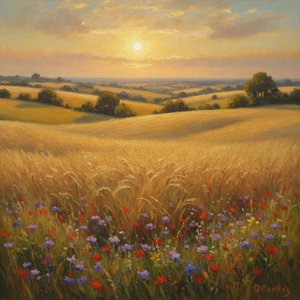
Golden Fields & Sun-Drenched Meadows: Capturing the Soul of Impressionist Landscapes
Immerse yourself in the luminous world of Impressionist landscapes. Discover how masters like Monet and Gauguin captured ephemeral light through plein air painting, and learn to bring the soul of sun-drenched meadows into your home with exquisite, hand-painted oil reproductions.