

 실제 크기로 보기
 보내기
보내기 공유하기
공유하기
 상세 보기
상세 보기 가이드 보기

 이미지 다운로드
 유사 작품 더 보기
 X-레이
X-레이 슬라이드 쇼 보기
 통계 정보
통계 정보Crucifixion
 Oil On Canvas
- WallArt
- German Renaissance Landscape
 1526
1526 29.0 x 21.0 cm
 슈타틸리체 무제엔
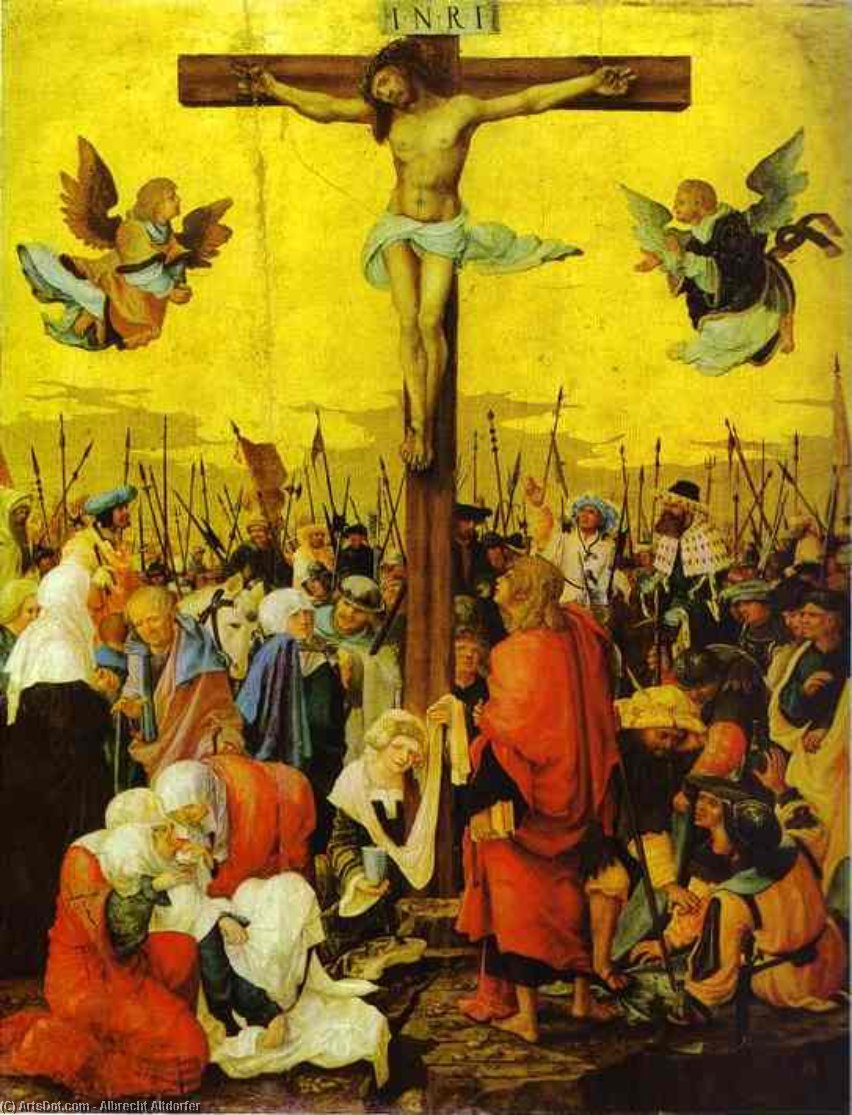
Albrecht Altdorfer's "Crucifixion" (1526) is a dramatic, evocative depiction of Christ’s suffering, showcasing the artist's pioneering landscape style and masterful use of color within the Northern Renaissance.
 상세 보기
상세 보기
알브레히트 알트도르퍼(1480-1538): 독일 르네상스 풍경화의 선구자이자 다뉴브 학파의 주요 화가입니다. 독창적인 판화, 종교 작품, 혁신적인 예술 세계를 탐험해보세요.
Get a print-ready file that goes far beyond the web preview. Every digital image we sell comes from a high-resolution master in our stock database — usually 5,000 to 15,000 pixels wide — so you can print large, crop tightly, or reproduce fine detail with confidence.
No file leaves our studio untouched. A digital expert checks the colors against the original painting and corrects them if needed, then improves clarity and detail with professional retouching tools — always staying faithful to the artist's brushwork and style. The result is an image that looks like the painting, not like a filtered scan.
You approve before you're done: our expert sends the image by e-mail within 72 hours for your review. Not satisfied? Ask for improvements or corrections, or request a refund if the quality falls short.
This is the quality relied on by publishers, design studios, galleries and print shops.
디지털 이미지
개인 소장 및 전시, 인쇄, 창작 프로젝트를 위한 고해상도 파일을 다운로드하세요. ( 프린트 판매로 전환 수작업 채색 복제본 주문하기)
모든 디지털 이미지 주문 시 제공되는 혜택
전문적인 디지털 이미지 전송 보장
TopImpressionists.com를 선택하시면 단순히 이미지를 받는 것을 넘어, 정밀한 보정 과정을 거쳐 완성된 전문적인 디지털 예술 작품을 만나보실 수 있습니다. 모든 작품에는 만족 보장 서비스가 함께 제공되며, 주문 시 다음과 같은 사항들이 자동으로 포함됩니다:

빠른 이메일 수령
주문 후 72시간 이내에 고해상도 디지털 이미지 파일이 이메일로 발송되며, 즉시 사용하실 수 있습니다.

AI 기술로 최적화된 디지털 파일
귀하의 작품은 고급 AI 기술과 정교한 수동 편집 과정을 거쳐 전문적으로 최적화되며, 이를 통해 디테일과 선명도, 색상의 정확도를 극대화합니다.

평생 무료 재전송 서비스
파일을 실수로 삭제하거나 분실하셨나요? 걱정 마세요. 언제든 무료로 다시 보내드립니다.

추가 수입 비용 없음 - 언제나
관세나 부가세, 배송비 부담 없이 작품을 즉시 소장하세요 - 디지털 다운로드는 언제나 면세 혜택이 적용됩니다.

정확한 색상 보장
전문적인 도구와 색상 관리 시스템을 통해 디지털 이미지가 원본의 색상을 최대한 정확하게 구현하도록 보장합니다.

100일 만족 보장제
구매하신 디지털 이미지에 만족하지 못하실 경우, 100일 이내에 별도의 조건 없이 수정 또는 100% 환불을 진행해 드립니다.

100% 환불 보장
만족스럽지 않으신가요? 디지털 파일을 받으신 후 100일 이내에 조건 없이 전액 환불해 드립니다.

대량 주문 할인
이미지 3매 구매 시 10% 할인 - 5매 구매 시 15% 할인 - 10매 이상 구매 시 20% 할인. 크리에이티브 프로젝트, 갤러리, 에이전시에 매우 유용합니다.
The Weight of Sorrow: Albrecht Altdorfer’s “Crucifixion”
Albrecht Altdorfer's "Crucifixion," painted in 1526, isn’t merely a depiction of a pivotal religious event; it’s a visceral experience. Emerging from the burgeoning German Renaissance, Altdorfer wasn’t simply replicating biblical narratives; he was forging a new visual language, one deeply rooted in the natural world yet imbued with profound spiritual intensity. This particular rendition transcends simple illustration, becoming a landscape saturated with grief and a haunting meditation on sacrifice. The painting immediately commands attention not through grand scale – it's remarkably intimate, measuring just 29 x 21 cm – but through its masterful manipulation of light, color, and composition to evoke an overwhelming sense of sorrow.
The scene unfolds against a dramatically rendered landscape—a brooding, almost primeval forest. The trees, rendered in thick, layered brushstrokes of deep greens, browns, and purples, seem to writhe with the weight of the event. This isn’t a picturesque vista; it's a wilderness imbued with an unsettling energy. Altdorfer deliberately eschews traditional depictions of serene backgrounds, instead presenting a landscape actively participating in the drama. The distant mountains, shrouded in mist and shadow, amplify the feeling of isolation and despair. Notice how the artist uses atmospheric perspective – lighter hues for objects further away – to create a sense of depth and distance, drawing the viewer’s eye into the heart of the scene.
A Pioneer of Landscape
Albrecht Altdorfer stands as a pivotal figure in art history, largely credited with establishing landscape painting as an independent artistic subject within Europe. Prior to his work, landscapes were typically relegated to mere backgrounds for religious or mythological scenes. However, Altdorfer recognized the power of the natural world to convey emotion and meaning. His meticulous observation of nature—evident in the detailed rendering of foliage, rocks, and atmospheric conditions—transformed the landscape from a passive backdrop into an active participant in the narrative. This shift was revolutionary, paving the way for later generations of landscape artists like Albert Bierstadt and Frederic Church.
His background as a town architect and council member further informs his artistic approach. Altdorfer possessed a keen eye for spatial relationships and a deep understanding of how to create a sense of harmony and balance within a composition. This skill is brilliantly demonstrated in “Crucifixion,” where the human figure—Jesus—is carefully positioned within the landscape, creating a dynamic interplay between the earthly realm and the divine.
Symbolism and Emotional Resonance
Beyond its technical brilliance, "Crucifixion" resonates deeply with viewers through its potent symbolism. The stark simplicity of Jesus’s pose – arms outstretched, head bowed – is profoundly moving. Altdorfer avoids any overtly dramatic or theatrical elements, opting instead for a quiet, understated portrayal of suffering. The figures surrounding the cross—angels and soldiers—are rendered in muted tones, emphasizing the central tragedy. Even the light itself seems to weep, casting long shadows across the landscape.
The choice of a dark, foreboding forest as the setting is particularly significant. Forests have historically been associated with death, mourning, and the unknown. In this context, it serves as a powerful metaphor for the spiritual darkness surrounding Jesus’s sacrifice. The painting isn't simply depicting an event; it’s exploring the profound emotional consequences of that event—the grief, despair, and sense of loss experienced by those who witnessed it.
A Timeless Masterpiece
“Crucifixion” is more than just a religious painting; it’s a testament to Altdorfer's artistic genius and his ability to capture the essence of human emotion. The meticulous detail, masterful use of color and light, and profound symbolism combine to create an unforgettable image that continues to resonate with viewers centuries after its creation. Reproductions, like this one, offer a remarkable opportunity to experience the power and beauty of this iconic work, bringing its haunting message into our own spaces.
질의응답
알브레히트 알트도르퍼의 "Crucifixion"은(는) 퍼블릭 도메인인가요?
알브레히트 알트도르퍼의 "Crucifixion"은(는) 퍼블릭 도메인 - 저작권 보호 기간이 만료되었습니다 상태입니다. 이 상태에 따라 해당 작품 이미지의 복제 가능 여부가 결정됩니다.
알브레히트 알트도르퍼의 "Crucifixion"의 느껴지는 밝기는 어느 정도인가요?
전반적으로 "Crucifixion"의 밝기는 bright로 기록되었습니다. 인지된 밝기는 작품이 얼마나 밝거나 어둡게 보이는지를 나타냅니다.
알브레히트 알트도르퍼의 "Crucifixion"의 휘도는 어느 정도인가요?
알브레히트 알트도르퍼의 "Crucifixion"의 휘도는 Gentle Luminance입니다. 휘도는 색상이 빛을 얼마나 반사하는지를 나타냅니다.
아티스트 프로필
알브레히트 알트도르퍼: 북부 르네상스 풍경화의 선구자
1480년경 독일 레겐스부르크에서 태어난 알브레히트 알트도르퍼는 후기 고딕 시대와 독일 르네상스의 발흥을 연결하는 중요한 인물입니다. 그는 단순히 당대의 예술가가 아니라, 특히 풍경화 분야에서 예술적 흐름 자체를 재정립했습니다. 울리히 알트도르퍼라는 화가이자 세밀화가를 아버지로 둔 가문 출신인 그는 모방자가 아닌 혁신자로서 빠르게 두각을 나타냈습니다. 도나우 강변에 전략적으로 위치한 자유 제국 도시 레겐스부르크는 그의 형성기에 생동감 넘치는 문화적 배경을 제공했습니다. 이 지역은 자연 세계와의 깊은 연결을 촉진하여 그의 작품 전체를 관통하는 핵심 요소가 되었습니다. 예술 활동 외에도 알트도르퍼는 도시 건축가이자 시의회 의원을 역임하며 다재다능한 재능을 입증했습니다. 그러나 1506년경 제작된 초기 판화와 드로잉, 예를 들어 *성 프란체스코의 십자가 상처*와 *성 제롬*은 그의 독특한 예술적 목소리를 처음으로 드러내며 성숙한 스타일을 특징짓는 강렬함과 세심한 디테일을 암시했습니다.도나우 학파와 혁신적인 비전
알트도르퍼는 16세기 초 독일 남부에서 활동했던 영향력 있는 예술가 그룹인 도나우 학파의 주요 멤버로 가장 잘 알려져 있습니다. 이 예술 단체는 풍경의 표현적 잠재력을 탐구하는 데 공통된 관심을 공유하며, 단순한 배경으로서의 역할을 넘어 중심 주제 자체로 격상시켰습니다. 알트도르퍼 이전에는 풍경이 주로 종교적이거나 역사적인 이야기의 배경으로 사용되었습니다. 그는 자연을 그 자체로 묘사하고 분위기와 감정적 울림을 불어넣는 것을 감히 시도했습니다. 1511년경 도나우 강을 따라 알프스 산맥으로의 변혁적인 여정은 그의 예술 발전에 결정적인 역할을 했습니다. 극적인 경치, 울창한 숲, 우뚝 솟은 산들은 그에게 전례 없는 충실함과 감각으로 자연을 묘사하려는 열정을 불러일으켰습니다. 그는 아마도 최초의 현대 풍경화가였으며 단순히 보이는 것을 복제하는 것이 아니라 경계 내에 있는 것에 대한 감정적 반응, 즉 경외심, 신비감, 심지어 영적인 연결감을 전달했습니다. 이것은 단순한 지형적 정확성이 아니라 *풍경 속에서 경험하는 것*을 포착하는 것이었습니다. 그의 작품인 “큰 가문비나무”는 이러한 변화를 보여주며 자연의 아름다움을 고요하고 복잡하게 묘사합니다.걸작과 예술적 영향
알트도르퍼는 회화, 판화, 드로잉, 건축 디자인을 포괄하는 다양한 작품을 제작했습니다. 그의 가장 유명한 업적 중 하나는 바이에른 공 빌헬름 4세의 의뢰를 받아 제작된 *이수스 전투* (1529)입니다. 이 기념비적인 그림은 구성과 디테일에 대한 그의 숙달뿐만 아니라 전투 장면의 극적인 긴장감을 고조시키는 데 있어 혁신적인 풍경 사용을 보여줍니다. 소용돌이치는 구름, 험준한 산맥, 혼란스러운 병사들의 난투는 압도적인 에너지와 장관을 조성합니다. 1513년 인스브루크에서 막시밀리안 1세 황제와의 협력은 그의 예술적 지평을 넓히고 대규모 프로젝트에 참여할 기회를 제공했습니다. 알트도르퍼의 스타일은 고립되어 형성되지 않았습니다. 그는 다양한 출처로부터 영향을 받았습니다. 조르조네의 시적인 서정성, 루카스 크라나흐 노인의 표현적인 인물, 알브레히트 뒤러의 세심한 디테일은 모두 그의 작품에 흔적을 남겼습니다. 그러나 그는 이러한 영향력을 독특하고 개인적인 비전으로 종합하여 강렬함, 극적인 조명, 그리고 생생한 풍경을 특징으로 했습니다. “목욕 후의 비너스”와 같은 그의 판화는 섬세한 선과 복잡한 디테일을 보여주며 이 매체에서의 그의 기술을 입증합니다.유산과 지속적인 영향
알브레히트 알트도르퍼의 예술적 유산은 그가 평생 동안 제작한 55개의 패널, 120개의 드로잉, 수많은 판화를 훨씬 넘어 확장됩니다. 그는 풍경화에 대한 예술가의 접근 방식을 근본적으로 변화시켜 미래 세대가 표현적인 가능성을 탐구할 길을 열었습니다. 그의 영향력은 자연의 숭고한 아름다움과 감정적 힘을 포착하기 위해 노력했던 후기 독일 낭만주의 화가들의 작품에서 볼 수 있습니다. 오늘날 알트도르퍼의 예술 작품은 독일 박물관 동부 갤러리(*레겐스부르크의 아름다운 마리아*)와 오스트리아 아우크스부르크 미술 컬렉션 및 박물관을 포함한 전 세계 주요 박물관 컬렉션에 소장되어 있습니다. 그의 혁신적인 정신, 기술적 숙달, 자연과의 깊은 연결은 1538년 사망 후 수세기 동안 예술가들에게 영감을 주고 관객을 사로잡고 있습니다. 그는 독일 르네상스의 거대한 인물이며 풍경을 단순한 배경이 아닌 깊은 감정과 영적인 의미를 불러일으킬 수 있는 강력한 힘으로 대담하게 바라본 진정한 선구자입니다. 그의 작품은 세상을 인식하는 방식을 변화시키는 예술의 지속적인 힘에 대한 증거로 남아 있습니다.알트도르퍼의 다양한 작품 탐험
상징적인 풍경화와 전투 장면 외에도 알트도르퍼의 예술적 범위는 종교 주제, 신화 이야기, 심지어 건축 디자인까지 포괄했습니다. “아브라함의 희생”과 같은 성경 이야기에 대한 그의 묘사는 이전 해석과는 다른 극적인 강렬함과 감정적 깊이를 지니고 있습니다. 그는 단순히 성경을 설명하는 것이 아니라 믿음의 관점에서 인간의 조건을 탐구했습니다.- 판화: “무키우스 스카에볼라가 손을 태우는 장면”과 같은 알트도르퍼의 판화는 선과 디테일에 대한 그의 숙달을 보여주며 종종 움직임과 드라마를 전달합니다.
- 드로잉: 그의 드로잉은 창작 과정에 대한 친밀한 통찰력을 제공하며 그의 세심한 관찰 기술과 표현적인 음영 사용을 드러냅니다.
- 건축 디자인: 레겐스부르크의 도시 건축가로서 알트도르퍼는 도시의 요새화와 도시 계획에 기여하여 실용적뿐만 아니라 예술적 재능을 보여주었습니다.

알브레히트 알트도르퍼
1480 - 1538 , 독일
핵심 정보
- Artistic Movement Or Style: 다뉴브 학파, 르네상스
- Artists Or Movements Influenced By This Artist: ['독일 낭만주의 화가']
- Artists Who Influenced This Artist:
- 조르조네
- 루카스 크라나흐
- 알브레히트 뒤러
- Date Of Birth: 약 1480년
- Date Of Death: 1538년
- Full Name: 알브레히트 알트도르퍼
- Nationality: 독일인
- Notable Artworks (List Of Titles):
- 알렉산더 전투
- 큰 전나무
- 성 게오르그와 용
- Place Of Birth (City And Country): 레겐스부르크, 독일