





























작품의 원본 비율을 유지하는 미리 설정된 크기 중에서 선택하세요.

특정 프레임이나 공간에 맞도록 직접 크기를 입력할 수 있습니다. 선택하신 크기가 원본 이미지의 비율과 일치하지 않는 경우, 작품을 자르거나 추가적인 손으로 그린 요소를 사용하여 그림을 확장합니다. 제작 시작 전 승인을 위해 디지털 목업을 보내드립니다.
화면 미리 보기는 실제 자르기 또는 확장을 반영하지 않습니다. 최종 구성은 목업을 통해서만 정확하게 확인하실 수 있습니다.
맞춤 크기 제작도 가능하지만, 원본 비율을 유지하기 위해 사전 정의된 목록에서 크기를 선택하시는 것을 권장합니다.

Heather And Gorse
복제본 크기
Albrecht Dürer's Heather And Gorse is more than simply a depiction of botanical subjects; it’s a profound meditation on nature, meticulously rendered with the artist’s characteristic obsession for detail and his deep understanding of both artistic technique and symbolic meaning. Painted during a pivotal period in his career – roughly between 1505 and 1508 – this work exemplifies Dürer's shift towards greater naturalism while retaining the intellectual rigor that defined his approach to art. The painting’s dark, almost brooding background immediately draws the eye to the vibrant foreground, where a cluster of white flowers, likely heather or gorse (the precise identification remains a subject of scholarly debate), dominates the composition. These blooms, with their delicate pink centers and intricately layered petals, are not merely observed; they are dissected and rendered with an astonishing level of accuracy, reflecting Dürer’s relentless pursuit of scientific observation within his artistic practice.
Dürer's interest in naturalism was deeply rooted in the intellectual currents of the High Renaissance. Artists like Leonardo da Vinci were exploring the principles of perspective, anatomy, and botany with a scientific rigor that profoundly influenced Dürer’s work. However, unlike some of his contemporaries who focused solely on replicating nature, Dürer infused his paintings with symbolic meaning. The heather and gorse themselves held significance within European folklore and religious iconography – representing purity, resilience, and the beauty of the earthly realm. This wasn't simply a botanical study; it was an engagement with the spiritual implications of the natural world.
The dark background further amplifies this symbolic weight, suggesting a contemplative space where the viewer is invited to reflect on the relationship between humanity and nature. It’s a deliberate choice that elevates the painting beyond a simple still life, transforming it into a powerful statement about the beauty and complexity of God's creation.
Understanding *Heather And Gorse* requires acknowledging Dürer’s formative years in Nuremberg. The city was a vibrant center of commerce, craftsmanship, and artistic innovation during the early 16th century. Dürer's apprenticeship under Michael Wolgemut exposed him to the latest trends in painting, woodcut illustration, and manuscript illumination – skills that he would later synthesize into his own unique style. Nuremberg’s patronage system also played a crucial role, providing Dürer with the financial resources and opportunities necessary to pursue his artistic ambitions. The city's emphasis on precision and quality—inherited from its goldsmithing tradition—directly informed Dürer’s meticulous approach to artmaking.
Despite being created over five centuries ago, *Heather And Gorse* continues to resonate with viewers today. The painting's beauty lies not only in its technical brilliance but also in its ability to evoke a sense of tranquility and wonder. Dürer’s masterful rendering of light and shadow creates a palpable sense of depth and texture, inviting the viewer to step into the scene and contemplate the delicate beauty of nature. This timeless appeal makes it an ideal subject for reproduction, allowing art lovers to bring this exquisite work into their homes and offices.

1471 - 1528 , 이탈리아

Explore the exquisite world of botanical realism. From scientific precision to Impressionist light, discover how master artists capture nature's true essence through timeless, hand-painted oil reproductions and historical insights for the discerning art lover.
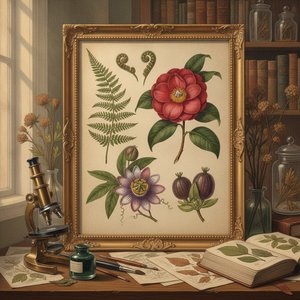
Discover the exquisite world of Victorian botanical painting, where scientific precision meets profound aesthetic grace. Explore a journey through nature's intricate details, from legendary illustrators to the untamed beauty of Marianne North’s vibrant floral masterpieces.


최신 미술 뉴스, 특별 혜택 및 인테리어 아이디어를 가장 먼저 만나보세요.
프로젝트에 대해 알려주시면 저희 미술 전문가들이 맞춤형 아트 제안 3가지를 전달해 드립니다.
당신만을 위한 맞춤형 옵션 3가지를 무료로 추천해 드립니다!


 미리보기
미리보기
 프린트 구매
 공유하기
공유하기 공유하기
공유하기
 상세 정보
상세 정보

 다운로드
다운로드
 유사 작품
유사 작품 X-레이
X-레이 슬라이드 쇼
 더 보기
더 보기









 유리 옵션은 110cm 미만 크기에서만 선택 가능합니다.


