





























작품의 원본 비율을 유지하는 미리 설정된 크기 중에서 선택하세요.

특정 프레임이나 공간에 맞도록 직접 크기를 입력할 수 있습니다. 선택하신 크기가 원본 이미지의 비율과 일치하지 않는 경우, 작품을 자르거나 추가적인 손으로 그린 요소를 사용하여 그림을 확장합니다. 제작 시작 전 승인을 위해 디지털 목업을 보내드립니다.
화면 미리 보기는 실제 자르기 또는 확장을 반영하지 않습니다. 최종 구성은 목업을 통해서만 정확하게 확인하실 수 있습니다.
맞춤 크기 제작도 가능하지만, 원본 비율을 유지하기 위해 사전 정의된 목록에서 크기를 선택하시는 것을 권장합니다.

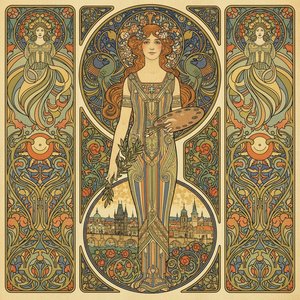
Spring Night
복제본 크기
The Czech artist Alphonse Maria Mucha stands as an undisputed icon of Art Nouveau, a movement that sought to elevate decorative arts into realms of intellectual and emotional contemplation. His oeuvre transcends mere ornamentation; it embodies a profound fascination with mythology, folklore, and the transformative power of nature—themes exquisitely rendered in “Spring Night,” a painting that captures not just a picturesque woodland scene but also the very essence of Mucha’s artistic philosophy.
Born in Brno in 1860, Mucha initially pursued classical training at Prague’s Academy of Fine Arts, yet swiftly rejected its rigid formalism. Recognizing the limitations of academic conventions, he embarked on a daring journey to Paris in 1887, where he established his studio and cultivated an independent artistic vision. This decision proved pivotal, propelling him into the epicenter of Art Nouveau’s burgeoning creative energy.
Mucha's distinctive style is immediately recognizable by its undulating lines—a deliberate departure from straight edges—and an obsession with organic forms inspired by botanical illustrations. He meticulously studied the works of Gustave Moreau and Pierre-Auguste Renoir, absorbing their mastery of color and composition while forging his own unique aesthetic path. “Spring Night” exemplifies this approach perfectly; the trees are depicted as spiraling trunks adorned with blossoms that seem to ripple with movement.
“Spring Night” emerged during the Belle Époque, a period of unprecedented optimism and cultural flourishing in Europe. Art Nouveau responded directly to the anxieties of industrialization by celebrating beauty and craftsmanship as antidotes to urban alienation. Mucha’s paintings weren't merely decorative; they were intended to elevate the viewer’s consciousness—to transport them into realms of fantasy and wonder.
The painting is replete with symbolic references rooted in Slavic mythology. The central figures, bathed in soft moonlight, represent idealized femininity—a recurring motif throughout Mucha’s work. Their posture exudes serenity and grace, mirroring the tranquility of the surrounding woodland environment. Furthermore, the blossoms scattered across the trees symbolize rebirth and renewal, reinforcing the painting's overarching message of hope and transformation.
"Spring Night" succeeds in evoking a profound emotional response—a yearning for respite from the pressures of daily life and an appreciation for the sublime beauty of nature. Mucha’s masterful use of color—pale greens, blues, and whites—creates an atmosphere of ethereal luminescence that captivates the eye and nourishes the soul. It remains a testament to Art Nouveau's enduring power to inspire contemplation and elevate artistic expression beyond mere visual gratification.

1860 - 1939 , 체코 공화국

Explore the rich history of illustration! From ancient cave paintings to Art Nouveau masterpieces, discover how visual storytelling has shaped culture. Expert insights & stunning examples.

아르누보 미술의 정수를 담은 10대 걸작을 만나보세요! 무하, 클림트 등 거장의 작품부터 유기적 곡선과 자연주의 색감이 돋보이는 예술 세계를 탐험하고, TopImpressionists.com에서 고품질 아트 프린트를 찾아 당신의 공간에 예술적인 영감을 더하세요.

Explore the captivating world of Art Nouveau! Discover its origins, key artists like Horta & Mucha, regional styles, innovative techniques, and lasting influence on architecture & design. A comprehensive guide for art enthusiasts.
Explore the life & art of Alphonse Mucha, master of Art Nouveau! Discover his iconic posters, stunning illustrations, and the monumental Slav Epic. A comprehensive guide for collectors & enthusiasts.

Explore the captivating world of Edmund Dulac, a master of Golden Age illustration! Discover his enchanting fairy tales, Art Nouveau style, and lasting influence on art & design. Learn about *The Rubaiyat* and more.


최신 미술 뉴스, 특별 혜택 및 인테리어 아이디어를 가장 먼저 만나보세요.
프로젝트에 대해 알려주시면 저희 미술 전문가들이 맞춤형 아트 제안 3가지를 전달해 드립니다.
당신만을 위한 맞춤형 옵션 3가지를 무료로 추천해 드립니다!


 미리보기
미리보기
 프린트 구매
 공유하기
공유하기 공유하기
공유하기
 상세 정보
상세 정보

 다운로드
다운로드
 유사 작품
유사 작품 X-레이
X-레이 슬라이드 쇼
 더 보기
더 보기









 유리 옵션은 110cm 미만 크기에서만 선택 가능합니다.


