






























작품의 원본 비율을 유지하는 미리 설정된 크기 중에서 선택하세요.

특정 프레임이나 공간에 맞도록 직접 크기를 입력할 수 있습니다. 선택하신 크기가 원본 이미지의 비율과 일치하지 않는 경우, 작품을 자르거나 추가적인 손으로 그린 요소를 사용하여 그림을 확장합니다. 제작 시작 전 승인을 위해 디지털 목업을 보내드립니다.
화면 미리 보기는 실제 자르기 또는 확장을 반영하지 않습니다. 최종 구성은 목업을 통해서만 정확하게 확인하실 수 있습니다.
맞춤 크기 제작도 가능하지만, 원본 비율을 유지하기 위해 사전 정의된 목록에서 크기를 선택하시는 것을 권장합니다.

Study for Dance
복제본 크기
Alphonse Maria Mucha's “Study for Dance,” a pastel drawing of remarkable delicacy and dynamism, offers a captivating glimpse into the heart of Art Nouveau. Dating from around 1900, this piece transcends mere representation; it is an embodiment of movement, beauty, and the spirit of a burgeoning artistic era. The artwork’s immediate impact lies in its depiction of a nude woman – a recurring motif in Mucha's oeuvre – caught in a swirling, almost ecstatic pose, reminiscent of a dancer lost within her own rhythm. This isn’t a study for a grand salon painting; rather, it feels intensely personal, a concentrated exploration of form and emotion.
Mucha's distinctive style is immediately recognizable. “Study for Dance” exemplifies the flowing lines, organic forms, and decorative elements that defined Art Nouveau. The composition prioritizes graceful curves over rigid realism, creating a dreamlike atmosphere where perspective is subtly flattened to emphasize the figure’s movement. The pastel technique itself is crucial – layers of color are meticulously built up to achieve a velvety texture and luminous quality. Notice how loose brushstrokes contribute to the ethereal effect, while delicate linework defines the contours of the woman's body and the intricate details of the circular frame. The use of hatching and cross-hatching adds depth and dimension, particularly in rendering the folds of her dress, which appears to ripple with movement.
Beyond its aesthetic beauty, “Study for Dance” is rich in symbolic meaning. The swirling lines that dominate the composition represent fluidity – not just physical movement but also ideas and emotions. The ornate circular frame, a frequent element in Mucha’s work, suggests eternity or a celestial realm, elevating the figure to something almost divine. The warm color palette—dominated by reds, golds, and muted greens—evokes feelings of sensuality and warmth. Considering Mucha's influences – particularly his admiration for Gustave Moreau – we can see echoes of classical mythology and allegorical themes within this intimate study. The pose itself, with the woman’s arms outstretched, speaks to a yearning for freedom and expression, aligning perfectly with the core values of Art Nouveau.
Created during a period of immense artistic innovation, “Study for Dance” reflects the broader cultural shift towards embracing beauty, nature, and decorative arts. Mucha’s work was instrumental in establishing Art Nouveau as a dominant style, influencing designers, architects, and artists across Europe. His commissions for Parisian department stores and exhibitions helped to popularize his distinctive aesthetic. As a precursor to Cubism and other modern movements, Mucha's emphasis on flattened perspective and stylized forms paved the way for new approaches to representation. Studying “Study for Dance” allows us to appreciate not only Mucha’s individual genius but also his pivotal role in shaping the course of 20th-century art.

1860 - 1939 , 체코 공화국

Explore the nuanced world of pastel art! Discover its history, techniques & emotional power with expert insights from TopImpressionists.com. Find museum-quality reproductions and learn about collecting this delicate medium.

앙리 마티스의 시대를 초월하는 걸작 25선을 만나보세요. 색채주의, 야수파를 대표하는 그의 삶과 예술 세계를 탐험하고, TopImpressionists에서 명화 복제본으로 거실 인테리어에 감동을 더하세요. 지금 바로 컬렉션을 확인하세요!
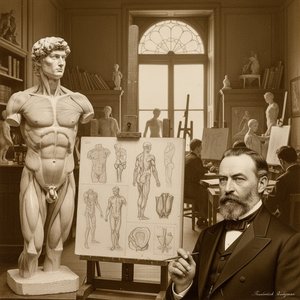
Explore the anatomical mastery of George B. Bridgman & his revolutionary figure drawing techniques. Discover how his methods transformed art instruction and continue to inspire artists today. Learn more at TopImpressionists.

아르누보 미술의 정수를 담은 10대 걸작을 만나보세요! 무하, 클림트 등 거장의 작품부터 유기적 곡선과 자연주의 색감이 돋보이는 예술 세계를 탐험하고, TopImpressionists.com에서 고품질 아트 프린트를 찾아 당신의 공간에 예술적인 영감을 더하세요.

Explore the captivating history of the nude in art! From ancient Greece to modern masters, discover its evolving symbolism, techniques & enduring beauty. Expert insights for collectors and enthusiasts.


최신 미술 뉴스, 특별 혜택 및 인테리어 아이디어를 가장 먼저 만나보세요.
프로젝트에 대해 알려주시면 저희 미술 전문가들이 맞춤형 아트 제안 3가지를 전달해 드립니다.
당신만을 위한 맞춤형 옵션 3가지를 무료로 추천해 드립니다!

 Preview
 프린트 구매하기
 공유하기
공유하기 공유하기
공유하기
 상세 정보
상세 정보

 다운로드
다운로드
 유사 작품
유사 작품 X-레이
X-레이 슬라이드 쇼

 더 보기
더 보기









 유리 옵션은 110cm 미만 크기에서만 선택 가능합니다.


