


 실제 크기로 보기
 보내기
보내기 공유하기
공유하기
 상세 보기
상세 보기 가이드 보기

 이미지 다운로드
 유사 작품 더 보기
 X-레이
X-레이 슬라이드 쇼 보기
 통계 정보
통계 정보Madame Van Leer
 Oil On Panel
- Fauvism
 1929
1929 50.0 x 36.0 cm
 피츠윌리엄 칼리지
Admire André Derain's 'Madame Van Leer,' a captivating 1929 oil painting of a striking woman, showcasing Fauvist color and artistic brilliance. A timeless masterpiece by a celebrated French artist.
 상세 보기
상세 보기
앙드레 드랭(1880-1954): 야수파의 주요 창시자이자 대담한 색채와 표현주의적 스타일로 유명합니다. 대표작 '콜리우르 산', 런던 연작을 통해 현대 미술에 큰 영향을 미쳤습니다.
핸드메이드 유화 복제화
작가가 직접 캔버스에 손으로 그린 유화 작품으로, 원하는 크기와 액자로 맞춤 제작해 드립니다. ( 프린트 판매로 전환 디지털 이미지 판매 채널로 전환)




P118B ₩10

P118H ₩10

P118W ₩10

P438Z ₩10

P508JH ₩12

P508YH ₩12

P805H ₩10

P805Z ₩10

P919BZ ₩10

P919G ₩10

P919XJ ₩10

P959ZH ₩10

P968JZ ₩12

W106C ₩8

W218G ₩10

W218JH ₩8

W218Y ₩10

W307PJ ₩10

W316G ₩10

W316PJ ₩8

W316Y ₩10

W398PJ ₩8

W4111J ₩10

W500HY ₩15

W500JH ₩15

W692G ₩12

W849H ₩8

W940BG ₩15

W953PJ ₩8




표준 규격
맞춤 제작
CM
INCH
작품의 원본 비율을 그대로 유지하는 프리셋 사이즈 중에서 선택해 보세요.
Loading sizes...

가로 너비
높이
액자나 벽면 크기에 맞춰 필요한 가로와 세로 길이를 입력해 주세요. 본 작품은 수작업으로 제작되므로, 요청하신 비율에 따라 작가가 그림의 가장자리를 조금 더 넓게 그리거나 일부를 조정하여 작업할 수 있습니다. 작업 시작 전, 최종 확인을 위해 디지털 목업 이미지를 보내드립니다. 이 페이지에 표시된 이미지는 실제 결과물과 다를 수 있으며, 오직 목업 이미지만이 정확한 결과물을 보여줍니다.
변경 가능한 예시: 얼굴을 고객님의 사진으로 교체, 반려동물 추가(예: 고양이를 강아지로 변경), 배경에 숨겨진 메시지 삽입, 배경 풍경 또는 요소 변경 등
주문 완료 후 TopImpressionists.com 팀에서 상세 안내를 위해 고객님께 이메일을 보내드리며, 미리보기 시안을 함께 제공해 드립니다.
주문 완료 후 TopImpressionists.com 팀에서 상세 안내를 위해 고객님께 이메일을 보내드리며, 미리보기 시안을 함께 제공해 드립니다.


 유리 옵션은 110cm 미만 크기에서만 선택 가능합니다.

Madame Van Leer
재현 매체
복제본 규격
-


총 결제 금액
₩ 365046
André Derain’s “Madame Van Leer”: A Fauvist Portrait of Parisian Elegance
André Derain's "Madame Van Leer," painted in 1929, is more than just a portrait; it’s a vibrant distillation of the Fauvist movement and a captivating glimpse into the social life of early 20th-century Paris. This oil on panel work, currently residing at the Fitzwilliam Museum in Cambridge, immediately assaults the senses with its audacious color palette – a deliberate rejection of academic realism in favor of emotional expression. Derain, a key figure alongside Matisse in establishing Fauvism, wasn’t interested in faithfully representing his subject; instead, he sought to capture her essence through intense hues and dynamic brushstrokes.
The painting depicts Madame Van Leer, a woman of considerable social standing, seated with an air of quiet confidence. Her red dress, rendered in fiery oranges and deep crimsons, dominates the composition, drawing the eye immediately. This bold color choice isn’t merely decorative; it speaks to the energy and vibrancy that characterized the Fauvist period. Derain employed a technique known as “divisionism,” breaking down colors into small, distinct strokes – a method he had initially adopted from Seurat but pushed to its most expressive limits. Notice how the red is not blended smoothly, but rather layered with yellows, blues, and greens, creating an almost shimmering effect that seems to pulsate with life.
A Window into Parisian Society
Understanding “Madame Van Leer” requires a brief context of 1920s Paris. The city was undergoing rapid social and artistic transformation following the devastation of World War I. Artists, eager to break free from the constraints of traditional art, flocked to Montmartre, seeking inspiration in the bohemian atmosphere and experimenting with new forms of expression. Derain’s work reflects this spirit of innovation and a fascination with the changing face of Parisian society. The subject herself, Madame Van Leer, was a prominent figure in artistic circles, known for her patronage of the arts and her sophisticated social life.
The painting offers a subtle commentary on the role of women in that era. While outwardly composed and elegant, there’s an underlying sense of introspection in Madame Van Leer's gaze. She isn’t simply posing for the portrait; she seems to be contemplating something beyond the immediate scene. This ambiguity adds another layer of complexity to the work, inviting viewers to project their own interpretations onto the image.
The Language of Color and Form
Beyond its social context, “Madame Van Leer” is a masterclass in Fauvist technique. Derain’s use of color isn't arbitrary; it’s deeply symbolic. The vibrant reds evoke passion and energy, while the cooler blues and greens suggest tranquility and introspection. He deliberately distorted forms to heighten their emotional impact, prioritizing visual sensation over realistic representation. The simplified shapes and flattened perspective contribute to a sense of immediacy and directness – as if we are witnessing a fleeting moment captured in paint.
Furthermore, Derain’s brushwork is remarkably expressive. The thick, visible strokes create a tactile quality that invites the viewer to engage with the painting on a physical level. The layering of colors and the dynamic application of paint contribute to the overall sense of movement and vitality. It's important to note that after 1910, Derain moved away from the most extreme Fauvist palette, incorporating influences from Cézanne and the Old Masters, but “Madame Van Leer” remains a powerful example of his early experimentation with color and form.
A Timeless Portrait of Parisian Spirit
“Madame Van Leer” is more than just a beautiful painting; it’s a testament to the transformative power of art. It captures not only the likeness of a woman but also the spirit of an era – a time of innovation, experimentation, and social change. The bold colors, expressive brushwork, and subtle symbolism combine to create a work that continues to resonate with viewers today. Reproductions of this iconic painting offer a chance to bring a touch of Parisian elegance and Fauvist vibrancy into any space, serving as a reminder of the enduring legacy of André Derain’s artistic vision.
질의응답
"Madame Van Leer"은 언제, 어떤 재료로 제작되었나요?
"Madame Van Leer"은(는) 1929년에 Oil On Panel 기법으로 제작되었습니다.
"Madame Van Leer"에 대한 가이드는 어디에서 확인할 수 있나요?
앙드레 데랭의 "Madame Van Leer"에 대한 가이드 페이지를 이용하실 수 있습니다. 이 페이지는 학생들과 수업용으로 제작된, 인쇄 가능한 작품 정보 시트를 제공합니다.
"Madame Van Leer"의 작가는 누구인가요?
"Madame Van Leer"의 작가는 앙드레 데랭입니다. 이 작품은 앙드레 데랭의 이름으로 등록되어 있습니다.


작가 소개
초기 생애와 야수주의의 씨앗
1880년 파리 근교의 매력적인 마을 샤투에서 태어난 안드레 데랭은 처음부터 캔버스에 삶을 바친 예술가로 예정된 것은 아니었다. 블랑크나 마티스와 같은 동료 화가들과의 만남을 통해 즉각적인 예술적 각성이 일어났다는 일부 이야기와는 달리, 데랭은 1895년경 스스로 예술 여정을 시작했다. 이러한 초기 탐구는 종종 자코망 신부와 그의 아들들과 함께 시골 여행을 떠나면서 이루어졌는데, 이는 자연 세계에 대한 깊은 감상을 심어준 중요한 경험이었다. 그는 1898년 카미요 아카데미에서 잠시 공학을 공부했지만, 운명처럼 마티스와 만나 예술적 파트너십의 중요한 시작을 알렸다. 외젠 카리에르 밑에서의 추가적인 연구는 그의 기초 기술을 연마했지만, 1901년부터 1904년까지의 군 복무가 잠시 그의 번성하는 경력을 중단시켰다. 귀환 후 마티스의 확고한 믿음에 설득되어 데랭은 공학을 단호히 포기하고 줄리앙 아카데미에서 계속 교육을 받으며 완전히 그림에 전념했다. 이 헌신은 전환점이 되어 그를 현대 미술의 가장 혁명적인 운동 중 하나인 중심 인물로 향하는 길을 열었다.색채의 폭발: 야수주의
1905년 여름은 데랭과 마티스가 햇볕이 잘 드는 해안 마을 콜리우르에서 협력하면서 폭발적인 순간이었다. 이 시기에 “콜리우르 산맥”과 같은 작품들이 탄생했는데, 이는 표현적 색채로부터의 급진적인 탈피를 특징으로 한다. 풍경은 단순히 장소의 묘사가 아니었다. 그것들은 강렬하고 비자연스러운 색조로 표현된 감정의 표현이었다. 그들의 작품이 같은 해 가을 살롱에 전시되었을 때, 분노와 놀라움을 불러일으켰다. 비평가 루이 복셀은 그들을 “Les Fauves”—야생 짐승들—라고 불렀는데, 이는 원래 경멸적인 의미로 사용되었지만 결국 예술가들에 의해 받아들여졌다. 데랭의 이 운동에 대한 기여는 스타일뿐만이 아니었다. 그는 순수한 색채로 감정적 강도를 번역하는 독특한 능력을 가지고 있었다. 1906년, 암브루아즈 볼라는 그에게 템스강과 타워 브리지를 그린 런던 그림 시리즈를 의뢰했다. 이것들은 관습적인 도시 풍경이 아니었다. 그것들은 대담한 해석으로, 기존의 틀을 깨고 런던의 에너지와 분위기를 포착한 혁신적인 비전의 증거였다. 반 고흐와 세잔과 같은 예술가들의 영향을 받아 그는 색채와 형태의 경계를 넓혀 미래 세대의 표현주의 화가들을 위한 기반을 마련했다.야수주의를 넘어: 변화하는 미학
야수주의의 초기 열정은 데랭의 전체적인 예술적 궤적을 정의하지 않았다. 1907년경, 그의 스타일은 억제되지 않은 색채의 활기를 떠나 더 차분한 색조와 형태에 대한 강조로 중요한 진화를 시작했다. 이 시기는 종종 “고딕” 단계(1911-1914)라고 불리는데, 이는 고전 형태에 대한 관심 증가를 반영한다. 그는 옛 거장들을 연구하는 데 몰두하여 입체주의 요소를 통합하면서도 동시에 영감을 얻었다. 이것은 그의 이전 작품을 거부한 것이 아니라 예술적 어휘의 확장이었다. 데랭의 다재다능함은 그림을 넘어 확장되었다. 1919년, 그는 세르게이 디아길레프의 발레 루스에 “La Boutique Fantasque”를 디자인하여 연극 디자인에 대한 적성과 다양한 재능을 더욱 보여주었다. 이 시대의 주요 작품인 "할리퀸과 피에로"와 기념비적인 벽화 "율리세스의 귀환"은 더 통제되고 지적으로 엄격한 예술 제작 접근 방식을 예시하는 이러한 스타일 변화를 보여준다.유산과 복잡성
안드레 데랭의 미술사적 위치는 현대 회화를 영구히 바꾼 운동인 야수주의 공동 창립자로서 확고하다. 그의 생생한 캔버스에 담긴 런던에 대한 독특한 비전은 상징적인 도시에 대한 새로운 관점을 제공했다. 제1차 세계 대전 이후, 그는 고전주의 부활에 대한 기여로 인해 다시 한번 인정을 받았으며, 이는 그의 적응력과 지속적인 예술적 관련성을 보여주었다. 그러나 데랭의 후반 생애는 논란으로 얼룩졌다. 제2차 세계 대전 중 독일에서의 그의 존재는 일부 이전 지지자들로부터 비판을 받아 전쟁 이후 그를 소외시켰다. 이러한 그림자에도 불구하고, 후대 예술가들에 대한 그의 영향은 부인할 수 없다. 그는 1954년에 세상을 떠났고, 대담한 색채와 표현적인 붓놀이뿐만 아니라 끊임없이 자신에게 도전하고 새로운 표현 방식을 탐구하며 현대 미술의 풍경에 지울 수 없는 흔적을 남긴 예술가로서의 유산을 남겼다. 그의 유산은 단순한 대담한 색채와 표현적인 붓놀이가 아니라 급변하는 세계를 헤쳐나가면서 창조적 진실을 끊임없이 추구한 예술가의 유산이다. 그는 예술적 혁신의 힘과 단일 스타일에 고집하는 것이 아니라 끊임없는 창조적 진실 추구에 있는 진정한 예술의 본질을 상기시켜준다.
앙드레 데랭
1880 - 1954 , 프랑스
작가 정보 요약
- Artistic Movement Or Style: 야수파, 입체주의
- Artists Or Movements Influenced By This Artist:
- 마티스
- 입체주의
- Artists Who Influenced This Artist:
- 반 고흐
- 세잔
- Date Of Birth: 1880년 6월 10일
- Date Of Death: 1954년 9월 8일
- Full Name: 앙드레 데랭
- Nationality: 프랑스 국적
- Notable Artworks:
- 콜리우르의 산들
- 광대와 피에로
- 찻잔
- 런던 풍경
- Place Of Birth: 샤투, 프랑스
관련 기사

렘브란트 반 레인 명작 25선: 빛과 그림자의 거장, 예술의 정수를 만나다
렘브란트 반 레인 명작 25선을 만나보세요. 빛과 그림자의 거장이 그린 역사화, 초상화 속 예술의 정수를 감상하고, 네덜란드 황금시대 바로크 미술의 깊이를 느껴보세요. TopImpressionists.com에서 고품질 복제화를 컬렉션하세요.

Fauvism's Boldest Visions: 10 Masterpieces That Revolutionized Modern Art | TopImpressionists
Explore 10 Fauvist masterpieces by Matisse, Derain & Vlaminck that ignited Modern Art! Discover bold colors, expressionist landscapes & the history of this revolutionary movement. Find museum-quality prints at TopImpressionists.com.

Charles-André van Loo: A Study in Rococo Portraiture & the French Court's Artistic Dynamics
Explore the elegant world of Charles-André van Loo, a master of Rococo portraiture at the French court. Discover his life, techniques, and enduring influence on 18th-century art. Hand-painted reproductions available.

André Derain: Fauvism's Bold Visionary & the Evolution of Modern Color
Explore the revolutionary art of André Derain, co-founder of Fauvism. Discover his bold use of color, evolution from radical expressionism to classicism, and lasting influence on modern art history. Learn more at TopImpressionists.
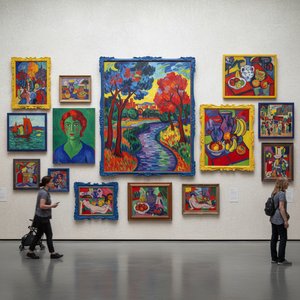
fauve 미술을 정의한 10대 걸작: 강렬한 색채와 혁신적인 표현의 세계
fauve 미술의 심장을 뛰게 하는 10대 걸작! 모리스 드니, 마티스 등 거장의 강렬한 색채와 혁신적인 표현을 만나보세요. 예술 작품 감상부터 인테리어 디자인 영감까지, TopImpressionists.com에서 명품 아트 프린트를 찾아보세요.
테마, 스타일, 특징별로 큐레이션된 작품들을 만나보세요.

