





























작품의 원본 비율을 유지하는 미리 설정된 크기 중에서 선택하세요.

특정 프레임이나 공간에 맞도록 직접 크기를 입력할 수 있습니다. 선택하신 크기가 원본 이미지의 비율과 일치하지 않는 경우, 작품을 자르거나 추가적인 손으로 그린 요소를 사용하여 그림을 확장합니다. 제작 시작 전 승인을 위해 디지털 목업을 보내드립니다.
화면 미리 보기는 실제 자르기 또는 확장을 반영하지 않습니다. 최종 구성은 목업을 통해서만 정확하게 확인하실 수 있습니다.
맞춤 크기 제작도 가능하지만, 원본 비율을 유지하기 위해 사전 정의된 목록에서 크기를 선택하시는 것을 권장합니다.

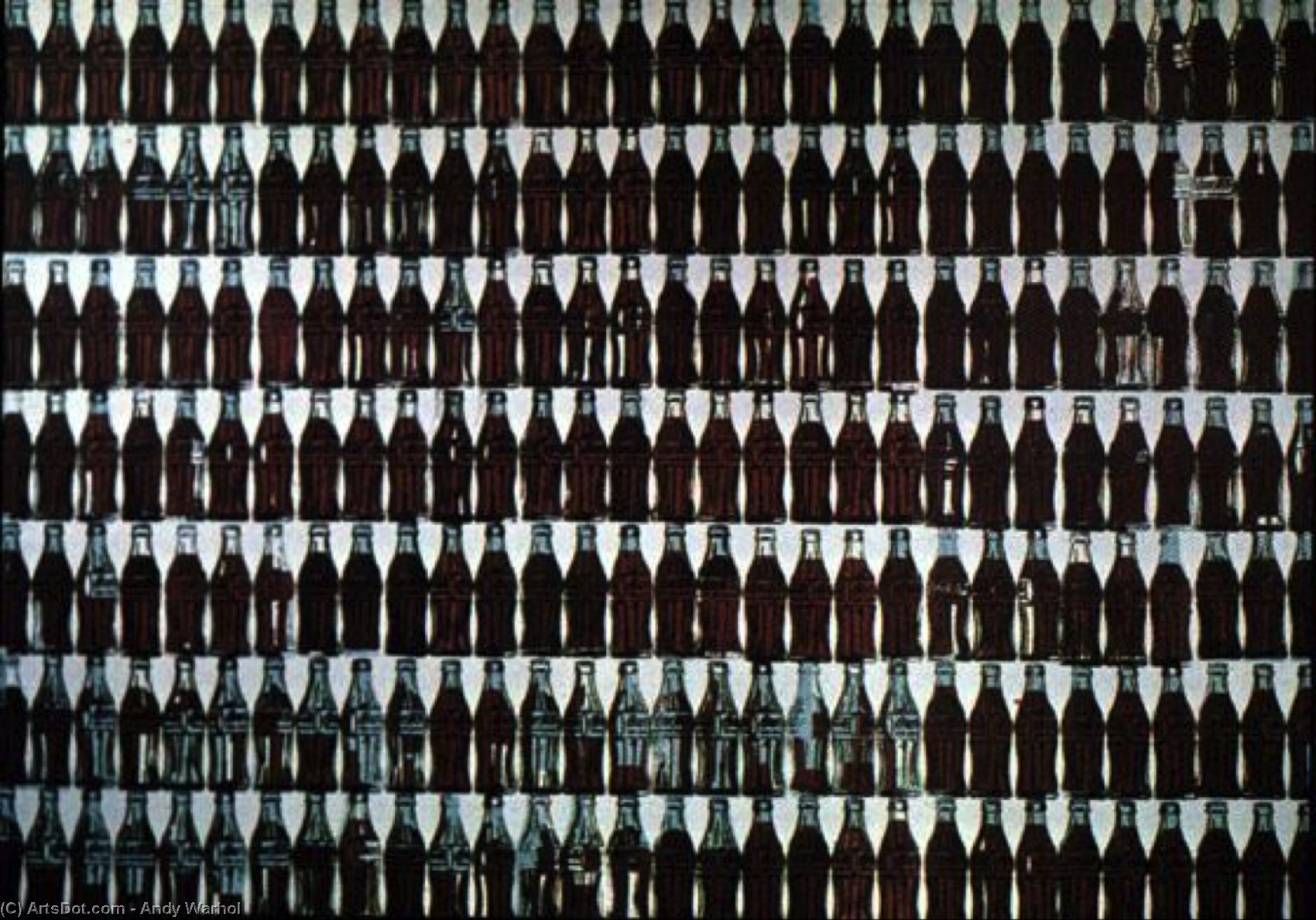
Green Coca-Cola Bottles
복제본 크기
Andy Warhol, arguably the most influential artist of the 20th century, irrevocably altered the landscape of art and celebrity culture with his groundbreaking approach to visual representation. Among his enduring masterpieces, “Green Coca-Cola Bottles” stands as a cornerstone of Pop Art—a movement that deliberately confronted the pervasive influence of consumerism and mass production, challenging traditional artistic conventions.
Created in 1962, this series of silkscreen prints transcends mere depiction; it’s an interrogation of our relationship with everyday objects. Warhol wasn't interested in elevating art to lofty ideals—rather, he sought to democratize the visual experience by elevating commonplace items like Coca-Cola bottles to the status of artistic contemplation.
Warhol’s masterful use of silkscreen printing was revolutionary for its time. Prior to this technique, artists painstakingly layered paint onto canvases, a laborious process that contrasted sharply with Warhol's method—a mechanized reproduction mirroring the industrial scale of production itself. This deliberate simplicity wasn’t accidental; it served as a powerful commentary on the homogenization and standardization inherent in mass culture.
The photograph accompanying this piece showcases Warhol’s signature style—a stark contrast between light and shadow that underscores the artwork's formal qualities. It captures the essence of Pop Art’s aesthetic: cool detachment combined with an undeniable fascination for popular culture.
“Green Coca-Cola Bottles” emerged during a pivotal moment in American history—the burgeoning postwar consumer boom. Warhol's decision to portray these bottles wasn’t simply about aesthetics; it was a deliberate provocation, questioning the value we ascribe to material possessions and advertising’s role in shaping our perceptions.
Warhol famously stated, “What’s grand about this country is that America started the tradition where the richest consumers buy essentially the same thing as the poorest... you can know that the President drinks Coke, Liz Taylor drinks Coke, and, just think, you can drink Coke, too.” This quote encapsulates Warhol's ironic stance—acknowledging the ubiquity of Coca-Cola while simultaneously elevating it to the level of art.
Beyond its formal elements, “Green Coca-Cola Bottles” carries significant symbolic weight. Warhol’s appropriation of a recognizable brand logo represents a broader trend within Pop Art—the embrace of mass culture subjects and the blurring of boundaries between high art and popular entertainment.
Warhol's influence extends far beyond his own artistic output, inspiring subsequent generations of artists to explore similar themes of repetition and standardization. He paved the way for movements like Conceptual Art and Minimalism, demonstrating that profound ideas could be conveyed through seemingly simple visual forms.
As displayed at the Whitney Museum of American Art, “Green Coca-Cola Bottles” exemplifies Warhol's commitment to challenging artistic conventions. The museum’s description highlights the painting’s deliberate asymmetry and subtle variations in color—details that underscore Warhol’s meticulous craftsmanship and his refusal to adhere to traditional aesthetic standards.
Ultimately, Andy Warhol’s “Green Coca-Cola Bottles” remains a seminal work of art history—a testament to his innovative spirit and his enduring legacy as one of the most transformative figures in 20th-century visual culture.

1928 - 1987 , 미국

Explore the profound impact of Pop Art on modern culture. Discover how icons like Warhol and Lichtenstein transformed mass media into masterpieces through bold imagery and consumerist critique in this deep dive into art history.

Elevate your home with our expert guide to Geek-Chic interiors. Discover how to seamlessly integrate sophisticated pop culture art and hand-painted masterpieces into luxury decor for a refined, modern aesthetic.


최신 미술 뉴스, 특별 혜택 및 인테리어 아이디어를 가장 먼저 만나보세요.
프로젝트에 대해 알려주시면 저희 미술 전문가들이 맞춤형 아트 제안 3가지를 전달해 드립니다.
당신만을 위한 맞춤형 옵션 3가지를 무료로 추천해 드립니다!

 미리보기
미리보기
 프린트 구매
 공유하기
공유하기 공유하기
공유하기
 상세 정보
상세 정보

 다운로드
다운로드
 유사 작품
유사 작품 X-레이
X-레이 슬라이드 쇼
 더 보기
더 보기









 유리 옵션은 110cm 미만 크기에서만 선택 가능합니다.


