






























작품의 원본 비율을 유지하는 미리 설정된 크기 중에서 선택하세요.

특정 프레임이나 공간에 맞춰 직접 치수를 입력하실 수 있습니다. 선택하신 사이즈가 원본 이미지의 비율과 일치하지 않을 경우, 작품을 크롭(자르기)하거나 이미지를 대칭 또는 단색 채우기로 확장하여 제작합니다. 제작 시작 전, 최종 확인을 위해 디지털 목업이 전송됩니다.
화면상의 미리보기는 실제 크롭이나 확장 상태를 반영하지 않으므로, 최종 구도는 오직 목업을 통해서만 정확하게 확인하실 수 있습니다.
맞춤 사이즈 제작도 가능하지만, 원본 비율을 유지하기 위해서는 사전 정의된 목록에서 치수를 선택하시는 것을 권장합니다.

untitled (7634)
복제본 크기
Andy Warhol's 'Untitled (7634)' presents a striking, almost unsettling tableau – a solitary figure rendered in an arresting palette of blue and yellow. The painting immediately confronts the viewer with a nakedness that transcends mere physical exposure; it’s a vulnerability projected onto canvas, a deliberate stripping away of identity within a deliberately sterile environment. This work, created by one of the most influential figures of 20th-century art, exemplifies Warhol's fascination with celebrity, mass media, and the very nature of representation. The subject, depicted with an unnervingly serious expression, embodies a quiet contemplation against a backdrop that amplifies his isolation.
Born in Pittsburgh in 1928, Andy Warhol's trajectory was shaped by a unique blend of artistic training and commercial ambition. His early years, marked by illness and introspection, fostered a deep understanding of human emotion – an understanding he would later translate into his iconic silkscreen prints. Warhol’s rise to prominence coincided with the burgeoning Pop Art movement in the 1960s, a reaction against Abstract Expressionism's perceived elitism. Pop Art sought to elevate everyday objects and imagery—advertising, comic books, celebrity photographs—to the status of art, challenging traditional notions of artistic subject matter and value. ‘Untitled (7634)’ perfectly encapsulates this ethos, taking a simple, almost banal scene – a man in blue paint – and transforming it into a potent statement about image and identity.
Warhol's signature technique—silkscreen printing—was crucial to the creation of ‘Untitled (7634)’. This method, borrowed from commercial printing processes, allowed for a remarkably consistent and reproducible image. The blue paint, meticulously applied, creates an almost porcelain-like surface, contrasting sharply with the vibrant yellow background. The deliberate imperfections inherent in the silkscreen process – slight variations in color and texture—add to the work’s unsettling beauty, hinting at the artificiality of representation itself. This technique wasn't simply a method of production; it was integral to Warhol’s exploration of repetition and mass production, themes that would dominate his oeuvre.
The stark contrast between the blue figure and the yellow background immediately evokes feelings of isolation and detachment. Blue has long been associated with melancholy, introspection, and spirituality, while yellow represents optimism, energy, and sometimes, warning. The combination creates a tension – a visual representation of internal conflict or perhaps a commentary on the superficiality of modern life. The man’s expression, deliberately neutral, invites viewers to project their own emotions onto the image, making it a deeply personal experience. This ambiguity is central to Warhol's work; he rarely offered explicit interpretations, preferring to let his images speak for themselves.

1928 - 1987 , 미국

Explore the revolutionary art of Andy Warhol & the Pop Art movement. Discover his iconic techniques, cultural impact, and investment potential. A guide for discerning collectors.

Transform your fandom into stunning art! Our guide covers commissioning custom pop culture paintings – from artist selection & copyright to care tips. Get expert advice and create a unique masterpiece today!

팝아트의 심장을 뛰게 한 10대 명작을 만나보세요! 안드로이 쇼팽, 앤디 워홀 등 거장의 작품 세계를 깊이 있게 탐구하고, 예술적 영감을 얻으세요. 와후아트에서 최고급 미술품 복제와 인테리어 아이디어를 지금 바로 확인하세요.

앤디 워홀 최고작 25선을 만나보세요. 팝아트 거장의 캠벨 수프캔, 마릴린 먼로 작품의 숨겨진 이야기와 예술적 의미를 탐구합니다. TopImpressionists에서 명화 복제본과 특별한 인테리어 액자를 감상하고 소장하세요. 지금 바로 컬렉션을 확인하세요!
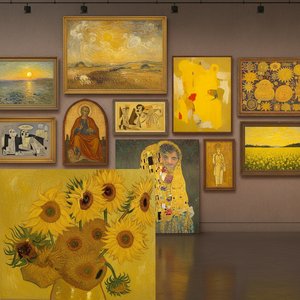
Immerse yourself in golden light! Explore 10 famous paintings dominated by 'Chrome Yellow', from Van Gogh’s Sunflowers to Monet's Haystacks. Discover the stories behind these iconic Impressionist & Post-Impressionist masterpieces and find museum-quality art reproductions at TopImpressionists.com.


최신 미술 뉴스, 특별 혜택 및 인테리어 아이디어를 가장 먼저 만나보세요.
프로젝트에 대해 알려주시면 저희 미술 전문가들이 맞춤형 아트 제안 3가지를 전달해 드립니다.
당신만을 위한 맞춤형 옵션 3가지를 무료로 추천해 드립니다!

 작품 구매하기
 공유하기
공유하기 공유하기
공유하기
 상세 정보
상세 정보

 다운로드
다운로드
 유사 작품
유사 작품 X-레이
X-레이 슬라이드 쇼

 더 보기
더 보기









 유리 옵션은 110cm 미만 크기에서만 선택 가능합니다.


