
 Installation ArtInstallationContemporary Installation
 Contemporary
 110.0 x 110.0 cm
 광주비엔날레
원하는 크기와 액자로 주문 제작되는, 작가들이 직접 캔버스에 손으로 그린 유화 작품입니다. ( 프린트 주문으로 전환 이미지로 전환)
작품의 원본 비율을 유지하는 미리 설정된 크기 중에서 선택하세요.

특정 프레임이나 공간에 맞도록 직접 크기를 입력할 수 있습니다. 선택하신 크기가 원본 이미지의 비율과 일치하지 않는 경우, 작품을 자르거나 추가적인 손으로 그린 요소를 사용하여 그림을 확장합니다. 제작 시작 전 승인을 위해 디지털 목업을 보내드립니다.
화면 미리 보기는 실제 자르기 또는 확장을 반영하지 않습니다. 최종 구성은 목업을 통해서만 정확하게 확인하실 수 있습니다.
맞춤 크기 제작도 가능하지만, 원본 비율을 유지하기 위해 사전 정의된 목록에서 크기를 선택하시는 것을 권장합니다.

Ango
복제본 크기
In the realm of contemporary installation art, few pieces command the room with such quiet, luminous authority as Ango. This striking work transcends the boundaries between functional design and fine art, presenting a mesmerizing spectacle of suspended spheres that seem to float like celestial bodies within an earthly gallery. At first glance, the viewer is drawn into a world of warmth and texture, where the boundary between the man-made and the natural begins to dissolve. The installation features large, spherical light fixtures, each meticulously constructed from a dense, intricate mosaic of small wooden elements. These tightly packed components create a voluminous, tactile surface that catches the light in a rhythmic dance of shadow and brilliance, transforming simple timber into something ethereal and weightless.
The artistry of Ango lies in its profound connection to the organic world. Drawing inspiration from the patterns found in nature, the piece embodies a philosophy of sustainable beauty and harmonious ecology. The technique employed here is a masterclass in texture; the way the light is refracted through the gaps in the wooden structure produces a subtle spectrum of shifting tones, much like sunlight filtering through a forest canopy. This interplay of light and shadow does more than just illuminate a space—it breathes life into it. For the discerning collector or interior designer, this piece offers a transformative element that can anchor a room, providing a focal point that is both intellectually stimulating and visually soothing.
Beyond its visual splendor, Ango serves as a testament to the marriage of traditional hand-crafted skill and modern technical innovation. The structural integrity of the spheres relies on a precise arrangement of materials that demands immense patience and precision, echoing the meticulousness found in historical craftsmanship while embracing a contemporary aesthetic. The warm, golden glow emanating from within each fixture creates an atmosphere of profound tranquility and contemplation. It is an illumination that does not merely light a dark corner but rather invites the observer to pause, breathe, and reflect on the delicate balance between structure and void.
For those looking to curate a space of sophistication and wonder, this installation offers an unparalleled emotional impact. It evokes a sense of nostalgia for the natural world while firmly planting its feet in the avant-garde. Whether placed in a minimalist modern loft or a grand architectural hall, Ango acts as an emblem of sustainable consumption and artistic integrity. To possess a reproduction of such a piece is to bring a fragment of this luminous, organic harmony into one's own environment, turning any interior into a sanctuary of light and thoughtful design.
In the grand, sweeping tapestry of art history, certain figures emerge through vibrant brushstrokes, while others linger in the soft, sepia tones of the periphery. Angus McGill Mowat, occasionally known by the name Angus Hutcheson, belongs to that evocative second category—a man whose true impact was felt not necessarily through a prolific gallery of canvases, but through his profound dedication to the preservation of human thought. Born in the quiet Irish enclave of Dromalogue around 1694, Mowat’s life journey was one of intellectual stewardship. While he may not have commanded the spotlight of the great European academies, his spirit was deeply intertwined with the cultural and scholarly currents of his era, acting as a bridge between the classical traditions of his Irish roots and the burgeoning frontiers of Canadian society.
To understand Mowat is to understand the Enlightenment—a period defined by an unquenchable thirst for reason, observation, and the systematic collection of knowledge. Though his primary vocation was that of a librarian, his life’s work mirrored the aesthetic and intellectual rigor of the great thinkers of the eighteenth century. His career trajectory took him across the Canadian landscape, leading him to pivotal roles in libraries within Trenton, Belleville, Windsor, and Saskatoon. In these roles, he was more than a mere custodian of books; he was a pioneer of literacy, championing advancements in library systems that prioritized accessibility for all. His work ensured that the seeds of intellectual curiosity could take root in developing communities, fostering an environment where art, science, and literature could eventually flourish.
While historical records lack a definitive catalog of Mowat’s artistic output, the essence of his contribution lies in the subtle intersection of scholarly pursuit and visual appreciation. It is widely speculated by historians that Mowat possessed a deep-seated reverence for the visual arts, an appreciation likely shaped by the cultural milieu of the 18th century. The era's emphasis on meticulous detail and the beauty of the natural world would have resonated with a man dedicated to the precision of archival work. There is a poetic symmetry in his life: as he organized the written word, he was simultaneously part of a movement that valued the observation of the world through both the eye and the intellect.
The traces of his influence are found in the following areas of cultural impact:
Ultimately, the legacy of Angus McGill Mowat is one of quiet, foundational strength. He represents the essential, often unseen support system of the arts—the curators, the librarians, and the scholars who ensure that when an artist creates a masterpiece, there is a culture prepared to receive, study, and cherish it. His life reminds us that the preservation of knowledge is, in itself, a profound act of creation.

1694 - 1746 , Ireland
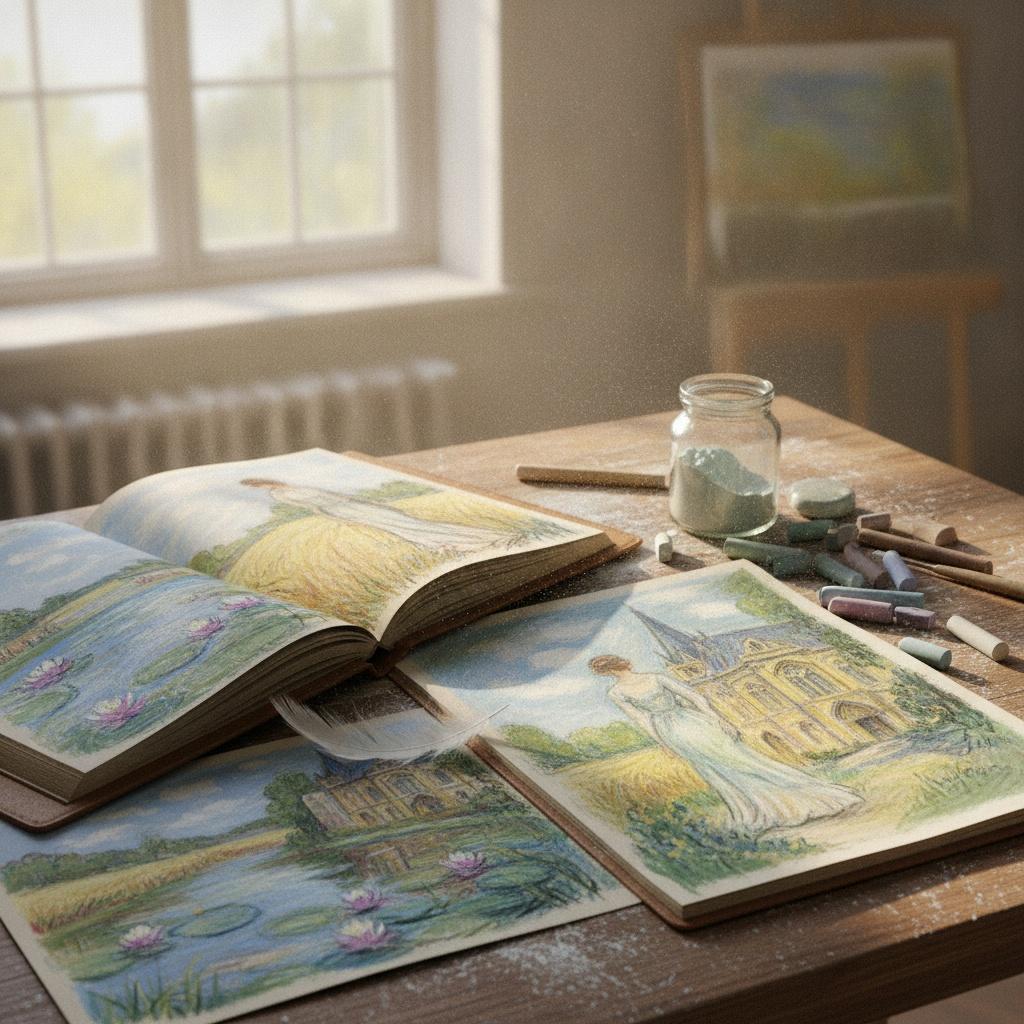
Discover the ethereal beauty of pastel and chalk art. Explore how Impressionist masters like Van Gogh and Degas captured light and texture to create timeless, soulful masterpieces for the discerning collector.

Discover the sensory beauty of Impressionist texture. Learn how impasto brushstrokes and plaster art bring depth and light to your home with museum-quality, hand-painted reproductions from TopImpressionists.com.


최신 미술 뉴스, 특별 혜택 및 인테리어 아이디어를 가장 먼저 만나보세요.
프로젝트에 대해 알려주시면 저희 미술 전문가들이 맞춤형 아트 제안 3가지를 전달해 드립니다.
당신만을 위한 맞춤형 옵션 3가지를 무료로 추천해 드립니다!


 공유하기
공유하기 공유하기
공유하기
 상세 정보
상세 정보

 다운로드
다운로드
 유사 작품
유사 작품 슬라이드 쇼
 더 보기
더 보기






































 유리 옵션은 110cm 미만 크기에서만 선택 가능합니다.


