


 실제 크기로 보기
 보내기
보내기 공유하기
공유하기
 상세 보기
상세 보기 가이드 보기

 이미지 다운로드
 유사 작품 더 보기
 X-레이
X-레이 슬라이드 쇼 보기
 통계 정보
통계 정보Self-Portrait
 Acrylic On Canvas
- WallArt
- Atonal Expressionism
 1922
1922- 19th Century
 9.0 x 10.0 cm
 Arnold Schönberg Center
A striking black and yellow self-portrait drawing by Arnold Schoenberg, a pivotal figure of the early 20th century's musical avant-garde, captures the artist’s intense gaze with a distinctive mustache. Discover this unique piece and add it to your collection.
 상세 보기
상세 보기
아놀드 쇤베르크의 혁신적인 음악을 탐험해 보세요 – 무조성, 12음 기법 및 20세기 작곡가들에게 미친 영향. 쇤베르크 센터에서 그의 유산을 만나보세요.
핸드메이드 유화 복제화
작가가 직접 캔버스에 손으로 그린 유화 작품으로, 원하는 크기와 액자로 맞춤 제작해 드립니다. ( 프린트 판매로 전환 디지털 이미지 판매 채널로 전환)




P118B ₩10

P118H ₩10

P118W ₩10

P438Z ₩10

P508JH ₩12

P508YH ₩12

P805H ₩10

P805Z ₩10

P919BZ ₩10

P919G ₩10

P919XJ ₩10

P959ZH ₩10

P968JZ ₩12

W106C ₩8

W218G ₩10

W218JH ₩8

W218Y ₩10

W307PJ ₩10

W316G ₩10

W316PJ ₩8

W316Y ₩10

W398PJ ₩8

W4111J ₩10

W500HY ₩15

W500JH ₩15

W692G ₩12

W849H ₩8

W940BG ₩15

W953PJ ₩8




표준 규격
맞춤 제작
CM
INCH
작품의 원본 비율을 그대로 유지하는 프리셋 사이즈 중에서 선택해 보세요.
Loading sizes...

가로 너비
높이
특정 프레임이나 공간에 맞춰 원하는 크기를 직접 입력하실 수 있습니다. 선택하신 크기가 원본 이미지의 비율과 일치하지 않을 경우, 작품을 자르거나 추가적인 수작업 요소를 더해 그림을 확장하여 제작합니다. 제작 시작 전, 최종 확인을 위해 디지털 목업을 보내드립니다.
화면상의 미리 보기는 실제 크롭(자르기)이나 확장된 상태를 완벽히 반영하지 않을 수 있습니다. 최종 구도는 오직 목업을 통해서만 정확하게 확인하실 수 있습니다.
맞춤 크기 제작도 가능하지만, 원본의 비율을 그대로 유지하기 위해서는 미리 정의된 목록에서 크기를 선택하시는 것을 권장합니다.
변경 가능한 예시: 얼굴을 고객님의 사진으로 교체, 반려동물 추가(예: 고양이를 강아지로 변경), 배경에 숨겨진 메시지 삽입, 배경 풍경 또는 요소 변경 등
주문 완료 후 TopImpressionists.com 팀에서 상세 안내를 위해 고객님께 이메일을 보내드리며, 미리보기 시안을 함께 제공해 드립니다.
주문 완료 후 TopImpressionists.com 팀에서 상세 안내를 위해 고객님께 이메일을 보내드리며, 미리보기 시안을 함께 제공해 드립니다.


 유리 옵션은 110cm 미만 크기에서만 선택 가능합니다.

Self-Portrait
재현 매체
복제본 규격
-


총 결제 금액
₩ 360998
A Study in Yellow and Green: Arnold Schoenberg's Self-Portrait (1922)
This intimate drawing, measuring just 9 x 10 cm, offers an arresting glimpse into the mind of one of the 20th century’s most revolutionary composers – Arnold Schoenberg. Executed in 1922, a pivotal year in his artistic development, the work transcends a simple portrait; it's a concentrated distillation of intellectual intensity and perhaps, a subtle self-examination rendered with remarkable precision. The stark palette of yellow and green immediately draws the viewer in, colors that would become increasingly significant within Schoenberg’s musical explorations of atonality and dissonance.
- Subject & Composition: The central focus is undeniably the artist himself – a man with a neatly trimmed mustache, his gaze direct and unwavering. The simplified rendering emphasizes key features: the piercing green eyes, a hallmark of Schoenberg’s artistic vision, and the strong jawline hinting at an unyielding intellect.
- Technique & Materials: Crafted in black and yellow tones, the drawing utilizes a technique that suggests both meticulous observation and a deliberate departure from representational realism. The use of shading creates depth and volume, while the limited color palette contributes to a sense of austerity and focused contemplation.
The Second Viennese School & Atonality
To fully appreciate this self-portrait, it’s crucial to understand Schoenberg's place within the artistic landscape of early 20th-century Vienna. He was at the heart of the “Second Viennese School,” a group of composers – including Alban Berg and Anton Webern – who radically challenged traditional harmonic structures. Schoenberg pioneered atonality, rejecting the established rules of key signatures and chord progressions, believing that music should be free from conventional constraints. This drawing can be seen as a visual manifestation of this intellectual shift; the deliberate use of color and simplified form reflects a desire to break away from established artistic conventions.
The year 1922 was particularly significant for Schoenberg, marking a period of intense experimentation with serialism – a compositional technique based on mathematical series that further explored the possibilities of atonality. This self-portrait isn’t merely a likeness; it's a visual echo of his groundbreaking musical ideas.
Symbolic Resonance & Emotional Impact
While seemingly straightforward, the drawing possesses a subtle emotional depth. The intense gaze suggests introspection and perhaps a sense of isolation – feelings that likely accompanied Schoenberg as he navigated the turbulent waters of artistic innovation. The yellow and green hues, often associated with envy and growth respectively, could symbolize his ambition and relentless pursuit of new musical frontiers. The starkness of the image evokes a feeling of quiet contemplation, inviting the viewer to engage in their own thoughts about creativity, genius, and the challenges of pushing boundaries.
A Collector’s Piece – Reproduction & Legacy
This hand-painted reproduction captures not only the visual details of Schoenberg's self-portrait but also the spirit of a revolutionary artist. Each reproduction is meticulously crafted by skilled artisans, ensuring an authentic representation of this significant work. Perfect for interior design projects seeking a touch of intellectual sophistication or as a unique addition to any art collection, this piece offers a tangible connection to one of music’s most influential figures. Its small size makes it ideal for display in intimate settings, while its powerful imagery ensures that it will remain a captivating subject of contemplation for years to come.
질의응답
아르놀트 쇤베르크의 "Self-Portrait"의 저작권 상태는 어떻게 설명되나요?
아르놀트 쇤베르크의 "Self-Portrait"은(는) 퍼블릭 도메인 - 저작권 보호 기간이 만료되었습니다 상태입니다. 저작권 보호 기간은 작가가 사망한 1951년부터 기산됩니다.
원작 "Self-Portrait"의 크기는 어떻게 되나요?
"Self-Portrait"의 원작 크기는 9 x 10 cm입니다. 원작의 규격은 복제본(reproduction) 사이즈를 선택할 때 유용한 참고 자료가 됩니다.
아르놀트 쇤베르크의 "Self-Portrait"은(는) Atonal Expressionism 내에서 어떤 분위기를 자아내나요?
Atonal Expressionism 사조 안에서, "Self-Portrait"은(는) Reflective한 어조로 기록되어 있습니다.
아르놀트 쇤베르크의 "Self-Portrait"의 색채 강도는 어느 정도인가요?
"Self-Portrait"의 색채 강도는 Vivid입니다. 강도는 색상이 얼마나 선명하게 보이는지를 나타냅니다.
아르놀트 쇤베르크의 "Self-Portrait"은 밝은 분위기의 작품인가요, 아니면 어두운 분위기의 작품인가요?
아르놀트 쇤베르크의 "Self-Portrait"의 밝기는 brilliant로 기록되었으며, 휘도는 Luminous입니다.
"Self-Portrait"의 뒤에 숨겨진 예술가와 화풍은 무엇인가요?
"Self-Portrait"은(는) Atonal Expressionism 양식으로 아르놀트 쇤베르크가 제작하였습니다. 작가와 미술 사조는 해당 작품의 전통을 나타냅니다.
아르놀트 쇤베르크의 "Self-Portrait"의 복제본은 어디에 걸면 좋을까요?
아르놀트 쇤베르크의 "Self-Portrait"의 작품 형태(Square)와 추천 공간(Living Room)은 이 작품에 기록된 두 가지 배치 정보입니다.
아르놀트 쇤베르크의 "Self-Portrait"에는 어떤 소재가 등장하나요?
"Self-Portrait"의 소재는 self-portrait, arnold schoenberg, musical artist, early 20th century, atonality, vienna school, yellow drawing입니다.
작가 소개
초기 생애와 음악적 여정의 시작
아르놀트 쇤베르크는 1874년 9월 13일 오스트리아 빈에서 태어난 오스트리아계 미국인 작곡가입니다. 그의 어린 시절은 구두점방을 운영하던 아버지 밑에서 보낸 소박한 환경으로 기억됩니다. 그러나 이러한 배경에도 불구하고, 음악을 향한 쇤베르크의 타고난 열정은 그를 독학의 길로 이끌었으며, 스스로 음악적 깊이를 쌓아 올리게 하는 원동력이 되었습니다.음악적 진화와 주요 작품들
쇤베르크의 초기 작품인 정화된 밤 (1899)은 브람스와 바그너의 양식이 조화롭게 어우러진 정수를 보여주었습니다. 음악적 여정이 깊어짐에 따라 그는 안톤 베베른, 알반 베르크와 함께 제2 빈 악파의 중심 인물로 우뚝 섰습니다. 현string quartet no. 2 (1907–1908), 기대 (1909), 그리고 피에로 루나르 (1912)를 포함한 그의 작품들은 무조성 음악을 향한 그의 혁신적인 접근 방식을 극명하게 보여줍니다.교육과 이민, 그리고 말년의 삶
1933년 나치의 집권으로 인해 자신의 음악이 '퇴폐적'이라는 낙인이 찍히자, 쇤베르크는 프로이센 예술 아카데미를 사임해야 했습니다. 이후 그는 미국으로 건너가 UCLA(캘리포니아 대학교 로스앤젤레스) 등에서 후학을 양성하였으며, 오늘날 그를 기리는 시설들이 그의 이름을 따서 명명되어 있습니다. [https://TopImpressionists.com/@/arnold-sconenberg](TopImpressionists에서 쇤베르크의 삶과 작품에 대해 더 자세히 알아보세요).- 쇤베르크는 영화 음악을 탐구하며 보다 조성적인 음악을 작곡하기도 했으며, 1939년에는 두 번째 실내 교향곡을 완성했습니다.
- 그는 바이런의 영향을 받아 나폴레옹에게 바치는 송가 (1942)를 통해 파시스트 독재자들을 풍자했습니다.
- 전후 빈은 그에게 명예 시민권을 수여했으나, 그는 현 삼중주 (1946)에 묘사된 것처럼 병환 중에 있었습니다.
유산과 영향력
홀로코스트의 비극이 세상에 알려지면서, 쇤베르크는 바르샤바의 생존자 (1947)를 통해 희생자들을 추모했습니다. 1951년에는 이스라엘 음악원 및 아카데미에서 명예 총장으로 선출되기도 했습니다. [https://TopImpressionists.com/@@/a@d3bqc7-the-museum-destroyed-by-fire-(united-states)](TopImpressionists에서 그의 작품이 남긴 영향력을 더 깊이 탐구해 보세요). 핵심 요약: * 쇤베르크의 혁신적인 음악은 20세기 클래식 음악 중 가장 영향력 있고 논쟁적인 위치를 차지합니다. * 최소 세 세대에 걸친 작곡가들이 그의 다소 형식적인 원칙들을 계승하고 발전시켰습니다. * 그의 미학적, 음악사적 관점은 음악학자인 테오도르 아도르노와 카를 달하우스에게 깊은 영향을 주었습니다. [https://TopImpressionists.com/@@/a@d3cl2x--a-journey-through-art-history-with-TopImpressionists-s-extensive-collection-](12세기부터 20세기에 이르는 TopImpressionists의 방대한 예술 컬렉션을 탐험해 보세요).
아르놀트 쇤베르크
1874 - 1951 , 오스트리아
작가 정보 요약
- Artistic Movement Or Style: 12음 기법; 표현주의
- Artists Or Movements Influenced By This Artist:
- 안톤 베베른
- 알반 베르크
- Artists Who Influenced This Artist:
- 요하네스 브람스
- 리하르트 바그너
- Date Of Birth: 1874년 9월 13일
- Date Of Death: 1951년
- Full Name: 아놀드 쇤베르크
- Nationality: 오스트리아계 미국인
- Notable Artworks:
- 모음곡, Op. 29
- 음악 타자기
- 스태프라이너
- Place Of Birth: 오스트리아 빈
관련 기사

Dark Masterpieces: 10 Iconic Paintings Dominated by Black Tones |
Explore 10 iconic paintings dominated by black tones, from Rembrandt’s chiaroscuro to Goya's dark expressions. Discover the stories behind these masterpieces & find museum-quality art reproductions for your home at .
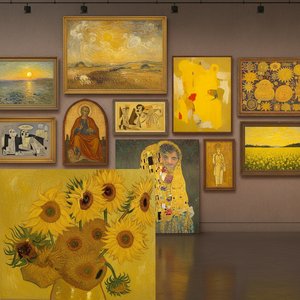
Golden Hues: 10 Masterpieces Dominated by Chrome Yellow | TopImpressionists
Immerse yourself in golden light! Explore 10 famous paintings dominated by 'Chrome Yellow', from Van Gogh’s Sunflowers to Monet's Haystacks. Discover the stories behind these iconic Impressionist & Post-Impressionist masterpieces and find museum-quality art reproductions at TopImpressionists.com.

Echoes of Time: Exploring the Enduring Appeal & Historical Context of Vintage Art Prints
Explore the captivating world of vintage art prints! Discover their history, collecting tips & enduring appeal. Expert insights on chromolithography and building a legacy collection with TopImpressionists.

Giclée Prints: Archival Quality & Aesthetic Nuances for the Discerning Collector
Explore the world of giclée prints with TopImpressionists. Learn about archival quality, aesthetic nuances & investment potential. Expert guidance for discerning art collectors seeking museum-quality reproductions and lasting value.

The Enduring Legacy of Fine Art Prints: Technique, History & Aesthetic Impact
Explore the rich history & techniques of fine art prints. Discover investment potential, assess authenticity, and learn how to preserve your collection with expert guidance. Trusted insights for discerning collectors.
테마, 스타일, 특징별로 큐레이션된 작품들을 만나보세요.


