


 실제 크기로 보기
 보내기
보내기 공유하기
공유하기
 상세 보기
상세 보기 가이드 보기

 이미지 다운로드
 유사 작품 더 보기
 X-레이
X-레이 슬라이드 쇼 보기
 통계 정보
통계 정보Sandridge
 Oil On Canvas
- WallArt
- Australian Impressionism
 1888
1888- 19th Century
 233.0 x 128.0 cm
 호주 국립 미술관
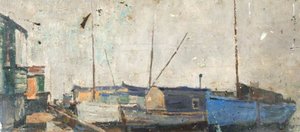
A dramatic harbor scene capturing the chaos of a sinking boat in Arthur Streeton's 1888 masterpiece Sandridge, showcasing Australian Impressionism and inviting you to explore this iconic piece for your collection.
 상세 보기
상세 보기
호주 인상주의 및 하이델베르크 학파의 핵심 화가 아서 스트리튼(1867-1943)을 만나보세요. 황금빛 풍경, 야외 제작(plein air) 스타일, 호주 미술사에서 그의 결정적인 역할을 탐구하고 작품과 전기 정보를 확인하세요.
지클레 / 아트 프린트
빠른 제작과 다양한 마감 옵션을 선택할 수 있는 박물관 수준의 지클레이 및 캔버스 프린트. ( 수작업 채색 복제본 주문하기 디지털 이미지 판매 채널로 전환)




P118B ₩10

P118H ₩10

P118W ₩10

P438Z ₩10

P508JH ₩12

P508YH ₩12

P805H ₩10

P805Z ₩10

P919BZ ₩10

P919G ₩10

P919XJ ₩10

P959ZH ₩10

P968JZ ₩12

W106C ₩8

W218G ₩10

W218JH ₩8

W218Y ₩10

W307PJ ₩10

W316G ₩10

W316PJ ₩8

W316Y ₩10

W398PJ ₩8

W4111J ₩10

W500HY ₩15

W500JH ₩15

W692G ₩12

W849H ₩8

W940BG ₩15

W953PJ ₩8




표준 규격
맞춤 제작
CM
INCH
작품의 원본 비율을 그대로 유지하는 프리셋 사이즈 중에서 선택해 보세요.
Loading sizes...

가로 너비
높이
액자나 벽면 크기에 맞춰 필요한 가로와 세로 길이를 입력해 주세요. 프린트는 원본 이미지보다 크게 제작할 수 없으며 오직 자르는 것만 가능하므로, 비율이 다른 사이즈를 선택할 경우 이미지의 일부가 잘려 나갈 수 있습니다. 인쇄 작업에 들어가기 전, 최종 확인을 위해 디지털 목업을 보내드립니다. 이 페이지에 표시된 이미지는 실제 잘리는 영역을 나타내지 않으며, 오직 목업을 통해서만 정확한 확인이 가능합니다.


 유리 옵션은 110cm 미만 크기에서만 선택 가능합니다.

Sandridge
지클레 / 아트 프린트
복제본 규격
-


총 결제 금액
₩ 94169
A Moment Frozen in Time: The Drama of Sandridge
In the vast expanse of Australian Impressionism, few works capture the raw, unscripted tension of maritime life as poignantly as Arthur Streeton’s Sandridge. Painted in 1888, this monumental oil on canvas serves as a window into a bustling, high-stakes moment within a busy harbor. At first glance, the viewer is drawn into a scene of profound movement and uncertainty; the central focus is a vessel caught in a state of distress, appearing to sink or having just succumbed to the elements. This focal point acts as the emotional anchor of the composition, pulling the eye toward the center of a swirling maritime drama where the calm of the water meets the sudden chaos of an emergency.
Streeton, a pioneer of the Heidelberg School, was a master at capturing what his contemporaries called the "Australian Light." In Sandridge, he utilizes this expertise to paint not just a scene, and not just a location, but an atmosphere. The light dances across the hulls of various boats—ranging from large, dominating vessels to smaller, more agile craft—creating a sense of depth and shimmering heat. Through his brushwork, one can almost feel the humidity of the harbor and the frantic energy of the at least twelve figures scattered throughout the scene. Some onlookers stand in stunned proximity to the sinking boat, while others are mere silhouettes against the horizon, their presence adding to the collective weight of the unfolding tragedy.
Technique and the Impressionist Spirit
The technical execution of Sandridge is a testament to Streeton’s ability to blend large-scale composition with delicate, impressionistic touches. The sheer scale of the work, measuring an impressive 233 x 128 cm, allows the viewer to become immersed in the harbor's geography. Streeton employs a palette that reflects the gritty yet luminous reality of a working port. His use of oil on canvas provides a rich texture that gives weight to the wooden hulls and life to the churning water. The way he manages the interplay between light and shadow is crucial; it is through these subtle shifts in tone that the sense of "chaos" is communicated without relying on overt, messy strokes.
For the discerning collector or interior designer, this piece offers a sophisticated balance of narrative intensity and aesthetic harmony. The painting does not merely depict a disaster; it captures the structural beauty of a maritime landscape. The composition guides the eye through a rhythmic arrangement of masts, sails, and figures, making it a powerful statement piece for any grand space. It possesses that rare quality in fine art: the ability to command attention through its historical gravity while simultaneously complementing a modern or classical interior with its masterful use of color and light.
A Legacy of Australian Identity
To understand Sandridge is to understand the birth of a national artistic identity. During the late 19th century, Streeton and his peers were moving away from European traditions to find a way to paint the unique, harsh, yet beautiful Australian landscape. While much of his work focuses on the golden hues of the bush, Sandridge explores the industrial and social heartbeat of the coast. The painting symbolizes the vulnerability of human endeavor when faced with the unpredictable forces of nature, a theme that resonates deeply across generations.
Owning a high-quality reproduction of this masterpiece allows one to bring a piece of Australian history into the contemporary home. It is more than a decoration; it is an invitation to contemplate the fleeting nature of stability and the enduring strength of human observation. Whether placed in a library, a formal dining room, or a curated gallery space, Sandridge serves as a profound conversation starter, embodying the spirit of an era defined by discovery, struggle, and the breathtaking beauty of the Australian light.
질의응답
"Sandridge"의 색상들이 서로 어떻게 조화를 이루고 있나요?
"Sandridge"의 색채 조화는 Balanced Harmony로 기록되어 있습니다.
"Sandridge"에 대한 가이드는 어디에서 확인할 수 있나요?
아서 스트리튼의 "Sandridge"의 가이드 페이지에서는 인쇄 가능한 두 장 분량의 학습용 팩트시트를 제공합니다. 여기에는 작품과 작품 정보표, 작가의 생애 속 시기를 보여주는 연대기, 해당 작가의 다른 작품들, 측정된 컬러 팔레트, 그리고 네 가지 스타일로 바로 복사하여 사용할 수 있는 인용 문구가 포함되어 있습니다.
"Sandridge"은(는) 어떤 분위기를 담고 있나요?
아서 스트리튼의 "Sandridge"의 전반적인 분위기는 Dramatic입니다. 이 분위기는 작품의 전반적인 공기를 설명합니다.



작가 소개
호주의 빛을 개척한 선구자: 아서 스트리튼의 삶과 예술
동시대 사람들에게 “스마이크(Smike)”라는 애칭으로 불렸던 아서 어네스트 스트리튼은 호주 미술사에서 기념비적인 인물로 자리 잡고 있습니다. 1867년 4월 8일 빅토리아주 마운트 두니드에서 태어난 그의 삶은 풍경화를 통해 자신만의 목소리를 찾아가던 한 국가의 진화하는 정체성과 불가분하게 연결되어 있었습니다. 호주로 향하던 항해 중에 만난 영국인 이주민 부부 사이에서 평범하게 태어난 그는, 1882년부터 1887년까지 멜버른 국립 미술 학교에서의 수학을 통해 예술적 여정을 시작했습니다. 이 시기는 단순히 기술을 연마하는 과정이 아니라, 유럽에서는 결코 볼 수 없었던 호주 부시(bush) 특유의 빛과 대기의 질감을 포착하는 방법을 찾아가는 탐구의 시간이었습니다. 그는 정규 교육 외에도 석판화사로서의 수습 과정을 거치며 구도와 명암에 대한 깊은 이해를 쌓았고, 이는 훗날 호주 인상주의와 하이델버그 학파를 정의하는 밑거름이 되었습니다.하이델버그 학파와 이글몬트 캠프
스트리튼의 예술적 성숙은 진정한 호주적 스타일을 구축하고자 했던 예술가 집단, 하이델버그 학파의 부흥과 궤를 같이합니다. 톰 로버츠, 프레데릭 맥커빈과의 우정은 결정적인 역할을 했으며, 이들은 자연에서 직접 풍경을 그려내기 위해 야외 제작 방식인 플레네르(plein air) 화법을 실천하며 함께 전기를 돌았습니다. 프랑스 인상주의에서 영감을 받았으나 호주라는 독특한 맥락에 맞게 변형된 이 야외 작업 방식은 그들 작품의 상징이 되었습니다. 1888년 설립된 이글몬트 캠프는 그의 예술 인생에 전환점이 되었습니다. 멜버른 외곽의 농가에서 동료 예술가들과 함께 생활하며 스트리튼은 강렬한 창작의 시기를 맞이했습니다. 이곳에서 그는 황금빛 여름, 이글몬트(Golden Summer, Eaglemont)(1889)와 시냇물은 여전히 흐르고, 영원히 흐르리라(Still glides the stream, and shall for ever glide)(1890)와 같은 상징적인 걸작들을 탄생시켰습니다. 그의 그림은 단순한 풍경의 묘사를 넘어, 황금빛 들판 위로 아른거리는 아지랑이와 여름 오후의 정적 등 특정한 감정을 불러일으키는 매개체였습니다. 이 캠프는 실험과 격려가 공존하는 환경을 조성하며 하이델버그 학파가 호주 미술계의 주역으로 자리매김하게 했으며, 1889년 기존의 예술적 규범에 도전했던 파격적인 “9 x 5 인상주의 전시회”로 그 정점을 찍었습니다.인정의 갈구와 귀환
더 넓은 세상에서 인정받고자 하는 야망을 품고, 스트리튼은 1897년 폴리네시엔호를 타고 런던으로 향했습니다. 1900년 로열 아카데리에 작품이 전시되는 등 어느 정도 성과를 거두기도 했으나, 호주에서 누렸던 명성을 유럽에서 재현하기란 쉽지 않았습니다. 당시 유럽 미술계는 매우 치열하고 경쟁적이었으며, 그의 지극히 호주적인 시각은 기존의 확립된 취향과 항상 맞닿아 있지는 않았기 때문입니다. 그럼에도 그는 멈추지 않고 베네치아, 라비아 궁전(Palazzo Labia, Venice)(1908)와 같은 베네치아 풍경을 탐구하며 새로운 주제를 모색했습니다. 비록 시선은 변했을지라도 빛과 색채에 대한 그의 특유의 섬세함은 그대로 유지되었습니다. 제1차 세계 대전이 발발하자 그는 왕립 육군 의료단에서 의무병으로 복무하며 예술가로서 기여하고자 노력했고, 1918년에는 공식 전쟁 화가로 활동하게 되었습니다. 전쟁 중 그린 작품들은 서부 전선의 참상을 기록하면서도, 자연 세계에 대한 그의 영원한 매료를 반영하듯 풍경 그 자체에 집중하는 경향을 보였습니다. 결국 그는 1인자로 추앙받으며 1923년 호주로 돌아왔고, 1937년에는 예술적 공헌을 인정받아 기사 작위를 수여받았습니다.유산과 영원한 영향력
아서 스트리튼의 유산은 개별 작품의 경계를 훨씬 넘어 확장됩니다. 그는 호주 대륙의 아름다움과 광활함을 찬양하는, 독창적인 호주적 예술 정체성을 확립하는 데 결정적인 역할을 수행했습니다. 그의 작업은 호주인들이 스스로와 자신들의 땅을 바라보는 방식을 정의하는 데 일조했습니다. 호주의 빛과 대기를 포착해낸 그의 능력은 그 뒤를 이은 수많은 풍경화가들에게 영감을 주며 세대를 거쳐 이어지고 있습니다. 또한 그는 다작을 남긴 작가이자 비평가로서 호주 미술 담론을 형성하는 데 기여했습니다. 때때로 좌절과 자기 의심의 시기를 겪기도 했지만, 스트리튼은 1943년 9월 1일 빅토리아주 올린다에서 생을 마감할 때까지 자신의 예술적 비전을 고수했습니다. 그의 작품은 오늘날에도 관객들을 매료시키며 호주의 심장과 영혼을 들여다볼 수 있는 영원한 창을 제공하고 있습니다.주요 작품 및 주제
- 황금빛 여름, 이글몬트 (1889): 호주 여름의 열기와 빛을 구현한 그의 가장 유명한 걸작입니다.
- 시냇물은 여전히 흐르고, 영원히 흐르리라 (1890): 야라 강의 서정적인 묘사를 통해 대기 원근법의 정수를 보여줍니다.
- 불길이 일다 (1891): 호주 부시파이어(bushfire) 풍경을 강력하게 표현하며, 그 아름다움과 위험성을 동시에 포착했습니다.
- 베네치아, 라비아 궁전 (1908): 자신의 인상주의적 스타일을 유럽적 주제에 어떻게 적응시켰는지 보여주는 작품입니다.
- 이집트의 음료 판매상 (1897): 그의 여행과 다양한 문화 탐험을 반영하는 생동감 넘치는 장면입니다.

아서 스트리튼
1867 - 1943 , 호주
작가 정보 요약
- Artistic Movement Or Style: 인상주의, 하이델베르크 학파
- Artists Or Movements Influenced By This Artist: 호주 인상주의
- Artists Who Influenced This Artist:
- 루이 부벨로
- J.M.W. 터너
- Date Of Birth: 1867년 4월 8일
- Date Of Death: 1943년 9월 1일
- Full Name: 아서 어네스트 스트리튼
- Nationality: 호주인
- Notable Artworks:
- 황금빛 여름, 이글몬트
- 여전히 흐르는 시냇물
- 베니스의 팔라초 라비아
- 이집트의 음료 판매상
- 시리우스 코브
- Place Of Birth: 호주 마운트 드니드
관련 기사

Capturing the Light: A Journey Through the Soul of American Impressionism and the Hudson River School
Explore the luminous beauty of American Impressionism and the Hudson River School. Discover a curated journey through light, landscape, and history, celebrating the enduring legacy of masters through exquisite, hand-painted oil reproductions for the discerning art lover.
