


작품의 원본 비율을 유지하는 미리 설정된 크기 중에서 선택하세요.

특정 프레임이나 공간에 맞춰 직접 치수를 입력하실 수 있습니다. 선택하신 사이즈가 원본 이미지의 비율과 일치하지 않을 경우, 작품을 크롭(자르기)하거나 이미지를 대칭 또는 단색 채우기로 확장하여 제작합니다. 제작 시작 전, 최종 확인을 위해 디지털 목업이 전송됩니다.
화면상의 미리보기는 실제 크롭이나 확장 상태를 반영하지 않으므로, 최종 구도는 오직 목업을 통해서만 정확하게 확인하실 수 있습니다.
맞춤 사이즈 제작도 가능하지만, 원본 비율을 유지하기 위해서는 사전 정의된 목록에서 치수를 선택하시는 것을 권장합니다.

Lincoln Cathedral
복제본 크기
Bernard Sickert (1863–1932) remains a figure of enduring fascination and subtle controversy within the annals of British art. Born in Munich to a family deeply rooted in artistic tradition – his father, Oswald, was himself a painter – Sickert’s journey led him from the vibrant hues of Germany to the grimy, atmospheric streets of London, where he ultimately forged a uniquely powerful and unsettling vision of the city. His work, often characterized by its dark palettes, press photo influence, and exploration of marginalized figures, positioned him as a pivotal transitional figure between Impressionism and the burgeoning movements of Modernism, yet his methods and subject matter frequently provoked debate and suspicion.
Early influences shaped Sickert’s artistic trajectory. Initially drawn to acting, he eventually embraced painting under the tutelage of James McNeill Whistler, absorbing the latter's emphasis on tonal harmony and formal structure. This early training provided a foundation for his later explorations of composition and color. However, it was Edgar Degas who exerted the most profound impact, particularly in his approach to depicting urban life – capturing fleeting moments of movement and revealing the underlying structures of the city through carefully observed details. Sickert’s fascination with the visual language of photography, evident in his cropped compositions and stark lighting, further distinguished his work from more traditional approaches.
Sickert's artistic development gained significant momentum during the late 1890s and early 1900s, coinciding with the rise of the Camden Town Group – a collective of artists who sought to capture the gritty reality of London’s East End. This group, which included Walter Sickert, Vanessa Bell, and Duncan Grant, rejected the idealized landscapes favored by many of their contemporaries and instead focused on portraying the lives of ordinary people in their working-class surroundings. Sickert's involvement with Camden Town marked a shift towards darker palettes, more direct depictions of urban decay, and an exploration of themes such as prostitution, poverty, and social alienation – subjects that were often considered taboo at the time.
His association with the New English Art Club (NEAC) provided a platform for his work to be exhibited alongside other progressive artists. However, it was his depiction of Katie Lawrence at Gatti’s in 1888, a scene from a music hall frequented by prostitutes, that ignited considerable controversy. The painting's unflinching portrayal of female performers and their environment sparked outrage among critics who deemed it vulgar and morally objectionable. Despite the criticism, this work established Sickert’s reputation as an artist willing to confront difficult subjects and challenge conventional artistic norms.
Sickert's oeuvre is remarkably diverse, encompassing portraits of prominent figures – including Whistler, Aubrey Beardsley, and members of the Bloomsbury Group – alongside numerous urban landscapes and scenes of everyday life. He possessed an uncanny ability to capture the atmosphere of London, imbuing his paintings with a sense of melancholy, isolation, and underlying tension. His use of press photographs as compositional models—often cropping figures into starkly framed images—created a distinctly modern aesthetic, anticipating developments in photography and film.
His fascination with the city’s underbelly is particularly evident in works such as “The Horses of St Mark,” a series of paintings depicting prostitutes and streetwalkers. These images are not romanticized or idealized; rather, they offer a brutally honest portrayal of poverty, exploitation, and social marginalization. Similarly, his depictions of Camden Town—the area where he established his studio—are characterized by their atmospheric gloom and sense of urban decay.
Despite the controversy surrounding some of his subjects and methods, Bernard Sickert’s influence on British art is undeniable. He played a crucial role in bridging the gap between Impressionism and Modernism, paving the way for subsequent generations of artists to explore new forms of expression and challenge established conventions. However, his association with Jack the Ripper—a theory that has been repeatedly investigated but never definitively proven—continues to cast a shadow over his legacy, fueling speculation about his involvement in the infamous crimes.
Regardless of this persistent speculation, Sickert remains a compelling figure – an artist who dared to look beyond the surface of London’s glittering facade and reveal its darker secrets. His work continues to resonate with viewers today, offering a poignant and unsettling glimpse into the heart of a rapidly changing city and the lives of those often overlooked by history.

1863 - 1932

Discover the captivating oil paintings of Peter Graham Li – a contemporary artist celebrated for his masterful use of light, color, and impasto technique. Explore investment potential & curated selections at TopImpressionists.

Journey through art history with our guide to 10 legendary oil on canvas masterpieces! Explore iconic works by Van Gogh, Monet & Rembrandt. Find museum-quality reproductions and elevate your home decor at . Discover all masterpieces online.
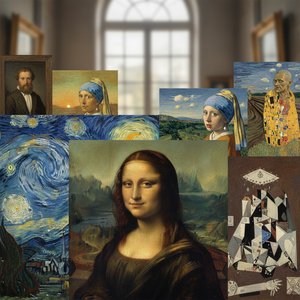
Journey through art history with our Top 10 oil paintings! Explore iconic works by Van Gogh, Monet & Rembrandt. Discover timeless masterpieces and find museum-quality reproductions for your home at .

Journey through 10 legendary 'Oil on Panel' masterpieces by Van Eyck, Bosch & Bruegel. Explore the stories behind these iconic Renaissance & Baroque paintings and find museum-quality art reproductions to elevate your home decor. Discover all masterpieces on !

Transform cherished photos into timeless oil paintings with skilled artists. Trusted for bespoke portraits & heirloom art. Discover the process, styles & lasting value – a legacy preserved.


최신 미술 뉴스, 특별 혜택 및 인테리어 아이디어를 가장 먼저 만나보세요.
프로젝트에 대해 알려주시면 저희 미술 전문가들이 맞춤형 아트 제안 3가지를 전달해 드립니다.
당신만을 위한 맞춤형 옵션 3가지를 무료로 추천해 드립니다!
 Preview
 작품 구매하기
 공유하기
공유하기 공유하기
공유하기
 상세 정보
상세 정보

 다운로드
다운로드
 유사 작품
유사 작품 X-레이
X-레이 슬라이드 쇼

 더 보기
더 보기






































 유리 옵션은 110cm 미만 크기에서만 선택 가능합니다.


