


 실제 크기로 보기
 보내기
보내기 공유하기
공유하기
 상세 보기
상세 보기 가이드 보기

 이미지 다운로드
 유사 작품 더 보기
 X-레이
X-레이 슬라이드 쇼 보기
 통계 정보
통계 정보Lady In Pink

Admire 'Lady In Pink,' a captivating impressionistic portrait by Bernhard Gutmann. Explore this serene work of art – a timeless study in pastel hues & delicate beauty.
Explore the evocative portraits of Bernhard Gutmann (1869-1936), a Hamburg artist known for his atmospheric studies & poignant figures, capturing German Expressionism's emotional depth.
 상세 보기
상세 보기
지클레 / 아트 프린트
빠른 제작과 다양한 마감 옵션을 선택할 수 있는 박물관 수준의 지클레이 및 캔버스 프린트. ( 수작업 채색 복제본 주문하기 디지털 이미지 판매 채널로 전환)




P118B ₩10

P118H ₩10

P118W ₩10

P438Z ₩10

P508JH ₩12

P508YH ₩12

P805H ₩10

P805Z ₩10

P919BZ ₩10

P919G ₩10

P919XJ ₩10

P959ZH ₩10

P968JZ ₩12

W106C ₩8

W218G ₩10

W218JH ₩8

W218Y ₩10

W307PJ ₩10

W316G ₩10

W316PJ ₩8

W316Y ₩10

W398PJ ₩8

W4111J ₩10

W500HY ₩15

W500JH ₩15

W692G ₩12

W849H ₩8

W940BG ₩15

W953PJ ₩8




표준 규격
맞춤 제작
CM
INCH
작품의 원본 비율을 그대로 유지하는 프리셋 사이즈 중에서 선택해 보세요.
Loading sizes...

가로 너비
높이
액자나 벽면 크기에 맞춰 필요한 가로와 세로 길이를 입력해 주세요. 프린트는 원본 이미지보다 크게 제작할 수 없으며 오직 자르는 것만 가능하므로, 비율이 다른 사이즈를 선택할 경우 이미지의 일부가 잘려 나갈 수 있습니다. 인쇄 작업에 들어가기 전, 최종 확인을 위해 디지털 목업을 보내드립니다. 이 페이지에 표시된 이미지는 실제 잘리는 영역을 나타내지 않으며, 오직 목업을 통해서만 정확한 확인이 가능합니다.


 유리 옵션은 110cm 미만 크기에서만 선택 가능합니다.

Lady In Pink
지클레 / 아트 프린트
복제본 규격
-


총 결제 금액
₩ 94434
관련 작품들


작가 소개
Bernhard Gutmann: A Shadowed Expressionist
Bernhard Gutmann, a name perhaps less familiar than those of his Expressionist contemporaries, nevertheless possessed a singular artistic vision—one deeply rooted in the intimate portrayal of human experience and imbued with a haunting atmospheric quality. Born in Hamburg, Germany, in 1869, Gutmann’s life unfolded across continents, culminating in a career marked by both critical acclaim and a poignant obscurity. His work, often characterized by its somber palettes, evocative lighting, and psychologically astute figures, offers a compelling glimpse into the burgeoning currents of German Expressionism before it fully crystallized.
Gutmann’s early artistic training was conventional, receiving instruction at the Düsseldorf and Karlsruhe academies. However, he quickly gravitated towards a more personal style, influenced by the Impressionists and particularly by the Symbolist movement's exploration of inner states. A pivotal moment in his career arrived with his relocation to Lynchburg, Virginia, in 1892. Initially tasked as supervisor of public school art, Gutmann’s time there proved transformative. He began documenting the lives of African-American residents—a bold and largely unexplored subject at the time—capturing their dignity and resilience with a sensitivity rarely seen in mainstream art. These early portraits, though largely overlooked during his lifetime, reveal a profound empathy and a nascent understanding of social commentary.
Following his departure from Lynchburg, Gutmann embarked on a period of extensive travel throughout Europe, particularly to France and Spain. The vibrant colors and dynamic compositions of the Impressionists and the evocative landscapes of Spanish masters profoundly impacted his artistic sensibilities. He spent several years in Paris, immersing himself in the burgeoning avant-garde scene and experimenting with new techniques. This period witnessed a shift towards looser brushwork, bolder color palettes, and a greater emphasis on capturing fleeting moments of light and atmosphere—a hallmark of his later work.
The Silvermine Years: Domestic Intimacy and Psychological Depth
Returning to the United States in 1899, Gutmann settled in Silvermine, Connecticut, establishing an artist’s colony alongside other prominent figures like Childe Hassam and Frank Day. This period marked a significant evolution in his artistic practice. He began focusing on intimate domestic scenes—portraits of his wife, Bertha Goldman (a descendant of the renowned financier Meyer Guggenheim), and their two daughters, rendered with remarkable tenderness and psychological depth. These paintings are not merely depictions of family life; they are explorations of love, loss, and the quiet dramas of everyday existence.
Gutmann’s portraits were distinguished by their subtle yet powerful use of light and shadow, creating a sense of mood and atmosphere that permeated each canvas. He eschewed overtly dramatic poses or elaborate settings, instead favoring simple compositions that allowed his subjects to emerge with an almost haunting presence. His ability to capture the nuances of human emotion—a flicker of sadness in a woman’s eyes, a hint of weariness in a man's posture—established him as a master of psychological portraiture.
A Shadowed Legacy: Post-War Rediscovery
The rise of Nazism and World War I cast a long shadow over Gutmann’s life and career. His German heritage, coupled with his artistic sensibilities, made him a target of suspicion and prejudice. Following the war, his work fell into obscurity, largely due to the efforts of his family who sequestered it away from public view. The loss of his collection during the 1944 bombing of Heemstede, Netherlands, further compounded this neglect—many of his paintings were stolen or destroyed, and his wife and son perished in the Holocaust.
It wasn’t until decades later, thanks to the persistent efforts of Bernard Goodman, Gutmann's grandson, that his work began to receive renewed attention. Goodman meticulously tracked down surviving pieces, uncovering a rich and complex artistic legacy previously hidden from the world. Today, Bernhard Gutmann is increasingly recognized as a significant figure in German Expressionism—a master of atmospheric portraiture who captured the emotional complexities of the human condition with remarkable sensitivity and skill.
Key Characteristics & Influences
- Style:** Primarily Post-Impressionist, leaning towards German Expressionism. Characterized by somber palettes, evocative lighting, and psychologically astute figures.
- Subject Matter: Intimate domestic scenes—portraits of family members, landscapes, and occasional genre paintings.
- Technique:** Loose brushwork, layered glazes, and a masterful use of chiaroscuro (light and shadow). Often employed pastel on monotype for atmospheric effects.
- Influences: Impressionism, Symbolism, particularly the work of artists like J.M.W. Turner and Camille Pissarro. The psychological explorations of Edvard Munch also resonate in his oeuvre.
Historical Significance
Bernhard Gutmann’s contribution to German Expressionism is often understated, yet profoundly important. He represents a crucial bridge between the Impressionist movement and the more radical forms of Expressionism that would emerge in the early 20th century. His focus on interiority—his ability to capture the unspoken emotions and psychological states of his subjects—prefigured many of the key themes explored by later Expressionist artists. Furthermore, Gutmann’s work serves as a poignant reminder of the fragility of artistic legacy and the enduring power of memory in preserving cultural heritage.

Bernhard Gutmann
1869 - 1936 , Germany
작가 정보 요약
- Artistic Movement Or Style: Expressionism, Post-Impressionism
- Artists Or Movements Influenced By This Artist: ['German Expressionism']
- Artists Who Influenced This Artist:
- Fauvists
- Impressionists
- Date Of Birth: 1869
- Date Of Death: 1936
- Full Name: Bernhard Gutmann
- Nationality: German
- Notable Artworks:
- Mother & Baby Elizabeth
- Self Portrait
- Lady In Pink
- Place Of Birth: Hamburg, Germany
관련 기사
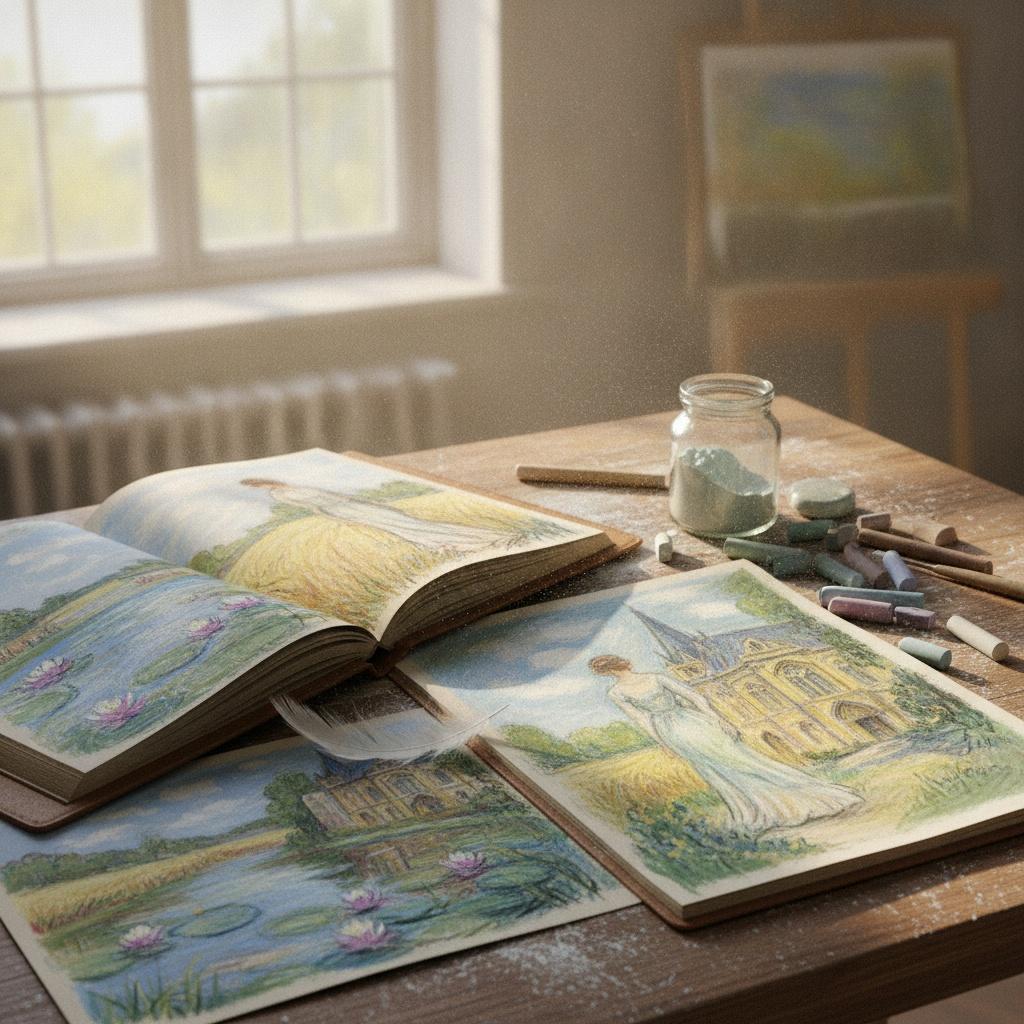
The Soft Magic of Chalk: Capturing Light, Texture, and the Ethereal Soul of Impressionist Masterpieces
Discover the ethereal beauty of pastel and chalk art. Explore how Impressionist masters like Van Gogh and Degas captured light and texture to create timeless, soulful masterpieces for the discerning collector.

Unmasking Emotion: A Journey Through the Raw Power and Visceral Beauty of German Expressionism
Explore the raw emotional power of German Expressionism. From Kirchner to Die Brücke, discover how artists used distortion and vibrant color to unmask the human psyche. A deep dive into art history for the discerning collector and enthusiast.

Liquid Light & Eternal Calm: Exploring the Ethereal Beauty of Water in Impressionist Masterpieces
Immerse yourself in the ethereal beauty of Impressionist waterscapes. Explore the luminous mastery of Monet through our exquisite, hand-painted oil reproductions and bespoke commissions. Discover museum-quality elegance for your sanctuary at TopImpressionists.com.

Capturing the Soul: The Most Emotionally Moving Impressionist and Post-Impressionist Masterpieces
Discover the profound emotional depth of Impressionist and Post-Impressionist masterpieces. Explore how legends like Monet, Van Gogh, and Gauguin captured light and soul through evocative landscapes and vibrant brushwork for a timeless connection to art history.

Soft Light & Velvet Touch: The Ethereal Magic of Pastel Artistry in Impressionist Masterpieces
Discover the ethereal beauty of pastel art through an Impressionist lens. Explore how masters like Monet and Renoir captured light and velvet textures, and learn to curate a collection of luminous, museum-quality masterpieces for your home.