


 실제 크기로 보기
 보내기
보내기 공유하기
공유하기
 상세 보기
상세 보기 가이드 보기

 이미지 다운로드
 유사 작품 더 보기
 X-레이
X-레이 슬라이드 쇼 보기
 통계 정보
통계 정보Farmyard


Experience Camille Pissarro’s realistic Farmyard painting, a quintessential Impressionist depiction of rural life in 1863. This evocative artwork captures the daily activities of people and animals within a charming farm setting – discover this beautiful piece.
 상세 보기
상세 보기
피사로, 인상주의와 신인상주의를 융합한 프랑스 화가. 농촌 풍경과 도시 생활을 섬세하게 담아낸 작품으로 유명하며, 세잔, 고흐 등 후대 화가들에게 큰 영향을 미쳤습니다.
핸드메이드 유화 복제화
작가가 직접 캔버스에 손으로 그린 유화 작품으로, 원하는 크기와 액자로 맞춤 제작해 드립니다. ( 프린트 판매로 전환 디지털 이미지 판매 채널로 전환)




P118B ₩10

P118H ₩10

P118W ₩10

P438Z ₩10

P508JH ₩12

P508YH ₩12

P805H ₩10

P805Z ₩10

P919BZ ₩10

P919G ₩10

P919XJ ₩10

P959ZH ₩10

P968JZ ₩12

W106C ₩8

W218G ₩10

W218JH ₩8

W218Y ₩10

W307PJ ₩10

W316G ₩10

W316PJ ₩8

W316Y ₩10

W398PJ ₩8

W4111J ₩10

W500HY ₩15

W500JH ₩15

W692G ₩12

W849H ₩8

W940BG ₩15

W953PJ ₩8




표준 규격
맞춤 제작
CM
INCH
작품의 원본 비율을 그대로 유지하는 프리셋 사이즈 중에서 선택해 보세요.
Loading sizes...

가로 너비
높이
액자나 벽면 크기에 맞춰 필요한 가로와 세로 길이를 입력해 주세요. 본 작품은 수작업으로 제작되므로, 요청하신 비율에 따라 작가가 그림의 가장자리를 조금 더 넓게 그리거나 일부를 조정하여 작업할 수 있습니다. 작업 시작 전, 최종 확인을 위해 디지털 목업 이미지를 보내드립니다. 이 페이지에 표시된 이미지는 실제 결과물과 다를 수 있으며, 오직 목업 이미지만이 정확한 결과물을 보여줍니다.
변경 가능한 예시: 얼굴을 고객님의 사진으로 교체, 반려동물 추가(예: 고양이를 강아지로 변경), 배경에 숨겨진 메시지 삽입, 배경 풍경 또는 요소 변경 등
주문 완료 후 TopImpressionists.com 팀에서 상세 안내를 위해 고객님께 이메일을 보내드리며, 미리보기 시안을 함께 제공해 드립니다.
주문 완료 후 TopImpressionists.com 팀에서 상세 안내를 위해 고객님께 이메일을 보내드리며, 미리보기 시안을 함께 제공해 드립니다.


 유리 옵션은 110cm 미만 크기에서만 선택 가능합니다.

Farmyard
재현 매체
복제본 규격
-


총 결제 금액
₩ 364762
A Snapshot of Rural Life: Camille Pissarro's "Farmyard"
Camille Pissarro’s “Farmyard,” painted in 1863, offers a remarkably intimate and detailed glimpse into the rhythms of rural life – a scene both familiar and imbued with a quiet dignity. This work, executed during a pivotal period in the development of Impressionism, reveals Pissarro's meticulous observation and his burgeoning ability to capture not just the visual appearance of a subject but also its inherent atmosphere. The painting’s strength lies in its realism, yet it transcends mere documentation; it evokes a profound sense of connection to the land and the people who worked within it.
Subject Matter and Composition
The scene unfolds with a carefully constructed narrative. A central figure – a man standing alongside a powerful horse – immediately draws the viewer’s eye, establishing a point of focus amidst the activity. The inclusion of other figures, subtly placed in the background, suggests a community engaged in daily tasks. Animals, particularly the dog and the two birds, add layers of interest and contribute to the overall feeling of a vibrant, living space. The architectural element – the open doorway leading into what appears to be a barn or stable – anchors the composition and reinforces the theme of agricultural labor. Pissarro’s masterful use of perspective guides the eye through the scene, creating a sense of depth and inviting the viewer to become part of this rural tableau.
Technique and Style: The Dawn of Impressionism
“Farmyard” exemplifies Pissarro's evolving style, firmly rooted in Realism but increasingly influenced by the emerging tenets of Impressionism. Notice the loose brushwork, characteristic of the period, which avoids sharp outlines and instead emphasizes the play of light and shadow. The artist employs broken color – applying small strokes of pure pigment side-by-side – to create a shimmering effect, particularly evident in the depiction of the horse’s coat and the hay pile. This technique allows Pissarro to capture the transient qualities of light and atmosphere, a hallmark of Impressionist painting. While grounded in observation, the work demonstrates a growing willingness to prioritize subjective perception over strict adherence to academic conventions.
Symbolism and Historical Context
Painted in 1863, “Farmyard” reflects a time of significant social and artistic change. The rise of industrialization was beginning to transform rural landscapes, yet Pissarro’s work champions the enduring values associated with agricultural life – hard work, community, and connection to nature. The scene can be interpreted as a nostalgic celebration of a disappearing way of life. Furthermore, Pissarro's involvement in the Société des Artistes Indépendants, a group that championed independent artistic expression, aligns him with the broader movement challenging established artistic norms. This painting represents a crucial step in his development and foreshadows his later contributions to Impressionism’s evolution.
Emotional Impact and Artistic Value
"Farmyard" possesses a quiet emotional resonance that continues to captivate viewers today. It is not a dramatic or overtly sentimental work, but rather one of subtle beauty and profound observation. The painting's ability to evoke a sense of peace and connection to the natural world speaks to Pissarro’s artistic skill and his deep understanding of human experience. A hand-painted reproduction offers an exceptional opportunity to bring this evocative scene into your home or office, celebrating the legacy of one of Impressionism’s most important figures.


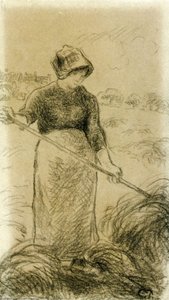


작가 소개
빛과 삶의 화가, 카미유 피사로
카미유 피사로는 19세기 미술계에 깊은 흔적을 남긴 인물입니다. 그의 그림들은 단순한 풍경이 아닌, 빛과 삶의 순간들을 포착하여 우리에게 감동을 선사합니다. 1830년 세인트 토머스 섬에서 태어난 피사로는 다채로운 배경을 지녔습니다. 포르투갈 유대인 상인의 아들과 프랑스-유대인 어머니 사이에서 태어나, 그의 어린 시절은 섬의 활기찬 분위기와 독특한 문화 속에서 펼쳐졌습니다. 이러한 환경은 그에게 세상에 대한 예리한 관찰력을 심어주었고, 이는 이후 그의 예술 세계에 깊숙이 자리 잡게 됩니다. 초기에는 상업적인 일을 해야 했지만, 그림에 대한 열정을 꺾지 않고 꾸준히 드로잉 연습을 하며 자신의 길을 개척해 나갔습니다. 세인트 토머스 섬의 풍경과 사람들은 피사로에게 영감을 주었고, 그의 초기 작품들에서 그 흔적을 찾아볼 수 있습니다.인상주의와 그 너머: 예술적 여정
피사로는 파리로 건너간 후, 쿠르베나 코로트 등 당시 현실주의 화가들의 영향을 받으며 자신의 예술 세계를 넓혀갔습니다. 하지만 그는 곧 기존의 미술 체제에 안주하지 않고 새로운 시도를 모색하기 시작했습니다. 앙리 드 푸아송과 같은 친구들과 함께 야외에서 그림을 그리는 ‘플랭 에어’ 기법을 적극적으로 활용하며, 빛의 변화와 자연의 순간적인 아름다움을 포착하고자 노력했습니다. 이러한 실험은 인상주의라는 새로운 미술 사조 탄생에 결정적인 역할을 했습니다. 모네, 드가 등과 함께 인상주의 그룹 전시회에 참여하며 그는 혁신적인 예술 세계를 선보였고, 당시 미술계에 큰 반향을 일으켰습니다. 그러나 피사로는 단순히 인상주의 화가로만 기억되지는 않습니다. 그는 이후 신인상주의의 영향을 받아 점묘법을 탐구하기도 했으며, 끊임없이 변화하는 시대와 자신의 내면세계를 그림으로 표현하며 예술적 깊이를 더했습니다.‘아버지’ 피사로: 후배 미술가들에게 미친 영향
피사로는 동료 화가들에게 ‘아버지’라고 불릴 만큼 존경받는 인물이었습니다. 그는 세잔, 고흐, 고갱 등 젊은 화가들의 멘토 역할을 하며 그들의 예술적 성장에 큰 영향을 미쳤습니다. 그의 지혜로운 조언과 따뜻한 격려는 후배 미술가들이 자신만의 독창적인 스타일을 찾고 발전하는 데 중요한 밑거름이 되었습니다. 특히 세잔은 피사로를 “나에게 아버지와 같은 분”이라고 묘사하며 그의 예술적 영향력을 인정했습니다. 또한, 그는 인상주의 그룹 내에서 중재자 역할을 하며 화가들 간의 관계를 조화롭게 유지하고, 새로운 전시회를 기획하는 등 미술계 발전에 크게 기여했습니다. 피사로는 단순히 그림을 그리는 예술가를 넘어, 후배들을 이끌고 격려하며 미술계를 풍요롭게 만든 지도자였습니다.삶과 자연: 피사로의 작품 세계
피사로의 작품은 주로 풍경화와 도시 풍경화를 중심으로 이루어져 있습니다. 그는 프랑스 시골 마을이나 파리의 거리 등 일상적인 풍경을 자신만의 독특한 시선으로 담아냈습니다. 그의 그림에는 빛과 색채에 대한 섬세한 관찰이 돋보이며, 자연의 아름다움을 생생하게 전달합니다. 특히 농촌 풍경에서 보이는 노동하는 사람들의 모습은 피사로가 사회 문제에도 깊은 관심을 가지고 있었음을 보여줍니다. 그는 가난하고 소외된 사람들에 대한 연민을 그림에 담아내며, 당시 사회의 불평등 문제를 은유적으로 비판했습니다. 그의 작품들은 단순한 풍경화가 아닌, 삶과 자연, 그리고 인간에 대한 깊이 있는 성찰을 담고 있습니다. 피사로의 그림은 보는 이들에게 따뜻함과 위안을 선사하며, 잊혀진 아름다움을 일깨워줍니다.미술사의 거장: 피사로의 유산
카미유 피사로는 인상주의 미술의 발전에 지대한 공헌을 한 예술가입니다. 그는 혁신적인 기법과 끊임없는 실험 정신으로 현대 미술의 새로운 지평을 열었으며, 후대 화가들에게 영감을 불어넣었습니다. 그의 작품은 전 세계 주요 미술관에 소장되어 있으며, 수많은 사람들에게 감동과 영감을 선사하고 있습니다. 피사로는 단순한 풍경화가가 아닌, 미술사의 거장으로서 그의 예술적 업적은 영원히 기억될 것입니다. 그는 빛과 삶의 아름다움을 그림으로 표현하며 우리에게 깊은 울림을 주는 예술가로 남아있습니다.
피사로
1830 - 1903 , 프랑스
작가 정보 요약
- 국적: 덴마크-프랑스 국적
- 영향받은 예술가:
- 폴 세잔
- 빈센트 반 고흐
- 폴 고갱
- 영향을 준 예술가:
- 구스타브 쿠르베
- 장-바티스트 카미유 코로
- 예술 사조: 인상주의, 신고정파
- 전체 이름: 카미유 피사로
- 출생일: 1830년 7월 10일
- 탄생지: 세인트 토머스 (영국령 버진아일랜드)
관련 기사

The Beauty of Impermanence: Capturing Decay through Impressionist Eyes
Explore the profound beauty of impermanence through Impressionist and Post-Impressionist eyes. Discover how masters like Monet and Van Gogh captured fleeting light and the poetic essence of nature's transitions in our deep dive into art history and emotional landscapes.

Capturing the Soul: The Most Emotionally Moving Impressionist and Post-Impressionist Masterpieces
Discover the profound emotional depth of Impressionist and Post-Impressionist masterpieces. Explore how legends like Monet, Van Gogh, and Gauguin captured light and soul through evocative landscapes and vibrant brushwork for a timeless connection to art history.

The Luminous Hallway: Transforming Your Home with the Ethereal Magic of Impressionist Masterpieces
Transform your hallways with the luminous beauty of Impressionist masterpieces. Discover expert tips on selecting Monet-inspired palettes and multi-panel landscapes to create a breathtaking, light-filled gallery walk in your home. Elevate your space with timeless, hand-painted elegance.

Capturing Contemplation: The Most Thoughtful Impressionist Masterpieces
Explore the profound emotional depth of Impressionist and Post-Impressionist masterpieces. From Renoir's tranquil landscapes to Van Gogh's vibrant soul, discover how these legendary artists captured the essence of contemplation through light, color, and texture.

Modern Soul, Timeless Light: Bringing the Magic of Impressionist Masterpieces into Contemporary Interiors
Discover how to infuse contemporary spaces with the luminous magic of Impressionism. From Monet's light to Renoir's warmth, learn expert tips for styling hand-painted masterpieces and custom art reproductions in your modern home.
테마, 스타일, 특징별로 큐레이션된 작품들을 만나보세요.


