


 실제 크기로 보기
 보내기
보내기 공유하기
공유하기
 상세 보기
상세 보기 가이드 보기

 이미지 다운로드
 유사 작품 더 보기
 X-레이
X-레이 슬라이드 쇼 보기
 통계 정보
통계 정보The Threshing Machine


 상세 보기
상세 보기
핸드메이드 유화 복제화
작가가 직접 캔버스에 손으로 그린 유화 작품으로, 원하는 크기와 액자로 맞춤 제작해 드립니다. ( 프린트 판매로 전환 디지털 이미지 판매 채널로 전환)




P118B ₩10

P118H ₩10

P118W ₩10

P438Z ₩10

P508JH ₩12

P508YH ₩12

P805H ₩10

P805Z ₩10

P919BZ ₩10

P919G ₩10

P919XJ ₩10

P959ZH ₩10

P968JZ ₩12

W106C ₩8

W218G ₩10

W218JH ₩8

W218Y ₩10

W307PJ ₩10

W316G ₩10

W316PJ ₩8

W316Y ₩10

W398PJ ₩8

W4111J ₩10

W500HY ₩15

W500JH ₩15

W692G ₩12

W849H ₩8

W940BG ₩15

W953PJ ₩8




표준 규격
맞춤 제작
CM
INCH
작품의 원본 비율을 그대로 유지하는 프리셋 사이즈 중에서 선택해 보세요.
Loading sizes...

가로 너비
높이
액자나 벽면 크기에 맞춰 필요한 가로와 세로 길이를 입력해 주세요. 본 작품은 수작업으로 제작되므로, 요청하신 비율에 따라 작가가 그림의 가장자리를 조금 더 넓게 그리거나 일부를 조정하여 작업할 수 있습니다. 작업 시작 전, 최종 확인을 위해 디지털 목업 이미지를 보내드립니다. 이 페이지에 표시된 이미지는 실제 결과물과 다를 수 있으며, 오직 목업 이미지만이 정확한 결과물을 보여줍니다.
변경 가능한 예시: 얼굴을 고객님의 사진으로 교체, 반려동물 추가(예: 고양이를 강아지로 변경), 배경에 숨겨진 메시지 삽입, 배경 풍경 또는 요소 변경 등
주문 완료 후 TopImpressionists.com 팀에서 상세 안내를 위해 고객님께 이메일을 보내드리며, 미리보기 시안을 함께 제공해 드립니다.
주문 완료 후 TopImpressionists.com 팀에서 상세 안내를 위해 고객님께 이메일을 보내드리며, 미리보기 시안을 함께 제공해 드립니다.


 유리 옵션은 110cm 미만 크기에서만 선택 가능합니다.

The Threshing Machine
재현 매체
복제본 규격
-


총 결제 금액
₩ 368155
A Symphony of Rural Labor: Camille Pissarro’s *The Threshing Machine*
Camille Pissarro's *The Threshing Machine*, painted in 1876, is more than a depiction of agricultural labor; it’s a poignant meditation on the rhythms of rural life and the enduring connection between humanity and the land. Executed during a pivotal moment in Impressionism’s development, this work exemplifies Pissarro's commitment to capturing fleeting moments and atmospheric effects with an unprecedented sensitivity. The scene unfolds as a vibrant tableau of figures engaged in the arduous task of harvesting hay – men operating a mechanical thresher, women diligently gathering bundles, and horses patiently assisting – all bathed in the warm glow of an unseen light. It’s a snapshot of a world rapidly changing, one where traditional farming practices were being challenged by industrial advancements, yet still deeply rooted in community and shared effort.
Impressionistic Technique and Palette
- Loose Brushstrokes: Pissarro’s signature technique is immediately apparent – a deliberate avoidance of precise detail in favor of expressive brushwork. The paint isn't blended smoothly; instead, visible strokes create a dynamic sense of movement, particularly evident in the billowing haystacks and the figures’ actions.
- Muted Earth Tones: The color palette is dominated by ochres, browns, and yellows, reflecting the natural hues of the harvest itself. This restrained use of color contributes to the painting's overall atmosphere of rustic authenticity.
- Impasto Effects: Evidence suggests Pissarro employed a palette knife in certain areas, building up thick layers of paint – an *impasto* technique – to heighten textural contrast and emphasize the physicality of the scene. This adds a tactile quality, inviting the viewer to almost feel the rough texture of the hay.
Historical Context and Pissarro’s Vision
*The Threshing Machine* was created during a period of significant social and artistic upheaval in France. The rise of industrialization, coupled with advancements in agricultural technology, was transforming rural landscapes and challenging traditional ways of life. Pissarro, deeply invested in the lives of ordinary people, sought to document these changes while simultaneously celebrating the enduring values of community and labor. As a key figure in the development of Impressionism, Pissarro’s work reflects his desire to move beyond academic realism and capture the subjective experience of seeing – the way light and color interact to create an impression on the eye.
Symbolic Resonance and Emotional Impact
Beyond its straightforward depiction of a harvest scene, *The Threshing Machine* carries a deeper symbolic resonance. It speaks to themes of human resilience, the relationship between man and nature, and the importance of collective effort. The flattened perspective and atmospheric haze create a sense of timelessness, transporting the viewer back to a simpler era. The painting’s emotional impact is one of quiet dignity and understated beauty – a celebration of hard work, community spirit, and the enduring connection between humanity and the land. It evokes a feeling of nostalgia for a bygone rural existence, prompting reflection on our own relationship with nature and tradition.
질의응답
"The Threshing Machine"의 색상들이 서로 어떻게 조화를 이루고 있나요?
피사로의 "The Threshing Machine"은(는) Strong Color Unity 색채 조화를 보여줍니다.
피사로의 "The Threshing Machine"의 프린트 제품은 어디에서 구매할 수 있나요?
"The Threshing Machine" 작품은 코튼 캔버스 또는 아카이브용 캔버스지에 인쇄된 파인 아트 프린트로 만나보실 수 있습니다. 주문은 파인 아트 프린트 페이지에서 원하시는 사이즈를 선택하여 진행하실 수 있습니다.
"The Threshing Machine"의 규격은 어떻게 되나요?
"The Threshing Machine"의 형식은 Landscape입니다. 이는 작품 복제본을 배치할 공간을 계획할 때 유용합니다.


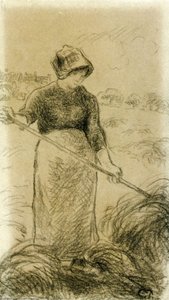


작가 소개
빛과 삶의 화가, 카미유 피사로
카미유 피사로는 19세기 미술계에 깊은 흔적을 남긴 인물입니다. 그의 그림들은 단순한 풍경이 아닌, 빛과 삶의 순간들을 포착하여 우리에게 감동을 선사합니다. 1830년 세인트 토머스 섬에서 태어난 피사로는 다채로운 배경을 지녔습니다. 포르투갈 유대인 상인의 아들과 프랑스-유대인 어머니 사이에서 태어나, 그의 어린 시절은 섬의 활기찬 분위기와 독특한 문화 속에서 펼쳐졌습니다. 이러한 환경은 그에게 세상에 대한 예리한 관찰력을 심어주었고, 이는 이후 그의 예술 세계에 깊숙이 자리 잡게 됩니다. 초기에는 상업적인 일을 해야 했지만, 그림에 대한 열정을 꺾지 않고 꾸준히 드로잉 연습을 하며 자신의 길을 개척해 나갔습니다. 세인트 토머스 섬의 풍경과 사람들은 피사로에게 영감을 주었고, 그의 초기 작품들에서 그 흔적을 찾아볼 수 있습니다.인상주의와 그 너머: 예술적 여정
피사로는 파리로 건너간 후, 쿠르베나 코로트 등 당시 현실주의 화가들의 영향을 받으며 자신의 예술 세계를 넓혀갔습니다. 하지만 그는 곧 기존의 미술 체제에 안주하지 않고 새로운 시도를 모색하기 시작했습니다. 앙리 드 푸아송과 같은 친구들과 함께 야외에서 그림을 그리는 ‘플랭 에어’ 기법을 적극적으로 활용하며, 빛의 변화와 자연의 순간적인 아름다움을 포착하고자 노력했습니다. 이러한 실험은 인상주의라는 새로운 미술 사조 탄생에 결정적인 역할을 했습니다. 모네, 드가 등과 함께 인상주의 그룹 전시회에 참여하며 그는 혁신적인 예술 세계를 선보였고, 당시 미술계에 큰 반향을 일으켰습니다. 그러나 피사로는 단순히 인상주의 화가로만 기억되지는 않습니다. 그는 이후 신인상주의의 영향을 받아 점묘법을 탐구하기도 했으며, 끊임없이 변화하는 시대와 자신의 내면세계를 그림으로 표현하며 예술적 깊이를 더했습니다.‘아버지’ 피사로: 후배 미술가들에게 미친 영향
피사로는 동료 화가들에게 ‘아버지’라고 불릴 만큼 존경받는 인물이었습니다. 그는 세잔, 고흐, 고갱 등 젊은 화가들의 멘토 역할을 하며 그들의 예술적 성장에 큰 영향을 미쳤습니다. 그의 지혜로운 조언과 따뜻한 격려는 후배 미술가들이 자신만의 독창적인 스타일을 찾고 발전하는 데 중요한 밑거름이 되었습니다. 특히 세잔은 피사로를 “나에게 아버지와 같은 분”이라고 묘사하며 그의 예술적 영향력을 인정했습니다. 또한, 그는 인상주의 그룹 내에서 중재자 역할을 하며 화가들 간의 관계를 조화롭게 유지하고, 새로운 전시회를 기획하는 등 미술계 발전에 크게 기여했습니다. 피사로는 단순히 그림을 그리는 예술가를 넘어, 후배들을 이끌고 격려하며 미술계를 풍요롭게 만든 지도자였습니다.삶과 자연: 피사로의 작품 세계
피사로의 작품은 주로 풍경화와 도시 풍경화를 중심으로 이루어져 있습니다. 그는 프랑스 시골 마을이나 파리의 거리 등 일상적인 풍경을 자신만의 독특한 시선으로 담아냈습니다. 그의 그림에는 빛과 색채에 대한 섬세한 관찰이 돋보이며, 자연의 아름다움을 생생하게 전달합니다. 특히 농촌 풍경에서 보이는 노동하는 사람들의 모습은 피사로가 사회 문제에도 깊은 관심을 가지고 있었음을 보여줍니다. 그는 가난하고 소외된 사람들에 대한 연민을 그림에 담아내며, 당시 사회의 불평등 문제를 은유적으로 비판했습니다. 그의 작품들은 단순한 풍경화가 아닌, 삶과 자연, 그리고 인간에 대한 깊이 있는 성찰을 담고 있습니다. 피사로의 그림은 보는 이들에게 따뜻함과 위안을 선사하며, 잊혀진 아름다움을 일깨워줍니다.미술사의 거장: 피사로의 유산
카미유 피사로는 인상주의 미술의 발전에 지대한 공헌을 한 예술가입니다. 그는 혁신적인 기법과 끊임없는 실험 정신으로 현대 미술의 새로운 지평을 열었으며, 후대 화가들에게 영감을 불어넣었습니다. 그의 작품은 전 세계 주요 미술관에 소장되어 있으며, 수많은 사람들에게 감동과 영감을 선사하고 있습니다. 피사로는 단순한 풍경화가가 아닌, 미술사의 거장으로서 그의 예술적 업적은 영원히 기억될 것입니다. 그는 빛과 삶의 아름다움을 그림으로 표현하며 우리에게 깊은 울림을 주는 예술가로 남아있습니다.
피사로
1830 - 1903 , 프랑스
작가 정보 요약
- 국적: 덴마크-프랑스 국적
- 영향받은 예술가:
- 폴 세잔
- 빈센트 반 고흐
- 폴 고갱
- 영향을 준 예술가:
- 구스타브 쿠르베
- 장-바티스트 카미유 코로
- 예술 사조: 인상주의, 신고정파
- 전체 이름: 카미유 피사로
- 출생일: 1830년 7월 10일
- 탄생지: 세인트 토머스 (영국령 버진아일랜드)
관련 기사

Capturing the Soul: The Most Emotionally Moving Impressionist and Post-Impressionist Masterpieces
Discover the profound emotional depth of Impressionist and Post-Impressionist masterpieces. Explore how legends like Monet, Van Gogh, and Gauguin captured light and soul through evocative landscapes and vibrant brushwork for a timeless connection to art history.

The Beauty of Impermanence: Capturing Decay through Impressionist Eyes
Explore the profound beauty of impermanence through Impressionist and Post-Impressionist eyes. Discover how masters like Monet and Van Gogh captured fleeting light and the poetic essence of nature's transitions in our deep dive into art history and emotional landscapes.
Golden Fields & Sun-Drenched Meadows: Capturing the Soul of Impressionist Landscapes
Immerse yourself in the luminous world of Impressionist landscapes. Discover how masters like Monet and Gauguin captured ephemeral light through plein air painting, and learn to bring the soul of sun-drenched meadows into your home with exquisite, hand-painted oil reproductions.

Beyond the Light: Capturing Raw Emotion and Subjective Vision in Post-Impressionist Landscapes
Explore the profound emotional depth of Post-Impressionist landscapes. Discover how masters like Van Gogh moved beyond light to capture raw human feeling through vibrant color and expressive texture in this expert art history retrospective.
테마, 스타일, 특징별로 큐레이션된 작품들을 만나보세요.


