미리보기
미리보기
 공유하기
공유하기 공유하기
공유하기
 상세 정보
상세 정보 가이드 보기

 다운로드
다운로드
 유사 작품 더 보기
 X-레이
X-레이 슬라이드 쇼 보기
 질의응답
질의응답 통계 정보
통계 정보David, 1600


 더 보기
더 보기
지클레 / 아트 프린트
빠른 제작과 다양한 마감 옵션을 제공하는 박물관 수준의 지클레이 및 캔버스 프린트. ( 수작업 채색 복제본 주문하기 디지털 이미지로 전환)




P118B ₩10

P118H ₩10

P118W ₩10

P438Z ₩10

P508JH ₩12

P508YH ₩12

P805H ₩10

P805Z ₩10

P919BZ ₩10

P919G ₩10

P919XJ ₩10

P959ZH ₩10

P968JZ ₩12

W106C ₩8

W218G ₩10

W218JH ₩8

W218Y ₩10

W307PJ ₩10

W316G ₩10

W316PJ ₩8

W316Y ₩10

W398PJ ₩8

W4111J ₩10

W500HY ₩15

W500JH ₩15

W692G ₩12

W849H ₩8

W940BG ₩15

W953PJ ₩8




표준 규격
맞춤형
CM
INCH
작품의 원본 비율을 그대로 유지하는 프리셋 사이즈 중에서 선택해 보세요.
Loading sizes...

가로 너비
세로 길이
액자나 벽면 크기에 맞춰 필요한 가로와 세로 길이를 입력해 주세요. 프린트는 원본 이미지보다 크게 제작할 수 없으며 오직 자르는 것만 가능하므로, 비율이 다른 사이즈를 선택할 경우 이미지의 일부가 잘려 나갈 수 있습니다. 인쇄 작업에 들어가기 전, 최종 확인을 위해 디지털 목업을 보내드립니다. 이 페이지에 표시된 이미지는 실제 잘리는 영역을 나타내지 않으며, 오직 목업을 통해서만 정확한 확인이 가능합니다.


 유리 옵션은 110cm 미만 크기에서만 선택 가능합니다.

David, 1600
지클레 / 아트 프린트
복제본 크기
-


최종 결제 금액
₩ 93918
David, 1600
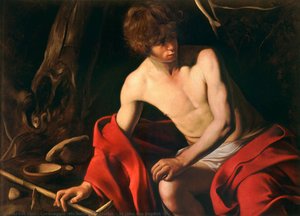
Michelangelo Merisi da Caravaggio’s *David*, painted in 1600, stands as an unparalleled testament to Baroque artistry—a dramatic distillation of biblical narrative rendered with breathtaking realism and imbued with profound psychological depth. More than just a depiction of the heroic triumph over Goliath, it embodies Caravaggio's revolutionary approach to painting, establishing him as one of the most influential figures in European art history.Style and Technique: The Power of Chiaroscuro
Caravaggio’s signature technique—chiaroscuro—dominates this monumental canvas. This masterful manipulation of light and dark isn't merely stylistic; it’s fundamentally expressive, mirroring the internal turmoil of David as he contemplates the severed head of his vanquished foe. Unlike earlier artists who sought to portray figures in idealized forms bathed in diffused light, Caravaggio plunged his subjects into oppressive darkness punctuated by intense beams of illumination. This dramatic contrast creates a palpable tension—a visual embodiment of David’s apprehension and determination—drawing the viewer's eye directly to the focal point: the head of Goliath, illuminated with an almost supernatural glow. The artist achieved this effect through meticulous observation of natural light sources, painstakingly recreating shadows that seem to emanate from within the figures themselves. This painstaking realism distinguishes Caravaggio’s work from Mannerist conventions and cemented his reputation as a pioneer of Baroque painting.Historical Context: A Renaissance Legacy Transformed
Caravaggio emerged during a period of significant artistic upheaval—the waning influence of Renaissance humanism was giving way to the fervent spirituality and grandeur characteristic of the Baroque era. The Catholic Church, reeling from the Protestant Reformation, sought visual representations that would inspire piety and reaffirm its authority. Caravaggio’s *David* perfectly captures this mood, portraying David not as a triumphant warrior celebrating victory but as a young man wrestling with moral responsibility—a figure humbled by experience yet resolute in his faith. The painting was commissioned by Cardinal Francesco Maria Del Monte, a prominent patron of the arts who championed Caravaggio's innovative style and helped propel him to international acclaim. Its placement within Del Monte’s villa underscores the importance of artistic patronage in shaping artistic trends during this transformative period.Symbolism: Beyond Narrative Representation
The painting transcends mere retelling of the biblical story; it operates on multiple symbolic levels. The darkness enveloping David represents not only physical obscurity but also psychological introspection—the contemplation of consequences and the burden of heroism. The luminous head of Goliath symbolizes evil vanquished, yet Caravaggio subtly undermines conventional notions of triumph by depicting it with unsettling realism. The inclusion of a wound on Goliath’s forehead serves as a poignant reminder of mortality and underscores the vulnerability inherent in even the most formidable adversaries. Furthermore, Caravaggio's deliberate choice to portray David as almost invisible—his face obscured by shadow—suggests that true heroism lies not in outward bravado but in inner fortitude and moral integrity.Emotional Impact: A Masterpiece of Psychological Drama
*David*, like many of Caravaggio’s paintings, evokes a visceral emotional response from the viewer. The artist's ability to convey profound psychological drama is unparalleled—capturing the subtle nuances of emotion with astonishing accuracy. The painting compels us to confront uncomfortable truths about human nature and challenges our preconceived notions of heroism. It remains a powerful reminder that beauty can coexist with darkness, and that true greatness resides in confronting one’s fears and accepting responsibility for one's actions. Its enduring fascination testifies to Caravaggio’s genius as both an artist and a storyteller—a legacy that continues to inspire awe and admiration centuries after its creation.질의응답
"David, 1600" 이미지를 다운로드할 수 있나요?
"David, 1600"을(를) 다운로드하실 수 있습니다: 작품의 디지털 이미지 다운로드 페이지에서 고해상도 디지털 이미지 다운로드 이용이 가능합니다.
"David, 1600"의 색상들이 서로 어떻게 조화를 이루고 있나요?
카라바조의 "David, 1600"의 색채는 부조화스러운 색채 구성 조화를 보여줍니다. 여기서 조화란 색상들이 서로 어떻게 어우러지는지를 의미합니다.
카라바조의 "David, 1600"의 색채는 어떤 감정을 불러일으키나요?
카라바조의 "David, 1600"은(는) 어스톤 색조의 팔레트와 극적인 분위기가 조화를 이룹니다.
작가 정보
빛과 그림자의 거장: 카라바조의 삶과 예술
미켈란젤로 메리시 다 카라바조, 흔히 카라바조라는 이름으로 알려진 그는 16세기 말 이탈리아 미술계를 뒤흔든 혁명가였습니다. 1571년 밀라노에서 태어난 그는 어린 시절 역경과 고통을 경험하며 인간의 고뇌와 회복력을 깊이 이해하게 되었고, 이는 그의 작품 전반에 걸쳐 드러나는 특징입니다. 시몬 페테자노에게 그림 기법을 배우며 르네상스 미술의 기초를 다졌지만, 곧 기존의 틀을 깨는 독창적인 스타일을 구축하기 시작했습니다. 로마로 이주한 후 그는 빛과 어둠의 극명한 대비를 통해 강렬한 감정적 효과를 창출하는 키아로스쿠로 기법을 극한으로 끌어올렸고, 이를 ‘테네브리즘’이라는 새로운 미술 사조로 발전시켰습니다. 이는 당시 유행하던 인공적인 우아함을 추구하는 매너리즘 양식과는 대조되는 현실주의적 접근 방식이었습니다.혁명적인 비전: 기법과 스타일
카라바조의 등장으로 이탈리아 미술계는 격변을 맞았습니다. 그는 이상화된 표현을 거부하고 거리에서 만나는 평범한 사람들을 모델로 삼아 종교적 인물을 묘사하며 당시 사회에 큰 충격을 안겨주었습니다. 그의 가장 두드러진 혁신은 빛과 어둠의 극명한 대비를 통해 감정적 효과를 극대화하는 키아로스쿠로 기법의 활용이었습니다. 이 기법은 단순한 미적 선택을 넘어, 그림 속 인물들에게 생생한 존재감을 부여하고 관람객을 작품의 중심으로 끌어들이는 강력한 도구였습니다. 그는 또한 배경을 최소화하거나 생략하여 인물의 감정과 드라마를 더욱 강조하는 구도 방식을 선호했습니다. 이러한 혁신적인 기법들은 그의 작품에 강렬한 현실감과 극적인 긴장감을 부여했으며, 이는 이후 바로크 미술의 발전에 지대한 영향을 미쳤습니다.주요 작품과 지속적인 영향력
카라바조는 짧은 생애 동안 수많은 걸작을 남겼습니다. 1594년 제작된 “계산하는 여자”는 그의 뛰어난 관찰력과 인물 표현력을 보여주는 초기 대표작입니다. 1601년부터 1602년에 걸쳐 완성된 “에마오 길의 만찬”은 키아로스쿠로 기법을 통해 성경 이야기를 생생하게 재현하며 깊은 감동을 선사합니다. 또한, 다윗과 골리앗이 등장하는 작품은 카라바조 자신의 불안정한 심리를 반영하는 듯한 강렬한 인상을 남깁니다. 그의 영향력은 이탈리아를 넘어 유럽 전역으로 확산되었고, 페테르 파울 루벤스, 주세페 데 리베라, 게릿 판 호르트 등 수많은 예술가들에게 영감을 불어넣었습니다. 이들을 ‘카라바조의 추종자’ 또는 ‘음영주의 화가’라고 부르며, 카라바조의 스타일을 모방하거나 발전시킨 작품들을 통해 그의 영향력은 더욱 널리 퍼져나갔습니다.불우한 삶과 불멸의 유산
카라바조의 삶은 그의 예술만큼이나 극적이고 파란만장했습니다. 호탕하고 다혈질적인 성격으로 인해 빈번하게 법망에 걸렸고, 결국 살인 혐의로 기소되어 로마에서 도망치는 신세가 되었습니다. 이후 나폴리, 몰타, 시칠리아 등지를 떠돌아다니며 그림을 그리면서 사면을 간청했지만, 과거의 과오는 그를 끊임없이 따라다녔습니다. 1610년 포르토 에르콜레에서 갑작스럽게 세상을 떠났는데, 그의 죽음 역시 정확한 원인이 밝혀지지 않아 여러 추측이 난무합니다. 열병으로 인한 사망설과 함께 독살설, 혹은 과로로 인한 사망설 등 다양한 이야기가 전해지고 있습니다. 비록 짧은 생을 마감했지만, 카라바조는 혁신적인 비전과 현실주의에 대한 헌신을 통해 서양 미술사의 흐름을 바꾸어 놓았습니다. 그의 작품은 오늘날까지도 수많은 사람들에게 감동과 영감을 선사하며 불멸의 유산으로 남아 있습니다.
카라바조
1571 - 1610 , 스페인
작가 정보 요약
- 국적: 이탈리아인
- 대표 작품:
- 운명의 여인
- 에마오에서의 만찬
- 골리앗을 베는 다윗
- 열정적인 성 프란치스코
- 영향을 받은 예술가:
- 루벤스
- 호세 데 리베라
- 영향을 준 예술가:
- 티치아노
- 레오나르도 다 빈치
- 미켈란젤로
- 예술 사조: 바로크, 테네브르
- 전체 이름: 미켈란젤로 메리시 다 카라바지오
- 출생일: 1571년 9월 29일
관련 콘텐츠

화려함 속에 감춰진 진실! 바로크 미술을 정의한 10대 걸작 탐구
화려함과 극적인 표현이 압권! 바로크 미술을 대표하는 10대 걸작의 숨겨진 이야기를 만나보세요. 베르니니, 루벤스 등 거장의 작품부터 바로크 색감, 예술적 기법까지 – TopImpressionists.com에서 명품 복제 & 인테리어 영감을 얻으세요! 지금 바로 컬렉션을 탐험해보세요.

Baroque Painting's Greatest Hits: 10 Masterpieces for Your Home | TopImpressionists
Journey through Baroque painting's glory! Explore 10 masterpieces by Caravaggio, Rembrandt & Vermeer. Discover dramatic lighting, rich colors & timeless stories. Find museum-quality art reproductions for your home at TopImpressionists.com.

The Visceral Stage: Exploring Dramatic Narratives & Emotional Intensity in Baroque Art
Explore the dramatic world of Baroque art! Discover iconic masters like Caravaggio & Rembrandt, their techniques, and the movement's lasting impact. Expert insights for collectors & enthusiasts at TopImpressionists.

Chiaroscuro and Soul: A Definitive Guide to the Drama and Emotion of Italian Baroque Masterpieces
Embark on a sophisticated journey through Italian Baroque art. Discover the dramatic interplay of light and emotion in Caravaggio’s masterpieces and explore how to bring this timeless grandeur into your collection with expert art insights.

The Dramatic Flourish: Exploring the Baroque Movement's Enduring Legacy in Art History
Explore the dramatic world of Baroque art! Discover iconic artists like Caravaggio & Rubens, defining techniques, and its lasting impact on art history. Expert insights for collectors & enthusiasts at TopImpressionists.