작품 상세 설명
A Masterpiece Illuminated: Caravaggio’s Nativity
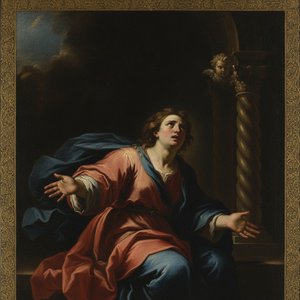
Caravaggio’s Nativity is more than just a depiction of biblical storytelling; it's an embodiment of Baroque drama, meticulously crafted with revolutionary techniques that continue to captivate audiences centuries later. Painted in 1607-1608 for the chapel of San Luigi dei Francesi in Rome, this monumental canvas transcends mere representation, plunging viewers into a visceral experience of faith and human emotion. It stands as one of Caravaggio’s most celebrated works, cementing his reputation as an unparalleled innovator who fundamentally altered the course of European art history.
The Dramatic Use of Light – Tenebrism
Caravaggio's signature style—tenebrism—was a radical departure from Renaissance ideals. This technique employed stark contrasts between light and darkness, creating an illusionistic depth that seemed to emanate from within the canvas itself. The figures are bathed in ethereal luminescence emanating from a single source – likely a window – while the surrounding space is consumed by impenetrable shadow. This dramatic illumination wasn’t merely aesthetic; it served as a powerful tool for conveying psychological intensity and spiritual significance. As Giorgio Vasari famously remarked, Caravaggio “wanted to represent God’s presence as if He were illuminating the darkness.” The careful manipulation of light directs the viewer's gaze towards the central figures—Mary, Joseph, and the infant Jesus—drawing them into the heart of the scene.
Composition and Symbolism: A Study in Contrasts
The composition itself is deliberately unsettling. Caravaggio eschewed traditional pyramidal structures, opting instead for a horizontal arrangement that emphasizes the stability of Mary’s posture while simultaneously conveying vulnerability. The figures are positioned close to the viewer, fostering an intimate connection between the depicted narrative and the observer. Symbolically, the painting speaks volumes about Christian beliefs. The Virgin Mary is portrayed with serene dignity, her gaze fixed upwards towards heaven—a gesture signifying humility and devotion. Joseph stands beside her, protecting Jesus from harm, embodying paternal care and guardianship. Crucially, the infant Jesus lies on straw, symbolizing poverty and humility – a deliberate antithesis to the opulent splendor of Rome at the time. The swords flanking the scene represent divine justice and foreshadow the future martyrdom of Christ—a reminder of the sacrifices made for salvation.
Historical Context: Baroque Rome and Artistic Revolution
Caravaggio’s Nativity emerged during the height of Baroque Rome, a period characterized by papal patronage and an obsession with grandeur and theatricality. The Catholic Church actively sought to inspire piety through art, commissioning monumental canvases that conveyed religious fervor. Caravaggio's innovative approach challenged established artistic conventions and provoked considerable debate among critics and intellectuals. He was considered scandalous for his unflinching realism—particularly his depiction of human anatomy—and for his disregard for idealized beauty. Yet, his unwavering commitment to capturing the essence of human experience resonated deeply with audiences, establishing him as a pivotal figure in the Baroque movement and securing his legacy as one of history’s greatest painters.
Emotional Impact: A Moment Frozen in Time
Ultimately, Caravaggio's Nativity transcends mere visual representation; it evokes profound emotional responses. The painting compels viewers to confront themes of faith, compassion, and sacrifice—elements that remain universally relevant across cultures and generations. The luminous glow of divine grace juxtaposed against the oppressive darkness of earthly suffering creates a palpable tension—a testament to Caravaggio’s mastery in conveying psychological depth. It is a scene imbued with tenderness, solemnity, and an unwavering belief in the transformative power of spiritual contemplation – a timeless masterpiece that continues to inspire awe and wonder.