


 실제 크기로 보기
 보내기
보내기 공유하기
공유하기
 상세 보기
상세 보기 가이드 보기

 이미지 다운로드
 유사 작품 더 보기
 X-레이
X-레이 슬라이드 쇼 보기
 통계 정보
통계 정보유다 베헤놀레스


 상세 보기
상세 보기
지클레 / 아트 프린트
빠른 제작과 다양한 마감 옵션을 선택할 수 있는 박물관 수준의 지클레이 및 캔버스 프린트. ( 수작업 채색 복제본 주문하기 디지털 이미지 판매 채널로 전환)




P118B ₩10

P118H ₩10

P118W ₩10

P438Z ₩10

P508JH ₩12

P508YH ₩12

P805H ₩10

P805Z ₩10

P919BZ ₩10

P919G ₩10

P919XJ ₩10

P959ZH ₩10

P968JZ ₩12

W106C ₩8

W218G ₩10

W218JH ₩8

W218Y ₩10

W307PJ ₩10

W316G ₩10

W316PJ ₩8

W316Y ₩10

W398PJ ₩8

W4111J ₩10

W500HY ₩15

W500JH ₩15

W692G ₩12

W849H ₩8

W940BG ₩15

W953PJ ₩8




표준 규격
맞춤 제작
CM
INCH
작품의 원본 비율을 그대로 유지하는 프리셋 사이즈 중에서 선택해 보세요.
Loading sizes...

가로 너비
높이
특정 프레임이나 공간에 맞춰 직접 치수를 입력하실 수 있습니다. 선택하신 사이즈가 원본 이미지의 비율과 일치하지 않을 경우, 작품을 크롭(자르기)하거나 이미지를 대칭 또는 단색 채우기로 확장하여 제작합니다. 제작 시작 전, 최종 확인을 위해 디지털 목업이 전송됩니다.
화면상의 미리보기는 실제 크롭이나 확장 상태를 반영하지 않으므로, 최종 구도는 오직 목업을 통해서만 정확하게 확인하실 수 있습니다.
맞춤 사이즈 제작도 가능하지만, 원본 비율을 유지하기 위해서는 사전 정의된 목록에서 치수를 선택하시는 것을 권장합니다.


 유리 옵션은 110cm 미만 크기에서만 선택 가능합니다.

유다 베헤놀레스
지클레 / 아트 프린트
복제본 규격
-


총 결제 금액
₩ 92538
Judith Beheading Holofernes (detail)
Michelangelo Merisi da Caravaggio’s “Judith Beheading Holofernes” stands as a monumental achievement in Baroque art, capturing the visceral drama of biblical narrative with unparalleled intensity. Painted around 1598-1599 and currently housed at the Galleria Nazionale d'Arte Antica in Rome, this masterpiece exemplifies Caravaggio’s revolutionary approach to painting—a technique known as tenebrism that dramatically contrasts light and shadow to heighten emotional impact.
The Artist: Caravaggio
Michelangelo Merisi da Caravaggio (1571-1610), born in Milan, revolutionized artistic practice with his uncompromising realism and masterful manipulation of chiaroscuro. He rejected idealized forms favored by Renaissance artists, opting instead for unflinching depictions of human emotion and physicality—a bold decision that cemented his reputation as one of the most influential figures in Baroque art.
The Painting: Judith Beheading Holofernes
The scene depicts Judith’s decisive act – decapitating Holofernes, Assyrian general who had besieged Bethulia. Caravaggio meticulously renders the gruesome moment with breathtaking precision, focusing on the psychological drama unfolding within the darkened chamber. The light source originates from the left side of the canvas, casting deep shadows that envelop Holofernes and amplify Judith’s determination.
Historical Context
Rediscovered in 1950, “Judith Beheading Holofernes” reflects the anxieties and spiritual fervor of its time—the Counter-Reformation. Commissioned by Genoa banker Ottavio Costa, it embodies Caravaggio’s artistic vision as a response to religious dogma and moral contemplation.
Other Works by Caravaggio
Caravaggio's oeuvre extends beyond this iconic image, encompassing works like “Narcissus” and “Bacchus,” which showcase his ability to convey profound human experience through masterful composition and expressive brushstrokes. These paintings underscore Caravaggio’s enduring legacy as a pioneer of Baroque art.
Conclusion
"Judith Beheading Holofernes" remains a testament to Caravaggio's unparalleled skill in portraying human emotion and dramatic narrative. Its innovative use of tenebrism, coupled with its meticulous detail and symbolic resonance, secures its place as one of the most celebrated paintings of the Baroque period. For those seeking inspiration or considering acquiring a high-quality reproduction, exploring Caravaggio’s broader artistic output—particularly “Judith Beheading Holofernes” and Wikipedia's entry on the painting—offers invaluable insight into his groundbreaking style and enduring influence.
질의응답
"유다 베헤놀레스"의 작가는 누구인가요?
"유다 베헤놀레스"의 작가는 카라바조입니다.
"유다 베헤놀레스"이(가) 제작되었을 당시 카라바조의 나이는 어떻게 되었나요?
카라바조은(는) 1598년에 "유다 베헤놀레스"을(를) 제작했을 당시 27세였습니다. 이 나이는 작가의 출생 연도인 1571을(를) 기준으로 계산되었습니다.
카라바조의 "유다 베헤놀레스"은 어떤 분위기와 감정을 전달하나요?
카라바조의 "유다 베헤놀레스"에 담긴 분위기는 드라마틱한이며, 정서적 어조는 압도적인입니다.
카라바조의 "유다 베헤놀레스"은(는) 몇 년도에 제작되었나요?
카라바조의 "유다 베헤놀레스"의 제작 연도는 1598년입니다.
카라바조의 "유다 베헤놀레스"의 색채 구성은 어떻게 이루어져 있나요?
카라바조의 "유다 베헤놀레스"의 색채 분석은 강렬한한 대비와 균형 잡힌 조화한 조화를 보여줍니다.
유다 베헤놀레스의 제작 연도인 1598년은 카라바조의 예술적 경력 중 어느 시기에 해당하나요?
1598년에 제작된 "유다 베헤놀레스"은(는) 카라바조의 예술 활동기 중 Mature Period에 속합니다.
카라바조의 "유다 베헤놀레스" 작품은 작가의 본국에 보관되어 있나요?
아니요 - 해당 작품은 해외에 보관되어 있습니다. 작가는 스페인에서 태어났으며, 원작은 이탈리아에 소장되어 있습니다.
작가 소개
빛과 그림자의 거장: 카라바조의 삶과 예술
미켈란젤로 메리시 다 카라바조, 흔히 카라바조라는 이름으로 알려진 그는 16세기 말 이탈리아 미술계를 뒤흔든 혁명가였습니다. 1571년 밀라노에서 태어난 그는 어린 시절 역경과 고통을 경험하며 인간의 고뇌와 회복력을 깊이 이해하게 되었고, 이는 그의 작품 전반에 걸쳐 드러나는 특징입니다. 시몬 페테자노에게 그림 기법을 배우며 르네상스 미술의 기초를 다졌지만, 곧 기존의 틀을 깨는 독창적인 스타일을 구축하기 시작했습니다. 로마로 이주한 후 그는 빛과 어둠의 극명한 대비를 통해 강렬한 감정적 효과를 창출하는 키아로스쿠로 기법을 극한으로 끌어올렸고, 이를 ‘테네브리즘’이라는 새로운 미술 사조로 발전시켰습니다. 이는 당시 유행하던 인공적인 우아함을 추구하는 매너리즘 양식과는 대조되는 현실주의적 접근 방식이었습니다.혁명적인 비전: 기법과 스타일
카라바조의 등장으로 이탈리아 미술계는 격변을 맞았습니다. 그는 이상화된 표현을 거부하고 거리에서 만나는 평범한 사람들을 모델로 삼아 종교적 인물을 묘사하며 당시 사회에 큰 충격을 안겨주었습니다. 그의 가장 두드러진 혁신은 빛과 어둠의 극명한 대비를 통해 감정적 효과를 극대화하는 키아로스쿠로 기법의 활용이었습니다. 이 기법은 단순한 미적 선택을 넘어, 그림 속 인물들에게 생생한 존재감을 부여하고 관람객을 작품의 중심으로 끌어들이는 강력한 도구였습니다. 그는 또한 배경을 최소화하거나 생략하여 인물의 감정과 드라마를 더욱 강조하는 구도 방식을 선호했습니다. 이러한 혁신적인 기법들은 그의 작품에 강렬한 현실감과 극적인 긴장감을 부여했으며, 이는 이후 바로크 미술의 발전에 지대한 영향을 미쳤습니다.주요 작품과 지속적인 영향력
카라바조는 짧은 생애 동안 수많은 걸작을 남겼습니다. 1594년 제작된 “계산하는 여자”는 그의 뛰어난 관찰력과 인물 표현력을 보여주는 초기 대표작입니다. 1601년부터 1602년에 걸쳐 완성된 “에마오 길의 만찬”은 키아로스쿠로 기법을 통해 성경 이야기를 생생하게 재현하며 깊은 감동을 선사합니다. 또한, 다윗과 골리앗이 등장하는 작품은 카라바조 자신의 불안정한 심리를 반영하는 듯한 강렬한 인상을 남깁니다. 그의 영향력은 이탈리아를 넘어 유럽 전역으로 확산되었고, 페테르 파울 루벤스, 주세페 데 리베라, 게릿 판 호르트 등 수많은 예술가들에게 영감을 불어넣었습니다. 이들을 ‘카라바조의 추종자’ 또는 ‘음영주의 화가’라고 부르며, 카라바조의 스타일을 모방하거나 발전시킨 작품들을 통해 그의 영향력은 더욱 널리 퍼져나갔습니다.불우한 삶과 불멸의 유산
카라바조의 삶은 그의 예술만큼이나 극적이고 파란만장했습니다. 호탕하고 다혈질적인 성격으로 인해 빈번하게 법망에 걸렸고, 결국 살인 혐의로 기소되어 로마에서 도망치는 신세가 되었습니다. 이후 나폴리, 몰타, 시칠리아 등지를 떠돌아다니며 그림을 그리면서 사면을 간청했지만, 과거의 과오는 그를 끊임없이 따라다녔습니다. 1610년 포르토 에르콜레에서 갑작스럽게 세상을 떠났는데, 그의 죽음 역시 정확한 원인이 밝혀지지 않아 여러 추측이 난무합니다. 열병으로 인한 사망설과 함께 독살설, 혹은 과로로 인한 사망설 등 다양한 이야기가 전해지고 있습니다. 비록 짧은 생을 마감했지만, 카라바조는 혁신적인 비전과 현실주의에 대한 헌신을 통해 서양 미술사의 흐름을 바꾸어 놓았습니다. 그의 작품은 오늘날까지도 수많은 사람들에게 감동과 영감을 선사하며 불멸의 유산으로 남아 있습니다.
카라바조
1571 - 1610 , 스페인
작가 정보 요약
- 국적: 이탈리아인
- 대표 작품:
- 운명의 여인
- 에마오에서의 만찬
- 골리앗을 베는 다윗
- 열정적인 성 프란치스코
- 영향을 받은 예술가:
- 루벤스
- 호세 데 리베라
- 영향을 준 예술가:
- 티치아노
- 레오나르도 다 빈치
- 미켈란젤로
- 예술 사조: 바로크, 테네브르
- 전체 이름: 미켈란젤로 메리시 다 카라바지오
- 출생일: 1571년 9월 29일
관련 기사

The Dramatic Flourish: Exploring the Baroque Movement's Enduring Legacy in Art History
Explore the dramatic world of Baroque art! Discover iconic artists like Caravaggio & Rubens, defining techniques, and its lasting impact on art history. Expert insights for collectors & enthusiasts at TopImpressionists.

The Visceral Stage: Exploring Dramatic Narratives & Emotional Intensity in Baroque Art
Explore the dramatic world of Baroque art! Discover iconic masters like Caravaggio & Rembrandt, their techniques, and the movement's lasting impact. Expert insights for collectors & enthusiasts at TopImpressionists.

Theatricality & Triumph: Baroque Drama in Painting & Sculpture
Explore the dramatic world of Baroque art! Discover its history, defining characteristics, & lasting influence on painting & sculpture. Expert insights into Caravaggio, Zurbarán, and Bernini – plus high-quality reproductions at TopImpressionists.

미켈란젤로의 걸작 25선: 예술과 영혼을 담은 명화 컬렉션 | TopImpressionists
미켈란젤로의 불멸의 걸작 25선을 만나보세요. 르네상스 미술의 정수를 담은 '다비드', '천지창조' 등 명화들의 숨겨진 이야기와 예술적 의미를 TopImpressionists에서 감상하고, 특별한 인테리어으로 공간에 영감을 불어넣으세요. 지금 바로 컬렉션을 탐험하세요!
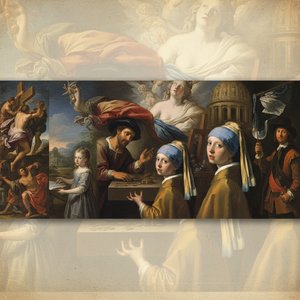
화려함 속에 감춰진 진실! 바로크 미술을 정의한 10대 걸작 탐구
화려함과 극적인 표현이 압권! 바로크 미술을 대표하는 10대 걸작의 숨겨진 이야기를 만나보세요. 베르니니, 루벤스 등 거장의 작품부터 바로크 색감, 예술적 기법까지 – TopImpressionists.com에서 명품 복제 & 인테리어 영감을 얻으세요! 지금 바로 컬렉션을 탐험해보세요.


