

 실제 크기로 보기
 보내기
보내기 공유하기
공유하기
 상세 보기
상세 보기 가이드 보기

 이미지 다운로드
 유사 작품 더 보기
 X-레이
X-레이 슬라이드 쇼 보기
 Q&A
Q&A 통계 정보
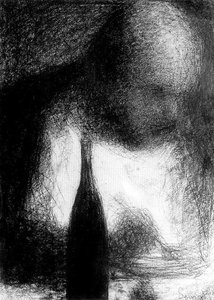
통계 정보Mother And Child

Discover "Mother & Child" by Charles Angrand – a hazy Neo-Impressionist masterpiece blending Romanticism & Symbolism. Explore this ethereal depiction of familial love through soft tones and delicate sfumato.
Charles Angrand was a French Neo-Impressionist painter known for his atmospheric landscapes and charcoal drawings, reflecting Parisian artistic circles of the late 19th century.
 상세 보기
상세 보기
웹 미리보기 화면을 훨씬 뛰어넘는 인쇄용 파일을 만나보세요. 저희가 판매하는 모든 디지털 이미지는 스톡 데이터베이스 내의 고해상도 마스터 파일(일반적으로 가로 5,000~15,000픽셀)을 기반으로 합니다. 따라서 대형 인쇄나 정밀한 크롭 작업 시에도 세밀한 디테일을 자신 있게 구현할 수 있습니다.
저희 스튜디오를 거치는 모든 파일은 정교한 손길을 거칩니다. 디지털 전문가가 원작과 대조하여 색상을 점검하고 필요 시 보정하며, 전문 리터칭 도구를 사용하여 선명도와 디테일을 높입니다. 이 과정에서 작가의 붓 터치와 화풍을 충실히 유지하는 것을 원칙으로 합니다. 그 결과, 단순한 스캔본에 필터를 입힌 듯한 느낌이 아닌, 마치 실제 회화 작품을 보는 듯한 이미지를 구현해냅니다.
최종 완료 전 확인 단계가 있습니다. 전문가가 검토하실 수 있도록 72시간 이내에 이메일로 이미지를 보내드립니다. 결과물이 만족스럽지 않으신가요? 수정이나 보완을 요청하시거나, 품질이 기대에 미치지 못할 경우 환불을 요청하실 수 있습니다.
출판사, 디자인 스튜디오, 갤러리 및 인쇄소가 신뢰하는 바로 그 품질입니다.
디지털 이미지
개인 소장 및 전시, 인쇄, 창작 프로젝트를 위한 고해상도 파일을 다운로드하세요. ( 프린트 판매로 전환 수작업 채색 복제본 주문하기)
모든 디지털 이미지 주문 시 제공되는 혜택
전문적인 디지털 이미지 전송 보장
TopImpressionists.com를 선택하시면 단순히 이미지를 받는 것을 넘어, 정밀한 보정 과정을 거쳐 완성된 전문적인 디지털 예술 작품을 만나보실 수 있습니다. 모든 작품에는 만족 보장 서비스가 함께 제공되며, 주문 시 다음과 같은 사항들이 자동으로 포함됩니다:

빠른 이메일 수령
주문 후 72시간 이내에 고해상도 디지털 이미지 파일이 이메일로 발송되며, 즉시 사용하실 수 있습니다.

AI 기술로 최적화된 디지털 파일
귀하의 작품은 고급 AI 기술과 정교한 수동 편집 과정을 거쳐 전문적으로 최적화되며, 이를 통해 디테일과 선명도, 색상의 정확도를 극대화합니다.

평생 무료 재전송 서비스
파일을 실수로 삭제하거나 분실하셨나요? 걱정 마세요. 언제든 무료로 다시 보내드립니다.

추가 수입 비용 없음 - 언제나
관세나 부가세, 배송비 부담 없이 작품을 즉시 소장하세요 - 디지털 다운로드는 언제나 면세 혜택이 적용됩니다.

정확한 색상 보장
전문적인 도구와 색상 관리 시스템을 통해 디지털 이미지가 원본의 색상을 최대한 정확하게 구현하도록 보장합니다.

100일 만족 보장제
구매하신 디지털 이미지에 만족하지 못하실 경우, 100일 이내에 별도의 조건 없이 수정 또는 100% 환불을 진행해 드립니다.

100% 환불 보장
만족스럽지 않으신가요? 디지털 파일을 받으신 후 100일 이내에 조건 없이 전액 환불해 드립니다.

대량 주문 할인
이미지 3매 구매 시 10% 할인 - 5매 구매 시 15% 할인 - 10매 이상 구매 시 20% 할인. 크리에이티브 프로젝트, 갤러리, 에이전시에 매우 유용합니다.
관련 작품들



아티스트 프로필
A Life Intertwined with Art and Ideals
Charles Théophile Angrand, born in the tranquil Normandy village of Criquetot-l'Orne in 1854, was an artist whose life mirrored the turbulent currents of late 19th and early 20th century France. He wasn’t merely a painter; he was a product of his time—a period defined by artistic revolution, intellectual ferment, and burgeoning political consciousness. Angrand's journey began within a family dedicated to education, his father serving as a schoolmaster, instilling in him perhaps a foundational respect for knowledge and critical thought that would permeate both his art and his life choices. His initial artistic training at the Académie de Peinture et de Dessin in Rouen provided a solid grounding in traditional techniques, but it was a pivotal trip to Paris in 1875—an encounter with a retrospective of Jean-Baptiste-Camille Corot’s work—that truly ignited his artistic passion. The subtle lyricism and atmospheric sensitivity of Corot resonated deeply, shaping Angrand's early aesthetic inclinations towards landscape and an exploration of light and mood. Despite facing rejection from the prestigious École des Beaux-Arts, a common fate for many aspiring artists challenging established norms, he resolutely moved to Paris in 1882, balancing his artistic pursuits with a practical career as a mathematics teacher at Collège Chaptal.Embracing the Avant-Garde and Neo-Impressionism
Paris in the 1880s was a crucible of innovation, a magnet for artists seeking to break free from academic constraints. Angrand found himself immersed in this vibrant milieu, frequenting artistic hubs like Café d'Athènes, Café Guerbois, and Le Chat Noir—places where ideas were exchanged, manifestos debated, and new aesthetic directions forged. It was here he cultivated friendships with some of the most influential figures of the era: Georges Seurat, Vincent van Gogh, Paul Signac, Maximilien Luce, and Henri-Edmond Cross. These encounters proved transformative. In 1884, Angrand co-founded the Société des Artistes Indépendants alongside Seurat and Signac—a bold declaration of artistic independence that challenged the authority of the official Salon and paved the way for future avant-garde movements. Initially influenced by Impressionism, Angrand’s style underwent a significant evolution in the mid-1880s as he embraced Neo-Impressionism. Under the guidance of Seurat and Signac, he began to experiment with Pointillism—the meticulous application of tiny dots of pure color intended to blend optically in the viewer's eye. However, Angrand wasn’t a mere imitator; he infused this technique with his own sensibility, employing a more muted palette than his colleagues, skillfully using chromatic nuances to create subtle shadows and atmospheric depth.A Master of Drawing and Social Commentary
While celebrated for his paintings, Charles Angrand's mastery extended profoundly into the realm of drawing. His conté crayon drawings were particularly lauded by his contemporaries, with Paul Signac himself recognizing them as “masterpieces.” These works demonstrate an exceptional sensitivity to light and shadow, a delicate handling of texture, and a remarkable ability to capture mood and emotion with minimal means. Beyond his purely aesthetic achievements, Angrand was also deeply committed to social and political causes. He actively contributed illustrations to anarchist publications like *Les Temps Nouveaux*, demonstrating a willingness to use his art as a vehicle for expressing his beliefs and challenging the status quo. This engagement with radical politics further distinguished him from many of his contemporaries, adding another layer of complexity to his artistic persona. His association with Van Gogh is also noteworthy; Angrand’s bold brushstrokes and asymmetrical compositions inspired the Dutch master, leading to a proposed exchange of paintings—a testament to the mutual respect and influence shared between these two visionary artists.Later Years and Enduring Legacy
Following a period dedicated to drawings and pastels in the early 1890s, Angrand returned to painting around 1906, influenced by the evolving styles of Signac and Cross. His later works exhibited larger brushstrokes and more vibrant colors, occasionally venturing towards abstraction—a reflection of the broader artistic trends unfolding at the turn of the century. He spent time in Dieppe before settling in Rouen for his final years, maintaining a dedicated correspondence despite becoming increasingly reclusive. Charles Angrand passed away on April 1, 1926, leaving behind a body of work that continues to captivate and inspire. Today, his paintings and drawings are represented in prominent museum collections worldwide, solidifying his place as an important—though often overlooked—figure in late 19th-century French art. He remains a compelling example of an artist who seamlessly blended aesthetic innovation with intellectual engagement and social consciousness, leaving behind a legacy that resonates far beyond the canvas.Key Characteristics of His Work
- Neo-Impressionist Techniques: While embracing Pointillism, Angrand distinguished himself with a more muted palette compared to Seurat and Signac.
- Drawing Mastery: Angrand's conté crayon drawings were highly acclaimed for their delicate handling of light and shadow.
- Influence on Van Gogh: His thick brushstrokes and asymmetrical compositions inspired Vincent van Gogh.
- Anarchist Illustrations: Angrand actively contributed to anarchist publications, demonstrating his commitment to social and political causes.

Charles Angrand
1854 - 1926