


 실제 크기로 보기
 보내기
보내기 공유하기
공유하기
 상세 보기
상세 보기 가이드 보기

 이미지 다운로드
 유사 작품 더 보기
 X-레이
X-레이 슬라이드 쇼 보기
 통계 정보
통계 정보In the Woods
 Post-Impressionism
 1893
1893 33.0 x 31.0 cm
Discover 'In the Woods' by Claude-Émile Schuffenecker (1893). A dreamy pastel landscape showcasing Impressionistic brushwork & a serene forest path. Explore this Post-Impressionist gem!
Explore the intriguing world of Claude-Émile Schuffenecker – a French Post-Impressionist painter & art collector. Known for Van Gogh studies & Volpini Exhibition, his work sparks debate.
 상세 보기
상세 보기
지클레 / 아트 프린트
빠른 제작과 다양한 마감 옵션을 선택할 수 있는 박물관 수준의 지클레이 및 캔버스 프린트. ( 수작업 채색 복제본 주문하기 디지털 이미지 판매 채널로 전환)




































표준 규격
맞춤 제작
CM
INCH
작품의 원본 비율을 그대로 유지하는 프리셋 사이즈 중에서 선택해 보세요.
Loading sizes...

가로 너비
높이
액자나 벽면 크기에 맞춰 필요한 가로와 세로 길이를 입력해 주세요. 프린트는 원본 이미지보다 크게 제작할 수 없으며 오직 자르는 것만 가능하므로, 비율이 다른 사이즈를 선택할 경우 이미지의 일부가 잘려 나갈 수 있습니다. 인쇄 작업에 들어가기 전, 최종 확인을 위해 디지털 목업을 보내드립니다. 이 페이지에 표시된 이미지는 실제 잘리는 영역을 나타내지 않으며, 오직 목업을 통해서만 정확한 확인이 가능합니다.


 유리 옵션은 110cm 미만 크기에서만 선택 가능합니다.

In the Woods
지클레 / 아트 프린트
복제본 규격
-


총 결제 금액
₩ 93564
관련 작품들


작가 소개
The Quiet Pioneer: The Life and Legacy of Claude Émile Schuffenecker
In the vibrant, often tumultuous tapestry of the late nineteenth-century Parisian art scene, certain names shine with an almost blinding brilliance, while others linger in the soft, atmospheric shadows. Claude Émile Schuffenecker (1851–1934) belongs to that evocative second group—a figure whose brushstrokes helped define the edges of Post-Impressionism even as he remained somewhat obscured by the monumental shadows of his contemporaries. Born in Haute-Saône, France, Schuffenecker’s journey was one of profound resilience and artistic devotion. Following the early loss of his father, a tailor from Alsace, his path was shaped by economic necessity and a disciplined upbringing. Before fully committing to the easel, he worked within the practical world of commerce, assisting in his uncle’s coffee and chocolate roasting business. This grounded, industrious spirit would later manifest in his meticulous approach to color and composition, providing a stable foundation for his experimental explorations in light and form.
Schuffenecker’s artistic soul was forged in the crucible of Parisian bohemianism, where he found kindred spirits in the likes of Paul Gauguin and Odilon Redon. His education at the Académie Colarossi allowed him to refine his technical prowess, but it was his deep, intellectual connection with Gauguin that truly catalyzed his creative evolution. The two men shared more than just a studio space; they shared a reverence for the Old Masters and a mutual desire to push beyond the fleeting impressions of Monet toward something more structural and symbolic. This period of intense camaraderie saw Schuffenecker participating in pivotal moments of art history, most notably the Volpini Exhibition, an event that helped signal the emergence of new, bold perspectives in the French avant-garde.
A Vision Beyond the Shadow of Scandal
Despite his technical skill and significant role in the Parisian art circles, Schuffenecker’s legacy has often been viewed through a lens of controversy. He remains a curiously elusive figure, a Post-Impressionist painter whose talent was frequently overshadowed by accusations of forgery and imitation, particularly regarding his studies of Vincent van Gogh. Yet, to view him solely as an imitator is to miss the profound vision of an artist who sought to capture the very essence of light and atmosphere. His works, such as The Laundry Boat at Bas Meudon, demonstrate a masterful command of the Impressionist style, utilizing light and color to create a serene and idyllic atmosphere that invites the viewer into a peaceful moment by the water.
His repertoire was diverse, ranging from the dreamy and pastoral to the deeply atmospheric. In works like In the Woods, he utilized pastel landscapes and Impressionistic brushwork to evoke a sense of serenity, while Le retour des foins showcased his ability to capture the rugged beauty of rural France through loose brushstrokes and evocative light. His paintings often functioned as windows into a world that was both tangible and ethereal:
- Landscape Mastery: A profound ability to translate the hazy, atmospheric qualities of nature into structured compositions.
- Coloristic Experimentation: A transition from the fleeting observations of Impressionism toward the more symbolic and heavy use of color found in Post-Impressionism.
- Narrative Stillness: The capacity to imbue everyday scenes—be it a laundry boat or a forest path—with a sense of timeless, quiet dignity.
Historical Significance and Enduring Spirit
The historical significance of Claude Émile Schuffenecker lies not only in his individual canvases but in his role as a bridge between movements. As a patron and a peer to some of the most transformative figures of his era, he helped sustain the momentum of the Post-Impressionist movement during its most experimental phase. While the weight of scandal and the sheer magnitude of names like Gauguin and Van Gogh have often relegated him to the footnotes of art history, his work remains a vital testament to the era's creative ferment.
Today, as we re-examine the works of this forgotten pioneer, we find an artist who possessed a remarkable ability to navigate the tension between tradition and innovation. His life, marked by both the industriousness of his early commercial years and the bohemian passion of his Parisian years, reflects the very struggle of the late nineteenth-century artist: the attempt to find a unique voice in a world rapidly changing through light, color, and perspective. Schuffenecker’s legacy is a reminder that even within the shadows of giants, there exists a profound beauty worth illuminating.

Claude Emil Schuffenecker
1851 - 1934
작가 정보 요약
- Full Name: Claude Emil Schuffenecker
- Nationality: French
- Date Of Birth: 1851
- Date Of Death: 1934
- Place Of Birth: Fresne Saint-Mamès (Haute-Saône)
- Notable Artworks:
- The Luxembourg Parc
- Paysage Landscape
- Artistic Movement Or Style: Post-Impressionism
- Artists Who Influenced This Artist: ['Paul Gauguin']
- Artists Or Movements Influenced By This Artist: ['Vincent van Gogh']
관련 기사
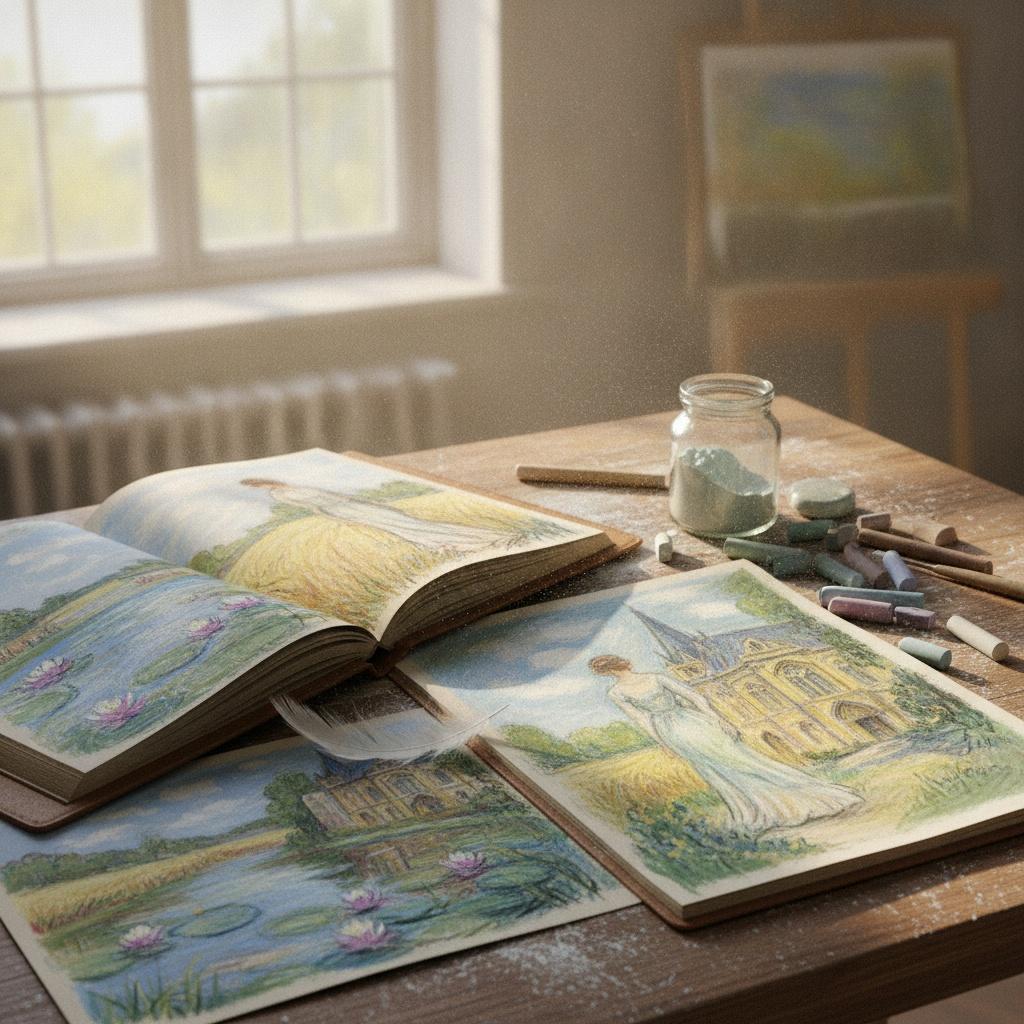
The Soft Magic of Chalk: Capturing Light, Texture, and the Ethereal Soul of Impressionist Masterpieces
Discover the ethereal beauty of pastel and chalk art. Explore how Impressionist masters like Van Gogh and Degas captured light and texture to create timeless, soulful masterpieces for the discerning collector.

Soft Light & Velvet Touch: The Ethereal Magic of Pastel Artistry in Impressionist Masterpieces
Discover the ethereal beauty of pastel art through an Impressionist lens. Explore how masters like Monet and Renoir captured light and velvet textures, and learn to curate a collection of luminous, museum-quality masterpieces for your home.

Beyond the Light: Capturing Raw Emotion and Subjective Vision in Post-Impressionist Landscapes
Explore the profound emotional depth of Post-Impressionist landscapes. Discover how masters like Van Gogh moved beyond light to capture raw human feeling through vibrant color and expressive texture in this expert art history retrospective.
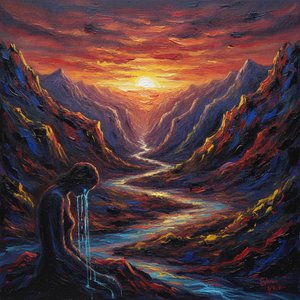
Capturing Emotion: A Journey Through the Soul of Expressionist Landscapes
Explore the profound emotional depth of Expressionist landscapes. Discover how Post-Impressionist masters moved beyond light to capture the soul through vibrant color and form. A curated journey for true art lovers seeking the beauty of expressive mastery.