


 실제 크기로 보기
 보내기
보내기 공유하기
공유하기
 상세 보기
상세 보기 가이드 보기

 이미지 다운로드
 유사 작품 더 보기
 X-레이
X-레이 슬라이드 쇼 보기
 통계 정보
통계 정보A Sou'wester over the Downs
 Impressionism
 1950
1950 64.0 x 77.0 cm
 Government Art Collection
Experience Claude Munckaster’s ‘A Sou’wester over the Downs’ – a stunning 1950 impressionistic landscape. Thick impasto, dramatic skies & serene beauty await! #impressionism #landscapeart
Discover Claude Munckaster’s evocative landscapes & dreamlike scenes. A master of atmospheric painting, his works explore nature's beauty & mystery in Berlin & beyond.
 상세 보기
상세 보기
이 페이지에 표시된 작품은 저작권법의 보호를 받으며, 이에 따라 동일한 복제품을 제작하거나 판매하는 것은 법으로 금지되어 있습니다. 이러한 권리 보호는 다음과 같은 국제 협약에 따라 시행됩니다. 베른 협약 또한 다음에서 명시하는 법률을 포함한 국내법에 의해 보호됩니다. 미국 저작권법 제17조.
이 방식은 저작권 보호를 받는 예술 작품을 복제하거나 그대로 재현하는 것이 아니기에 저작권 규정을 완벽히 준수합니다. 대신, 이는 창의적인 재해석의 과정을 거칩니다. 즉, 원작에서 영감을 받되 원작과 동일하지 않은 새로운 회화 작품을 의미합니다.
지클레 / 아트 프린트
빠른 제작과 다양한 마감 옵션을 선택할 수 있는 박물관 수준의 지클레이 및 캔버스 프린트. ( 수작업 채색 복제본 주문하기 디지털 이미지 판매 채널로 전환)




































표준 규격
맞춤 제작
CM
INCH
작품의 원본 비율을 그대로 유지하는 프리셋 사이즈 중에서 선택해 보세요.
Loading sizes...

가로 너비
높이
액자나 벽면 크기에 맞춰 필요한 가로와 세로 길이를 입력해 주세요. 프린트는 원본 이미지보다 크게 제작할 수 없으며 오직 자르는 것만 가능하므로, 비율이 다른 사이즈를 선택할 경우 이미지의 일부가 잘려 나갈 수 있습니다. 인쇄 작업에 들어가기 전, 최종 확인을 위해 디지털 목업을 보내드립니다. 이 페이지에 표시된 이미지는 실제 잘리는 영역을 나타내지 않으며, 오직 목업을 통해서만 정확한 확인이 가능합니다.


 유리 옵션은 110cm 미만 크기에서만 선택 가능합니다.

A Sou'wester over the Downs
지클레 / 아트 프린트
복제본 규격
-


총 결제 금액
₩ 93791
관련 작품들


작가 소개
The Luminous Legacy of Claude Grahame Muncaster
Claude Grahame Muncaster, born in 1903 as Grahame Hall, was a painter whose soul seemed inextricably linked to the shifting tides and the vast, breathing landscapes of the British Isles. A master of both watercolor and oil, his work serves as a window into an era where the interplay of light and atmosphere held a profound, almost spiritual significance. Born in West Chiltington, Sussex, Muncaster was the scion of an artistic lineage; his father, Oliver Hall, was a distinguished Royal Academician who provided the foundational discipline required to master the delicate nuances of English painting traditions. Yet, while his training was rooted in classical excellence, Muncaster’s spirit was far from sedentary. His early life was marked by a thirst for adventure that would later define the rugged, maritime character of his oeuvre.
Before he was a celebrated figure in the Royal Academy, Muncaster was a man of the sea. His formative years included a perilous and transformative voyage as a deckhand aboard a windjammer navigating the treacherous waters around Cape Horn. This period of intense physical labor and direct confrontation with the raw power of the ocean instilled in him an unparalleled understanding of maritime environments. He did not merely observe the sea from the safety of a shore; he felt its rhythm, witnessed its fury, and learned the subtle language of light reflecting off turbulent swells. This lived experience became the heartbeat of his later works, allowing him to imbue his seascapes with an authenticity that resonated deeply with both critics and enthusiasts alike.
A Mastery of Atmosphere and Narrative
As his career blossomed during the interwar years, Muncaster emerged as a vital voice in British art. His acceptance into the Royal Academy in 1920 was not merely a professional milestone but a validation of a unique vision that blended meticulous detail with an evocative, almost dreamlike quality. He possessed a rare ability to capture the ephemeral—the way mist clings to a morning river or how a sunset dissolves the horizon into a palette of gold and violet. This talent for atmospheric storytelling led him to become a prolific illustrator, most notably collaborating with the renowned author John Masefield. In his renderings for works such as Bird of Dawning, Muncaster utilized watercolor to weave visual narratives that were as much about emotion and mood as they were about literal depiction.
His technical prowess was characterized by a sophisticated use of color and a bold approach to brushwork. Whether working in the fluid medium of watercolor or the rich textures of oil on canvas, he sought to portray nature’s grandeur through a lens of serenity and light. His landscapes often featured:
- Coastal Vistas: Capturing the dramatic intersection of land and sea with an emphasis on the movement of water.
- English Countryside: Peaceful scenes such as his 1950 work, March Morning, Newby Bridge, Cumbria, which showcases a tranquil river flowing beneath stone arches, surrounded by lush greenery.
- Maritime Life: Depictions of vessels and shipyards, such as his studies of the Shipyard at Palma in Majorca, reflecting his lifelong fascination with seafaring structures and environments.
Historical Significance and Enduring Spirit
The mid-twentieth century brought profound changes to the world, and Muncaster’s life was no exception. During the Second World War, he applied his keen observational skills to a different kind of visual deception, serving as a camouflage expert. This role required an intimate understanding of how shapes, shadows, and textures blend into a natural environment—a skill that, while serving a military purpose, was deeply connected to his artistic preoccupation with the subtleties of the landscape. This period of service added a layer of complexity to his perspective, further refining his ability to manipulate perception through color and form.
By the time of his passing in 1974, Claude Grahame Muncaster had left behind a body of work that stands as a testament to the enduring beauty of the natural world. His paintings are more than mere representations; they are atmospheric captures of moments in time, preserved through a mastery of light. He remains a significant figure in the history of British landscape and marine painting, remembered for his ability to bridge the gap between the rugged reality of maritime life and the poetic elegance of the English pastoral tradition. His legacy continues to inspire those who seek to find the extraordinary within the quiet, luminous details of the earth.

Claude Muncaster
1903 - 1974
작가 정보 요약
- Full Name: Claude Grahame Muncaster
- Nationality: British
- Date Of Birth: 1903
- Date Of Death: 1974
- Place Of Birth: West Chiltington, Sussex
- Notable Artworks: ['March Morning, Newby Bridge']
- Artistic Movement Or Style: Atmospheric Painting
- Artists Who Influenced This Artist: ['Oliver Hall']
- Artists Or Movements Influenced By This Artist: ['Claude Lorrain']
관련 기사
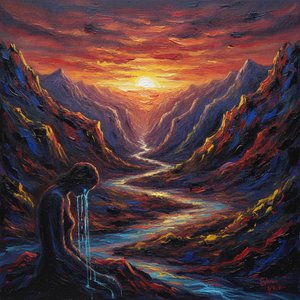
Capturing Emotion: A Journey Through the Soul of Expressionist Landscapes
Explore the profound emotional depth of Expressionist landscapes. Discover how Post-Impressionist masters moved beyond light to capture the soul through vibrant color and form. A curated journey for true art lovers seeking the beauty of expressive mastery.

Chasing Light: The Soulful Beauty and Eternal Legacy of Impressionist Landscapes
Discover the soulful beauty of Impressionist landscapes. Explore the mastery of Claude Monet and the revolution of light through expert art history insights and premium, hand-painted oil reproductions designed for discerning collectors.