아틀리에 — 전 세계 무료 배송 — 배송 기간 2~6주
Sell Your Art 위시리스트 장바구니
PreviewPreview 프린트 구매하기 프린트 구매하기이미지 구매하기 이미지 구매하기 공유하기공유하기
상세 정보상세 정보 즐겨찾기에 추가 즐겨찾기에 추가 다운로드다운로드 유사 작품유사 작품 X-레이X-레이 슬라이드 쇼슬라이드 쇼

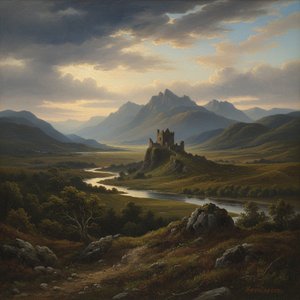
Newstead Abbey

Explore Cornelius Varley’s ‘Newstead Abbey,’ a serene Romantic landscape painting of an estate reflected in a lake. Admire its meticulous detail & classical style.

Discover Cornelius Varley’s classical watercolor paintings of architecture & figures. Explore his scientific pursuits & early contributions to art, including Thames scenes.

수제 유화 복제품

원하는 크기와 액자로 주문 제작되는, 작가들이 직접 캔버스에 손으로 그린 유화 작품입니다.

Standard
custom
CM
INCH

작품의 원본 비율을 유지하는 미리 설정된 크기 중에서 선택하세요.

가로 너비
세로 길이

특정 프레임이나 공간에 맞도록 직접 크기를 입력할 수 있습니다. 선택하신 크기가 원본 이미지의 비율과 일치하지 않는 경우, 작품을 자르거나 추가적인 손으로 그린 요소를 사용하여 그림을 확장합니다. 제작 시작 전 승인을 위해 디지털 목업을 보내드립니다.
화면 미리 보기는 실제 자르기 또는 확장을 반영하지 않습니다. 최종 구성은 목업을 통해서만 정확하게 확인하실 수 있습니다.
맞춤 크기 제작도 가능하지만, 원본 비율을 유지하기 위해 사전 정의된 목록에서 크기를 선택하시는 것을 권장합니다.

변경 가능한 예시: 얼굴을 고객의 사진으로 교체, 반려동물 추가(예: 고양이를 강아지로 변경), 배경에 숨겨진 메시지 삽입, 배경 풍경 또는 요소 변경 등
주문 후 TopImpressionists.com 팀에서 상세 안내를 위해 고객님께 이메일을 보내드리며, 미리보기 시안을 제공해 드립니다.

전 세계 배송()은 표준 5주 대신 3~4주 내에 완료됩니다. (24 7월). 품질에는 어떠한 타협도 하지 않습니다.

why_choose_icon
전 세계 무료 특급 배송
why_choose_icon
프리미엄 린넨 캔버스
why_choose_icon
전체 배송 보험 보장
why_choose_icon
관세 환불 보장
why_choose_icon
실제 색상 일치 보장
why_choose_icon
60일 이내 반품 정책 (제조 결함 시)
why_choose_icon
100% 환불 보장
why_choose_icon
다량 구매 할인 혜택

총 합계 금액

-

reproduction

Newstead Abbey

재현 기법

복제본 크기

-

최종 결제 금액

-


작가 약력

Cornelius Varley (1781–1873): A Pioneer of Watercolor and Scientific Observation

Cornelius Varley, FRSA (November 21, 1781 – October 2, 1873), was a British watercolor painter and optical instrument-maker whose meticulous craftsmanship combined with an inquisitive spirit established him as one of the foremost artists of his era. Born in Hackney, London—a burgeoning suburb at the time—Varley’s artistic journey began under the tutelage of his uncle, a skilled instrument maker, fostering a fascination for both art and science that would permeate throughout his life's work. This dual passion profoundly shaped his artistic vision and contributed to his groundbreaking innovations in optics. His formative years coincided with the burgeoning Romantic movement, where he found inspiration in the works of William Blake, forging a lasting friendship that cemented their shared interest in imaginative exploration and spiritual contemplation. Educated primarily by his uncle, Varley gained invaluable knowledge of scientific principles—particularly those relating to light and vision—which would later become instrumental in his pioneering advancements within the field of optical instrumentation. This intellectual curiosity wasn’t merely academic; it fueled a desire to understand the natural world through observation and experimentation, mirroring the spirit of the age. Varley's artistic career commenced around 1800 with a memorable expedition to Wales alongside his brother, John Varley, during which he immersed himself in the study of Welsh landscapes and architecture. This formative experience instilled within him a meticulous attention to detail—a characteristic that would define his watercolor paintings for decades to come. He quickly established himself as a teacher of drawing, imparting his skills and fostering the artistic sensibilities of aspiring artists. From 1803 to 1859, Varley intermittently exhibited at the Royal Academy, showcasing his talent and securing recognition within the established art world. Simultaneously, he was a steadfast contributor to the displays of the Watercolour Society—of which he proudly founded in 1803—remaining an active member until 1821. Varley’s artistic output primarily consisted of classically inspired watercolor paintings featuring architecture and figures rendered with remarkable precision. He achieved considerable acclaim for his depictions of buildings, capturing their grandeur and sculptural qualities with painstaking accuracy. His landscapes were equally noteworthy, imbued with a subtle atmospheric perspective that conveyed the mood and character of the natural environment. Notably, Varley’s fascination extended beyond mere visual representation; he actively pursued scientific endeavors, culminating in the invention of the graphic telescope—a revolutionary instrument designed to enhance visual acuity—and earning him the prestigious Isis Gold Medal from the Society of Arts. Furthermore, his contribution to the Great Exhibition of 1851 secured him another medal for his inventive prowess. Beyond his artistic accomplishments, Varley’s personal life was marked by familial devotion. He married Elizabeth Livermore Straker in 1821 and together they raised ten children, including Cromwell Fleetwood “C.F.” Varley—a celebrated telegraph engineer who continued the family's legacy of innovation. Cornelius Varley passed away peacefully in Hampstead on October 2nd, 1873, leaving behind a rich artistic heritage and cementing his place as a pivotal figure in Victorian art history. His enduring legacy resides not only in his stunning watercolor paintings but also in his unwavering commitment to scientific inquiry—a testament to the transformative power of intellectual curiosity and artistic creativity intertwined.
Cornelius Varley

Cornelius Varley

1781 - 1873 , United Kingdom

주요 정보

  • Artistic Movement Or Style: Classical Watercolor
  • Artists Or Movements Influenced By This Artist: ['Romanticism']
  • Artists Who Influenced This Artist: ['William Blake']
  • Date Of Birth: November 21, 1781
  • Date Of Death: October 2, 1873
  • Full Name: Cornelius Varley
  • Nationality: British
  • Notable Artworks:
    • Remains of Parton Hall,
    • Newstead Abbey
    • An Ivy-covered Tower By An Open Track, Ireland
  • Place Of Birth: London, United Kingdom
© TopImpressionists.com — All Rights Reserved  ·  100% 수작업 페인팅 · 만족 보장 · 전 세계 무료 배송
VISA MASTERCARD